Table of Contents >> Show >> Hide
- What Are Invisalign Cleaning Crystals?
- How to Use Invisalign Cleaning Crystals Step by Step
- How Often Should You Use Invisalign Cleaning Crystals?
- Daily Invisalign Cleaning Routine for Clear, Fresh Aligners
- Common Mistakes to Avoid When Cleaning Invisalign
- Can You Use Invisalign Cleaning Crystals on Retainers?
- What to Do If Your Aligners Still Smell Bad
- Tips for Invisalign Success Beyond Cleaning
- Invisalign Cleaning Crystals vs. Other Cleaning Methods
- Troubleshooting: Quick Answers to Common Problems
- Experience-Based Tips: What Makes the Routine Actually Stick
- Conclusion
- SEO Tags
Invisalign aligners are a little like celebrity sunglasses: clear, sleek, and surprisingly easy to ruin if you treat them like they are indestructible. The good news? Keeping them clean is not complicated. The even better news? Invisalign Cleaning Crystals make the process simple enough that you can do it while making coffee, scrolling your phone, or pretending you are not counting down the days until your next tray change.
If you are wearing Invisalign, your aligners spend most of the day sitting snugly against your teeth. That means saliva, plaque, food particles, and bacteria can collect on the trays if you do not clean them properly. Over time, dirty aligners may look cloudy, smell less than charming, taste odd, or make your smile look like it has been filtered through a foggy bathroom mirror. Not exactly the “nearly invisible” look you signed up for.
This guide explains exactly how to use Invisalign Cleaning Crystals, how often to clean your aligners, what mistakes to avoid, and how to build an easy routine that keeps your trays clear, fresh, and comfortable. Think of it as aligner hygiene without the dental lecture energy.
What Are Invisalign Cleaning Crystals?
Invisalign Cleaning Crystals are cleaning packets made for Invisalign clear aligners and retainers. They dissolve in water and create a soaking solution that helps remove buildup, odor, and discoloration from your trays. Unlike random household cleaners, these crystals are designed for the type of plastic used in aligners and retainers, which is important because clear trays are more delicate than they look.
The main purpose is simple: keep your aligners clean, clear, and more pleasant to wear. During treatment, you may wear each set of aligners for one to two weeks depending on your provider’s plan. That may not sound long, but two weeks is plenty of time for trays to collect plaque and develop that “I forgot these were in my backpack” smell if you ignore them.
Invisalign Cleaning Crystals are especially useful for a deeper clean. Daily rinsing and gentle brushing help, but a soak can reach tiny grooves and edges around attachments where residue likes to hide like it pays rent.
How to Use Invisalign Cleaning Crystals Step by Step
Using Invisalign Cleaning Crystals is straightforward, but the order matters. Do not just toss your aligners into mystery water and hope for spa-day magic. Follow this simple routine.
Step 1: Remove and Rinse Your Aligners
Take your aligners or retainers out carefully. Rinse them under tap water to remove saliva and loose debris before soaking. This first rinse helps the cleaning solution work more effectively because it is not fighting yesterday’s snack crumbs from the opening bell.
Step 2: Fill a Clean Container with Warm Water
Use a clean soaking container or the Invisalign cleaning tub if you have one. Fill it with enough warm water to fully cover the aligners. The water should be warm or lukewarm, not hot. Hot water can warp clear aligners, and warped aligners can stop fitting correctly. That is the dental version of shrinking your favorite shirt in the dryer.
Step 3: Add One Packet of Cleaning Crystals
Open one packet of Invisalign Cleaning Crystals and pour it into the water. One packet is designed for one cleaning session. Stir or gently agitate the container for about 20 seconds so the crystals dissolve and spread through the water.
Step 4: Soak for 15 Minutes
Place your aligners in the solution and let them soak for about 15 minutes. If they are especially cloudy or have stubborn buildup, some users let them stand a little longer, but always follow your orthodontist’s advice and the product directions. During this time, the crystals help loosen residue and refresh the trays.
Step 5: Agitate Again, Then Rinse Thoroughly
After the soak, gently shake or stir the container again for about 20 seconds. Remove the aligners and rinse them very thoroughly with warm or lukewarm water. This step matters. If you rush the rinse, you may notice an unpleasant cleaner taste when you put the trays back in. Your aligners should taste like nothing, not like they spent spring break at a swimming pool.
Step 6: Put Them Back In or Store Them Properly
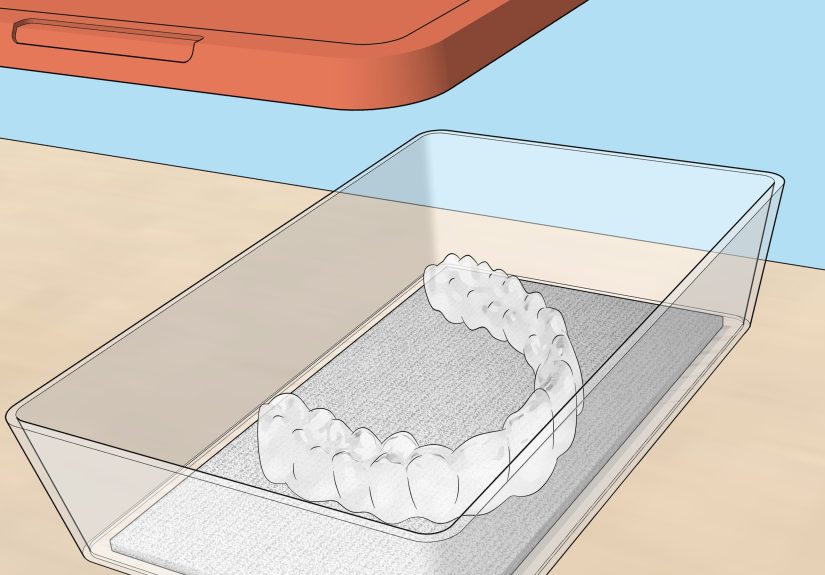
If your teeth are clean, put your aligners back in. If you are not wearing them immediately, store them in a clean aligner case. Do not wrap them in a napkin, set them loose on a table, or place them in a pocket. That is how aligners get thrown away, sat on, chewed by pets, or mysteriously transported to the land of lost retainers.
How Often Should You Use Invisalign Cleaning Crystals?
Many people use Invisalign Cleaning Crystals several times per week, while others use them daily or weekly depending on their routine, aligner-change schedule, and orthodontist’s recommendation. If your trays start looking cloudy, smelling odd, or feeling filmy even after rinsing, it may be time for a deeper clean.
A practical approach is to rinse your aligners every time you remove them, gently clean them daily, and use Cleaning Crystals as a deeper cleaning step. If you drink coffee, tea, or other staining beverages often, you may need more frequent soaks. Ideally, remove your aligners before eating or drinking anything besides plain water. Yes, coffee lovers, this is annoying. No, your aligners do not care about your emotional bond with iced lattes.
Daily Invisalign Cleaning Routine for Clear, Fresh Aligners
Cleaning Crystals are helpful, but they are not a replacement for basic daily care. A strong Invisalign routine combines aligner cleaning with good oral hygiene.
Morning Routine
When you wake up, remove your aligners and rinse them. Brush and floss your teeth before putting them back in. If your trays feel cloudy or have morning breath energy, use Invisalign Cleaning Crystals while you get ready. A 15-minute soak fits nicely into a morning routine: start the soak, brush your teeth, wash your face, question your outfit, rinse the trays, and go.
After Meals
Before eating, remove your aligners and store them in their case. After eating, brush and floss if possible before reinserting them. If you cannot brush right away, rinse your mouth well with water and rinse the aligners before putting them back in, then brush as soon as you can. The goal is to avoid trapping food particles and sugars between your teeth and aligners.
Night Routine
At night, clean your teeth thoroughly and inspect your aligners. If they look dull, smell strange, or have visible buildup, give them a crystal soak. Night cleaning is also a good time to wash your aligner case, because a dirty case can undo your hard work faster than a toddler with a juice box near a white couch.
Common Mistakes to Avoid When Cleaning Invisalign
Invisalign care is easy, but a few bad habits can cause stains, odors, or fit problems. Avoid these common mistakes.
Using Hot Water
Hot water can distort aligner plastic. Even a small change in shape can affect how the tray fits and how it moves your teeth. Use lukewarm water instead. If the water feels hot enough for tea, soup, or dramatic movie steam, it is too hot for your aligners.
Soaking Aligners in Colored Mouthwash
Colored mouthwash may stain clear trays. Alcohol-based mouthwash can also be harsh on oral appliances. If you want fresh breath, use mouthwash for your mouth according to product directions, not as a hot tub for your aligners.
Using Harsh Cleaners
Bleach, abrasive powders, strongly scented soaps, and household cleaners do not belong on Invisalign trays. Clear aligners sit against your teeth and gums for hours, so cleaning products must be safe for oral appliances. When in doubt, use Invisalign Cleaning Crystals or ask your orthodontist.
Scrubbing Too Aggressively
A soft toothbrush can help remove loosened residue, but heavy scrubbing may scratch the plastic. Scratches can make aligners look dull and give bacteria more places to cling. Be gentle. Your aligners are doing orthodontic work, not training for a wrestling match.
Skipping the Rinse
After using Cleaning Crystals, rinse thoroughly. This prevents leftover solution from causing an unpleasant taste. A good rinse also removes loosened debris so you are not putting the problem right back onto your teeth.
Can You Use Invisalign Cleaning Crystals on Retainers?
Invisalign Cleaning Crystals can be used for Invisalign aligners and compatible retainers, including many clear retainers. However, retainers vary by material and design, so always follow your provider’s instructions. If you have a fixed retainer, removable wire retainer, or a special appliance, ask your orthodontist before soaking it in any cleaner.
Retainers need regular cleaning because bacteria can grow on them just like they can inside your mouth. A dirty retainer can contribute to bad breath, buildup, and irritation. If your retainer smells even after cleaning, looks damaged, has cracks, or no longer fits properly, contact your dental provider instead of trying to solve the problem with extra soaking.
What to Do If Your Aligners Still Smell Bad
If your aligners smell bad after cleaning, the issue may not be the crystals. It may be your routine. First, make sure you are cleaning your teeth before reinserting the trays. Putting clean aligners over unbrushed teeth is like putting fresh sheets on a muddy mattress. Technically, the sheets are clean. Practically, we have a problem.
Second, clean your aligner case. Cases can collect moisture and bacteria, especially if aligners are stored while wet. Wash the case regularly with mild soap and water, rinse well, and let it dry. Replace the case if it is cracked, stained, or smells even after washing.
Third, check whether you are wearing aligners while drinking anything besides water. Coffee, tea, wine, sports drinks, soda, and flavored drinks can stain trays or leave residue. Sugary and acidic drinks are especially risky because aligners can hold liquid against the teeth. That is not a refreshing beverage break; that is a tiny sugar bath with orthodontic branding.
Tips for Invisalign Success Beyond Cleaning
Clean aligners are important, but Invisalign success also depends on consistency. Your orthodontist designs your treatment around wear time, tray changes, and tooth movement. Cleaning supports the process by keeping trays comfortable and clear.
Wear Your Aligners as Directed
Many Invisalign patients are told to wear aligners for about 20 to 22 hours per day, but your exact instructions may vary. The less you wear them, the less predictable your treatment becomes. Build cleaning into your schedule so hygiene does not become an excuse for leaving trays out too long.
Keep a Travel Kit
A small Invisalign kit can save your day. Include your case, a travel toothbrush, floss or floss picks, and possibly a few Cleaning Crystal packets. Add a small bottle of water if you are often away from a sink. This kit turns restaurant bathrooms, school bathrooms, office bathrooms, and airport bathrooms into temporary aligner maintenance stations. Glamorous? No. Effective? Absolutely.
Use the Case Every Time
The aligner case is not decorative. It is your trays’ tiny protective apartment. Use it whenever the aligners are out of your mouth. Napkins, pockets, lunch trays, cup holders, and backpacks are dangerous territory. Many lost aligner stories begin with, “I only set them down for a second.” Famous last words.
Do Not Ignore Fit Changes
If your aligners feel suddenly loose, painfully tight, warped, cracked, or impossible to seat correctly, contact your orthodontist. Do not try to bend them back into shape. Clear aligners are custom-made, and even small distortions can affect treatment.
Invisalign Cleaning Crystals vs. Other Cleaning Methods
There are several ways people clean aligners: rinsing, gentle brushing, mild soap, retainer tablets, ultrasonic cleaners, and Invisalign Cleaning Crystals. Each method has a role, but not every method is right for every person.
Rinsing is quick and should happen often, but rinsing alone may not remove film or odor. Gentle brushing can help with visible residue, but rough brushing or abrasive toothpaste can scratch aligners. Mild clear soap may work for some people, but it must be rinsed completely to avoid taste and irritation. Ultrasonic cleaners can help loosen debris, especially when used with an aligner-safe solution, but they are not mandatory for everyone.
Invisalign Cleaning Crystals are convenient because they are pre-measured and designed specifically for Invisalign aligners and retainers. They are a strong choice when you want a simple, repeatable deep-cleaning process without turning your bathroom counter into a science lab.
Troubleshooting: Quick Answers to Common Problems
Why do my aligners look cloudy?
Cloudiness usually comes from plaque, minerals, dried saliva, scratches, or staining. Rinse aligners when removing them, clean them daily, and use Cleaning Crystals for deeper cleaning. If cloudiness does not improve, ask your orthodontist whether the trays are scratched or damaged.
Why do my aligners taste like cleaner?
You probably did not rinse them long enough after soaking. Rinse the trays and container thoroughly with lukewarm water. You can also gently brush the aligners with a soft brush after soaking, then rinse again.
Can I reuse the Cleaning Crystal solution?
It is best to use a fresh solution for each cleaning session. The solution is meant to lift residue from your aligners, so saving it for later is like reusing dirty dishwater and calling it “eco-friendly.” Admirable intention, questionable execution.
Can I eat with Invisalign in?
In most cases, aligners should be removed before eating. Food can stain, crack, or damage trays, and chewing with aligners may affect their fit. Follow your provider’s instructions.
Experience-Based Tips: What Makes the Routine Actually Stick
The biggest Invisalign cleaning lesson many patients learn is that the best routine is not the fanciest one. It is the one you can repeat on a busy Monday, during a road trip, after lunch with friends, and when you are tired enough to consider brushing your teeth a major athletic achievement.
One practical experience is to pair Cleaning Crystals with a habit you already do. For example, use them in the morning while showering or at night while flossing. The 15-minute soak feels much easier when it overlaps with another task. If you treat aligner cleaning as a separate dramatic event, you are more likely to skip it. If it becomes part of the rhythm, it is almost automatic.
Another useful habit is keeping supplies in more than one place. Many people start treatment with one case and one toothbrush, then discover life does not happen only in the bathroom at home. Keep a case in your bag, a backup case in your car or locker, and a few cleaning packets where you are likely to need them. This prevents the classic Invisalign panic moment: standing in a restaurant bathroom, holding your aligners, realizing your case is at home, and suddenly considering whether a paper towel is “good enough.” It is not.
People also learn quickly that skipping cleaning has consequences. Aligners that are not rinsed after removal can dry with saliva on them, which creates odor and white film. Trays stored in a damp, dirty case may smell even if the aligners themselves were cleaned. A fresh aligner in a dirty case is like wearing clean socks inside muddy shoes. The math does not work.
Another real-world tip is to avoid perfectionism. You may not be able to brush immediately after every snack or meal, especially at school, work, or while traveling. When brushing is not possible, rinse your mouth with water, rinse your aligners, and brush properly as soon as you can. A realistic routine beats an impossible one. The goal is not to become a full-time aligner butler. The goal is to keep your teeth and trays clean enough that treatment stays healthy, comfortable, and on track.
Finally, many Invisalign wearers find that the first week is the hardest because everything feels new: removing trays, cleaning attachments, remembering the case, timing meals, and speaking without noticing the aligners. After a short adjustment period, the routine becomes much easier. Cleaning Crystals help because they remove the guesswork. One packet, warm water, 15 minutes, rinse well. That simplicity matters. When your dental routine is easy, you are more likely to do it. And when you do it consistently, your aligners stay clearer, your breath stays fresher, and your smile journey feels a lot less like a part-time job.
Conclusion
Learning how to use Invisalign Cleaning Crystals is one of the simplest ways to protect your aligners, your breath, and your confidence during treatment. The process is easy: rinse your aligners, dissolve one packet in warm water, soak for about 15 minutes, agitate, rinse thoroughly, and wear or store them properly. That is it. No complicated ritual. No dental wizardry. No need to whisper motivational quotes to your trays.
The real secret is consistency. Clean your aligners daily, avoid hot water and harsh cleaners, brush and floss before reinserting trays, and keep your aligner case clean. Invisalign Cleaning Crystals are helpful, but they work best as part of a complete routine. Treat your aligners well, and they will stay clearer, fresher, and more comfortable throughout your treatment.
Note: This article is for general educational purposes and does not replace advice from your dentist or orthodontist. Always follow the instructions provided with your Invisalign products and your treatment plan.