Table of Contents >> Show >> Hide
- So, is laser hair removal permanent?
- How laser hair removal works
- Is laser hair removal safe?
- Who gets the best results?
- What areas can be treated?
- What does it feel like?
- How to prepare for laser hair removal
- Aftercare: what to do after treatment
- Professional laser vs. at-home devices
- Common myths about laser hair removal
- How to choose a safe provider
- Is laser hair removal worth it?
- 500-word experience section: what the laser hair removal journey can feel like
- Final answer: permanent, safe, or both?
Note: This article is educational content, not personal medical advice. Anyone with a history of keloids, pigment changes, active skin disease, pregnancy-related concerns, photosensitive medication use, or darker skin tones should speak with a qualified medical professional before treatment.
So, is laser hair removal permanent?
Laser hair removal is one of those beauty treatments that sounds almost too convenient: zap the hair, toss the razor, and live happily ever after with dolphin-smooth skin. The truth is a little less fairy-tale and a lot more practical. Laser hair removal can produce long-lasting hair reduction, and some follicles may stop producing hair permanently. However, it is usually more accurate to call it permanent hair reduction, not guaranteed permanent hair removal.
That difference matters. “Permanent hair reduction” means a stable, long-term reduction in the number of hairs that regrow after a completed treatment series. It does not mean every single hair follicle is gone forever, never to return, never to text you “u up?” at 2 a.m. Hair can regrow over time, especially if hormones, genetics, medication, or untreated follicles decide to join the party.
For many people, the result is still excellent: fewer hairs, finer regrowth, slower growth, fewer ingrown hairs, and less dependence on shaving or waxing. Instead of shaving every other day, some people only need occasional touch-up sessions once or twice a year. That is not magic, but for anyone who has ever performed emergency ankle shaving in a bathroom sink, it can feel pretty close.
How laser hair removal works
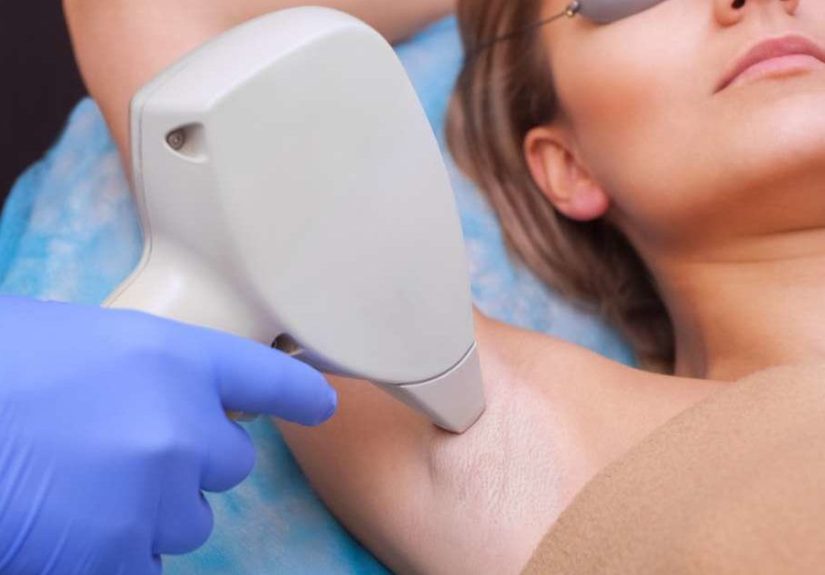
Laser hair removal uses concentrated light energy to target pigment, or melanin, in the hair. The light converts into heat, which damages the hair follicle and reduces its ability to grow new hair. The best target is usually dark, coarse hair because it contains more pigment for the laser to “see.”
Why multiple sessions are needed
Hair does not grow all at once. It cycles through growth, transition, and resting phases. Laser treatment works best when hair is in the active growth phase, but not every follicle is in that phase on treatment day. This is why most people need a series of sessions, often spaced several weeks apart. Common treatment plans may involve about six sessions, though the number can vary depending on body area, hair density, skin tone, hair color, hormones, and the device used.
Why some hair grows back
Laser energy can damage follicles, but it may not destroy every follicle completely. Some follicles are only partially affected. Others are dormant during treatment and become active later. Hormonal areas such as the face, chin, neck, and bikini line may be more likely to show regrowth, especially in people with conditions such as polycystic ovary syndrome, hormonal shifts, or pregnancy-related changes.
Is laser hair removal safe?
For the right candidate, using the right device, with the right settings, performed by a trained professional, laser hair removal is generally considered safe. That sentence has a lot of “rights” in it for a reason. Safety depends on more than the machine. It depends on the person operating it, the consultation, the laser type, the patient’s skin tone, recent sun exposure, medications, and aftercare.
Laser hair removal is noninvasive, meaning it does not require cuts in the skin. Most people experience temporary redness, swelling, warmth, or mild irritation afterward. These effects often look and feel like a mild sunburn and usually calm down within hours to a couple of days.
However, “safe” does not mean “risk-free.” Possible side effects include burns, blisters, crusting, scarring, changes in skin texture, and hyperpigmentation or hypopigmentation. Pigment changes may be temporary, but in some cases they can last longer. The risk is higher when the wrong laser or incorrect settings are used, especially on darker or recently tanned skin.
Who gets the best results?
The classic ideal candidate has light skin and dark, coarse hair because the laser can easily distinguish between the pigment in the hair and the pigment in the skin. But modern technology has improved. Many people with medium to dark skin tones can now be treated safely when the provider uses appropriate devices, such as certain long-pulsed Nd:YAG lasers, and understands how to adjust energy settings carefully.
Hair color matters
Laser hair removal is less effective on very light blond, white, gray, or red hair because those hairs contain less melanin. If the laser cannot “see” enough pigment, it cannot heat the follicle effectively. This is why someone with dark underarm hair may see dramatic reduction, while someone with pale peach fuzz on the upper lip may be disappointed.
Skin tone matters too
Darker skin contains more melanin, which can compete with the hair for laser energy. This does not mean darker skin cannot be treated. It means the provider must choose the correct laser, use careful settings, and avoid aggressive treatment. A patch test may be recommended before treating a larger area.
What areas can be treated?
Laser hair removal is commonly used on the underarms, legs, bikini line, back, chest, arms, upper lip, chin, and neck. Large areas such as legs or back take longer. Smaller areas such as the upper lip can be quick, sometimes only a few minutes.
One important safety rule: laser hair removal should not be performed on eyelids or too close to the eyes because of the risk of serious eye injury. Proper protective eyewear is essential for both the patient and the provider.
What does it feel like?
Most people describe the sensation as a warm rubber band snapping against the skin. Some areas are more sensitive than others. The upper lip, bikini line, ankles, and underarms can feel spicier than the legs or arms. Many modern devices use cooling technology to make treatment more comfortable.
Pain tolerance varies. One person may shrug and say, “That was nothing,” while another mentally writes their will during the first pulse. The good news is that sessions are usually quick, and discomfort generally stops when the laser stops.
How to prepare for laser hair removal
Preparation can make a big difference in both safety and results. Most providers recommend avoiding tanning, sunburn, waxing, tweezing, and electrolysis before treatment. Shaving is usually allowed and often required shortly before the appointment because the laser needs the follicle under the skin, not long hair above it.
Before your appointment
A good provider will review your medical history, skin type, hair color, medications, recent sun exposure, and previous reactions to cosmetic treatments. Be honest. This is not the moment to pretend you have been avoiding the sun if your shoulders are currently the color of a vacation postcard.
You should also mention retinoids, acne medications, antibiotics, photosensitizing drugs, herbal supplements, recent chemical peels, and any history of cold sores if treating the face. Some products or medications can increase sensitivity and may require pausing treatment or adjusting the plan.
Aftercare: what to do after treatment
After laser hair removal, treated skin may feel warm, pink, or slightly swollen. Cool compresses, gentle moisturizer, and sun protection can help. Avoid hot tubs, saunas, intense workouts, harsh scrubs, exfoliating acids, and direct sun exposure for the period your provider recommends.
Sun protection is especially important because treated skin may be more vulnerable to pigment changes. If the area is exposed, use broad-spectrum sunscreen and protective clothing. In plain English: do not spend money on laser treatments and then immediately roast the treated area like a marshmallow.
Professional laser vs. at-home devices
Professional laser treatments are usually stronger and more customizable than at-home devices. Many home devices use intense pulsed light, or IPL, rather than a true laser. IPL can reduce hair growth for some users, especially those with light skin and dark hair, but it often requires more sessions and may deliver less dramatic results.
At-home devices may be convenient and less expensive upfront, but they are not ideal for everyone. People with darker skin tones, tattoos near the treatment area, very light hair, photosensitive conditions, or a history of burns should be especially cautious. Always check whether the device is cleared for your skin tone and hair color, and follow the instructions exactly. “More flashes” does not mean “better results.” Sometimes it means “why is my leg angry?”
Common myths about laser hair removal
Myth 1: One session removes hair forever
One session may reduce some hair, but it will not catch every follicle in the correct growth phase. A series of treatments is needed for meaningful reduction.
Myth 2: Laser hair removal works on every hair color
Dark hair responds best. White, gray, pale blond, and some red hairs respond poorly because they lack enough pigment.
Myth 3: It is completely painless
Some people find it very tolerable, but not everyone would call it painless. The sensation is usually brief and manageable.
Myth 4: Anyone can safely perform it
Laser hair removal is technique-sensitive. Poor settings, poor training, or poor screening can lead to burns, scars, and pigment changes. Choosing a qualified provider is one of the most important safety decisions.
How to choose a safe provider
Look for a licensed, experienced professional who understands different skin tones and uses medical-grade equipment. A board-certified dermatologist or a medically supervised clinic is often a safer choice, especially for darker skin, facial treatments, history of pigmentation issues, or previous laser complications.
Ask what laser will be used, whether it is appropriate for your skin type, how many sessions are expected, what side effects are possible, and what aftercare is required. A trustworthy provider will not promise “100% permanent hair removal forever.” Realistic expectations are a green flag. Over-the-top guarantees are a red flag wearing a spa robe.
Is laser hair removal worth it?
Laser hair removal can be worth it for people who are tired of shaving, waxing, razor bumps, ingrown hairs, or constant stubble. It is especially appealing for areas where hair removal causes irritation, such as the bikini line, neck, underarms, or face.
The tradeoff is cost, time, and patience. Results build gradually. You may not see dramatic change after the first session. Hair may shed over days or weeks, then grow back finer and thinner after repeated treatments. The process is more like training a stubborn houseplant than flipping a switch.
People who expect total, instant, permanent smoothness may be disappointed. People who expect long-term reduction and easier maintenance are more likely to be happy with the outcome.
500-word experience section: what the laser hair removal journey can feel like
Imagine someone named Emily who has spent years shaving her underarms every morning. She is not trying to become a hairless marble statue; she simply wants fewer razor bumps and less daily maintenance. At her consultation, the provider explains that her dark underarm hair is a strong target for the laser, but she will need multiple sessions because hair grows in cycles. Emily is mildly disappointed that one zap will not solve everything, but she appreciates the honesty.
Before the first session, she shaves the area as instructed and avoids deodorant that morning. The treatment itself is surprisingly fast. Each pulse feels like a tiny snap, followed by cooling. It is not exactly a spa nap, but it is not medieval punishment either. Afterward, her skin is pink and slightly bumpy, almost like goosebumps with attitude. The provider gives her aftercare instructions: avoid heat, skip heavy workouts for a short time, use gentle products, and protect the area from irritation.
A week later, Emily notices what looks like hair growing back. At first, she thinks the treatment failed. Then she learns that treated hairs can shed gradually, making it look like new growth. After a few sessions, the change becomes obvious. Shaving becomes easier. The hair that returns is softer and patchier. By the fifth or sixth treatment, she no longer thinks about underarm hair every morning, which feels like a small but glorious lifestyle upgrade.
Now consider Marcus, who wants laser hair removal on his neck because shaving causes ingrown hairs. His skin is medium-deep brown, so he chooses a dermatology clinic with experience treating darker skin tones. The provider uses a laser appropriate for his skin and starts conservatively. Marcus does not get instant perfection, but he does get fewer painful bumps over time. For him, the biggest benefit is not cosmetic; it is comfort.
Then there is Sophia, who tries treating fine blond facial hair. Her provider warns her that the laser may not work well because the hair has little pigment. After several sessions, the improvement is minimal. Sophia is frustrated, but the issue is not that laser hair removal is fake; it is that her hair type is a poor target. She eventually discusses other options with a professional.
These examples show the real experience: laser hair removal is not the same for everyone. The best outcomes happen when the hair color, skin type, device, provider skill, and expectations all line up. The treatment can be convenient, confidence-boosting, and long-lasting, but it is not a universal eraser. It is a medical-cosmetic procedure that works beautifully for many people when planned carefully and performed safely.
Final answer: permanent, safe, or both?
Laser hair removal is best described as long-term or permanent hair reduction. It can dramatically reduce hair growth, and some hair may never return. Still, touch-ups may be needed, especially on hormonally influenced areas. Safety is generally good when treatment is performed by a trained professional using the correct device and settings for your skin and hair type.
The smartest approach is simple: choose a qualified provider, ask practical questions, follow preparation and aftercare instructions, and keep expectations realistic. Laser hair removal is not a magic wand, but in skilled hands, it can be a very useful tool. And unlike razors, it does not mysteriously disappear from the shower exactly when you need it most.