Table of Contents >> Show >> Hide
- Why Baskets Work So Well for Home Organization
- Declutter First, Basket Second
- How to Choose the Right Baskets
- The Best Places to Use Baskets in Your Home
- Smart Basket Organizing Rules That Actually Work
- Common Basket Organizing Mistakes to Avoid
- Easy Basket Ideas for Every Budget
- How Baskets Make a Home Feel Better, Not Just Look Better
- Real-Life Experiences With Organizing a Home Using Baskets
- Conclusion
If your home feels like it has a PhD in producing clutter, baskets might be the simplest solution hiding in plain sight. They are practical, flexible, good-looking, and far less judgmental than a guest who drops by when your mail pile has evolved into modern art. Used well, baskets can turn a chaotic room into a calm, functional space without making your house look like a sterile showroom where nobody is allowed to snack.
The secret, however, is not buying seventeen cute baskets and hoping they perform a miracle while you sleep. Baskets work best when they are part of a real organizing system. That means choosing the right basket for the right room, giving every basket a job, and resisting the urge to turn one giant basket into a black hole full of chargers, dog toys, mystery socks, and emotional baggage.
Here is how to use baskets to make your home less messy, more useful, and a whole lot easier to maintain.
Why Baskets Work So Well for Home Organization
Baskets solve one of the biggest problems in messy homes: visual clutter. Even when a room is technically clean, it can still look chaotic if small items are scattered across shelves, counters, and floors. A basket instantly groups those loose items into one contained category, which makes the room feel calmer and more intentional.
They also make tidying faster. Instead of picking up twelve random objects one by one and wondering where each belongs, you can create quick-drop zones. A basket near the sofa can hold blankets and remotes. A basket by the door can catch shoes, hats, and reusable bags. A basket in the bathroom can corral extra toiletries before they stage a coup on the countertop.
Another big advantage is flexibility. Unlike built-in cabinetry or custom shelving, baskets can move with your life. If the playroom becomes a homework station, the baskets can move too. If your pantry layout changes, your storage system is not carved in stone. That makes basket organization ideal for busy households, renters, growing families, and anyone who likes to rearrange furniture after watching one home makeover video.
Declutter First, Basket Second
Before you organize with baskets, edit your stuff. This is the step people try to skip, usually because buying storage feels more fun than asking hard questions like, “Why do I own fourteen candles that all smell vaguely like optimistic fruit?” But organizing items you do not need only creates prettier clutter.
Start by removing obvious trash, expired products, broken items, duplicates, and things you no longer use. Then sort what remains into categories. Once you know what you are actually keeping, you can choose baskets that fit your real storage needs instead of guessing.
This approach saves money, prevents overbuying, and keeps you from cramming too much into too little space. It also helps you avoid the classic mistake of purchasing gorgeous baskets that do not fit your shelves, hold the wrong type of items, or weigh as much as a small farm animal when full.
How to Choose the Right Baskets
Measure Before You Shop
Take measurements of shelves, cabinets, cubbies, countertops, and floor spaces before buying anything. Do not rely on vibes. Vibes are wonderful for choosing throw pillows. They are terrible for deciding whether a basket will fit under a bench or inside a linen closet.
Match the Material to the Room
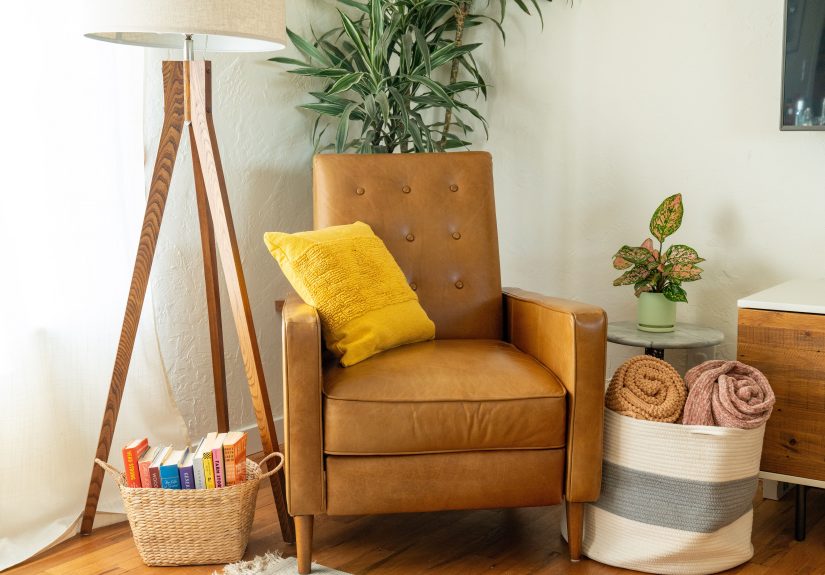
Woven baskets look warm and stylish in living rooms, bedrooms, and entryways. Cotton rope baskets are soft, lightweight, and great for blankets, stuffed animals, or nursery items. Plastic baskets work well in bathrooms, laundry rooms, and pantries because they are easier to wipe clean and better suited to damp or spill-prone areas. Wire baskets can be useful where visibility matters, such as pantry produce or cleaning supplies, but they may not be ideal for tiny loose items unless lined.
Think About Weight and Handles
If you will pull a basket down from a shelf often, choose one with sturdy handles and a manageable weight. A basket that looks fabulous but is awkward to lift will become annoying fast. Good organization should make life easier, not create a strength-training program.
Avoid the “Mystery Bin” Trap
Very large baskets can be helpful for blankets or laundry, but they are risky for mixed small items. Once a basket becomes a catch-all for unrelated stuff, it stops being storage and starts being a witness protection program for your belongings.
The Best Places to Use Baskets in Your Home
Entryway
The entryway is a clutter magnet because it collects the daily parade of shoes, keys, mail, bags, and outerwear. Use a basket under a bench for shoes, a small basket on a console for sunglasses and keys, and one basket per family member for grab-and-go items. This creates a landing zone and a launching pad at the same time.
Living Room
A living room basket can do heroic work. Use a large floor basket for throws, a medium basket for toys or pet supplies, and smaller baskets on shelves for chargers, magazines, game controllers, and coasters. If your coffee table is constantly wearing clutter like jewelry, a shallow basket or tray can help keep daily essentials in one place without making the room feel busy.
Kitchen and Pantry
Baskets are especially useful for grouping pantry goods by category. Think snacks, baking supplies, breakfast items, potatoes and onions, tea, or lunchbox supplies. In the refrigerator or freezer, bins and baskets can help separate categories so you are not digging past a frozen mystery from 2024. On countertops, one small basket can hold oils, vinegars, or frequently used produce, reducing the temptation to scatter items everywhere.
Bathroom
Bathrooms benefit from baskets because they often lack built-in storage. Use one for extra toilet paper, one for clean towels, one under the sink for backup toiletries, and a smaller one for daily skincare or hair tools. Matching baskets can make even a tiny bathroom look much more polished.
Bedroom
Bedrooms collect clutter quietly, like introverts with grudges. A basket on the dresser can hold accessories, a lidded basket can hide miscellaneous personal items, and under-bed baskets can store extra linens or out-of-season clothing. In kids’ rooms, baskets are a lifesaver for books, toys, costumes, and random treasures that apparently must be kept forever.
Laundry Room
Use baskets to sort laundry by person, color, or fabric type. Smaller baskets can hold detergent, dryer sheets, stain removers, and clothespins. If you have open shelving, baskets make the room look far less chaotic while keeping supplies close at hand.
Closets
Closets become more functional when baskets store accessories, handbags, scarves, socks, workout gear, or folded overflow items. They also help use vertical shelf space more efficiently. Instead of unstable piles that collapse when you breathe near them, you get contained, easy-to-access categories.
Smart Basket Organizing Rules That Actually Work
Group Like With Like
One basket for pet supplies. One for board games. One for guest toiletries. One for charging cords. When a basket has a single category, everyone in the house knows what belongs there and what does not.
Label What You Can
Labels are not just for people with alphabetized spice racks and suspiciously perfect handwriting. They reduce decision fatigue and help other people put things back correctly. Even a simple tag like “Snacks,” “Cleaning Cloths,” or “Winter Accessories” can keep a system from falling apart.
Store Near the Point of Use
If people use blankets in the living room, store them in the living room. If sunscreen is always needed by the back door, keep it there. Good systems reduce the distance between using an item and putting it away. The shorter the trip, the better your chances of staying tidy.
Use Vertical Space
Baskets on shelves, cubbies, stacked units, and wall-mounted storage can help you take advantage of height, not just floor area. This is especially helpful in small homes and apartments where every square inch has to earn its keep.
Do a Five-Minute Reset
Baskets make quick cleanup easier, but they still need maintenance. Spend five minutes each evening returning items to their proper homes. This small habit keeps one tidy basket from gradually turning into a chaotic junk nest.
Common Basket Organizing Mistakes to Avoid
Buying baskets before decluttering: This often leads to storing things you do not need.
Choosing style over function: Beautiful baskets are great, but not if they snag clothes, tip over, or waste shelf space.
Making one basket do too much: Mixed categories create confusion and mess.
Ignoring maintenance: Even the best system needs occasional resetting.
Using baskets as a substitute for decisions: A basket is a tool, not a magical portal where clutter goes to become solved.
Easy Basket Ideas for Every Budget
You do not need a luxury organizing budget to make this work. Start with what you already have. Repurpose unused gift baskets, thrifted woven baskets, basic plastic bins, or even sturdy cardboard containers covered in fabric. Focus on consistency of function, not perfection of appearance.
If your budget is small, organize the most visible or most frustrating spots first. One basket for the entryway, one for blankets, one for pantry snacks, and one for bathroom backups can already make a noticeable difference. Once those systems prove useful, expand gradually.
This approach also helps you test what types of baskets your home actually needs. Maybe you discover you need soft baskets for the nursery, washable baskets for the pantry, and slimmer baskets for closet shelves. Better to learn that over time than to buy a matching set that looks great but works like a prank.
How Baskets Make a Home Feel Better, Not Just Look Better
There is a mental benefit to this kind of organization. A less messy home often feels less stressful because the space demands less attention. When your counters are clearer and your essentials are easier to find, daily routines become smoother. Mornings are less frantic. Cleanup takes less time. You stop wasting energy searching for the tape, the charger, the dog leash, or the extra hand soap that you definitely bought but somehow vanished.
In that sense, organizing with baskets is not only about décor or storage. It is about reducing friction in everyday life. The right basket in the right place quietly helps your home support you better.
Real-Life Experiences With Organizing a Home Using Baskets
When people start organizing with baskets, they often expect one dramatic before-and-after moment. In real life, the experience is usually less television makeover and more “Wait a second, why is my house suddenly easier to live in?” That is the beauty of baskets. They do not have to be flashy to be effective.
One common experience happens in the entryway. Before baskets, shoes drift everywhere, reusable bags multiply like rabbits, and keys vanish with astonishing confidence. After adding a shoe basket under a bench and a small catch-all basket on a table, the space begins to calm down. It is not that no one ever drops things anymore. It is that dropped things finally have a nearby home. The difference feels small at first, then surprisingly huge after a week of not hunting for keys.
Families with children often notice the biggest improvement in the living room. Toys still come out, of course. Children remain committed to the ancient art of spreading tiny objects across large surfaces. But a few labeled baskets make cleanup dramatically faster. Instead of negotiating with every individual block, doll shoe, and action figure, parents can say, “Books in this basket, toys in that basket, art supplies in the other one.” It simplifies the process for adults and makes the system easier for kids to follow.
Another familiar experience shows up in the pantry. Before baskets, snack bags collapse into one another, onions roll around like they are training for a marathon, and duplicate items hide in the back until they become archaeological finds. Once categories are placed into baskets, grocery shopping gets easier because you can actually see what you have. Meal prep speeds up too. You stop opening five cabinets to make one sandwich like it is a competitive event.
People also talk about the emotional relief that comes from using baskets in bathrooms and bedrooms. Extra products, tangled cords, hair tools, lotions, medications, and random odds and ends create a low-level sense of chaos when they are always visible. Put them into well-chosen baskets, and the room instantly feels calmer. Not perfect. Not museum-ready. Just calmer. That matters more than people expect.
Perhaps the most useful long-term lesson is that baskets work best when they reflect real habits, not fantasy habits. A basket by the sofa for remotes and chargers works because that is where those items naturally end up. A basket near the back door for dog gear works because that is where the daily routine happens. Good basket organization is less about forcing a lifestyle and more about supporting the life you already live.
That is why so many people stick with basket systems once they try them. They are forgiving, movable, and easy to update. You do not need a full home reset to begin. One basket in one trouble spot can start the change. Then another. Then another. Before long, the house feels less messy not because you became a different person overnight, but because your stuff finally got better directions.
Conclusion
If you want a home that feels tidier without becoming fussy or hard to maintain, baskets are one of the smartest organizing tools you can use. They hide visual clutter, create simple categories, and make it easier to put things away quickly. The key is to use them intentionally: declutter first, measure carefully, match the basket to the room, and give every basket a clear purpose.
You do not need dozens of containers or a picture-perfect pantry to make progress. Start with the spaces that annoy you most. Use baskets where clutter naturally lands. Build systems around your real routine. That is how a messy home becomes a calmer one, one basket at a time.