Table of Contents >> Show >> Hide
- What Trader Joe’s Recalled
- Why These Recalls Got So Much Attention
- What Are Foreign Material Recalls?
- How Serious Is a Recall Like This?
- What Customers Should Do
- Why Recalls Can Be a Good Sign
- The Supplier Factor: Why Store Brands Are Complicated
- Food Safety Lessons from the Trader Joe’s Recalls
- How to Build a Recall-Ready Kitchen
- What This Means for Trader Joe’s
- Consumer Experience: What a Recall Feels Like at Home
- Conclusion
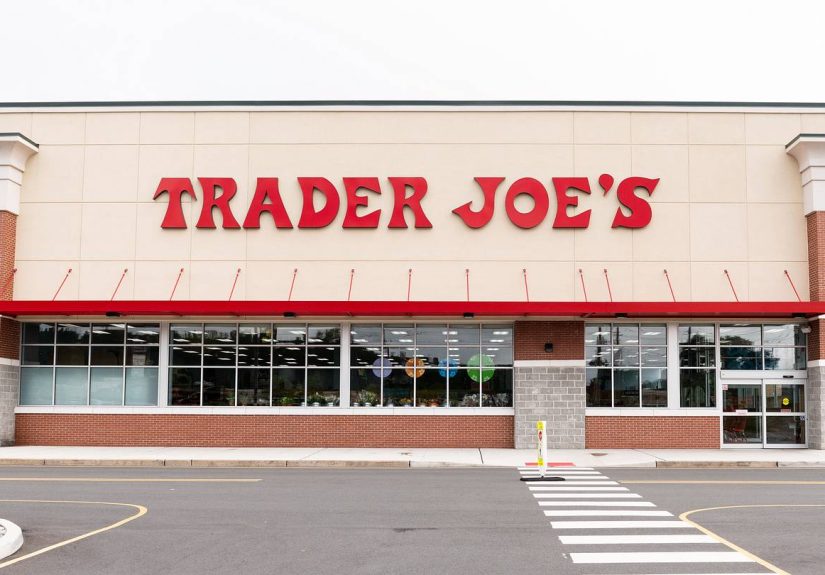
Trader Joe’s shoppers are famously loyal. They will cross town for Everything but the Bagel Seasoning, defend cookie butter like it is a family heirloom, and somehow turn a frozen appetizer into a personality trait. But even the most devoted fans had to pause when the grocery chain added two more items to its recall list: Fully Cooked Falafel that may contain rocks and Unexpected Broccoli Cheddar Soup that may contain insects.
That is not the kind of “crunch” anyone wants in a quick lunch.
The recalls came during a rough stretch for Trader Joe’s, following earlier notices involving cookie products that may also have contained rocks. While food recalls are not unusual in the United States, the combination of falafel, soup, insects, and rocks created the kind of headline that makes people check their freezers with the seriousness of a detective searching for evidence.
This article breaks down what happened, which products were involved, why foreign materials sometimes end up in packaged foods, what customers should do, and what this episode says about modern food safety.
What Trader Joe’s Recalled
The two major products added to the recall list were Trader Joe’s Fully Cooked Falafel and Trader Joe’s Unexpected Broccoli Cheddar Soup. Both were pulled because suppliers alerted the company to possible foreign material contamination.
Trader Joe’s Fully Cooked Falafel
The Fully Cooked Falafel recall involved a frozen, ready-to-heat product sold under SKU number 93935. Trader Joe’s said the falafel may contain rocks. The affected product was removed from sale, and customers were advised not to eat it. Instead, shoppers were told to throw it away or return it to any Trader Joe’s location for a full refund.
Falafel is supposed to be crispy on the outside and soft inside. It is not supposed to deliver the dental experience of biting into a gravel driveway. Because hard objects can cause injury, even a small possibility of contamination is enough to trigger a serious response.
Trader Joe’s Unexpected Broccoli Cheddar Soup
The soup recall involved Trader Joe’s Unexpected Broccoli Cheddar Soup, SKU number 68470. The issue was insects found in frozen broccoli florets used in the soup. The affected soup carried use-by dates ranging from July 18, 2023, through September 15, 2023, and was distributed in several states.
The word “unexpected” is part of the product name, but this was clearly not the intended surprise. Customers were again told not to consume the product and to discard it or return it for a refund.
Why These Recalls Got So Much Attention
Food recalls happen regularly, but this one stood out because of the vivid details. “May contain rocks” and “may contain insects” are not phrases shoppers expect to see attached to popular grocery items. They are also easy to understand. You do not need a food science degree to know that soup should not include bugs and falafel should not include stones.
The timing also mattered. The falafel and soup recalls came shortly after Trader Joe’s recalled two cookie products because of possible rocks. That made the new recalls feel like part of a pattern, even though each product involved a different supplier and production chain.
For a brand built on trust, fun packaging, and affordable specialty foods, repeated recall headlines can sting. Trader Joe’s shoppers often see the store as a place where grocery shopping feels less like an errand and more like a treasure hunt. But nobody wants the treasure to be a pebble.
What Are Foreign Material Recalls?
In food safety language, rocks, insects, plastic, metal, rubber, wood, glass, and similar objects are often described as foreign or extraneous materials. These are things that should not be in the finished food product.
Foreign material contamination can happen at several points in the supply chain. Rocks or sticks may enter with agricultural ingredients harvested from fields. Insects may be present in produce if sorting and washing systems fail to catch them. Plastic or metal pieces may come from equipment, packaging, conveyor belts, tools, or damaged machinery.
Modern food plants use screens, magnets, metal detectors, X-ray systems, visual inspections, and other controls to reduce risk. But food production is fast, complex, and often spread across multiple suppliers. A single packaged product may include ingredients from farms, processors, co-packers, distributors, and retailers before it lands in a customer’s cart.
That does not excuse contamination, but it explains why food safety systems focus on prevention, detection, fast reporting, and quick removal from shelves.
How Serious Is a Recall Like This?
A recall does not always mean people are getting sick. In the Trader Joe’s falafel and soup recalls, public notices stated that no known adverse health effects had been reported at the time. That is good news, but it does not mean the products should be eaten.
Hard objects, including rocks, can present a physical hazard. They may damage teeth or cause mouth injuries. In rare cases, sharp or hard objects can lead to more serious harm. Insects in food are usually more of a contamination and quality issue, but they can still make a product unacceptable and potentially risky depending on the circumstances.
The safest consumer response is simple: do not taste-test recalled food to “see if it is fine.” This is not a reality show challenge. Check the package, confirm whether it matches the recall details, and either return it or throw it away.
What Customers Should Do
If you bought Trader Joe’s Fully Cooked Falafel or Unexpected Broccoli Cheddar Soup during the affected period, the first step is to check your freezer or refrigerator. Look for the product name, SKU number, lot code, and use-by date.
If the item matches the recall details, do not eat it. Place it in a bag, keep it away from children and pets, and either discard it safely or return it to Trader Joe’s for a refund. Many retailers do not require a receipt for recalled products, especially when the item is store-branded, but it is still helpful to bring the package if you have it.
If you believe you found a foreign object in food, save the package if possible. Record the lot number, best-by date, store location, and any photos of the product. Then contact the manufacturer or retailer. If someone is injured, medical attention should come first.
Why Recalls Can Be a Good Sign
It may sound strange, but a recall can be a sign that the safety system is working. When suppliers, retailers, regulators, or consumers detect a potential hazard, a recall removes the product from circulation. That is far better than ignoring the problem and hoping nobody notices.
Most food recalls in the United States are voluntary, meaning the company initiates the action, often after learning about a possible issue from a supplier, consumer complaint, internal testing, or regulatory review. The FDA or USDA may also request or require action depending on the product and risk.
For shoppers, the best recall system is not one that pretends problems never happen. It is one that identifies issues quickly, communicates clearly, removes affected products, and explains what consumers should do next.
The Supplier Factor: Why Store Brands Are Complicated
Trader Joe’s sells many private-label products, meaning the store brand appears on the package even though outside suppliers often make the food. That model is common across the grocery industry. It helps retailers offer unique products at competitive prices, but it also means the brand depends heavily on supplier quality controls.
When a supplier finds a possible issue, the retailer must act fast. That includes pulling products from shelves, notifying customers, coordinating with regulators, and handling returns. In Trader Joe’s case, the company said potentially affected items were removed from sale and destroyed.
For shoppers, the brand on the package is the brand they trust. Most people do not know which facility produced their falafel or which farm supplied broccoli florets for their soup. They only know they bought it at Trader Joe’s. That is why private-label recalls can be especially sensitive for retailers.
Food Safety Lessons from the Trader Joe’s Recalls
The biggest lesson is that food safety does not end at the checkout line. Consumers should stay alert for recall notices, especially for refrigerated and frozen foods that may sit at home for weeks or months.
A second lesson is that lot codes matter. Many recalls do not apply to every version of a product. They apply to specific production dates, package sizes, use-by dates, or distribution areas. Throwing away every soup in America would be dramatic, expensive, and unnecessary. Checking the label is the practical move.
A third lesson is that brand reputation can change quickly. Trader Joe’s is popular because it feels friendly, quirky, and curated. But food safety problems remind shoppers that even beloved brands operate within a huge and imperfect supply chain.
How to Build a Recall-Ready Kitchen
You do not need to become a full-time pantry auditor, but a few habits can make recalls easier to handle.
First, avoid throwing away packaging immediately for frozen or refrigerated prepared foods. If you transfer food into containers, take a quick photo of the label first. That image can help you identify lot codes and dates later.
Second, rotate older products to the front of the freezer. This reduces the chance that recalled food gets buried behind a bag of peas from three presidential administrations ago.
Third, check recall alerts from retailers you shop at often. Many stores post food safety updates online and in stores. If you use a loyalty account or email subscription, you may also receive direct notices.
Finally, trust your senses, but do not rely on them completely. A rock may be visible. An insect may not be. Bacteria, allergens, or chemical contamination may not change the smell, color, or taste of food at all. Recall notices matter because not every hazard announces itself politely.
What This Means for Trader Joe’s
Trader Joe’s still has a strong fan base, but repeated recalls create a trust test. Customers may forgive a single recall. They may even appreciate transparency. But when several notices appear close together, shoppers naturally ask whether quality control is strong enough.
The company’s best path forward is clear communication, strong supplier review, and visible accountability. Customers do not expect perfection from grocery stores, but they do expect speed, honesty, and a refund when something goes wrong.
In the long run, the impact depends on whether shoppers view the recalls as isolated supplier problems or signs of a broader quality issue. Trader Joe’s has built years of goodwill through distinctive products and a friendly shopping experience. Protecting that goodwill means treating food safety not as a legal box to check, but as part of the brand promise.
Consumer Experience: What a Recall Feels Like at Home
For many shoppers, a food recall starts with a headline and a tiny moment of panic. You read the product name, squint at the photo, and think, “Wait, did I buy that?” Then comes the freezer expedition. You open the drawer, move the frozen waffles, dodge a falling bag of edamame, and discover that yes, you might be the proud owner of the recalled item.
The experience is annoying, but it is also revealing. Most of us shop on autopilot. We trust familiar labels, favorite stores, and products we have bought before. That trust is useful because nobody has time to investigate every chickpea ball like it is applying for a security clearance. But recalls remind us that a little attention goes a long way.
A practical approach is to treat recall checks like smoke detector batteries: not fun, but worth doing. Keep packaging until the food is finished. Take photos of labels for frozen items. When a recall appears, compare the exact product details before overreacting. The product name alone is not always enough. Size, SKU, lot number, and use-by date can make the difference between “throw it out” and “your dinner is safe.”
Parents, roommates, and busy workers face a special challenge because food moves around the home. Someone may toss the box, another person may reheat leftovers, and nobody remembers the use-by date. In shared kitchens, a quick group message can prevent confusion: “Do not eat the broccoli cheddar soup until we check the label.” It is not glamorous, but neither is discovering a recall after lunch.
There is also an emotional side. People feel betrayed when a trusted food brand disappoints them. That reaction is normal. Food is personal. We feed it to children, guests, partners, and ourselves after long days when cooking from scratch is simply not happening. When a product is recalled, the brand is not just correcting inventory; it is repairing confidence.
The best consumer mindset is calm but firm. Do not panic, do not eat the product, and do not shrug it off. Return it, report any problem, and pay attention to future notices. A recall does not mean every product from a store is dangerous. It means a specific risk was identified and action was taken. That distinction matters.
In the case of Trader Joe’s falafel and soup, the situation became memorable because the contaminants sounded so strange. Rocks and insects are headline magnets. But the deeper story is about supply chains, prevention, and the everyday responsibility shared by food companies, regulators, retailers, and shoppers. The grocery aisle may look simple, but behind every frozen meal is a long chain of decisions. When one link fails, the recall system is supposed to catch it before dinner does.
Conclusion
The Trader Joe’s falafel and soup recalls were unusual, attention-grabbing, and understandably unpleasant. Fully Cooked Falafel may have contained rocks, while Unexpected Broccoli Cheddar Soup may have contained insects. Both products were pulled, and customers were advised not to eat them.
For consumers, the takeaway is straightforward: check labels, follow recall instructions, and return or discard affected products. For Trader Joe’s, the lesson is bigger. A beloved brand can survive recalls, but only if it responds quickly, communicates clearly, and keeps tightening the safety net around its suppliers.
Food recalls are not going away. Packaged food production is too large, too fast, and too complex for zero risk. But shoppers can protect themselves by staying informed, keeping product details handy, and treating recall notices as useful safety tools rather than background noise.
Note: This article is written for informational web publishing and summarizes publicly reported recall details. Consumers should always check current retailer and regulator notices for the latest recall information.