Table of Contents >> Show >> Hide
If your brain likes to throw raves at 3 a.m. in the form of throbbing migraine pain, it’s time to have a serious talk with your nighttime routine. While you can’t control everything about migraine (if only), you can stack the deck in your favor before you go to bed. Think of your evening as the pre-game show for your nervous system: what you do in the hours before sleep can make tomorrow’s head either peaceful or pounding.
This guide walks you through a migraine-friendly nighttime routine, grounded in advice from neurologists, headache specialists, and migraine foundations in the U.S. It’s not a magic cure, and it’s definitely not a substitute for medical care, but it can help reduce how often and how intensely those headaches show up.
Why Nighttime Matters So Much for Migraine Brains
Migraine and sleep have a messy, codependent relationship. Poor sleep can trigger migraine attacks, and migraine attacks can wreck your sleep. Many people with migraine notice that a lot of their attacks hit in the early morning hours, which may be tied to changes in hormones, pain pathways, and circadian rhythms while you sleep.
Headache and migraine experts often use simple acronyms to explain lifestyle prevention, like SEEDS (Sleep, Exercise, Eat, Diary, Stress) or SMART (Sleep, Meals, Activity, Relaxation, Triggers). Sleep is always in the first position for a reason: a consistent sleep–wake pattern and a calming bedtime routine can help reduce attack frequency for many people.
Good news: you don’t have to build a 37-step health influencer routine. A realistic, migraine-friendly nighttime routine just means doing a few key things in roughly the same order most nights so your brain learns, “Oh, this is the part where we calm down and don’t stage a headache uprising.”
Your Migraine-Friendly Nighttime Routine (Timeline Style)
3–4 Hours Before Bed: Set Up Tomorrow’s Head
This is the “quiet prep” phase. You’re not winding down yet, but you’re making choices your future self will thank you for.
- Keep meals consistent and not too late. Many migraine guidelines recommend regular meals and avoiding heavy, late-night dinners. Big or spicy meals right before bed can mess with sleep and may trigger attacks for some people. Try to finish eating 3–4 hours before bedtime when you can.
- Watch out for your personal trigger foods. Common culprits (for some people) include aged cheeses, processed meats, alcohol, and artificial sweeteners, but food triggers are highly individual. A simple headache diary can help you notice patterns over time.
- Balance caffeine. Caffeine is a migraine frenemy: a little may help some headaches; too much or sudden withdrawal can trigger them. Try to cut off caffeine by mid-afternoon so you’re not lying awake with both a buzzing brain and a throbbing one.
- Hydrate like a reasonable person, not a camel. Dehydration can be a headache trigger, but chugging a liter of water at 10 p.m. just guarantees bathroom trips all night. Sip fluids steadily through the day, then ease up in the last couple of hours before bed.
Think of this as “migraine budgeting.” You’re smoothing out the big spikesblood sugar swings, caffeine swings, and hungerso your nervous system doesn’t have as many reasons to protest overnight.
1–2 Hours Before Bed: Start the Wind-Down Mode
This is where the routine really starts. You’re sending your brain clear signals that the day is ending and the “migraine-unfriendly” noise, light, and stress are dialing down.
- Dim the lights and tame the screens. Blue light from phones, tablets, and laptops can interfere with melatonin, the hormone that helps you fall asleep. Many migraine resources recommend minimizing bright screens within an hour or two of bedtimeespecially close to your face.
- Pick a calm activity. Think slow and soothing: reading a light book, listening to gentle music, stretching, or a warm (not scalding) shower. These activities help your nervous system downshift from “alert and scrolling” to “tired and okay.”
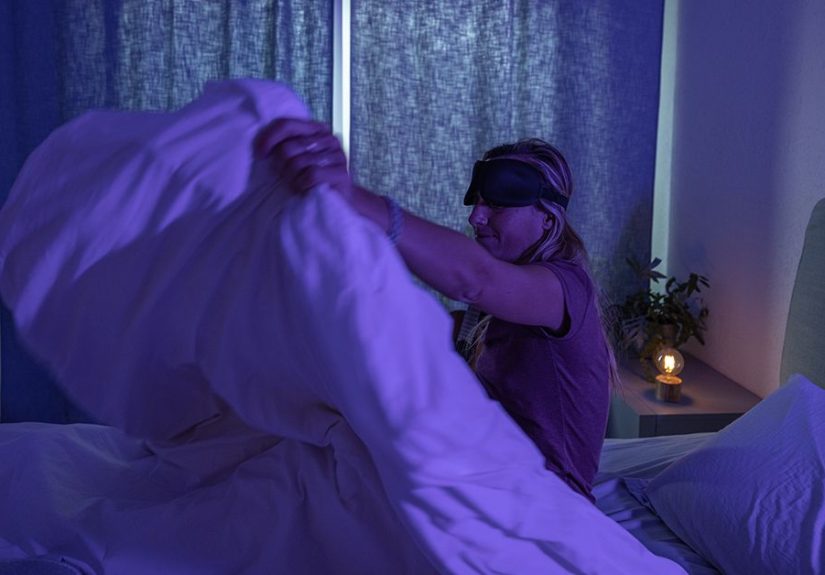
- Create a migraine-friendly sleep environment. As much as possible, keep your bedroom dark, quiet, and cool. Blackout curtains, eye masks, earplugs, or a white noise machine can be game changers if light and sound trigger you.
- Prep meds and tools you might need. If you use prescribed acute migraine meds, a cold pack, a wearable neuromodulation device, or a mouthguard for teeth grinding, keep them by your bedside so you aren’t rummaging around under bright lights in the night.
You don’t have to do all of this perfectly every day. Aim for “mostly consistent” and “good enough,” not “Instagram-worthy nighttime routine tour.”
45–60 Minutes Before Bed: Relax Your Brain and Body
Now we’re in the dedicated “chill zone.” This is where you build habits that calm your nervous system directly.
- Try relaxation techniques. Deep breathing, progressive muscle relaxation, guided imagery, or gentle yoga can lower stress and muscle tensiontwo big migraine contributors. Many headache guidelines highlight stress management and relaxation as core tools for prevention.
- Stretch your neck and shoulders. If your muscles spend all day hunched over a screen, they may be adding to headache intensity. A short, gentle stretch series (no pain, no ambitious gymnastic moves) can ease tension.
- Do a quick “brain dump.” If your thoughts race when your head hits the pillow, keep a notebook at your bedside and jot down tomorrow’s to-do list or worries. You’re telling your brain, “Don’t worry, it’s written down; you can stop sending push notifications now.”
- Consider supplements only with medical guidance. Some people with migraine use things like magnesium or melatonin in the evening, under the direction of a healthcare professional. These can interact with medications or conditions, so always check with your provider before starting anything new.
Pick one or two of these that you actually like. If your routine feels like punishment, you won’t keep it upand consistency is where the migraine magic tends to happen.
Bedtime: Protect Your Sleep Like It’s a Treatment
When you finally get into bed, your goal is to make sleep as stable and predictable as possible.
- Stick to a scheduleyes, even on weekends. Migraine experts strongly recommend going to bed and waking up at roughly the same time every day. Big swings (like staying up way late or sleeping in hours longer) can trigger attacks, including the infamous “weekend migraine.”
- Reserve the bed for sleep (and maybe one other activity). Try not to work, scroll endlessly, or eat in bed. Your brain should associate your bed with rest, not group chats and spreadsheet drama.
- Cool, quiet, and comfy. If you wake up with neck pain or headache, consider whether your pillow or mattress might be part of the problem. Sometimes a different pillow height or better neck support can help reduce tension headaches that layer onto migraine.
Think of this as giving your brain the same schedule every night so it has fewer surprises to react to. Migraine hates unpredictability.
If You Wake Up During the Night
Middle-of-the-night awakenings happen to everyone, but they can be particularly frustrating when you live with migraine.
- Keep lights low. If you need to get up, use the dimmest light you safely canbright overhead light can be a trigger for some people.
- Avoid doom-scrolling. Checking the time repeatedly or grabbing your phone makes it harder to fall back asleep and slams blue light into your face. If you can’t sleep, try a calm audio (like a boring podcast, white noise, or guided relaxation) instead of visual content.
- Use your tools, if needed. If you feel a migraine coming on and you’ve been given guidance on using acute medication or non-drug tools at night, follow your treatment plan and any limits your provider has set.
If frequent night awakenings, loud snoring, gasping, or breathing pauses are part of the picture, talk with a healthcare professional about screening for a sleep disorder such as sleep apnea, which is more common in people with headache disorders and can worsen migraine.
Building a Routine You Can Actually Stick To
A great nighttime routine for migraine is less about perfection and more about patterns. Here’s how to make yours realistic:
1. Start Small (Tiny Habits Win)
Instead of trying to overhaul your entire evening in one go, pick one or two habits to focus on for a week or two. For example:
- Turn off bright screens 30 minutes earlier than usual.
- Go to bed and wake up at the same time every day, within a 30-minute window.
- Add a 5-minute relaxation or stretching practice before bed.
Once those feel automatic, you can stack on another habit. You’re training your nervous system gradually, not cramming for an exam.
2. Customize for Your Triggers and Lifestyle
No two migraine brains are exactly alike. Someone sensitive to light may need blackout curtains and a soft sleep mask; someone whose primary trigger is stress might get the most benefit from a nightly relaxation practice and saying “no” to that extra late-night work project.
Track your sleep, routines, and headache patterns for a few weekseither in a migraine app, a note on your phone, or a paper diary. Look for “cause-ish” patterns, not perfection: maybe you notice you tend to wake with headaches after late dinners, or after nights you fall asleep with the TV on. Those are clues you can use to tweak your routine.
3. Combine Lifestyle Changes With Your Treatment Plan
Lifestyle changeslike better sleep, stress management, and regular mealsare meant to complement, not replace, medical treatment. Preventive medications, neuromodulation devices, cognitive behavioral therapy, and other evidence-based therapies can work together with your nighttime routine to reduce migraine burden over time.
If your migraine attacks are frequent, disabling, or changing suddenly, or if you’re using quick-relief medications more days than not, that’s a sign to loop in a healthcare professional (ideally one with experience in headache medicine) for a personalized plan.
Warning Signs: When a “Headache” Is an Emergency
Most migraines are miserable but not dangerous. However, you should seek urgent medical care (emergency department or emergency services) if you notice:
- A sudden, severe headache that feels like “the worst headache of your life.”
- Headache with weakness, confusion, trouble speaking, vision loss, or trouble walking.
- Headache with fever, stiff neck, rash, or after a head injury.
- A major change in your usual migraine pattern (for example, very different aura symptoms or new neurologic symptoms).
These can signal serious conditions that need immediate evaluation. This article is not medical advice and can’t replace care from a licensed professional, but it can help you ask better questions and build better habits.
Real-Life Nighttime Routine Experiences: What Actually Helps People
Advice is nice, but lived experience hits differently. Here’s a “composite” of stories many people with migraine share about building a nighttime routine that actually sticks.
Meet Alex. Alex is in their 30s, works a demanding job, and spent years waking up with brutal morning migraines. Nights used to look like this: late dinner, laptop on the couch, scrolling on the phone in bed, and falling asleep somewhere between “just one more email” and “why is it already midnight?”
Over timeand with nudges from a neurologistAlex started treating sleep like medicine. The first change wasn’t glamorous: they set a consistent bedtime and wake time, including weekends. At first, it felt unfair (why do I have to live like a cartoon character with a fixed schedule?), but after a few weeks, the early-morning migraines started to space out.
Next, Alex made a “9:30 rule”: no work email or heavy mental tasks after 9:30 p.m. They moved the phone charger across the room and used an old-school alarm clock so the bed wasn’t also the Work and Internet Control Center. They dimmed apartment lights after 9 p.m. and switched to an e-reader with warm, low light for half an hour of easy reading.
They also added a five-minute stretching routine that focused on the neck and shoulders, plus a brief breathing exercise. At first, it felt awkward (“Am I doing this right?”), but they stuck with it because it was short, simple, and didn’t require floor space or special clothes.
On nights when anxiety flared, Alex kept a notebook close. They’d write down any “important thoughts” as bullet points, promising themselves they’d deal with them tomorrow. It turned out their brain just wanted reassurance that nothing would be forgotten.
Food-wise, Alex shifted dinner a little earlier and started keeping easy, migraine-safe snacks on hand for evenings when they got home late: yogurt, bananas, nuts, or toast instead of takeout heavy enough to require a nap after bedtime.
Did this routine make every migraine disappear? No. Stressful weeks, weather changes, and hormones still triggered attacks. But after a few months, Alex noticed:
- Fewer early-morning migraines.
- Shorter, less brutal attacks when they did happen.
- More mental energy during the dayless “migraine-and-sleep-hangover.”
Most importantly, Alex felt less helpless. Migraine can make you feel like your brain is a hostile landlord. Having a nighttime routine gave them a sense that they were at least negotiating better lease terms.
Many people report similar patterns: the biggest wins don’t come from one dramatic change but from a handful of small, consistent habits. Different details, same theme: when evenings are calmer and more predictable, mornings are less likely to start with a migraine ambush.
If you live with migraine, you absolutely deserve solid, restorative sleep and less painful mornings. You might not get perfectionbut a thoughtful nighttime routine can shift the odds in your favor, one quiet evening at a time.