Table of Contents >> Show >> Hide
- What Makes Casa Pueblo in Tulum So Distinctive?
- The Mayan Coast Setting: Why Tulum Changes the Design Conversation
- Hacienda Style, Reimagined for Modern Travelers
- Why Minimalism Works So Well in Tulum
- The Guest Experience: Slow Mornings, Easy Afternoons, Stylish Evenings
- Casa Pueblo vs. the Big Tulum Resort Experience
- Design Lessons From Casa Pueblo
- What to Know Before Staying at Casa Pueblo
- Conclusion: Why Casa Pueblo Still Feels Fresh
- Extended Experience: Living the Casa Pueblo Rhythm in Tulum
Casa Pueblo in Tulum is the kind of hotel that makes minimalism feel less like a design rulebook and more like a deep exhale. Set in Tulum Pueblo, away from the louder beachfront scene but still close enough for a bike ride to the sea, this hacienda-style boutique hotel has become a quiet icon for travelers who want architecture, atmosphere, and a little Caribbean magic without the “look at me” megaphone.
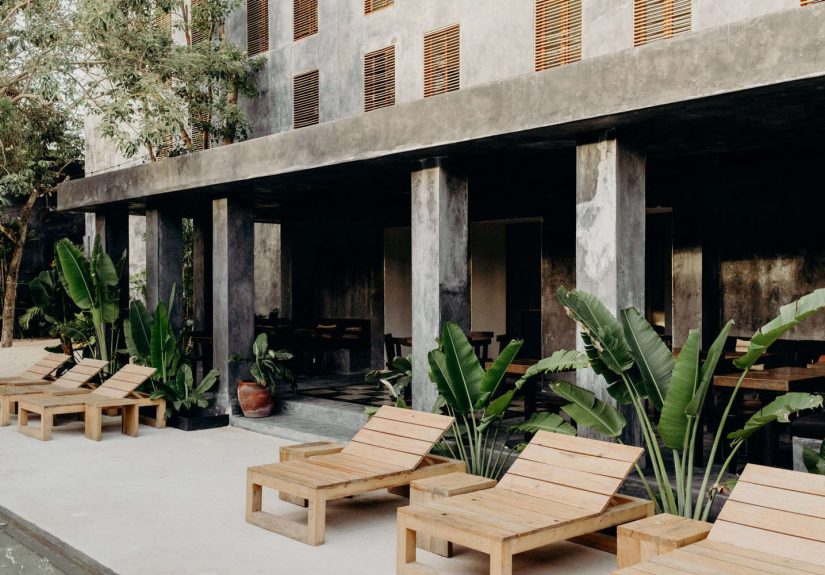
On the Mayan Coast, where jungle heat, limestone roads, turquoise water, and ancient ruins all compete for attention, Casa Pueblo takes a different approach. It edits. It softens. It gives the eye a place to rest. Think white plaster walls, dark wood, open-air corridors, tropical greenery, black-and-white tile, hand-sculpted details, and a central atrium that feels like the hotel’s calm heartbeat. If Tulum had a volume knob, Casa Pueblo would politely turn it down to “stylish whisper.”
What Makes Casa Pueblo in Tulum So Distinctive?
Casa Pueblo is not a sprawling resort with golf carts, endless buffet trays, and a lobby large enough to host a small airport. It is a compact, design-led boutique hotel with a strong sense of place. The property is known for its 16-room scale, open-air public spaces, rooftop terrace, saltwater pool, restaurant, and courtyard-centered layout. That intimate footprint is part of the appeal. Instead of overwhelming guests with options, Casa Pueblo gives them a rhythm: wake slowly, drink coffee, wander the atrium, head to the beach or ruins, return sun-dazed, and disappear into cool plaster and shadow.
The hotel’s hacienda inspiration is not costume design. There are no heavy colonial clichés or theatrical antiques thrown around like props. Instead, Casa Pueblo borrows the hacienda’s most useful architectural idea: life organized around a central courtyard. Rooms and walkways surround an airy interior space, allowing daylight, breeze, and greenery to shape the guest experience. It is old-world logic, edited through a modern minimalist lens.
The Mayan Coast Setting: Why Tulum Changes the Design Conversation
Tulum is not just another beach town with good lighting, although it absolutely understands its angles. Located on Mexico’s Caribbean coast in Quintana Roo, Tulum is known for its Maya archaeological site, cenotes, white-sand beaches, jungle roads, and proximity to the Sian Ka’an Biosphere Reserve. The destination is split into different personalities: the beach zone, the town center known as Tulum Pueblo, emerging residential areas, and the surrounding natural and cultural sites.
Casa Pueblo’s downtown location matters. Staying in Tulum Pueblo gives travelers easier access to local restaurants, shops, bike rentals, and day-trip routes. It also places the hotel slightly apart from the beach club energy, which can be beautiful, expensive, and occasionally louder than a blender full of coconuts. This separation gives Casa Pueblo its signature mood: connected to Tulum, but not swallowed by it.
Hacienda Style, Reimagined for Modern Travelers
The Courtyard as the Soul of the Hotel
The central atrium is Casa Pueblo’s defining gesture. Rooms open toward it, stairs frame it, plants soften it, and the checkerboard tile floor gives it a graphic punch. A tree rising through the space adds vertical drama without trying too hard. The effect is both social and serene. Guests can pass each other naturally, pause with coffee, settle into a built-in lounge, or simply watch the light move across the walls.
This is where the hacienda influence becomes clear. Traditional haciendas often used courtyards as organizing devices for climate, circulation, and daily life. Casa Pueblo translates that principle into a boutique hotel language. The courtyard is not just pretty. It cools the mood, encourages interaction, and creates a sense of retreat even in an urban setting.
Materials That Do the Talking
Minimalism can go wrong when it becomes cold, blank, or suspiciously similar to an empty storage unit. Casa Pueblo avoids that trap through texture. Smooth plaster, polished concrete, dark wood, woven elements, slatted shutters, built-in daybeds, clay vessels, and tropical plants keep the design warm. The palette is restrained, but the surfaces are alive.
The rooms continue the same idea. Expect a soothing mix of whites, creams, natural wood, oversized beds, clean-lined furniture, rain showers, and handcrafted lighting. Nothing feels cluttered. Nothing seems random. The design says, “You packed too much,” but in a kind and deeply accurate way.
Light, Shadow, and the Tulum Climate
On the Mayan Coast, sunlight is not a decorative accessory. It is a main character. Casa Pueblo uses shade, corridors, slatted openings, and thick-feeling surfaces to manage that brightness. Morning light moves softly across stairs and walls. Afternoon shadows stretch across tile. At night, warm lighting gives the courtyard a cinematic glow. The result is architecture that feels responsive rather than imposed.
Why Minimalism Works So Well in Tulum
Tulum is visually intense. The sea is absurdly blue. The jungle grows with confidence. Restaurants serve food that looks like it has a personal stylist. Beach clubs can turn a simple lunch into a full theatrical production involving candles, linen, mezcal, and at least one person wearing a hat with emotional range.
Minimalism provides balance. At Casa Pueblo, the design creates a buffer from the destination’s sensory overload. After a day of cycling dusty roads, swimming in cenotes, exploring ruins, or navigating the beach zone, guests return to a space that feels clean, cool, and controlled. That restraint is not boring. It is restorative.
There is also a sustainability-adjacent intelligence to using fewer, better things. Casa Pueblo has been associated with reduced plastic use, purified water in glass bottles, organic amenities, and a general preference for simplicity over excess. While travelers should always verify current practices before booking, the hotel’s design philosophy clearly leans away from disposable luxury and toward thoughtful essentials.
The Guest Experience: Slow Mornings, Easy Afternoons, Stylish Evenings
A good stay at Casa Pueblo begins slowly. Morning in the atrium is one of the property’s quiet pleasures. The air is soft, the plants look freshly applauded by the sun, and the building feels awake before the guests are. Coffee becomes less of a beverage and more of a tiny ceremony. You sit, you sip, you reconsider every overstuffed itinerary you have ever created.
From there, Tulum opens up. The beach is reachable by bike or taxi. The archaeological zone is best visited early, before the heat and crowds start negotiating for dominance. Cenotes offer cool freshwater relief in the surrounding jungle. Sian Ka’an rewards travelers who want a wilder, more ecological side of the region. Casa Pueblo’s town location makes these experiences feel accessible without tying the entire trip to the beachfront corridor.
Back at the hotel, the pool and restaurant provide the easy pleasures. The dining style is casual, fresh, and regionally aware, with dishes that suit Tulum’s health-conscious, comfort-loving crowd. It is the kind of place where breakfast can feel clean and virtuous, lunch can turn into a long conversation, and dinner can happen without anyone needing to change into resort armor.
Casa Pueblo vs. the Big Tulum Resort Experience
Casa Pueblo is best understood as an alternative to the large luxury resort model. It does not try to be everything. It does not offer endless programming, massive spa complexes, or a private stretch of beach. Instead, it focuses on atmosphere, intimacy, and design coherence.
For the right traveler, that is the luxury. You are not paying for spectacle. You are paying for the pleasure of waking up somewhere beautiful, simple, and human in scale. You are paying for a hotel that feels curated without feeling stiff. You are paying for architecture that gives you breathing room.
Design Lessons From Casa Pueblo
Minimalism Needs Warmth
Casa Pueblo proves that minimalism works best when it includes texture and human touch. White walls alone are not enough. The magic comes from the contrast between smooth plaster and rough clay, crisp lines and leafy plants, polished floors and handmade sconces.
A Courtyard Can Be a Social Engine
The atrium does more than look good in photos. It creates natural movement and community. Guests see each other without being forced into awkward “resort activity” situations. No one needs a name tag. Thank goodness.
Location Can Be a Form of Luxury
Being in town rather than directly on the beach gives Casa Pueblo a distinct advantage. It offers access to local life, easier logistics, and a calmer price-to-style ratio than many beachfront properties. For travelers who want to explore rather than simply pose near a palm tree, that matters.
What to Know Before Staying at Casa Pueblo
Casa Pueblo is ideal for design lovers, couples, solo travelers, creatives, and anyone who prefers boutique hotels with a strong identity. It is especially appealing if you like walkable town access, minimalist interiors, and a relaxed social atmosphere. Travelers who require direct beach access, large resort amenities, elevators, or all-inclusive convenience may prefer a different setup.
Because Tulum continues to evolve quickly, practical details can change. Transportation, beach access rules, restaurant hours, and hotel amenities should be confirmed before arrival. The same goes for seasonal issues such as sargassum on Caribbean beaches. A flexible mindset helps. So does sunscreen. So does accepting that bicycles in Tulum are both charming and occasionally a test of spiritual discipline.
Conclusion: Why Casa Pueblo Still Feels Fresh
Casa Pueblo remains compelling because it understands restraint. In a destination famous for drama, it chooses calm. In a place where luxury often gets measured in beachfront square footage, it makes the case for proportion, craft, and atmosphere. Its hacienda-style layout honors regional architectural wisdom while its minimalist design speaks to contemporary travelers who want beauty without clutter.
More than a hotel, Casa Pueblo is a mood: sun-warmed plaster, a quiet atrium, greenery in the corners, a pool waiting after the beach, and rooms that make rest feel intentional. It captures what many travelers hope to find in Tulum but do not always know how to name: simplicity with soul.
Extended Experience: Living the Casa Pueblo Rhythm in Tulum
The best way to understand Casa Pueblo is not to rush through it with a camera in one hand and an iced coffee in the other, although no judgmentTulum has made professional photographers out of people who previously struggled with birthday candles. The real experience begins when you let the hotel slow you down. You notice the way the courtyard changes from morning to evening. You hear footsteps on the stairs, the soft sound of water, the clink of cups from the restaurant, and the low murmur of travelers comparing cenote plans like treasure maps.
A morning at Casa Pueblo feels deliberately unhurried. You wake in a room that is simple enough to keep your mind from immediately opening 47 tabs. The light filters in, the walls remain calm, and the absence of visual clutter becomes strangely luxurious. After a shower, you step into the shared spaces and feel the building doing what good architecture should do: guiding your mood without announcing itself.
By midmorning, Tulum asks you to choose your adventure. A bike ride to the beach brings the classic Caribbean reward: salt air, bright water, and that particular shade of blue that makes every other color feel like it should try harder. A visit to the Tulum ruins adds history to the day, reminding you that this coast has held meaning for centuries longer than the modern boutique hotel scene. A cenote swim offers the opposite of the beach: freshwater coolness, limestone shadows, and the feeling of dropping into the earth’s private swimming pool.
Returning to Casa Pueblo after those excursions is part of the pleasure. The hotel does not compete with the day. It receives you. Sand can be rinsed away. Heat fades. The atrium feels like a reset button. You sit by the pool, order something refreshing, and realize that minimalism is not about having less for the sake of less. It is about making room for what actually matters: rest, conversation, texture, light, and the luxury of not being overstimulated every five seconds.
Evening brings another version of the hotel. The bright architectural lines soften. Shadows deepen. The public spaces become warmer and more intimate. Dinner can be casual, but the setting makes it feel special. You may talk with other travelers, plan a trip to Sian Ka’an, debate whether to wake up early for the ruins, or simply sit quietly and let the day settle. Casa Pueblo is not the loudest place in Tulum, and that is exactly its charm. It gives the destination a pause, a breath, a frame.
For travelers interested in design, the experience offers lasting lessons. You may go home wanting fewer things, better textures, more plants, and perhaps one dramatic checkerboard floor that your landlord may or may not approve. You may also come away with a better understanding of Tulum itself. The best version of the destination is not only found on the beach. It is found in the balance between town and coast, history and modernity, jungle and architecture, movement and stillness. Casa Pueblo captures that balance beautifully.
Note: Hotel services, room details, pricing, transportation options, and local travel conditions can change. Always verify current information directly before booking or planning a trip.