Table of Contents >> Show >> Hide
- What Are Nightshade Vegetables?
- Why Do People Think Nightshades Cause Inflammation?
- Do Nightshade Vegetables Make Arthritis Worse?
- Could Nightshade Vegetables Actually Help?
- The Bigger Question: What Diet Actually Helps Arthritis?
- How to Test Whether Nightshades Bother You
- What to Eat Instead if You Avoid Nightshades
- Nightshades, Weight, and Joint Health
- Common Real-World Experiences With Nightshades and Arthritis
- When to Talk With a Doctor or Dietitian
- Conclusion: Should You Eat Nightshade Vegetables With Arthritis?
Tomatoes have been accused of many things: ruining white shirts, making pizza impossible to eat politely, and apparently starting arguments in arthritis support groups. Along with potatoes, peppers, and eggplant, tomatoes belong to the nightshade family, a group of plants that has developed a surprisingly dramatic reputation among people interested in anti-inflammatory diets.
One popular claim says nightshade vegetables increase inflammation and make arthritis pain worse. Another camp argues that these colorful foods are rich in antioxidants and nutrients that belong in an arthritis-friendly diet. So who deserves the last tomato?
Based on current medical evidence, most people with arthritis do not need to avoid nightshade vegetables. There is no convincing evidence that eating tomatoes, peppers, potatoes, or eggplant routinely causes arthritis inflammation. In fact, these foods provide fiber, vitamins, minerals, carotenoids, and polyphenols that can fit comfortably into an overall anti-inflammatory eating pattern.
That does not mean everyone reacts identically to every food. Individual sensitivities are possible, and carefully testing suspected trigger foods may be reasonable. The important distinction is between a personal reaction and a universal rule.
What Are Nightshade Vegetables?
Nightshades belong to the botanical family Solanaceae, which includes thousands of plant species. Some are edible, some are ornamental, and some are definitely not something you should toss into tonight’s salad.
Common edible nightshades include:
- Tomatoes
- White, red, yellow, and purple potatoes
- Eggplant
- Bell peppers
- Chili peppers, including jalapeños and cayenne peppers
- Tomatillos
Sweet potatoes are frequently thrown into the nightshade conversation by mistake. They belong to a different botanical family and are not nightshades.
Edible nightshades contain naturally occurring plant chemicals, including various alkaloids. These compounds help defend plants against insects and other threats. In potatoes, the best-known steroidal glycoalkaloids include alpha-solanine and alpha-chaconine.
That intimidating chemistry is largely responsible for the nightshade controversy.
Why Do People Think Nightshades Cause Inflammation?
The solanine theory
The theory usually goes something like this: nightshade plants contain alkaloids, alkaloids can be irritating or toxic at high concentrations, and therefore eating nightshade vegetables must trigger inflammation and joint pain.
The problem is the large logical leap in the middle.
Researchers have studied glycoalkaloids because excessive concentrations can indeed cause gastrointestinal and neurological symptoms. Potatoes that have become extensively green, sprouted, damaged, or bitter can contain unusually high glycoalkaloid concentrations and should not be eaten.
Normal culinary portions of properly stored edible nightshades are another story. Major arthritis and rheumatology organizations have not found persuasive human evidence showing that ordinary consumption causes arthritis flares.
Anecdotes are not uselessbut they are not clinical trials
Search online for “nightshades and joint pain,” and you will find people who say eliminating tomatoes transformed their lives. Their experiences should not automatically be dismissed. Food sensitivities and digestive reactions can vary considerably between individuals.
However, an individual improvement cannot prove that nightshades caused the original symptoms. Arthritis naturally fluctuates. Exercise, sleep, stress, infections, medication adherence, overall diet, weather, weight changes, and dozens of other factors can influence how someone feels from one week to another.
This is why controlled research matters.
Do Nightshade Vegetables Make Arthritis Worse?
For the average person with arthritis, current evidence says there is no good reason to automatically remove them.
This applies particularly to the common claim that tomatoes, potatoes, peppers, and eggplant inherently increase rheumatoid arthritis inflammation. Medical reviews and rheumatology guidance repeatedly note that scientific evidence supporting this claim is lacking.
It is also important to remember that “arthritis” is not one disease.
Rheumatoid arthritis
Rheumatoid arthritis, or RA, is an autoimmune inflammatory disease in which the immune system attacks tissues around the joints. Effective treatment typically involves medical therapy such as disease-modifying antirheumatic drugs, along with appropriate lifestyle strategies.
Removing tomatoes cannot replace RA treatment. Untreated or undertreated rheumatoid arthritis may permanently damage joints and can affect other organs.
Osteoarthritis
Osteoarthritis involves structural changes in joints and cartilage and differs biologically from rheumatoid arthritis. Inflammation can still participate in osteoarthritis symptoms, but simply labeling every inflammatory food theory as equally applicable to RA and osteoarthritis oversimplifies two different conditions.
For osteoarthritis, healthy weight management, physical activity, joint protection, and appropriate medical treatment generally have far more evidence behind them than banning nightshades.
Could Nightshade Vegetables Actually Help?
Calling nightshades an arthritis treatment would go too far. There is no clinical evidence showing that eating a bowl of tomatoes will control rheumatoid arthritis disease activity or rebuild an arthritic knee.
What these foods can do is contribute valuable nutrients to a balanced dietary pattern associated with better overall health and potentially lower inflammatory burden.
Tomatoes: more than pizza sauce
Tomatoes are well known for lycopene, a red carotenoid with antioxidant activity. Laboratory and clinical research has explored lycopene’s effects on oxidative stress and inflammatory signaling.
Tomatoes also contribute vitamin C, potassium, water, and other phytochemicals. That makes them perfectly reasonable ingredients in Mediterranean-style meals such as tomato-and-bean salads, vegetable soups, whole-grain pasta dishes, and fish served with tomato-based sauces.
The scientifically responsible conclusion is not “tomatoes cure inflammation.” It is that tomatoes are nutrient-dense plant foods with compounds that make sense within an anti-inflammatory dietary pattern.
Peppers bring vitamin C to the party
Bell peppers are particularly useful sources of vitamin C and contain multiple carotenoids and plant pigments. Vitamin C has important antioxidant functions and is required for collagen production.
Hot peppers contain capsaicin, the compound responsible for their heat. Interestingly, topical capsaicin preparations have been studied for certain types of arthritis pain. That does not mean eating a plate of jalapeños provides the same therapeutic effect, but it is a fun reminder that plants are chemically more complicated than “inflammatory” versus “anti-inflammatory.”
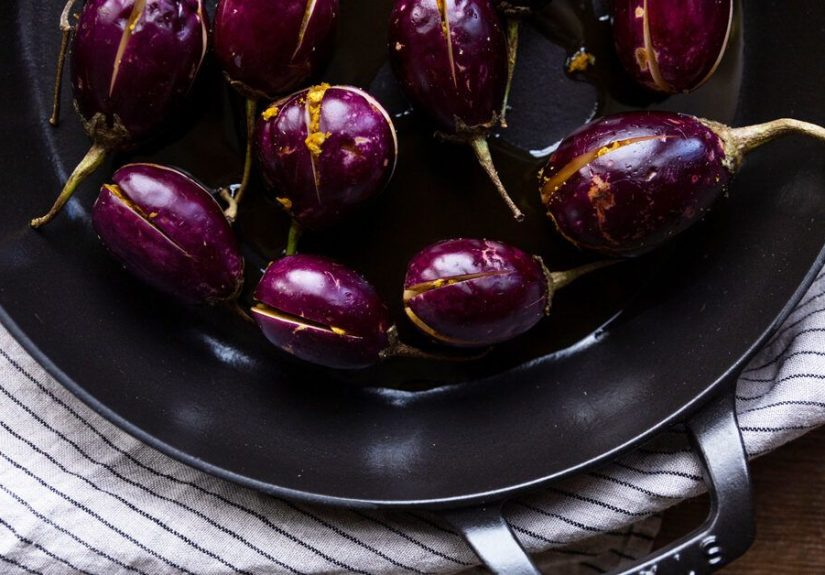
Eggplant provides polyphenols
The purple skin of many eggplants contains anthocyanin pigments, including compounds such as nasunin. Laboratory research has demonstrated antioxidant activity from eggplant anthocyanins.
Again, antioxidant activity in a laboratory does not automatically equal measurable arthritis relief in humans. Still, grilled eggplant drizzled with olive oil has a much stronger nutritional résumé than its reputation on certain elimination-diet forums might suggest.
Potatoes deserve a fair hearing
Potatoes sometimes get nutritional blame because of what people do to them. A baked potato and a giant basket of fries are technically relatives, but nutritionally they lead very different social lives.
Potatoes supply potassium, vitamin C, carbohydrates, and other nutrients. Preparation matters. Baking, roasting, steaming, or boiling potatoes is different from routinely consuming heavily salted, deep-fried potato products.
One genuine safety issue involves green or heavily sprouted potatoes, which may contain elevated glycoalkaloid concentrations. If a potato is extensively green, damaged, strongly bitter, or heavily sprouted, throwing it away is sensible.
The Bigger Question: What Diet Actually Helps Arthritis?
Focusing intensely on one vegetable family may distract from a far more useful question: What does the rest of your diet look like?
Among dietary approaches studied for rheumatoid arthritis, the Mediterranean-style diet has received considerably more support than a nightshade-free diet. The American College of Rheumatology has conditionally recommended a Mediterranean-style eating pattern as part of an integrative approach to RA care.
This eating pattern emphasizes:
- Vegetables and fruits
- Beans and other legumes
- Whole grains
- Nuts and seeds
- Extra virgin olive oil
- Fish and other sources of unsaturated fats
- Moderate amounts of dairy and poultry
- Limited added sugars, refined carbohydrates, highly processed foods, and excessive saturated fat
Notice something suspicious? Tomatoes, peppers, and eggplant are common Mediterranean ingredients. Apparently the Mediterranean diet did not get the memo that they were supposed to be dietary villains.
How to Test Whether Nightshades Bother You
Although routine avoidance is not supported by strong evidence, individual responses matter. If you repeatedly notice increased joint symptoms after eating particular nightshades, a structured experiment is more useful than permanently banning half the produce aisle after one uncomfortable dinner.
Step 1: Keep everything else relatively stable
Record your meals, joint pain, stiffness, swelling, gastrointestinal symptoms, physical activity, sleep quality, and medication use. A food-and-symptom journal makes patterns easier to evaluate.
Step 2: Try a short elimination period
Some arthritis nutrition specialists suggest temporarily eliminating suspected nightshades for roughly two weeks rather than removing them indefinitely.
If you are highly restrictive already, have nutritional deficiencies, have a history of disordered eating, or manage multiple health conditions, discuss elimination diets with a registered dietitian or healthcare professional first.
Step 3: Reintroduce foods individually
Add foods back one at a time rather than celebrating the end of your experiment with tomato soup, eggplant Parmesan, chili peppers, and a baked potato all on the same evening.
Allow enough time between foods to observe whether symptoms consistently return.
Step 4: Look for repeatability
A reaction that occurs once may be coincidence. A reaction that repeatedly follows the same food under similar circumstances is more informative and worth discussing with your healthcare provider.
What to Eat Instead if You Avoid Nightshades
If you discover that certain nightshades genuinely do not agree with you, there is no nutritional law requiring you to eat them. Plenty of alternatives can supply similar nutrients.
For vitamin C, consider citrus fruits, broccoli, strawberries, kiwi, or Brussels sprouts. For potassium, try beans, lentils, squash, yogurt, spinach, or bananas. For carotenoids and colorful phytochemicals, eat carrots, pumpkin, leafy greens, berries, cherries, and other brightly colored produce.
The goal is dietary varietynot winning an argument about tomatoes.
Nightshades, Weight, and Joint Health
Diet can also influence arthritis indirectly through body weight and metabolic health.
Extra body weight places additional mechanical stress on weight-bearing joints such as the knees and hips. Adipose tissue is also biologically active and participates in inflammatory signaling. For people with overweight or obesity and osteoarthritis, even modest weight loss may improve pain and function.
Replacing nutrient-poor, highly processed foods with vegetables, fruits, legumes, whole grains, fish, nuts, and other minimally processed foods can therefore help arthritis management through several pathways that have nothing to do with solanine.
Common Real-World Experiences With Nightshades and Arthritis
Food decisions become clearer when we look at realistic situations rather than internet absolutes. Consider a person with rheumatoid arthritis who notices aching hands after pizza night. It is tempting to blame the tomato sauce immediately. But pizza night may also involve a large refined-flour crust, processed meat, lots of sodium, saturated fat, alcohol, a later bedtime, and less sleep. The tomato is merely standing at the crime scene.
A food diary might reveal that homemade tomato sauce served with beans, vegetables, and whole-grain pasta causes no problem whatsoever. In that case, eliminating tomatoes would solve the wrong mystery.
Another person may experience a different pattern. Imagine someone who regularly eats eggplant, peppers, and tomatoes without difficulty but notices increased digestive discomfort and joint symptoms after large servings of potato dishes. Removing potatoes for a short period and then challenging them again may help determine whether the association is reproducible.
The lesson is personalization without paranoia.
People who experiment with elimination diets often discover something else interesting: paying closer attention to food can improve the entire diet. Someone who temporarily removes nightshades may start cooking more frequently, eating fewer ultra-processed meals, drinking less alcohol, consuming more leafy vegetables, and sleeping more regularly. If joint symptoms improve, the improvement may be realbut identifying exactly which change deserves credit can be difficult.
This is one reason overly restrictive diets can create misleading conclusions. If you simultaneously eliminate nightshades, gluten, dairy, sugar, alcohol, grains, legumes, and processed food and then feel better, you have learned that something about the new pattern works for you. You have not learned that tomatoes were responsible.
Reintroduction is therefore one of the most valuable parts of an elimination experiment. It turns “I felt better on this diet” into a more useful question: “Which individual foods actually changed my symptoms?”
Another common experience involves fear. Someone newly diagnosed with arthritis may encounter a long list of supposedly inflammatory foods online and suddenly feel that nearly every meal is dangerous. That can make healthy eating unnecessarily stressful. A more sustainable strategy is to begin with foods that have positive evidence behind them: colorful produce, whole grains, beans, nuts, seeds, olive oil, and omega-3-rich fish where appropriate.
Then investigate individual triggers only when there is a specific reason to suspect them.
Finally, expectations matter. A person with active rheumatoid arthritis may experiment with diet and experience modest improvements in energy, digestion, or stiffness. Those improvements are worthwhile, but they should not be interpreted as proof that medication is no longer necessary. Diet is best viewed as one part of arthritis management, not as a replacement for evidence-based medical treatment.
In practical terms, someone who enjoys tomatoes, roasted peppers, eggplant, or potatoes and consistently feels fine after eating them has little evidence-based reason to stop. Someone who repeatedly notices symptoms may reasonably investigate further. Both approaches can be rational because individualized nutrition and universal dietary claims are not the same thing.
When to Talk With a Doctor or Dietitian
Contact a healthcare professional if joint pain, swelling, stiffness, or fatigue is new, persistent, or worsening. Early evaluation is particularly important when inflammatory arthritis such as rheumatoid arthritis is possible because prompt treatment can help prevent joint damage.
A registered dietitian can also help design an elimination-and-reintroduction experiment while protecting nutritional adequacy. This can be especially helpful if you are already avoiding several food groups or have diabetes, kidney disease, gastrointestinal disease, food allergies, or other conditions that influence dietary choices.
Conclusion: Should You Eat Nightshade Vegetables With Arthritis?
For most people, yes. Tomatoes, peppers, potatoes, and eggplant can be part of a nutritious arthritis-friendly diet. Current scientific evidence does not demonstrate that nightshade vegetables generally cause arthritis inflammation or that people with rheumatoid arthritis or osteoarthritis need to eliminate them.
Their nutrients may contribute to an overall healthy dietary pattern, although no individual nightshade has been proven to treat arthritis.
If you suspect a personal sensitivity, use a short, structured elimination followed by careful reintroduction instead of assuming that every nightshade is guilty by botanical association.
Above all, put more attention on the dietary pattern with the stronger evidence: plenty of varied plant foods, healthy fats, fiber-rich foods, appropriate protein sources, and fewer highly processed foods. Combine that with medical treatment, physical activity suited to your condition, healthy weight management, good sleep, and guidance from your healthcare team.
Your joints deserve better than nutrition advice based on vegetable family gossip.
Note: This article is for general educational purposes and does not replace individualized medical advice, diagnosis, or arthritis treatment. It was developed from current information provided by major U.S. medical, rheumatology, public-health, and biomedical research organizations.