Table of Contents >> Show >> Hide
- What Is the PP 501 The Chair?
- The Story Behind Hans J. Wegner’s 1949 Masterpiece
- Why It Is Called “The Chair”
- Design Analysis: Why the PP501 Still Looks Modern
- PP501 vs. PP503: What Is the Difference?
- Why the PP501 Matters in Danish Modern Design
- How to Style PP 501 The Chair in a Modern Home
- Buying Notes for Collectors and Design Lovers
- Care and Maintenance
- Why It Still Feels Relevant Today
- Experiences Related to PP 501 The Chair, 1949
- Conclusion
Some chairs are made to hold people. A rare few are made to hold history. Hans J. Wegner’s PP 501 The Chair, 1949, also known as the Round Chair, belongs proudly in the second category. It is calm, confident, beautifully rounded, and so famous in design circles that it eventually earned the simplest nickname imaginable: The Chair. Not “a chair,” not “that nice Danish armchair,” but The Chair. Modest? No. Accurate? Pretty much.
Designed in 1949, the PP501 represents one of the great achievements of Danish modern furniture. It combines sculptural woodworking, honest materials, human comfort, and a visual lightness that still feels fresh more than seven decades later. Its curved back and arms seem to wrap around the sitter without shouting for attention. It is elegant without being fragile, luxurious without being flashy, and simple without being boring. That is a difficult balance to pull off. Many chairs try. This one just sits there and quietly wins.
What Is the PP 501 The Chair?
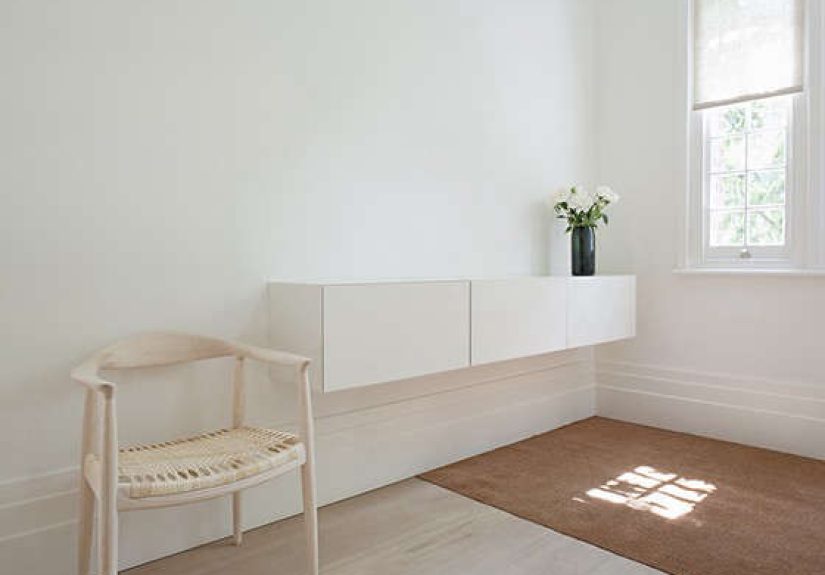
The PP501 is the cane-seat version of Wegner’s Round Chair. It was first associated with the cabinetmaker Johannes Hansen and is now produced by PP Møbler, the Danish workshop closely connected to many of Wegner’s most admired designs. The related PP503 version has an upholstered seat, while the PP501 features natural cane. Both share the same essential silhouette: a continuous-looking curved back and armrest, carefully shaped from solid wood.
The magic of the PP501 is not only in its shape, but in the way that shape is made. The back rail and arms are not treated like decorative handles attached to a seat. They are the soul of the chair. The rounded wooden form frames the body, supports the arms, defines the profile, and gives the chair its unmistakable identity. From the front, it looks open and welcoming. From the side, it looks precise and architectural. From the back, it is still beautiful, which is not something every chair can say with a straight face.
The Story Behind Hans J. Wegner’s 1949 Masterpiece
Hans J. Wegner was born in Denmark in 1914 and became one of the most influential furniture designers of the 20th century. He trained as a cabinetmaker before studying design, and that practical foundation mattered. Wegner understood wood not as an abstract material on a drawing board, but as something with grain, weight, tension, scent, and limits. His best chairs are not just designed; they feel carved out of a lifelong conversation with timber.
By 1949, Wegner had already explored several important chair ideas, including designs influenced by traditional Chinese seating. The PP501 marked a turning point. With The Chair, Wegner refined the armchair to a near-essential form. The result was not cold minimalism. It was warm reduction. Every curve had work to do. Every joint had purpose. Every visual pause made the whole design breathe.
The chair was presented during a period when Danish cabinetmaking was moving from exclusive workshop production toward broader international recognition. It was still rooted in handcraft, but it also pointed toward the global future of Scandinavian design. The PP501 helped show that modern furniture did not need to be hard-edged, metallic, or emotionally distant. It could be modern and human at the same time.
Why It Is Called “The Chair”
The nickname sounds almost comically bold, but it grew from real cultural impact. The design became widely recognized in the United States, where Danish modern furniture found an eager audience in the postwar period. American homes, offices, museums, and magazines were becoming increasingly interested in furniture that looked modern yet livable. Wegner’s chair arrived with the right amount of restraint, polish, and warmth.
Its most famous American moment came in 1960, when John F. Kennedy and Richard Nixon sat in Wegner’s chairs during the first nationally televised U.S. presidential debate. The debate became a landmark in media history, and the chair quietly became part of the visual memory of the event. While Kennedy and Nixon discussed domestic policy, television viewers also saw a new kind of modern stagecraft: clean, composed, and carefully designed. The chair did not interrupt the debate. It made the room look serious without looking stiff.
That is one reason the PP501 remains so interesting. It is both furniture and cultural object. It belongs in a dining room, a boardroom, a gallery, and a history lecture. Very few chairs can move between those worlds without changing clothes.
Design Analysis: Why the PP501 Still Looks Modern
The Rounded Back and Armrest
The most recognizable feature of the PP501 The Chair is its sweeping round back. This curved element creates an embracing gesture around the sitter. It gives the chair softness without upholstery and strength without bulk. Unlike a boxy armchair, the PP501 does not trap the body. It supports it with a light architectural frame.
The curve also gives the chair its democratic personality. It does not have a “bad side.” Place it at a table, against a wall, in the middle of a room, or beside a window, and it still looks considered. This all-around beauty is one reason designers love it for open-plan interiors. A chair that looks good from the back is a chair that understands modern living.
The Cane Seat
The PP501 version uses a natural cane seat, which gives the chair a lighter and more traditional feel than the upholstered PP503. Cane adds texture, breathability, and visual rhythm. It lets light pass through, helping the chair appear almost weightless despite its solid wood frame. The woven surface also creates a subtle handmade quality. It says, politely, “Yes, someone skilled spent time here.”
Cane does require care. It can dry out if neglected, and it is not the material you choose if your lifestyle involves using chairs as stepladders, gym equipment, or landing pads for toddlers with jam-covered hands. But treated properly, cane rewards the owner with comfort, tactility, and a beautifully natural appearance.
The Woodwork
The PP501 is a lesson in what happens when woodworking becomes sculpture. The carved back, shaped arms, and precise joinery all contribute to the chair’s quiet authority. Wegner’s genius was not in adding ornament, but in making construction itself ornamental. The joints, curves, and transitions are the decoration.
This is why the chair feels expensive even before anyone mentions price. The value is visible in the discipline. The surfaces are smooth, the proportions are exact, and the whole object gives the impression of being edited until nothing unnecessary remains.
PP501 vs. PP503: What Is the Difference?
| Feature | PP501 | PP503 |
|---|---|---|
| Seat Type | Natural cane seat | Upholstered seat |
| Visual Feel | Light, airy, traditional-modern | Softer, more formal, slightly heavier |
| Best For | Collectors, dining rooms, airy interiors | Offices, lounges, formal spaces |
| Maintenance | Cane needs moisture and gentle care | Upholstery depends on fabric or leather type |
Neither version is “better” in a universal sense. The PP501 is the purist’s favorite if you love visible craft and woven texture. The PP503 may be more practical for those who want a cushioned seat and a more executive feeling. The best choice depends on how the chair will be used, where it will live, and whether your heart beats faster for cane or upholstery.
Why the PP501 Matters in Danish Modern Design
Danish modern design is often described with words like simple, functional, warm, organic, and timeless. The PP501 deserves all of those labels, but it also shows why Danish modern became internationally influential. It is not merely simple; it is deeply resolved. It is not merely functional; it is emotionally satisfying. It is not merely warm; it is warm because the material, shape, and human body are treated with respect.
In the middle of the 20th century, many designers were experimenting with industrial materials and mass production. Wegner did not reject modernity, but he approached it through craft. He showed that a chair could be modern without pretending wood was plastic or metal. The PP501 keeps the honesty of timber at the center of the design.
That is why the chair still works in contemporary interiors. It pairs easily with marble tables, concrete floors, linen curtains, brass lamps, vintage rugs, and even very minimalist spaces. It does not look trapped in 1949. It looks like 1949 was clever enough to send a message to the future.
How to Style PP 501 The Chair in a Modern Home
Use It as a Dining Chair
The PP501 can bring quiet luxury to a dining room. Around a wooden table, it creates a natural harmony. Around a stone or glass table, it adds warmth and tactility. Because the chair has arms, it needs enough space between place settings. Do not crowd it. The PP501 is not a folding banquet chair at a community center. Give it room to breathe.
Make It a Statement Chair
One PP501 can work beautifully as a standalone accent chair. Place it beside a bookshelf, near a window, or in a bedroom corner with a small side table. The chair has enough presence to anchor a quiet reading area, but it does not dominate the room. Add a wool throw nearby, not over the chair’s back. Covering that curved wood would be like putting sunglasses on a sculpture.
Pair It with Natural Materials
The PP501 loves company from other honest materials: oak, walnut, linen, wool, ceramic, leather, and stone. It can also soften more modern finishes like steel, glass, and polished concrete. The key is contrast. Let the chair’s hand-shaped character balance sharper architectural elements.
Buying Notes for Collectors and Design Lovers
Because The Chair is so famous, buyers should pay close attention to authenticity, maker, condition, and materials. Vintage examples associated with Johannes Hansen are especially collectible, while modern PP Møbler production is valued for its continuing craftsmanship. Documentation, labels, provenance, and condition all matter.
Check the cane carefully if looking at a PP501. Dry, broken, sagging, or poorly repaired cane can affect both comfort and value. Examine the wood joints, arms, and back rail for cracks, repairs, or uneven refinishing. A beautiful patina can be desirable; careless sanding is less charming. Nobody wants a design icon that has been “restored” with the emotional sensitivity of a belt sander.
For new production, buyers should understand that this is not disposable furniture. It is a long-term piece. The price reflects material selection, skilled labor, slow drying processes, and the complexity of shaping solid wood. In an age of fast furniture, the PP501 feels almost rebellious. It asks you to buy less, choose better, and stop pretending a wobbly chair with mystery screws is a lifestyle choice.
Care and Maintenance
Caring for a PP501 begins with respecting the materials. Keep the chair away from extreme dryness, direct heat, and harsh sunlight. Cane needs a stable environment and occasional moisture to prevent brittleness. Wood also responds to humidity and temperature, so a climate-controlled room is ideal.
Clean the wood gently with a soft cloth. Avoid aggressive chemical cleaners unless specifically recommended for the finish. For cane, light dusting is usually enough, with careful attention to manufacturer guidance. If the chair needs repair, consult a specialist familiar with high-end Danish furniture. This is not the moment for a random internet hack involving glue, optimism, and a butter knife.
Why It Still Feels Relevant Today
The PP501 The Chair remains relevant because it answers a very modern question: how can an object be beautiful, useful, durable, and emotionally warm at the same time? In a world filled with visual noise, the chair feels calm. In a market crowded with trend-driven furniture, it feels permanent. In rooms where everything competes for attention, it wins by refusing to compete.
It is also a reminder that comfort is not only about padding. Comfort can come from proportion, angle, texture, and psychological ease. The PP501 looks balanced before you sit down, and that visual balance affects how you experience it. Good design starts working before physical contact.
Experiences Related to PP 501 The Chair, 1949
Experiencing the PP501 is different from simply looking at a photograph of it. In images, the chair appears graceful and almost effortless. In person, the first surprise is usually the wood. The rounded back is not just a line; it is a shaped volume. You notice how the arms widen and narrow, how the grain follows the curve, and how the whole frame seems to have been persuaded into form rather than forced.
The second experience is scale. The PP501 is elegant, but it is not timid. It has enough width to feel generous and enough openness to avoid heaviness. When placed at a dining table, it changes the mood of the room. Meals feel slower. Conversation feels more intentional. Even a quick cup of coffee seems to sit up straighter. That may sound dramatic, but great furniture has a way of improving ordinary rituals without asking for applause.
Sitting in the chair reveals another layer. The cane has a living quality. It is firm but slightly responsive, structured but not dead. The curved back supports the body while leaving the shoulders free. The arms sit at a natural height, encouraging a relaxed posture. It is not a lounge chair made for disappearing into a nap, but it is comfortable enough for long dinners, meetings, reading sessions, or the kind of conversation that begins with “just five minutes” and ends two hours later.
Owners and collectors often describe another experience: the pleasure of maintenance. That may sound odd, because maintenance is usually what people complain about after buying beautiful things. But with the PP501, care becomes part of the relationship. Dusting the wood, checking the cane, and keeping the chair out of harsh conditions make the owner more aware of the object’s material life. The chair is not pretending to be immortal. It is asking to age well.
There is also an emotional experience connected to its history. Knowing that the same design sat beneath Kennedy and Nixon during a turning point in televised politics gives the chair a strange cultural electricity. It is still a piece of furniture, yes, but it is also a witness to the power of image, posture, and presentation. The PP501 reminds us that design is never only about objects. It shapes rooms, behavior, memory, and even public perception.
For interior designers, the PP501 offers the experience of reliability. It works in refined apartments, warm family homes, creative studios, boutique hotels, and executive offices. It can look academic beside books, relaxed beside plants, formal around a conference table, or poetic under soft evening light. Some iconic pieces demand that the room revolve around them. The PP501 is more civilized. It improves the room without acting like it owns the deed.
Perhaps the best experience related to The Chair is the quiet realization that timeless design is not magic. It is the result of proportion, discipline, material intelligence, and restraint. Wegner did not make the PP501 timeless by chasing the future. He made it timeless by understanding the human body, the nature of wood, and the value of removing everything that did not need to be there. That is why this 1949 chair still feels modern. It never tried too hard to be.
Conclusion
PP 501 The Chair, 1949 is more than a celebrated armchair. It is a masterclass in Danish modern design, a landmark in Hans J. Wegner’s career, and a reminder that true luxury often comes from restraint rather than decoration. Its rounded back, cane seat, sculptural woodwork, and cultural history make it one of the most important chairs of the 20th century.
Whether admired in a museum, collected as a vintage treasure, purchased as a new PP Møbler production, or studied as a design icon, the PP501 continues to prove that great furniture does not need gimmicks. It needs proportion, comfort, craft, and soul. Wegner gave it all four. The result is a chair so complete that the world eventually stopped looking for a longer name.