Table of Contents >> Show >> Hide
- Why This Roasted Red Pepper Hummus Works
- Ingredients You’ll Need
- How to Make Roasted Red Pepper Hummus
- How to Roast Red Peppers at Home
- Tips for Ultra-Creamy Hummus
- Flavor Variations
- What to Serve With Roasted Red Pepper Hummus
- How to Store It
- Roasted Red Pepper Hummus Recipe Card
- Frequently Asked Questions
- Kitchen Experiences With Roasted Red Pepper Hummus
- Conclusion
If classic hummus is the reliable friend who always shows up on time, roasted red pepper hummus is that same friend wearing a much better jacket. It’s creamy, savory, a little smoky, a little sweet, and somehow fancy enough for a party platter while still being easy enough for a random Tuesday snack emergency. In other words, this dip understands the assignment.
A great roasted red pepper hummus recipe should be smooth, bold, and balanced. You want the nutty depth of tahini, the brightness of lemon juice, the gentle punch of garlic, and the mellow sweetness of roasted peppers all working together instead of fighting for screen time. The result is a dip that feels fresh, satisfying, and just dramatic enough to make carrots feel exciting.
This version keeps things simple, but not boring. It uses pantry-friendly ingredients, comes together fast, and gives you options depending on how homemade you want to get. Use jarred roasted red peppers for speed, or roast your own if you want to impress yourself. Either way, you’ll end up with a silky homemade hummus that works as a dip, spread, snack, appetizer, or “I’m standing in the kitchen with pita chips and no regrets” dinner.
Why This Roasted Red Pepper Hummus Works
There are plenty of ways to make hummus, but the best ones all build flavor in layers. Chickpeas create the body, tahini adds richness, lemon keeps everything bright, and roasted red peppers bring a sweet-smoky finish that makes the whole thing taste more complex than the effort involved.
This recipe is designed to hit that sweet spot between easy and excellent. It’s not fussy. It doesn’t require a culinary degree, a wood-fired oven, or a heartfelt relationship with dried beans. But it still gives you the texture and flavor people expect from a seriously good red pepper hummus.
Another win: it’s wildly versatile. You can serve it with pita, crackers, and vegetables, spread it on sandwiches, tuck it into wraps, spoon it onto grain bowls, or swirl it under grilled chicken or roasted vegetables. Frankly, it works so hard it deserves paid vacation.
Ingredients You’ll Need
Main Ingredients
- 2 cans chickpeas (15 ounces each), rinsed and drained
- 2 roasted red peppers from a jar, drained well and patted dry, or about 2/3 cup chopped homemade roasted peppers
- 1/4 cup tahini
- 1/4 cup fresh lemon juice
- 1 small garlic clove, roughly chopped
- 2 tablespoons extra-virgin olive oil, plus more for serving
- 1/2 teaspoon ground cumin
- 1/4 teaspoon smoked paprika
- 1/2 to 3/4 teaspoon kosher salt, to taste
- 2 to 4 tablespoons ice water or aquafaba, as needed
Optional Toppings
- Extra olive oil
- Chopped roasted red peppers
- Smoked paprika or sumac
- Toasted pine nuts
- Chopped parsley
- Whole chickpeas
The ingredient list is short, which means each item matters. Fresh lemon juice tastes brighter than bottled. Good tahini makes a huge difference in texture and flavor. And if you’re using jarred peppers, dry them well so your hummus doesn’t turn into a cheerful but watery orange puddle.
How to Make Roasted Red Pepper Hummus
1. Warm or soften the chickpeas
If you have five extra minutes, simmer the drained chickpeas in water for 10 to 15 minutes, then drain again. This softens them and helps create a creamier texture. If you’re in a rush, you can skip this step, but it’s a nice little upgrade for your creamy hummus recipe.
2. Start with the flavor base
Add the tahini, lemon juice, garlic, olive oil, cumin, smoked paprika, and salt to a food processor. Blend for about 30 seconds. This gives the tahini and lemon a chance to emulsify and helps mellow the garlic flavor before the chickpeas go in.
3. Add chickpeas and peppers
Add the chickpeas and roasted red peppers to the processor. Blend for 1 to 2 minutes, scraping down the sides as needed. The mixture will look thick at first, and you may briefly wonder whether you’ve made a delicious mistake. Stay strong.
4. Adjust the texture
With the machine running, drizzle in the ice water or aquafaba one tablespoon at a time until the hummus becomes smooth and fluffy. This is where the magic happens. A little liquid goes a long way, so add it gradually.
5. Taste and fine-tune
Taste the hummus and adjust if needed. More lemon for brightness, more salt for depth, more cumin for warmth, or another tiny piece of garlic if you want a sharper bite. Remember: hummus should taste lively, not sleepy.
6. Plate like you mean it
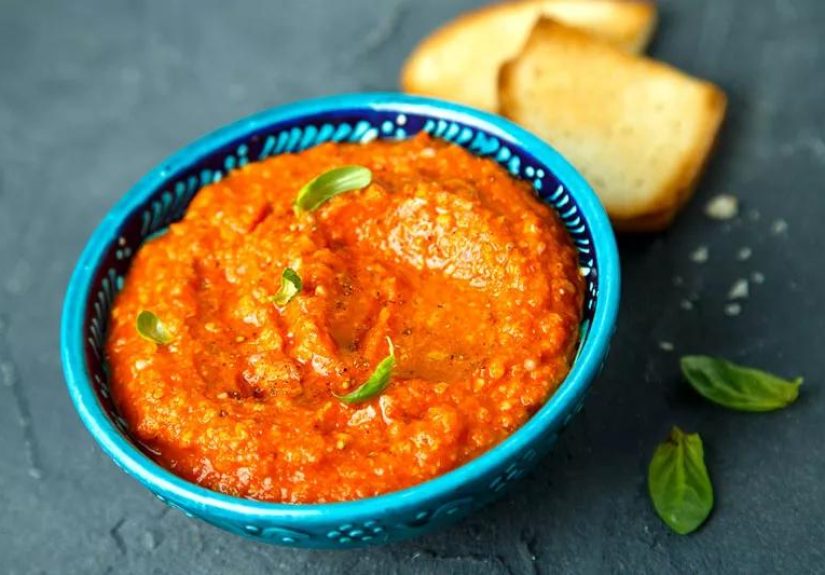
Spoon the hummus into a shallow bowl and use the back of a spoon to create swirls. Drizzle with olive oil and add your toppings. This step is technically optional, but also, come on, it looks great.
How to Roast Red Peppers at Home
If you want to roast your own peppers, it’s easy. Slice red bell peppers into flat panels, place them skin-side up on a baking sheet, and roast at 450°F until blistered and lightly charred, about 25 to 30 minutes. Transfer them to a bowl, cover, let them steam for 10 to 20 minutes, then peel away the skins. After that, pat them dry and use them in the hummus.
Homemade peppers often taste fresher and sweeter, while jarred peppers are wonderfully convenient. There is no wrong choice here. There is only the choice between “I had time” and “I wanted hummus now.” Both are noble paths.
Tips for Ultra-Creamy Hummus
- Blend longer than you think. A full 1 to 2 minutes, sometimes more, makes a real difference.
- Use soft chickpeas. Warmed canned chickpeas or fully cooked dried chickpeas blend more smoothly.
- Pat the peppers dry. Too much moisture can thin the hummus before the flavor is strong enough.
- Add cold water gradually. It lightens the texture and helps create that whipped, silky feel.
- Scrape the bowl often. Hummus likes to cling to the sides like it pays rent there.
If you want the smoothest possible texture, you can peel the chickpeas. Is it necessary? No. Is it effective? Yes. Is it the kind of kitchen task that makes you question your life choices? Also yes. I usually skip it unless I’m feeling unusually patient or oddly competitive with store-bought hummus.
Flavor Variations
Spicy Roasted Red Pepper Hummus
Add a pinch of cayenne, a little harissa, or half a roasted jalapeño for more heat.
Smoky Hummus
Increase the smoked paprika slightly, or use peppers roasted until deeply charred for extra smoky flavor.
Herby Hummus
Blend in fresh parsley, cilantro, or basil for a brighter, greener finish.
Garlic-Lover’s Version
Swap the raw garlic for roasted garlic if you want a deeper, sweeter flavor without the sharper bite.
Tangier Hummus
Add another tablespoon of lemon juice or a sprinkle of sumac on top.
These easy tweaks help keep your roasted red pepper dip interesting, especially if you make hummus often. Which, after this, you just might.
What to Serve With Roasted Red Pepper Hummus
This hummus plays nicely with almost everything. Serve it with warm pita bread, pita chips, naan wedges, crackers, toasted baguette slices, or crisp vegetables like carrots, cucumbers, celery, radishes, snap peas, and bell pepper strips.
It’s also excellent as a sandwich spread. Use it in wraps with grilled chicken, roasted turkey, or fresh vegetables. Spoon it onto grain bowls with quinoa, tomatoes, cucumbers, olives, and feta. Add it to a mezze platter with olives, pickles, tabbouleh, and stuffed grape leaves. Basically, if you can scoop it, swipe it, or spread it, hummus is interested.
How to Store It
Store the hummus in an airtight container in the refrigerator for up to 4 to 5 days. It often tastes even better after a few hours because the flavors have time to settle in and get acquainted.
If it thickens in the fridge, stir in a teaspoon or two of cold water or olive oil before serving. For the best flavor, let it sit at room temperature for 15 to 20 minutes before eating.
Roasted Red Pepper Hummus Recipe Card
Yield: About 2 1/2 cups
Prep Time: 10 minutes
Total Time: 10 to 15 minutes
Difficulty: Easy
Instructions
- Rinse and drain the chickpeas. For a smoother result, simmer them for 10 to 15 minutes, then drain again.
- In a food processor, combine tahini, lemon juice, garlic, olive oil, cumin, smoked paprika, and salt. Blend for 30 seconds.
- Add the chickpeas and roasted red peppers. Blend until mostly smooth.
- With the processor running, add ice water or aquafaba one tablespoon at a time until the hummus is creamy and fluffy.
- Taste and adjust seasoning.
- Spoon into a bowl, swirl the top, drizzle with olive oil, and garnish as desired.
Frequently Asked Questions
Can I make roasted red pepper hummus without tahini?
Yes, but it will taste different. Tahini gives hummus its classic nutty depth and creamy body. If you need a substitute, try plain Greek yogurt for a different but still creamy result, or use sunflower seed butter in a pinch.
Can I use dried chickpeas?
Absolutely. Cooked dried chickpeas often give hummus a richer flavor and smoother texture. They just take more planning. If convenience is the goal, canned chickpeas still work beautifully.
Is roasted red pepper hummus healthy?
Generally, yes. It offers plant-based protein, fiber, and healthy fats from tahini and olive oil. That said, “healthy” depends on your needs and what you serve with it. Pairing it with fresh vegetables is a solid move. Pairing it with an entire bag of pita chips while watching television is emotionally healthy, at least for a while.
Can I freeze it?
You can, though the texture may change slightly after thawing. Freeze in a sealed container, leaving a little room at the top. Thaw in the refrigerator and stir well before serving.
Kitchen Experiences With Roasted Red Pepper Hummus
One of the best things about making a roasted red pepper hummus recipe at home is how low-stress it feels once you’ve done it a couple of times. The first time I made it, I treated the food processor like a suspicious coworker and kept stopping every ten seconds to check the texture. Was it too thick? Too orange? Too lemony? Had I accidentally invented savory smoothie paste? But somewhere between the second scrape-down and the olive oil drizzle, it all came together. Suddenly, there it was: smooth, fluffy, beautiful hummus that tasted brighter and fresher than the kind from a plastic tub.
That’s really the experience this recipe delivers. It feels simple, but it also feels rewarding. You take a few everyday ingredients and turn them into something that tastes thoughtful. Even if you use canned chickpeas and jarred peppers, it still has that homemade quality people notice right away. Guests tend to assume you went to more trouble than you actually did, which is one of the finest forms of kitchen magic.
I’ve found this hummus especially useful when hosting because it solves several problems at once. It can be made ahead. It works for casual snacking and more polished spreads. It looks colorful on the table. And it pairs with enough dippers and toppings that it makes everyone feel like they have options. Put it next to pita chips, cucumbers, carrots, and warm flatbread, and people suddenly become very serious about appetizers.
It’s also a smart recipe for meal prep. A container of roasted red pepper hummus in the fridge can rescue a boring lunch in seconds. Spread it inside a turkey wrap, add it to a grain bowl, spoon it next to grilled chicken, or use it as a dip for sliced vegetables when you want a snack that feels a little more substantial. It has that rare quality of making healthy-ish food feel genuinely appealing instead of virtuous and dull.
There’s also room for personality here, which is part of the fun. Some days you might want it extra smoky with more paprika. Other days you might lean into the lemon for a brighter finish. Maybe you add a little heat. Maybe you top it with parsley and pine nuts and serve it like you own a chic little café. Or maybe you stand at the counter with a spoon and tell yourself you’re just tasting for seasoning. All valid experiences.
What keeps me coming back to this recipe is that it’s dependable without being boring. It’s practical enough for everyday cooking but flavorful enough to feel special. And in a world full of recipes that ask for seventeen ingredients, three pans, and an emotional support thermometer, a bowl of creamy roasted red pepper hummus is refreshingly kind. It asks very little and gives a lot in return. Honestly, more foods should be this cooperative.
Conclusion
If you’ve been looking for an easy, flavorful dip that feels homemade in the best way, this roasted red pepper hummus recipe delivers. It’s creamy, colorful, versatile, and packed with balanced flavor from chickpeas, tahini, lemon, garlic, and sweet roasted peppers. Make it for a party, meal prep it for the week, or keep it in the fridge for everyday snack situations. Once you try it, plain hummus might start feeling a little underdressed.