Table of Contents >> Show >> Hide
- What Is a Scissor Arm Pharmacy Wall Light?
- Why This Light Has Become a Design Favorite
- Best Places to Use a Scissor Arm Pharmacy Wall Light
- Plug-In vs. Hardwired: Which One Should You Choose?
- How to Choose the Right Size and Extension
- Shade Shape and Light Direction
- Finish Ideas for Different Interior Styles
- Bulb Tips for Better Performance
- Installation and Placement Tips
- Common Mistakes to Avoid
- How to Style a Scissor Arm Pharmacy Wall Light
- Is a Scissor Arm Pharmacy Wall Light Worth It?
- Real-Life Experience: Living With a Scissor Arm Pharmacy Wall Light
- Conclusion
A scissor arm pharmacy wall light is what happens when practical lighting puts on a tailored jacket. It is adjustable, compact, stylish, and just a little dramatic in the best possible way. Instead of sitting politely on a nightstand or hogging desk space like a lamp with boundary issues, this wall-mounted fixture folds, extends, pivots, and aims light exactly where you need it.
Originally inspired by old pharmacy and task lamps, the design has become a favorite in bedrooms, reading corners, home offices, workshops, kitchens, and even narrow hallways. The “pharmacy” part refers to the classic metal shade and focused task-lighting style, while the “scissor arm” describes the accordion-like mechanism that expands and contracts from the wall. Together, they create a fixture that feels vintage, industrial, and smartly modern all at once.
Whether you are styling a cozy apartment, upgrading a bedside reading setup, or trying to make your desk look less like a cable jungle, the scissor arm pharmacy wall light deserves serious attention. It saves surface space, adds architectural interest, and delivers directional lighting with the precision of a tiny spotlight that has read the assignment.
What Is a Scissor Arm Pharmacy Wall Light?
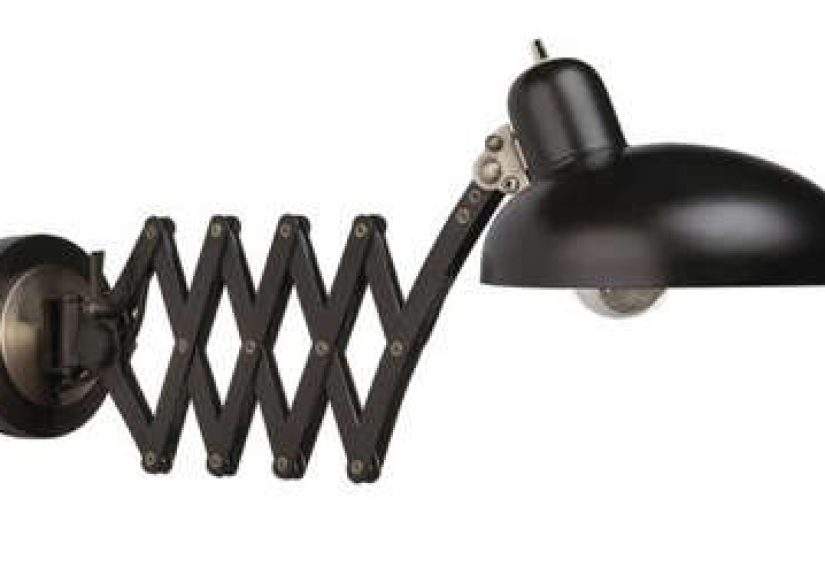
A scissor arm pharmacy wall light is an adjustable wall sconce with a hinged, extendable arm and a typically compact metal shade. The arm usually works like a folding accordion or scissor mechanism, allowing the fixture to pull away from the wall and retract when not in use. Many models also include a pivoting shade, so the beam can be directed downward, sideways, or toward a specific task area.
The classic pharmacy lamp shape often includes a dome, cone, cylinder, or shallow metal shade. Unlike fabric-shaded sconces that diffuse light broadly, pharmacy-style shades focus illumination downward or outward. This makes them excellent for reading, writing, sewing, sketching, cooking prep, bedside lighting, or adding a well-placed glow over a favorite chair.
Modern versions come in many finishes, including aged brass, antique bronze, matte black, polished nickel, brushed steel, oil-rubbed bronze, and warm gold. Some are plug-in wall lights with visible or covered cords, while others are hardwired for a cleaner built-in look. A few convertible models offer both installation options, which is wonderfully convenient for people who are decisive about décor but less decisive about electrical commitment.
Why This Light Has Become a Design Favorite
The rise of the scissor arm pharmacy wall light makes perfect sense. Homes are working harder than ever. A bedroom might also be a reading nook. A kitchen counter might become a laptop station. A guest room might secretly moonlight as a craft studio. In these flexible spaces, lighting has to do more than simply exist. It needs to adjust, focus, and behave.
A scissor arm pharmacy wall light answers that need beautifully. It can sit close to the wall during the day, then extend when it is time to read, work, or create. Unlike a table lamp, it does not take up room on a nightstand, desk, or side table. Unlike a ceiling fixture, it brings light closer to the task. And unlike many trendy pieces, it has a long-standing design language rooted in utility, not just “because Instagram said so.”
It Saves Space Without Looking Minimalist in a Boring Way
Small bedrooms, compact apartments, narrow offices, and tiny reading corners all benefit from wall-mounted lighting. A scissor arm wall sconce frees up surfaces while still giving the room a strong visual detail. It is especially useful beside beds where nightstands are small, crowded, or already occupied by books, glasses, chargers, water bottles, and the mysterious collection of things we all pretend not to have.
It Provides Focused Task Lighting
Pharmacy wall lights are designed to direct illumination. That focused beam is ideal when you need light on a book, notebook, keyboard, cutting board, or work surface. A warm LED bulb around 2700K to 3000K usually works well for bedrooms and living spaces because it feels cozy without turning the room into a sleepy cave. For home offices or detail-oriented work, a slightly brighter bulb with sufficient lumens can improve visibility while still keeping glare under control.
It Adds Character Instantly
The scissor arm mechanism creates movement and dimension on the wall. Even when the light is off, the fixture acts like a small piece of functional sculpture. In brass, it feels classic and library-like. In black, it leans industrial and modern. In polished nickel, it becomes crisp and tailored. In bronze, it brings a vintage, slightly moody charm that pairs beautifully with wood, leather, linen, and old books.
Best Places to Use a Scissor Arm Pharmacy Wall Light
One of the biggest strengths of this fixture is versatility. It is not limited to one room or one decorating style. Because it extends and folds, it works in areas where fixed sconces may feel too rigid.
Beside the Bed
The bedside is probably the most popular location for a scissor arm pharmacy wall light. Mounted above or beside the nightstand, it creates a hotel-inspired reading setup without requiring a large lamp base. The adjustable arm lets you pull the light closer when reading and tuck it back when you are done. For couples, two matching sconces on either side of the bed create symmetry and allow each person to control their own lighting. That is romance, but with better ergonomics.
Above a Desk or Home Office Nook
A wall-mounted task light is excellent above a compact desk. It keeps the desktop clear and reduces clutter, especially in small workspaces. The scissor arm allows the light to move closer for paperwork, drawing, or keyboard work, then fold away when you need the wall to look calm again. Choose a model with a shade that can tilt downward to avoid glare on a screen.
In a Reading Corner
Place a scissor arm pharmacy light beside an armchair, chaise, or built-in bench, and suddenly the space says, “Yes, we read here.” The focused shade creates a pool of light without flooding the whole room. This is perfect for evening reading, quiet conversation, or pretending you are in a private library even if your bookshelf is mostly cookbooks and board games.
Over Kitchen Shelving or Prep Areas
In kitchens, these lights can work above open shelves, coffee stations, or small prep zones. A metal shade feels natural in a kitchen because it echoes hardware, faucets, and appliances. For kitchen use, make sure the fixture is placed away from heavy steam, splashes, and heat unless it is rated appropriately for that environment.
In Workshops and Craft Rooms
The scissor arm pharmacy wall light is a natural fit for hands-on spaces. It can illuminate sewing machines, model-building tables, tool benches, art desks, and hobby zones. Because the arm adjusts, the light can follow the task instead of forcing you to rearrange the entire room around one stubborn lamp.
Plug-In vs. Hardwired: Which One Should You Choose?
Scissor arm pharmacy wall lights usually come in two main installation types: plug-in and hardwired. Some models are convertible, meaning they can start as plug-in fixtures and later be hardwired by a professional. The best choice depends on your home, budget, and tolerance for exposed cords.
Plug-In Scissor Arm Wall Lights
Plug-in models are popular because they are easier to install. They mount to the wall and plug into a nearby outlet, often with a cord cover to make the setup look neater. This option is great for renters, quick room makeovers, and anyone who wants better lighting without opening the wall. The trade-off is that the cord remains part of the design. With a matching cord cover or thoughtful placement behind furniture, it can still look polished.
Hardwired Scissor Arm Wall Lights
Hardwired models connect directly to electrical wiring in the wall. They offer the cleanest appearance because there is no visible cord. This option is best for renovations, new construction, or permanent upgrades. Since hardwired installation involves electrical work, it should be handled by a qualified electrician unless you are properly trained and local code allows it.
Convertible Models
A convertible fixture offers flexibility. You can use it as a plug-in now and hardwire it later when you renovate or move into a more permanent space. This is a smart choice for people who like future-proof design decisions. It is also a smart choice for people who change their minds, which is most of us standing in a lighting aisle after coffee.
How to Choose the Right Size and Extension
Size matters with a scissor arm pharmacy wall light because the fixture moves. A compact light may extend around 18 to 22 inches from the wall, while larger models may reach closer to 28 or 30 inches. Before buying, measure the available space and think about how the arm will function when fully extended.
For bedside use, the fixture should extend far enough to place light over the reading area without forcing the shade directly into your face. For desks, it should reach the center of the work zone. For narrow hallways, choose a slimmer model and make sure it will not become an accidental shoulder-checking device. Beautiful lighting is less charming when guests have to dodge it like an obstacle course.
Shade Shape and Light Direction
The shade is not just decorative. It determines how the light behaves. A shallow dome shade spreads light across a wider area while still directing it downward. A cone shade creates a more focused beam. A cylinder shade often looks more modern and can feel architectural. A metal shade with a white or reflective interior can improve brightness, while a darker interior may create moodier, more concentrated illumination.
If you plan to read under the fixture, look for a shade that blocks direct glare from the bulb. If the bulb is visible from your normal seated or lying position, the light may feel harsh. A good pharmacy wall light should illuminate the task, not interrogate your eyeballs.
Finish Ideas for Different Interior Styles
The finish can completely change the mood of the fixture. Fortunately, the scissor arm pharmacy wall light plays well with many design styles.
Aged Brass
Aged brass is warm, classic, and slightly vintage. It pairs beautifully with traditional bedrooms, English country interiors, warm modern spaces, dark green walls, walnut furniture, and cozy reading corners. Brass also softens the mechanical look of the scissor arm, making it feel elegant rather than strictly industrial.
Matte Black
Matte black is crisp and graphic. It works well in modern farmhouse, industrial, Scandinavian, and contemporary rooms. A black scissor arm light can add contrast against white walls or blend handsomely with dark paneling.
Polished Nickel or Chrome
Polished nickel and chrome feel clean, bright, and refined. They are good choices for transitional interiors, bathrooms, kitchens, and spaces with other cool-toned metals. Nickel tends to look slightly warmer and softer than chrome, while chrome has a sharper reflective quality.
Oil-Rubbed Bronze
Oil-rubbed bronze brings depth and old-world character. It looks especially good with leather chairs, antique wood, warm neutrals, and moody paint colors. It can make a new fixture feel like it has a story, without actually requiring you to hunt through an architectural salvage warehouse for six weekends.
Bulb Tips for Better Performance
Many scissor arm pharmacy wall lights use a standard medium-base bulb, often with a maximum wattage listed by the manufacturer. Always follow that wattage limit. With LEDs, you can usually get strong brightness with much lower energy use, but the fixture’s stated limitations still matter.
For bedrooms and living rooms, choose warm white bulbs around 2700K to 3000K. This range creates a relaxed glow that feels comfortable in the evening. For task-heavy spaces such as craft rooms or desks, consider a bulb that provides at least several hundred lumens and offers good color rendering. Dimmable bulbs are especially useful if the fixture is paired with a compatible dimmer switch or built-in control.
Also pay attention to bulb shape. Some shallow pharmacy shades may not fully conceal oversized bulbs. A compact LED bulb or low-profile bulb can preserve the fixture’s clean silhouette. Nobody wants a beautiful brass shade with a bulb sticking out like it is trying to escape.
Installation and Placement Tips
Placement makes or breaks a wall light. For general wall sconces, eye-level mounting is often a useful starting point, but task lights require a more specific approach. Beside a bed, the shade should usually sit where it can shine onto a book or lap without glaring directly into your eyes. Above a desk, mount it so the light reaches the work surface and does not cast awkward shadows from your hand or monitor.
Before drilling, use painter’s tape to mark the backplate and arm extension on the wall. Sit, stand, or lie in the actual position where you will use the light. Test the height visually. If possible, hold the fixture or a cardboard mock-up in place. This tiny rehearsal can prevent the classic home improvement tragedy known as “beautiful light, wrong spot.”
For plug-in models, plan the cord path before mounting. A cord cover can make the installation look intentional. Aligning the cord cover vertically with the backplate often gives the cleanest result. For hardwired models, confirm junction box location and hire a licensed electrician when needed.
Common Mistakes to Avoid
The most common mistake is buying for looks only. A scissor arm pharmacy wall light is a moving task fixture, so function matters. Check the maximum extension, shade adjustability, switch location, bulb type, cord length, backplate size, and installation requirements.
Another mistake is mounting the light too high. If it is intended for reading, the fixture needs to bring light down to the page, not hover above like a decorative moon. Mounting too low can also be a problem, especially near beds, chairs, or walkways. The goal is comfort, not a daily head-bumping ritual.
Finally, avoid placing the light where the shade reflects harshly in a mirror, television, glossy artwork, or computer screen. Adjustable lighting is wonderful, but glare is still glare. Even the prettiest fixture loses points when it turns your laptop into a tiny sunrise.
How to Style a Scissor Arm Pharmacy Wall Light
This fixture looks best when it feels intentional. In a bedroom, pair two matching lights with simple bedding and streamlined nightstands. In a reading nook, combine one brass scissor arm light with a comfortable chair, a small side table, and a textured throw. In a home office, use a black or nickel version above a wood desk for a clean, practical look.
Because the arm has a strong mechanical shape, balance it with softer materials nearby. Linen curtains, woven baskets, wool rugs, leather upholstery, or natural wood can keep the room from feeling too cold. If the fixture is very industrial, add one or two warmer decorative elements. If it is polished and traditional, pair it with modern art or simple furniture to prevent the room from feeling overly formal.
Is a Scissor Arm Pharmacy Wall Light Worth It?
For many homes, yes. The scissor arm pharmacy wall light offers a rare combination of practicality and personality. It is useful enough for daily tasks and attractive enough to become part of the room’s design story. It can replace a bedside lamp, upgrade a desk, brighten a reading nook, or add focused illumination to a kitchen or craft space.
The best models feel sturdy, extend smoothly, hold their position well, and include thoughtful details such as a pivoting shade, accessible switch, compatible bulb base, and clean cord management. While cheaper options can work for occasional use, a frequently adjusted fixture benefits from better construction. Hinges, joints, and springs are not the place to invite disappointment.
Real-Life Experience: Living With a Scissor Arm Pharmacy Wall Light
The first thing you notice after installing a scissor arm pharmacy wall light is how quickly you start using it. It is not one of those decorative upgrades that looks nice and then quietly becomes invisible. It changes the rhythm of a room. At night, instead of turning on the overhead light and making the bedroom feel like a grocery store aisle, you pull the arm forward, angle the shade, and get a warm pool of light exactly where you need it.
In a bedroom, the difference is immediate. A regular bedside lamp can be lovely, but it eats up precious nightstand space. Once the wall light takes over, the table suddenly has room for books, a phone, a glass of water, and maybe even a small plant if you are feeling emotionally prepared to keep another living thing alive. The adjustable arm is especially helpful if you read in bed. Pull it closer for a paperback, push it back for softer ambient light, and fold it against the wall before sleeping.
In a home office, the experience is equally satisfying. Desk lamps are useful, but they often compete with monitors, notebooks, speakers, coffee mugs, and the one pen you actually like. A wall-mounted pharmacy light clears the surface while still providing direct task lighting. When working late, the focused beam helps define the work area without lighting the entire room. It feels more intentional, almost like telling your brain, “We are working here, not wandering through twelve browser tabs for no reason.”
The scissor arm also makes the fixture feel interactive. A fixed sconce is either right or wrong. A scissor arm sconce gives you options. You can extend it while assembling a puzzle, angle it toward a sewing project, or tuck it away when guests come over. That flexibility is surprisingly addictive. After using one, ordinary lamps can start to feel a little lazy.
There are a few practical lessons, though. First, placement matters more than you think. Mounting the light two or three inches too high can make it less useful for reading. Mounting it too far from the bed or desk can limit the reach of the arm. Before installation, it is worth testing the location carefully with tape, measurements, and your actual sitting position. Yes, standing in a room holding a cardboard rectangle against the wall may feel silly. It is still better than drilling twice.
Second, choose the bulb thoughtfully. A warm, dimmable LED bulb can make the fixture feel cozy and expensive. A bulb that is too cool or too bright can make the same light feel like a tiny interrogation lamp. For most bedrooms and living rooms, warm white is the sweet spot. For offices and craft spaces, brighter output may be useful, but glare control remains important.
Third, check the joints and movement. A good scissor arm wall light should extend smoothly and stay in position. If the arm droops, squeaks, or feels flimsy, the charm fades quickly. This is especially important in a light you plan to adjust every day. Strong construction, secure mounting, and a stable shade make the fixture feel dependable rather than decorative-only.
The best part of living with this type of wall light is that it solves a practical problem while making the room look more finished. It adds that “designed on purpose” feeling without requiring a complete makeover. In many spaces, a scissor arm pharmacy wall light becomes the detail that pulls everything together: the warm brass near the wood headboard, the black metal above the writing desk, the nickel finish beside crisp white shelving. Small fixture, big personality. Honestly, it is the lighting equivalent of a good blazer: useful, flattering, and somehow capable of making the whole room look like it has its life together.
Conclusion
A scissor arm pharmacy wall light is more than a stylish wall sconce. It is a space-saving, task-friendly, adjustable lighting solution that works in bedrooms, offices, reading corners, kitchens, and creative spaces. Its classic metal shade and extendable arm make it practical, while its vintage-industrial personality gives any room instant character.
To choose the right one, focus on extension length, shade direction, installation type, finish, bulb compatibility, and placement. A plug-in model is convenient for renters and fast updates, while a hardwired fixture creates a cleaner permanent look. With the right bulb and thoughtful mounting height, this light can make everyday tasks easier and evenings more comfortable.
Note: This publish-ready article is written in clean body-only HTML, with source links and citation markers intentionally omitted for web publication.