Table of Contents >> Show >> Hide
- What Is Succulent Gardening?
- Why Succulents Are So Popular
- Best Succulents for Beginners
- Light: The Secret Ingredient
- Soil and Drainage: Where Success Begins
- How to Water Succulents Properly
- Indoor Succulent Gardening
- Outdoor Succulent Gardening
- Designing a Beautiful Succulent Garden
- Propagation: Making More Plants for Free
- Fertilizing Succulents
- Common Succulent Problems and Fixes
- Succulent Gardening in Containers
- Succulent Gardening Experience: Lessons From Real Plant Parenthood
- Conclusion
Succulent gardening is the art of growing plants that look like they were designed by a sculptor with excellent Wi-Fi: bold shapes, plump leaves, strange textures, and a very relaxed attitude about water. These plants store moisture in their leaves, stems, or roots, which is why many of them can handle dry conditions better than the average drama-prone basil plant.
But here is the funny part: succulents are often called “easy,” and then beginners accidentally love them to death. Too much water, poor drainage, and dim corners are the big villains. A succulent does not want spa-day humidity and soggy feet. It wants bright light, quick-draining soil, and a gardener who can resist watering “just because the watering can looked lonely.”
This guide explains how to grow succulents indoors and outdoors, choose the right containers, create attractive arrangements, avoid common mistakes, and build a succulent garden that looks polished without demanding your entire weekend.
What Is Succulent Gardening?
Succulent gardening focuses on plants adapted to store water. This group includes many familiar favorites such as echeveria, sedum, jade plant, haworthia, aloe, kalanchoe, agave, sempervivum, and many cacti. Not every succulent is a cactus, but nearly all cacti are succulents. Think of cactus as one branch on the very large, very stylish succulent family tree.
Succulents are popular because they offer huge design variety. Some form perfect rosettes. Some trail like green necklaces. Some grow upright like miniature trees. Others look like pebbles, sea creatures, or tiny alien cabbages. This makes succulent gardening ideal for windowsills, patios, rock gardens, xeriscapes, balcony containers, dish gardens, and low-water landscapes.
Why Succulents Are So Popular
They Are Water-Wise
Succulents are excellent choices for water-wise gardening because their fleshy tissues hold moisture. In dry climates, this makes them useful for landscapes that need beauty without heavy irrigation. In containers, it means they usually need less frequent watering than many leafy houseplants.
They Fit Small Spaces
You do not need a backyard the size of a golf course. Succulents grow beautifully in bowls, shallow pots, hanging baskets, windowsill planters, vertical frames, and tabletop displays. Their shallow root systems often make them well-suited to container gardening, as long as the container drains properly.
They Are Design-Friendly
Succulents provide color, texture, symmetry, and structure. Blue-green echeveria can soften a modern patio. Red-edged sedum can add warmth to a rock garden. Trailing string of pearls can spill elegantly from a hanging pot. Even one well-grown jade plant can make a room feel calmer and more intentional.
Best Succulents for Beginners
If you are new to succulent gardening, start with forgiving varieties. Some succulents are divas in tiny pots, but others are friendly roommates.
Jade Plant
Jade plant is a classic indoor succulent with thick oval leaves and a tree-like form. It grows slowly, tolerates dry spells, and can live for many years with proper care. Give it bright light, a container with drainage, and soil that dries between waterings.
Haworthia
Haworthias are compact, patterned succulents that handle indoor conditions better than many sun-hungry types. They are excellent for desks, shelves, and small containers. Their main request is simple: do not leave their roots sitting in wet soil.
Aloe
Aloe plants enjoy bright light and well-drained soil. Many grow upright, making them useful in mixed containers where you need height. Their architectural leaves add structure without much fuss.
Sedum
Sedums are wonderfully diverse. Some are hardy outdoor groundcovers, while others shine in containers. Many sedums tolerate dry conditions and can add seasonal color to rock gardens, borders, and patio pots.
Echeveria
Echeverias are the poster children of succulent gardening. Their rosette shape looks almost too perfect, like nature discovered geometry and got excited. They need bright light and excellent drainage to stay compact and colorful.
Light: The Secret Ingredient
Succulents need enough light to maintain healthy growth. Indoors, many do best near a bright window. Outdoors, many enjoy several hours of sun, though afternoon shade can help in very hot climates. The right amount depends on the plant and your region.
When succulents do not get enough light, they may stretch toward the nearest window. This is called etiolation. A once-compact rosette may become tall, pale, and awkward, like it is trying to audition for a modern dance performance. If you notice stretching, move the plant gradually into brighter light.
Be careful with sudden changes. A succulent that has lived indoors should not be tossed into full summer sun without adjustment. Increase light gradually over several days or weeks to prevent sunburn.
Soil and Drainage: Where Success Begins
Good succulent soil drains quickly. Standard garden soil is usually too dense for containers, and heavy potting mixes can hold moisture too long. Use a commercial cactus and succulent mix, or improve drainage with mineral ingredients such as coarse sand, pumice, perlite, or small lava rock.
The goal is not soil that becomes bone-dry instantly. Roots still need moisture and oxygen. The goal is a mix that holds enough water briefly, then lets excess water move away before roots rot.
Container Drainage Matters
A pot with a drainage hole is not optional; it is the difference between gardening and running a tiny swamp. Decorative cachepots are fine if the plant sits in a nursery pot inside them, but water must be emptied after watering. If water collects around the roots, the plant can decline quickly.
How to Water Succulents Properly
The best watering method is simple: water deeply, then let the soil dry before watering again. When you water, add enough so moisture moves through the potting mix and drains from the bottom. Then wait. Do not sprinkle a teaspoon of water every day. That encourages weak roots and keeps the top layer damp while the lower root zone may remain stressed.
How often should you water? It depends on light, temperature, humidity, pot size, soil mix, season, and plant type. A small clay pot in a sunny window dries faster than a large plastic pot in a cool room. Instead of following a rigid schedule, check the soil. If it still feels damp, leave it alone. Your succulent will not be offended.
Seasonal Watering
Many succulents grow more actively in spring and summer and slow down in winter. During active growth, they may need more frequent watering. In cooler months, they often need less. Overwatering during low-light winter conditions is one of the fastest ways to turn a healthy succulent into compost with regrets.
Indoor Succulent Gardening
Indoor succulent gardening is perfect for apartments, dorm rooms, offices, and homes where outdoor space is limited. Choose bright locations, use containers with drainage, and avoid misting. Most succulents do not need extra humidity. In fact, many prefer the dry air found in typical homes.
Rotate containers every week or two so plants grow evenly. Dust can reduce light absorption, so gently clean leaves with a soft brush or cloth when needed. Keep succulents away from cold drafts, heating vents, and dark corners. A succulent placed six feet from a window may look decorative, but it may not receive enough useful light.
Outdoor Succulent Gardening
Outdoor succulent gardens can be stunning in warm, dry regions, but success depends on matching plants to climate. Some succulents tolerate cold winters, while others are damaged by frost. Sedum and sempervivum are often used in colder areas, while agave, aloe, echeveria, and many cacti are better suited to milder climates or seasonal containers.
In outdoor beds, drainage is still critical. Raised beds, slopes, rock gardens, and sandy or gravelly soil can help prevent water from collecting around roots. If your yard has heavy clay soil, consider containers or raised planting areas instead of forcing desert-style plants into wet winter ground.
Designing a Beautiful Succulent Garden
Use the Thriller, Filler, Spiller Method
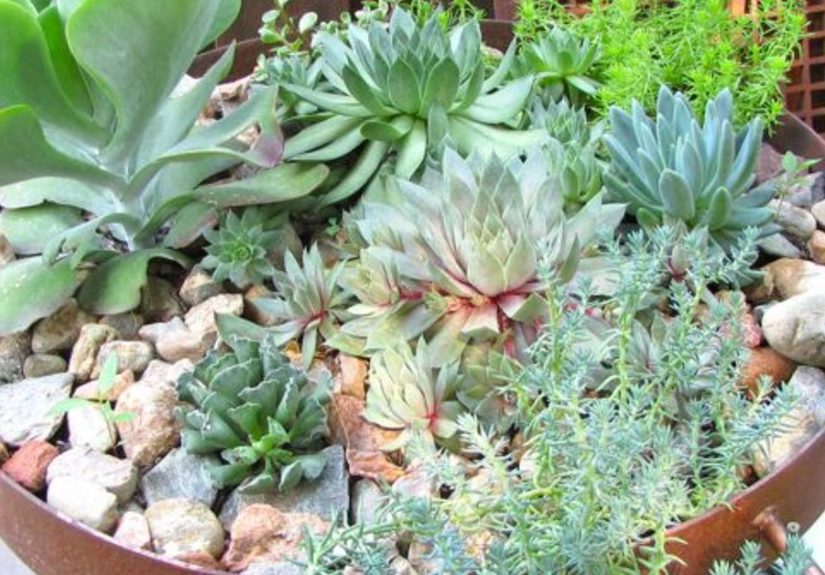
For containers, use one tall or bold plant as the “thriller,” several medium plants as “fillers,” and trailing varieties as “spillers.” For example, pair an upright aloe with echeveria rosettes and trailing sedum. The result looks intentional even if you assembled it while wearing garden gloves that somehow got dirt inside them.
Mix Texture and Color
Succulents are famous for texture. Combine smooth leaves, spiky forms, fuzzy surfaces, bead-like stems, and compact rosettes. Use color carefully: blue-gray, lime green, burgundy, silver, and pink-edged plants can create a sophisticated palette without needing flowers.
Leave Room to Grow
Many succulent arrangements are planted tightly for instant impact, but plants need airflow and space. Crowded containers dry unevenly and can hide pest problems. A little breathing room helps your garden stay healthier over time.
Propagation: Making More Plants for Free
One of the joys of succulent gardening is propagation. Many succulents can be grown from stem cuttings, offsets, or leaves. Not every leaf will root, but enough usually succeed to make you feel like a plant wizard.
For stem cuttings, cut a healthy piece, let the cut end dry and callus for a few days, then place it in a well-draining mix. For offsets, gently separate the small “pups” from the parent plant and pot them separately. Leaf propagation works with some types, especially certain echeverias and sedums, but it requires patience.
Avoid watering fresh cuttings too heavily. Until roots form, they cannot use much water. Light moisture and bright indirect light are usually better than soggy soil and harsh sun.
Fertilizing Succulents
Succulents are not heavy feeders. During active growth, a diluted balanced fertilizer or cactus fertilizer can be used occasionally. Too much fertilizer may cause weak, stretched growth. In winter, when many succulents slow down, skip feeding unless you are growing a type that actively grows during cooler months.
Think of fertilizer as a light snack, not an all-you-can-eat buffet. Strong light, proper watering, and good drainage matter far more than aggressive feeding.
Common Succulent Problems and Fixes
Overwatering
Signs of overwatering include mushy leaves, blackened stems, leaf drop, and soil that stays wet too long. Fix the problem by improving drainage, reducing watering, removing damaged parts, and repotting into a faster-draining mix if needed.
Underwatering
Although succulents tolerate dry conditions, they still need water. Wrinkled, thin, or puckered leaves can signal thirst. Water deeply, allow drainage, and observe whether the plant firms up over the next few days.
Not Enough Light
Stretching, leaning, pale color, and weak growth often point to insufficient light. Move the plant to a brighter spot gradually. For indoor gardeners with limited natural light, a grow light may help.
Pests
Mealybugs, scale, fungus gnats, and spider mites may attack stressed succulents. Inspect leaf joints, undersides, and soil surfaces. Isolate affected plants, remove visible pests, and improve growing conditions. Healthy plants in the right light and soil are less likely to become pest hotels.
Succulent Gardening in Containers
Containers are the easiest way to control soil, drainage, and placement. Terra-cotta pots dry faster and are helpful for gardeners who tend to overwater. Plastic and glazed ceramic pots hold moisture longer, which can be useful in hot, dry areas but risky in dim indoor spaces.
Shallow bowls look beautiful, but they must still drain. If a bowl has no hole, use it as a decorative outer container only. The old trick of placing gravel at the bottom of a sealed pot does not solve drainage. It simply creates a wet zone where roots can suffer quietly.
Succulent Gardening Experience: Lessons From Real Plant Parenthood
After growing succulents for a while, most gardeners learn the same lesson: the plant is usually tougher than our instincts. The beginner instinct says, “This plant is alive, so I should do something.” Succulents often respond, “Please do less.” The first real success comes when you stop treating watering as a daily chore and start treating it as a careful response to the soil and season.
One of the most useful experiences is learning the weight of a pot. A freshly watered succulent container feels heavier. A dry one feels noticeably lighter. This simple habit can be more helpful than a calendar reminder. Checking the pot weight, touching the soil, and observing the leaves can tell you far more than watering every Saturday because Saturday is “plant day.” Plants do not read calendars. They are rude like that.
Another practical lesson is that light changes everything. A succulent that struggles indoors may become compact and colorful near a brighter window or outdoors under gentle morning sun. However, moving plants too quickly into direct sun can burn them. Gradual adjustment is the polite way to introduce a houseplant to the outdoor world. Think of it as sunscreen training, but for leaves.
Container choice also teaches patience. Pretty pots without drainage are tempting. They sit on store shelves looking elegant and whispering, “Buy me, I match your shelf.” But after one or two soggy disasters, most succulent gardeners become drainage-hole loyalists. A beautiful pot is not beautiful if it turns the root zone into soup. The best setup is often a practical nursery pot inside a decorative cover, with excess water removed after every watering.
Propagation is where succulent gardening becomes addictive. A fallen leaf that grows roots feels like a tiny miracle. A stem cutting that becomes a full plant makes you want to label yourself “Plant Scientist” even if all you did was wait patiently. The key is not to rush. Let cuttings callus, keep the mix airy, avoid heavy watering, and accept that not every cutting will succeed. Gardening has bloopers. That is part of the charm.
The biggest experience-based tip is to observe before reacting. Yellow leaves, wrinkles, stretching, and leaf drop can mean different things depending on context. Before adding water, check the soil. Before fertilizing, check the light. Before repotting, check whether the plant is actually crowded or just growing slowly. Succulents are not fast-food plants; they are slow, sculptural, and occasionally mysterious. When you learn their rhythm, succulent gardening becomes less about rescuing plants and more about enjoying them.
Conclusion
Succulent gardening is a rewarding blend of design, patience, and practical plant care. These water-storing plants can thrive in containers, indoor displays, rock gardens, patios, and low-water landscapes when you give them the basics: bright light, excellent drainage, careful watering, and the right plant for your climate.
The secret is not complicated. Let the soil dry between waterings. Use containers that drain. Choose plants suited to your space. Watch how they respond through the seasons. Once you understand those habits, succulents become more than trendy little pots on a windowsill. They become living sculptures that bring texture, color, and calm into everyday spaces.