Table of Contents >> Show >> Hide
- What Is a Sussex Garden Trug?
- The History Behind Sussex Garden Trugs
- What Makes a Traditional Sussex Trug Different?
- Why Gardeners Still Love Sussex Garden Trugs
- Best Uses for Sussex Garden Trugs
- How to Choose the Right Sussex Garden Trug
- How to Care for Sussex Garden Trugs
- Are Sussex Garden Trugs Worth It?
- Experiences With Sussex Garden Trugs
- Conclusion
Some garden tools are pure muscle. Others are pure charm. Sussex garden trugs somehow manage to be both. They are the rare gardening accessory that can haul tomatoes, cradle cut flowers, hold seed packets, and still look like they belong in a painting hung above a fireplace. In a world full of plastic bins and utility totes, the Sussex trug says, “Yes, I am practical, but I also have standards.”
If you have ever admired a shallow wooden basket with a graceful handle and thought, That looks far too pretty to be useful, good news: that assumption is gloriously wrong. Sussex garden trugs were made for work first. Their beauty just happened to come along for the ride. For generations, gardeners and growers have used them to gather vegetables, herbs, fruit, flowers, and hand tools without bruising the harvest or making the whole job feel like a small domestic tragedy.
Today, Sussex garden trugs still appeal to home gardeners, flower lovers, and anyone who wants a wooden harvest basket that does not look like it came from the sad aisle of a hardware store. They blend old-world craftsmanship with real-world utility, which is probably why they continue to show up in potting sheds, kitchen gardens, porches, and gift guides with suspicious regularity.
What Is a Sussex Garden Trug?
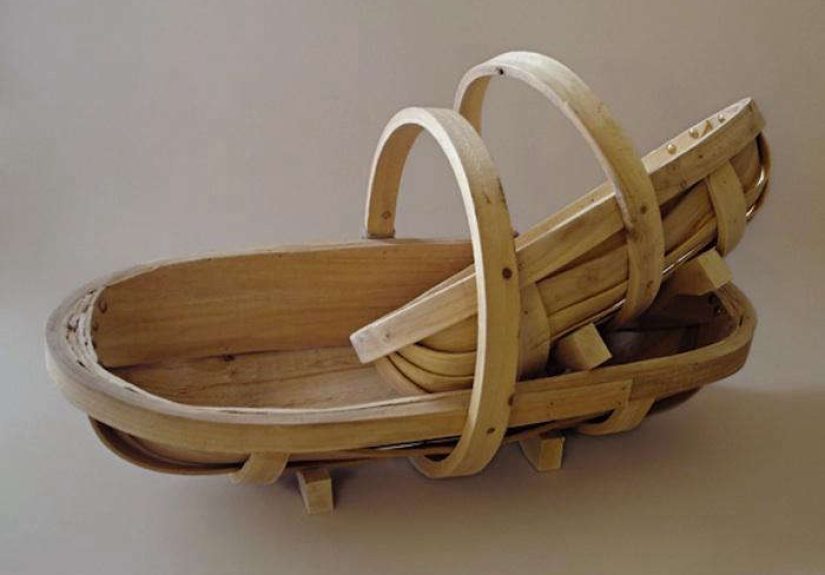
A Sussex garden trug is a traditional wooden garden basket associated with Sussex, England. It is usually shallow, slightly curved, slatted, and fitted with a bent handle that makes it easy to carry close to the body. That shape is not a random design flourish. It helps distribute weight, keeps produce visible, and makes the basket comfortable to use while moving through beds, borders, and vegetable rows.
Unlike deep baskets that swallow herbs and let delicate blossoms collapse into a leafy heap, Sussex garden trugs are open and wide. That means better airflow, gentler handling, and fewer moments of digging around for the one pair of snips that has vanished under a mountain of zucchini. A traditional Sussex trug can be used as a flower gathering basket, a harvest basket, a pruning companion, or even a handsome indoor catchall for mail, napkins, fruit, or seed catalogs you definitely do not need but absolutely bought anyway.
The History Behind Sussex Garden Trugs
The word “trug” has older roots, but the classic Sussex version became widely known in the 19th century. The design is strongly tied to the work of Thomas Smith of Herstmonceux, who helped refine and popularize the lightweight wooden form around 1829. Over time, the traditional Sussex trug became known not only as a working gardening basket but also as a symbol of regional craft.
Part of the trug’s fame comes from its connection to Queen Victoria, who is often credited with helping bring wider attention to the style after encountering the baskets during the Great Exhibition era. That royal nod did not turn the trug into a decorative toy. It simply introduced more people to an object that gardeners had already appreciated for its strength, lightness, and common sense.
That history matters because Sussex garden trugs are not trendy in the disposable, one-season sense. They belong to a long tradition of useful garden design shaped by labor, material availability, and repeated everyday use. In other words, they survived because they worked.
What Makes a Traditional Sussex Trug Different?
1. The materials are part of the story
A traditional Sussex trug is commonly made with sweet chestnut for the handle and rim and willow for the slats or boards. Chestnut offers strength and durability, while willow keeps the basket lighter. That combination gives the trug its signature balance: sturdy enough to carry a load, light enough that the basket itself does not become the workout.
2. The shape is designed for harvesting
Because the basket is broad and shallow, it is ideal for carrying freshly cut flowers, salad greens, beans, herbs, strawberries, and other garden harvests that benefit from a little breathing room. You can see what is inside at a glance, which makes it easier to separate delicate stems from muddy gloves and rogue hand trowels.
3. It does not try to do too much
The genius of Sussex garden trugs is that they stay in their lane beautifully. They are not pretending to be a cooler, wheelbarrow, toolbox, compost caddy, and emotional support system all at once. They are simply excellent wooden harvest baskets. That focus is exactly why they remain so useful.
Why Gardeners Still Love Sussex Garden Trugs
Modern gardeners have more storage and transport options than ever, yet the trug still earns its place. Why? Because gardening is full of small tasks, and Sussex garden trugs are exceptionally good at those small tasks. You can use one while deadheading roses, harvesting cherry tomatoes, collecting seed heads, carrying twine and pruners, or bringing basil and parsley into the kitchen before dinner.
There is also the simple pleasure factor. A good trug makes garden work feel organized and calm. It invites you to clip one more bouquet, pick one more handful of beans, or spend ten extra minutes outside when you probably should be answering emails. That is not inefficiency. That is quality of life wearing garden gloves.
Sussex garden trugs also fit naturally into the growing interest in craftsmanship, slow living, and durable goods. People are tired of buying flimsy things that crack, warp, or offend the eye by existing. A well-made garden trug basket offers the opposite experience: tactile materials, visible workmanship, and the sense that someone actually thought about how a gardener moves through a space.
Best Uses for Sussex Garden Trugs
Harvesting vegetables and herbs
Leafy greens, peppers, beans, cucumbers, onions, garlic, and fresh herbs all sit comfortably in a Sussex garden trug. Because the basket is open, you are less likely to crush the bottom layer under a top-heavy pile. It is especially handy for gardeners who harvest a little at a time rather than conducting one giant produce parade every weekend.
Gathering flowers
Cut flowers may be the trug’s most photogenic job, but they are also one of its most practical. Long stems can rest at an angle, blossoms are easier to arrange loosely, and the basket is shallow enough that you are not yanking stems back out of a deep container like a magician with a grudge.
Weeding and light cleanup
For light debris, spent blooms, and weeds, a Sussex trug works well as a mobile collection basket. It is not the best choice for sloppy loads of wet soil or heavy rubble, but for gentle cleanup and daily maintenance, it is incredibly convenient.
Carrying garden tools
Hand pruners, gloves, labels, twine, seed packets, plant ties, and a small hori hori knife all fit neatly in a trug. If you are the type of gardener who sets tools down “just for a second” and then spends twenty minutes hunting for them, a trug can save your dignity.
Indoor display and storage
One reason Sussex garden trugs remain popular is that they move easily from garden to home. They can hold fruit on a kitchen island, rolled towels in a guest bath, potted herbs by a window, or seasonal decorations on a dining table. Not every garden tool deserves a second career indoors, but this one absolutely does.
How to Choose the Right Sussex Garden Trug
Start with size. A smaller trug is ideal for flowers, herbs, seed packets, and quick garden rounds. A medium size works well for mixed harvesting and general garden chores. A larger trug can carry more produce, but remember that even a beautiful basket becomes less charming when it is loaded with enough squash to threaten your spine.
Next, think about how you garden. If you mostly grow herbs, salad greens, and cut flowers, a lighter, mid-sized trug is likely perfect. If you have a serious vegetable patch, look for a sturdier wooden harvest basket with enough width for cucumbers, beans, and root crops. If style matters just as much as function, choose a piece with clean slats, smooth edges, and a handle that feels balanced in the hand.
Also pay attention to construction. A high-quality Sussex trug should feel firm but not clunky, smooth but not overly polished, and carefully assembled rather than mass-produced into soullessness. Handmade pieces often cost more, but they tend to age better and bring more character to the job.
How to Care for Sussex Garden Trugs
Wooden garden baskets are durable, but they are not indestructible. If you want your Sussex garden trug to last, treat it like a hardworking object rather than a weatherproof superhero. Brush out dirt after use, wipe it clean as needed, and let it dry thoroughly before storing it. If you harvest edible crops, cleanliness matters. Garden harvest containers should be kept clean, and produce is best handled with care to protect quality and safety.
Avoid leaving the trug in standing water or storing it outdoors year-round in harsh weather. Occasional conditioning with an appropriate wood oil or preservative can help maintain the finish, depending on the maker’s recommendations. And please, for the sake of both history and common sense, do not use your handmade trug as a ladder, shovel, or emergency dog bath.
Are Sussex Garden Trugs Worth It?
If you want the cheapest possible container, probably not. If you want a garden basket that is useful, handsome, durable, and rooted in genuine craft tradition, then yes, Sussex garden trugs are absolutely worth considering. They are not just pretty props for cottage-garden fantasies. They are practical tools with a long record of real use.
They also make excellent gifts for gardeners because they hit that rare sweet spot between romantic and functional. A bag of mulch says, “I care.” A Sussex trug says, “I care, and I suspect you have excellent taste.”
Experiences With Sussex Garden Trugs
Using a Sussex garden trug changes the rhythm of gardening in small but noticeable ways. The first difference is visual. Instead of carrying a plastic tub that feels borrowed from a construction site, you carry something that actually belongs among foxgloves, tomato vines, and clipped rosemary. That sounds superficial until you realize how much pleasure in gardening comes from atmosphere. A trug makes routine tasks feel a little more intentional, which oddly makes them easier to begin.
One of the best experiences with a Sussex trug happens during early morning harvests. The garden is still cool, the lettuce is crisp, and the light is soft enough to forgive yesterday’s neglected weeding. A shallow wooden basket encourages slower, more careful harvesting. You set in a few spring onions, then some dill, then a handful of snap peas. Nothing gets smashed. Nothing disappears into a deep bucket abyss. Everything looks edible and civilized. It feels less like a chore and more like you have momentarily become the sort of person who cooks with tarragon on purpose.
Flower cutting is where the trug really earns applause. Long stems rest neatly across the basket, and blooms stay visible so you can build a mixed collection as you move through the garden. Dahlias, cosmos, basil flowers, zinnias, and dusty miller all settle into place without being bent into awkward positions. By the time you head indoors, the trug itself almost looks like an arrangement. It is the rare container that makes you look more organized than you truly are.
There is also a tactile pleasure to it. The smooth wood, the lightness of the slats, the curved handle in your hand, all create a more satisfying experience than hauling around something molded from anonymous plastic. Even when the basket is empty, it feels good to carry. That matters more than people admit. Gardeners spend a lot of time touching tools. The good ones become extensions of habit, and the great ones quietly improve mood.
Another real-world advantage is flexibility. On one day the trug is a harvest basket for peppers and thyme. On the next day it is a portable toolkit for pruning shears, plant labels, and twine. Later, it may end up on the kitchen table holding lemons or bread. That kind of crossover use makes the basket feel less like a specialty purchase and more like a household staple with a very attractive résumé.
Of course, no tool is perfect. A Sussex garden trug is not the right choice for hauling wet compost, rock, or giant heaps of pulled weeds after a rainstorm. It is also not the thing you want to forget outside all winter while pretending the weather builds character. But within its proper role, it performs beautifully. It helps the garden feel orderly, the harvest feel valued, and the work feel just a little more graceful.
That may be the real reason people fall for Sussex garden trugs. They do useful work, but they also preserve a certain spirit of gardening: attentive, hands-on, and quietly joyful. In a fast, noisy, overly optimized world, that is not a small gift. It is a lovely one with a handle.
Conclusion
Sussex garden trugs have endured because they solve ordinary gardening problems with extraordinary elegance. They are light enough for daily use, sturdy enough for repeated harvests, and beautiful enough to live indoors when the work is done. Whether you want a flower gathering basket, a wooden harvest basket, or simply a gardening tool with real heritage, the Sussex trug remains one of the smartest and most charming choices you can make.
Not every old garden object deserves modern devotion. This one does. It still carries what gardeners need, and it still does it with style.