Table of Contents >> Show >> Hide
- Why Sunburn Can Make Your Feet Swell
- Common Symptoms of Sunburned, Swollen Feet
- Home Remedies That Can Actually Help
- What Not to Do
- When Swelling Means You Should Call a Doctor
- When to Seek Urgent or Immediate Medical Help
- How Long Does Sunburn Swelling in the Feet Last?
- How to Prevent Swollen Feet from Sunburn Next Time
- Experiences People Commonly Have with Swollen Feet from Sunburn
- Final Thoughts
There are few summer surprises more annoying than looking down after a beach day and realizing your feet have turned into red, puffy loaves of bread. One minute you were living your best sandal life, and the next minute your flip-flops feel like betrayal. Swollen feet from sunburn are more common than many people realize, especially when the tops of the feet get blasted by UV rays and then spend hours hanging out below heart level. The result can be redness, heat, tenderness, tight skin, and swelling that makes walking feel like a bad idea someone else had.
The good news is that many cases of sunburn-related foot swelling can be treated at home with simple, sensible care. The less fun news is that not every swollen, sunburned foot should be handled with aloe vera and optimism alone. Sometimes swelling points to a more serious burn, dehydration, infection, or heat-related illness. This guide breaks down why sunburn can make feet swell, which home remedies actually help, what mistakes to avoid, and when it is time to stop Googling and call a medical professional.
Why Sunburn Can Make Your Feet Swell
Sunburn is more than a temporary cosmetic disaster. It is an inflammatory reaction caused by too much ultraviolet exposure. When skin is damaged by UV radiation, the body responds by widening blood vessels and increasing fluid movement into the tissues. That process helps explain why sunburned skin becomes red, warm, painful, and sometimes noticeably swollen.
Feet are especially vulnerable for a few reasons. First, the tops of the feet are often forgotten when people apply sunscreen. Second, feet are usually exposed in sandals, slides, or barefoot situations where they get direct sun for hours. Third, feet and ankles are already natural gathering spots for fluid, particularly in hot weather or after lots of standing and walking. Add sunburn to that mix, and swelling can show up fast.
In mild cases, the swelling may feel like tightness across the top of the foot or around the toes. In more severe cases, the skin may look shiny, blistered, or so swollen that regular shoes feel impossible. If both feet are equally sunburned and swollen after a day outdoors, sunburn is a likely culprit. If only one foot is swollen, or the swelling seems out of proportion to the burn, it is smart to think about other causes too.
Common Symptoms of Sunburned, Swollen Feet
Not every sunburn behaves the same way. Some are mostly redness and regret. Others come with enough swelling to make every step dramatic. Typical symptoms include:
Redness and warmth
The skin may look pink, bright red, or deeper burgundy depending on skin tone. It often feels warm or hot to the touch.
Pain or tenderness
Even light contact from socks, sheets, or shoes can sting. Walking may feel uncomfortable if the tops of the feet are badly burned.
Swelling
The feet may look puffy, stretched, or shiny. Toes can appear slightly enlarged, and straps or footwear may leave deep marks.
Itching or tightness
As the burn evolves, swelling can create a tight, uncomfortable feeling. Later, itching may show up as the skin starts healing.
Blisters
Blistering suggests a deeper, more severe sunburn. At that point, the issue is no longer a simple “oops, forgot sunscreen” situation.
General illness symptoms
If the burn is more serious, you may also notice fatigue, headache, nausea, chills, feverish feelings, dizziness, or intense thirst. Those symptoms deserve attention.
Home Remedies That Can Actually Help
When the swelling is mild to moderate and there are no major warning signs, home treatment is usually the right first step. The goal is to cool the skin, reduce inflammation, protect the barrier, stay hydrated, and avoid making things worse.
1. Cool the skin, but do not use ice directly
Start with a cool shower, a cool bath, or clean damp compresses. The word here is cool, not freezing. Ice directly on sunburned skin can irritate and potentially worsen tissue injury. A soft washcloth soaked in cool water and applied for 10 to 15 minutes at a time is a simple, effective option.
2. Elevate your feet
If your feet look puffy, put them up. Elevation helps fluid move away from the feet and ankles, which can reduce that sausage-toes feeling. Lie down and prop your feet on a pillow or folded blanket so they rest above heart level for short periods throughout the day. It is not glamorous, but it works better than pacing around the kitchen in misery.
3. Moisturize while the skin is still slightly damp
After cooling the skin, gently pat dry and apply a fragrance-free moisturizer. Products with aloe vera or soy can feel soothing. The key is to avoid heavily fragranced formulas or products loaded with alcohol, which can dry and irritate already angry skin. Early on, go for simple and bland rather than fancy and “cooling” in a suspiciously neon-green way.
4. Drink extra water
Sunburn and heat exposure can both leave you dehydrated. That matters because dehydration can worsen how you feel overall and may contribute to dizziness, headache, and weakness. Sip water regularly through the day. If you were sweating heavily, a drink with electrolytes may also help, but plain water is often a great place to start.
5. Consider over-the-counter pain relief
If you normally can take them safely, nonprescription pain relievers such as ibuprofen or acetaminophen may help with pain. Ibuprofen may also help reduce inflammation and swelling. Follow label directions, and skip it if a doctor has told you not to use NSAIDs or certain pain medicines.
6. Wear loose, breathable footwear
This is not the moment for tight sneakers, stiff loafers, or anything with a strap that presses on the burn. Soft sandals, loose slides, or simply going barefoot indoors may be more comfortable while the swelling settles down. If you need to cover the area, choose something that does not rub.
7. Protect the skin from more sun
A fresh sunburn is not an invitation for “just one more quick walk outside.” Keep the area covered or stay indoors while healing. More UV exposure can make the burn worse and delay recovery.
What Not to Do
Some sunburn myths refuse to die. Let us gently escort a few of them out the door.
Do not pop blisters
Blisters are the body’s built-in bandages. Popping them increases the risk of infection and slows healing. If a blister breaks on its own, keep the area clean and protected.
Do not put butter, toothpaste, or random kitchen chemistry on your feet
If it sounds like a prank from the internet, it probably is. Greasy or irritating substances can trap heat or irritate damaged skin. Sunburn is not toast.
Do not scrub peeling skin
Peeling is part of healing. Let the skin shed on its own. Aggressively exfoliating may make the area more painful and vulnerable.
Do not keep walking around in tight shoes
Friction plus swelling plus sunburn equals an absolutely terrible combo. Give your feet a break.
When Swelling Means You Should Call a Doctor
Swelling from a mild sunburn can improve with rest, cooling, and hydration. But some situations call for medical advice instead of home care. Contact a healthcare professional if any of the following happen:
Severe swelling
If the feet are dramatically swollen, feel extremely tight, or the swelling keeps getting worse instead of better, that is a sign to get checked.
Large blisters or widespread blistering
Big blisters, multiple blisters, or blistering over a large area suggest a more serious burn and raise the risk of complications.
Signs of infection
Watch for pus, increasing redness, spreading warmth, worsening swelling after the first day or two, red streaks, bad odor, or a fever. That combination is not normal healing.
Symptoms of dehydration or heat illness
Seek care if you have dizziness, faintness, confusion, severe thirst, dark urine, inability to urinate normally, vomiting, or feel generally unwell after heavy sun exposure.
Pain that is intense or getting worse
Mild sunburn usually peaks and then begins improving. Pain that becomes more severe, rather than less, deserves attention.
Trouble walking or wearing any footwear
If swelling is so significant that you cannot walk comfortably or bear weight normally, it is smart to get medical guidance.
Eye symptoms, fever, or chills
Sunburn paired with eye pain, vision changes, fever, chills, headache, or nausea may indicate a more serious reaction than a simple localized burn.
When to Seek Urgent or Immediate Medical Help
Do not wait it out at home if you have confusion, fainting, a fever over 103°F, repeated vomiting, signs of severe dehydration, or symptoms suggesting heatstroke, such as a very high temperature, altered mental status, or collapse. Those are medical issues, not beach souvenirs.
You should also seek prompt medical attention if you have a major underlying condition that affects healing or swelling, such as significant heart, kidney, liver, or circulation problems, or if you are immunocompromised. The same goes for burns in children, older adults, or anyone who seems unusually sick after sun exposure.
How Long Does Sunburn Swelling in the Feet Last?
Mild swelling often improves within a day or two as inflammation starts calming down. Redness and tenderness may last several days, and peeling can follow. More severe burns can take longer and may leave the feet swollen, sore, and sensitive for a week or more. If swelling is not clearly improving after a couple of days, or it is worsening, get medical advice.
Healing also depends on how much sun damage occurred, whether blisters formed, how much time you spent on your feet afterward, and how well you hydrate and protect the area. In other words, recovery tends to go better when you stop pretending you can still do a six-hour city walk in sandals.
How to Prevent Swollen Feet from Sunburn Next Time
Prevention is less exciting than treatment, but it is also far more comfortable.
Put sunscreen on the tops of your feet
This is the classic forgotten spot. Apply broad-spectrum sunscreen before going out, and do not neglect toes, ankles, and the tops of the feet.
Reapply every two hours
If you are swimming, sweating, or toweling off, reapply sooner according to the label.
Use protective footwear when possible
Water shoes, sandals with more coverage, or lightweight shoes can help reduce direct UV exposure.
Seek shade during peak hours
UV rays are strongest during the middle of the day. Shade is underrated and much cheaper than treating a burn.
Do not rely on clouds
UV rays still reach your skin on cloudy or cool days, and reflective surfaces like sand, water, and concrete can add to the problem.
Experiences People Commonly Have with Swollen Feet from Sunburn
One of the most common stories goes like this: someone spends the day at the beach or pool, does a decent job applying sunscreen everywhere obvious, and completely forgets the tops of the feet. The burn does not seem too bad that evening, just a little redness and warmth. But by the next morning, the feet look puffy, shoes feel weirdly tight, and walking to the coffee maker feels like a personal attack. That delayed swelling surprises a lot of people, because sunburn often gets worse several hours after the actual exposure.
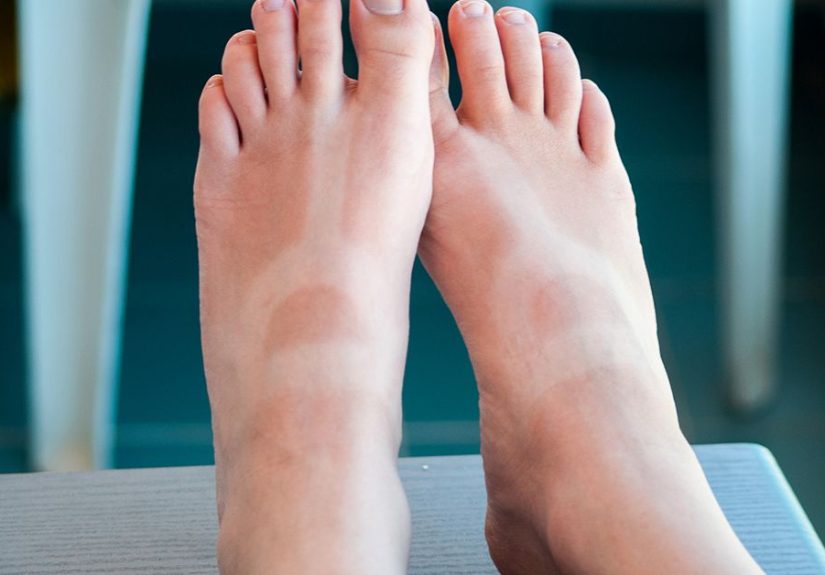
Another very typical experience is the “vacation sandal problem.” A person wears strappy sandals all day in hot weather, spends hours standing or walking, and ends up with a very distinct pattern of burn and swelling. The exposed areas puff up while the straps leave lighter lines across the skin. By bedtime, the feet feel hot and tight. By morning, the swelling may be enough to make those same sandals miserable. In these cases, elevation, cool compresses, and a day off from excessive walking often make a noticeable difference.
People also describe the odd mix of symptoms that comes with a moderate burn: the skin feels hot, but the rest of the body feels chilled; the feet look swollen, but the main complaint is tightness more than pain; or the redness seems manageable until they try to put on socks. Some say the swelling is worse after they have been upright for a while and improves when they lie down with their feet raised. That pattern can happen because fluid tends to pool in the lower legs and feet, especially in hot conditions.
There are also cases where the experience is a clue that something more serious is going on. For example, a person may assume they just have a bad burn, but then notice dizziness, nausea, intense thirst, dark urine, or chills. Others develop blisters and think they should simply “tough it out,” only to realize the swelling and pain are getting worse, not better. Those are the moments when medical care becomes important. A severe sunburn is not just skin-deep discomfort; it can affect hydration, temperature regulation, and overall health.
Some people are especially prone to more dramatic reactions. Older adults, people taking certain medications that increase sun sensitivity, travelers who are not used to intense heat, and anyone spending a long day outdoors without enough water can end up with more swelling than expected. Even people with darker skin tones, who may burn less easily, can still experience painful sun damage and inflammation from UV exposure. The lesson is simple: sunburn does not care whether the day felt breezy, whether the sky looked partly cloudy, or whether you “usually don’t burn.”
The most reassuring experience many people report is how quickly things can improve once they stop aggravating the burn. Cooling the skin, drinking water, staying out of the sun, switching to loose footwear, and putting the feet up can bring noticeable relief within a day. The biggest mistake is usually trying to power through it as if swollen, sunburned feet are a minor inconvenience. Sometimes they are. Sometimes they are your body’s very dramatic way of requesting rest, shade, and a little common sense.
Final Thoughts
Swollen feet from sunburn can range from mildly annoying to genuinely serious. In many cases, the swelling comes from the body’s inflammatory response plus heat, fluid shifts, and gravity doing what gravity does. Home remedies such as cool compresses, elevation, moisturizer, hydration, and gentle pain relief are often enough when the burn is mild and steadily improving.
But if the swelling is severe, blisters are large, symptoms spread beyond the skin, or you start feeling sick, it is time to get medical help. Your feet may be trying to tell you that this is no longer just a sunscreen fail. Listen to them. They have carried you through enough already.