Table of Contents >> Show >> Hide
- What Does “Battery Hacking” Actually Mean?
- The Smart Battery Brain: BMS, Fuel Gauges, and SMBus
- Why Battery Packs Lock Themselves Down
- Lithium-Ion Safety: The Part Nobody Should Skip
- Good Battery Hacking vs. Bad Battery Hacking
- The Right-to-Repair Angle
- Battery Recycling and Second Life: The Less Glamorous Hero
- Examples of Responsible Battery Hacking
- What Makes This Topic a “Tour De Force”?
- Experience Notes: Lessons From the Battery Bench
- Conclusion
Battery hacking sounds like something whispered in a garage at 1 a.m. beside a soldering iron, a half-empty coffee, and a laptop that refuses to admit it is dead. But the phrase Tour De Force Battery Hacking is more than a flashy title. It describes the fascinating, occasionally nerve-racking world where electronics repair, reverse engineering, battery management systems, lithium-ion safety, and right-to-repair all collide.
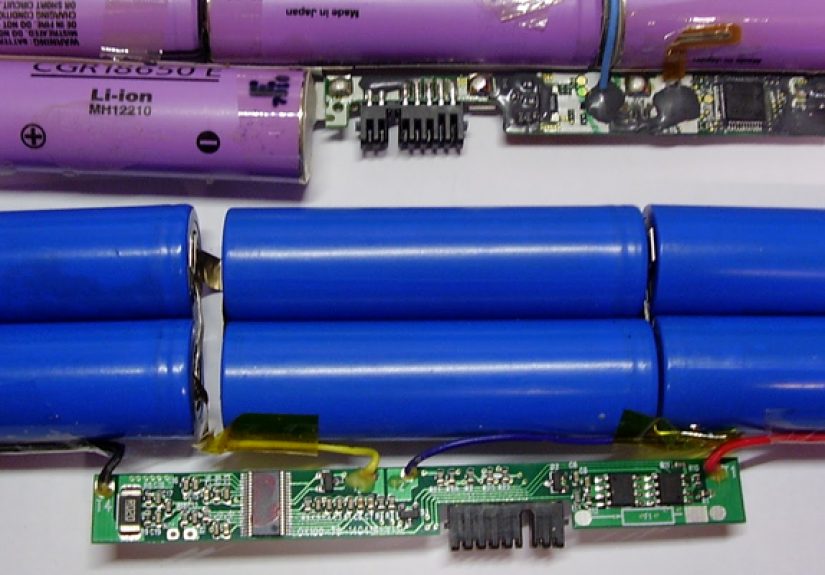
The original spark behind this topic came from a now-classic maker story: a smart laptop battery pack had perfectly usable cells, but its controller refused to charge them. Instead of tossing the pack into the electronic-waste graveyard, a hacker dug into the battery’s “brain,” studied its communication behavior, and helped build tools for talking to controller chips over SMBus. In other words, the cells were not the only thing holding energy. The circuit board had secrets too.
Today, battery hacking matters even more. Lithium-ion batteries power laptops, phones, power tools, e-bikes, scooters, cameras, backup stations, drones, and electric vehicles. They are everywhere, like glitter after a craft project. And just like glitter, they can become a problem when mishandled. Responsible battery hacking is not about defeating safety systems. It is about understanding them, diagnosing failures, extending useful life, and knowing when to step away before a “repair project” becomes a fire department training exercise.
What Does “Battery Hacking” Actually Mean?
In the best sense, battery hacking means studying how battery packs work and finding safe, practical ways to repair, reuse, monitor, or improve them. That can include reading pack data, understanding battery controller behavior, testing capacity, replacing a worn connector, documenting a battery management system, or repurposing cells only when they can be verified and protected properly.
In the worst sense, battery hacking means bypassing protection circuits, charging mystery cells with mystery chargers, mixing old and new cells, ignoring swelling, and declaring “it’ll probably be fine.” That last sentence is how many bad stories introduce themselves.
A modern smart battery pack is not just a group of cells wrapped in plastic. It usually includes temperature sensors, current-sensing circuitry, protection devices, a fuel gauge, and a battery management system, often shortened to BMS. The BMS monitors conditions such as voltage, current, temperature, and charge state. Its job is to prevent overcharging, over-discharging, overheating, short circuits, and other electrical shenanigans that lithium-ion chemistry does not find amusing.
The Smart Battery Brain: BMS, Fuel Gauges, and SMBus
The magic in a smart battery pack lives on a small circuit board. This board may use a battery fuel-gauge chip to estimate remaining capacity, cycle count, state of charge, and pack health. In laptops and many portable systems, the battery talks to the host device using SMBus, a two-wire communication protocol related to I2C. The computer asks, “How much charge do you have?” and the battery replies, ideally with something more helpful than “emotionally unavailable.”
Fuel-gauge chips can be impressively sophisticated. Some systems estimate battery capacity by combining voltage, current, temperature, depth of discharge, internal resistance, and learned behavior over time. That matters because battery percentage is not a simple gas tank needle. Lithium-ion cells have nonlinear voltage curves, temperature sensitivity, and aging patterns. A battery can look fine at rest and collapse under load like a folding chair at a family barbecue.
The famous battery hacking story behind this topic involved reverse-engineering controllers such as the bq8030, R2J240, and M37512. The hacker built a USB-to-SMBus tool and used research, datasheets, experiments, and persistence to understand why a pack refused to charge. That is the “tour de force” part: not brute force, but layered skill. Electronics knowledge, protocol analysis, firmware curiosity, and patience all showed up wearing steel-toe boots.
Why Battery Packs Lock Themselves Down
Many smart batteries are designed to stop operating when they detect unsafe or abnormal conditions. A pack may shut down after severe over-discharge, temperature faults, cell imbalance, excessive cycle count, or internal communication errors. From the user’s point of view, this can feel unfair. The battery worked yesterday; today it is a plastic brick with trust issues.
But from the controller’s point of view, refusing to charge may be the safest possible decision. If one cell group has dropped too low, charging the entire pack can be dangerous. If the temperature sensor reports an impossible value, the system may assume something is broken. If the internal flash data becomes corrupted, the battery may no longer know how to protect itself. Smart batteries sometimes fail “closed” because failing “open” can be dramatic, expensive, and smoky.
This is where responsible battery hacking becomes useful. Instead of immediately replacing cells or forcing a charge, a skilled technician asks better questions. What fault did the controller record? Are the cell groups balanced? Has the pack been exposed to water? Is the charger correct? Are the cells swollen, hot, dented, or leaking? Is the pack certified and worth servicing, or is it safer to recycle it?
Lithium-Ion Safety: The Part Nobody Should Skip
Lithium-ion batteries offer high energy density, which is a polite way of saying they store a lot of energy in a small space. That is wonderful when you want a thin laptop or an e-bike that climbs hills. It is less wonderful when a damaged pack is sitting next to a curtain, charging unattended at 2 a.m.
Battery safety agencies repeatedly warn consumers to avoid charging lithium-ion devices while sleeping or away from home, to use manufacturer-approved chargers, and to stop using batteries that show warning signs such as swelling, unusual odor, leaking, excessive heat, smoke, or physical damage. Those symptoms are the battery equivalent of a check-engine light, except the engine may be in your hallway.
E-bikes and scooters have made lithium-ion safety more visible because their battery packs are larger than phone or laptop batteries and are often charged indoors. Safety standards such as UL 2849 for e-bike electrical systems and UL 2271 for light electric vehicle batteries exist because safe battery design is not just about the cells. It includes the charger, wiring, motor controller, enclosure, firmware, thermal protection, and how all those parts behave together.
Good Battery Hacking vs. Bad Battery Hacking
Good Battery Hacking
Good battery hacking begins with measurement and respect. It focuses on diagnostics, documentation, safe testing, and repair decisions based on evidence. A responsible hobbyist or technician uses insulated tools, works in a fire-aware environment, avoids shorting terminals, reads manufacturer documentation, verifies cell condition, and understands the limits of their equipment.
Good battery hacking also respects the BMS. The protection board is not an annoying hall monitor standing between you and fun. It is the reason the battery can operate near your lap, desk, garage, or bicycle frame without turning every day into a chemistry demonstration.
Bad Battery Hacking
Bad battery hacking is usually faster, cheaper, and much dumber. It includes bypassing protection boards, mixing cells from unknown packs, charging damaged batteries, using random chargers, defeating temperature sensors, or resetting controller data without verifying the physical condition of the cells. That is not repair. That is gambling with a multimeter.
The rule is simple: if the hack removes a safety layer without replacing it with an equal or better safety system, it is not clever. It is just temporarily lucky.
The Right-to-Repair Angle
Battery hacking sits at the center of the right-to-repair debate. Many devices become useless when their battery packs fail, even when the rest of the product still works. A laptop, drill, camera, or e-bike may be mechanically fine but economically doomed because the battery is locked, glued, unavailable, or priced like it includes backstage concert tickets.
Repair advocates argue that consumers and independent technicians should have access to parts, diagnostics, and documentation. Manufacturers argue that batteries are safety-critical components and must be controlled carefully. Both sides have a point. A well-designed repair ecosystem can reduce waste and save money, but poorly performed battery work can injure people and damage property.
The best future is not “nobody can repair batteries” or “everybody should crack open packs on the kitchen table.” The better path is certified replacement parts, transparent diagnostics, safer pack designs, clear recycling channels, and repair procedures that do not require guessing passwords like a wizard at a laptop séance.
Battery Recycling and Second Life: The Less Glamorous Hero
Not every battery deserves a second life. Some deserve a respectful retirement. Lithium-ion batteries should not go into household trash or ordinary recycling bins. They can spark fires in collection trucks, recycling facilities, and waste centers. Proper disposal usually means taking them to an approved electronics recycler, battery collection program, or household hazardous waste facility. Taping terminals and individually bagging batteries helps reduce short-circuit risk during transport.
Second-life battery use is a growing field, especially for larger electric vehicle packs. A battery that no longer meets demanding transportation needs may still have value in stationary storage. But this requires testing, grading, monitoring, enclosure design, and safety controls. “It still holds a charge” is not a complete engineering assessment. It is a sentence people say right before discovering what internal resistance means.
Examples of Responsible Battery Hacking
A practical example is a laptop battery that reports zero percent even after charging. A responsible approach would begin by checking whether the charger and laptop power system are working, then reading available diagnostic data, inspecting for swelling or damage, and confirming whether the pack has entered a protective shutdown. If the cells are unsafe or deeply degraded, replacement and recycling are better than revival.
Another example is an e-bike battery with reduced range. The smart path is not to buy random cells online and rebuild the pack overnight. A safer process involves verifying charger compatibility, checking for recalls, looking for certification marks, inspecting the casing and connector, reviewing error codes, and having a qualified battery service evaluate cell balance and capacity.
For makers, a safer project might be building a battery monitor for an existing low-voltage pack, logging temperature and voltage trends, or designing a protective enclosure for certified battery modules. These projects teach real battery engineering without encouraging dangerous shortcuts.
What Makes This Topic a “Tour De Force”?
Battery hacking becomes a tour de force when it combines many disciplines at once. You need electronics knowledge to understand voltage, current, resistance, and protection circuits. You need software skills to read data buses and interpret registers. You need chemistry awareness to understand why abused cells are risky. You need mechanical judgment to recognize when a pack enclosure is damaged. And you need humility, because lithium-ion batteries are excellent teachers but terrible forgiving friends.
The most impressive battery hacks are not the ones that make sparks. They are the ones that recover useful information, prevent waste, improve safety, and document a path others can learn from. A truly great battery hacker is not trying to outsmart the BMS. They are trying to understand why it made a decision.
Experience Notes: Lessons From the Battery Bench
In practical battery work, the first lesson is that the pack tells a story before any tool is connected. A clean, undamaged battery with a known history is one kind of project. A swollen, dented, water-exposed, off-brand pack with a mystery charger is not a project; it is a polite invitation to stop. Many beginners want the exciting part first: software, firmware, hidden registers, secret commands, and that satisfying moment when a device wakes up. Experienced people start with the boring part: inspection, documentation, safe workspace, and a plan for what to do if something gets hot.
The second lesson is that “dead” does not always mean dead. Sometimes a smart battery refuses to charge because the controller has detected a condition it cannot clear on its own. Sometimes the charger is wrong. Sometimes a connector is dirty or damaged. Sometimes the pack has drifted out of balance. And sometimes the controller is absolutely correct to say no. Good diagnostics separate a recoverable communication problem from a dangerous cell problem. That distinction matters more than any hack.
The third lesson is that cheap batteries are rarely cheap in the long run. Low-cost replacement packs may use poor-quality cells, weak welds, thin wiring, vague protection circuits, or inaccurate fuel gauges. They may work for a while, then behave strangely: sudden shutdowns, inaccurate percentages, refusal to charge, unusual heat, or rapid capacity loss. Saving money feels great until the battery becomes a tiny unreliable roommate living inside your device.
The fourth lesson is that battery data can be misleading. A pack may report a healthy percentage while delivering poor runtime under load. A fuel gauge may need calibration. A state-of-health reading may not reflect the weakest cell group. Temperature matters. Load matters. Age matters. Storage conditions matter. Battery hacking teaches patience because one measurement rarely tells the whole truth.
The fifth lesson is that safe design is usually invisible. Nobody celebrates a charger that stops correctly, a fuse that opens, a thermal sensor that prevents charging, or a BMS that refuses to energize a questionable pack. Yet those quiet decisions are the reason batteries work safely millions of times every day. The best repair mindset is not “how do I defeat this protection?” but “what condition caused this protection, and is the underlying problem truly fixed?”
The sixth lesson is that documentation is a superpower. Label the pack, record measurements, note charger specifications, photograph connectors before disassembly, and keep track of symptoms. A messy bench creates messy conclusions. Battery work rewards the kind of person who writes things down, even if their handwriting looks like a caffeinated spider crossed a keyboard.
The final lesson is knowing when to recycle. There is no shame in deciding a battery is unsafe, uneconomical, or simply not worth the risk. In fact, that decision is often the most professional one. Tour De Force Battery Hacking is not about forcing every pack back to life. It is about understanding the technology well enough to make the right call: repair, reuse, repurpose, replace, or responsibly retire.
Conclusion
Tour De Force Battery Hacking is a brilliant phrase because it captures both the thrill and the seriousness of working with smart battery systems. Behind every modern lithium-ion pack is a small world of chemistry, firmware, sensors, safety logic, and engineering judgment. The real achievement is not merely reviving a stubborn battery. It is learning how the system protects itself, why failures happen, and how repair can be done without turning safety into an optional accessory.
For makers, technicians, and curious readers, the takeaway is clear: battery hacking can be valuable when it is careful, informed, and safety-first. It can reduce waste, support right-to-repair, teach electronics, and extend the life of useful devices. But the line between clever repair and reckless experimentation is thin. Respect the BMS, respect lithium-ion chemistry, use certified chargers and parts, recycle damaged packs properly, and never treat a battery like an ordinary plastic box full of sleepy electricity.
Note: This article is educational and safety-focused. It does not recommend bypassing battery protection systems, charging damaged cells, rebuilding lithium-ion packs without proper training, or ignoring manufacturer safety guidance.