Table of Contents >> Show >> Hide
- What Is a Windowsill Garden?
- Why the Windowsill Gardener Trend Works
- Choosing the Best Windowsill for Plants
- Best Plants for a Windowsill Garden
- Containers: Small Pots, Big Consequences
- How to Water a Windowsill Garden Without Overdoing It
- Feeding and Harvesting: Keep It Light, Keep It Regular
- Design Ideas for a Gardenista-Inspired Windowsill
- Common Windowsill Gardening Mistakes
- A Simple 7-Day Windowsill Garden Setup Plan
- Experiences From the Windowsill: Lessons Learned One Pot at a Time
- Conclusion: The Smallest Garden Can Still Be a Real Garden
A windowsill may not look like much at first. It is narrow, sunny for only part of the day, and usually occupied by a mug, a forgotten receipt, or one very judgmental cat. But in the hands of a thoughtful windowsill gardener, that small ledge becomes a miniature greenhouse, a kitchen helper, a mood booster, and occasionally a tiny drama stage where basil wilts if you so much as look away for lunch.
The idea behind Trending on Gardenista: The Windowsill Gardener is simple: you do not need a backyard, a greenhouse, or a shed full of tools to grow something beautiful and useful. Inspired by Gardenista’s small-space gardening sensibility, this guide explores how to turn a sunny window into a practical indoor garden. Think herbs for weeknight pasta, microgreens for sandwiches, compact houseplants for style, and a few smart habits that keep the whole operation from becoming a crispy botanical tragedy.
Windowsill gardening fits perfectly into modern American homes, especially apartments, condos, dorm rooms, townhouses, and kitchens where outdoor space is either limited or imaginary. It is gardening for people who love plants but also love convenience. It is fresh flavor within arm’s reach. It is design with dirt under its fingernails.
What Is a Windowsill Garden?
A windowsill garden is a small indoor garden grown on or near a window ledge. It can include culinary herbs, microgreens, baby greens, succulents, small houseplants, flowering plants, or compact edible crops. The best windowsill gardens are not crowded collections of random pots. They are planned around light, drainage, plant size, and the way you actually live.
For example, a kitchen windowsill with strong southern or western exposure is ideal for herbs such as basil, thyme, oregano, chives, parsley, and mint. A bright east-facing window can support many herbs and leafy greens with gentler morning sun. A north-facing window may be better for low-light houseplants unless you add a grow light. In other words, the window chooses the plant as much as the gardener does. That is humbling, but plants have never been known for asking permission.
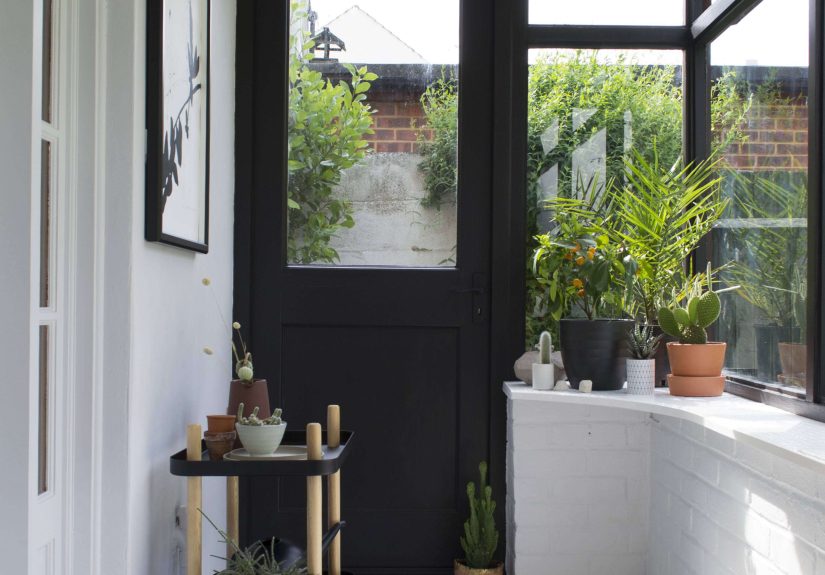
The beauty of windowsill gardening is flexibility. Containers can be moved, rotated, replaced, or rearranged as the seasons change. A windowsill garden can be as simple as three clay pots of herbs or as elaborate as a tiered indoor microgarden with grow lights, humidity trays, plant labels, and tiny scissors that make you feel like a very serious horticultural surgeon.
Why the Windowsill Gardener Trend Works
Small-space gardening has become popular because it answers several everyday needs at once. It saves space, reduces waste, adds greenery to the home, and brings fresh ingredients closer to the kitchen. The windowsill gardener does not need to wait for a perfect yard or a perfect season. The garden begins where the light enters.
It Makes Fresh Food Feel Effortless
Fresh herbs are wonderful until you buy a bunch, use six leaves, and watch the rest turn into refrigerator seaweed. A windowsill herb garden solves that problem. Snip only what you need, leave the plant to regrow, and enjoy fresher flavor without the guilt of composting another slimy parsley bundle.
Microgreens make the payoff even faster. Many types can be grown indoors in shallow trays and harvested within days or a few weeks. Radish, arugula, kale, broccoli, cabbage, mustard, and pea shoots are popular choices because they grow quickly and add color, texture, and flavor to meals. They are small, but they punch above their weight, like a garnish with a gym membership.
It Turns Small Homes Into Greener Homes
Plants soften hard edges in a room. They make a kitchen feel warmer, a desk feel calmer, and a rental apartment feel less like a temporary box where dreams go to pay rent. Even a row of modest pots can change how a space feels. The trick is choosing plants that match the light and maintenance level you can realistically provide.
It Encourages Daily Observation
Outdoor gardens can hide their problems for days. A windowsill garden sits right in front of you, silently tattling. Drooping leaves? Time to check the soil. Leggy growth? More light, please. Yellowing leaves? Possibly overwatering, poor drainage, or low nutrients. The windowsill gardener learns quickly because the evidence is sitting next to the coffee maker.
Choosing the Best Windowsill for Plants
Light is the biggest factor in windowsill gardening. Most herbs need strong light to grow well and develop good flavor. A south-facing window usually provides the brightest exposure in many U.S. homes, followed by west-facing windows. East-facing windows can work beautifully for plants that appreciate morning sun. North-facing windows are usually lower light and better suited to tolerant houseplants or gardens supported by artificial lighting.
For herbs, aim for at least six hours of bright light, with many herbs preferring closer to eight hours of direct light indoors. If your plants stretch, lean, or grow thin and floppy, they are not being dramatic for attention; they are telling you they need more light. A full-spectrum LED grow light on a timer can make a huge difference, especially in winter when daylight is short.
Window Direction Cheat Sheet
- South-facing window: Best for sun-loving herbs, microgreens, succulents, and compact edible plants.
- West-facing window: Bright afternoon light; good for many herbs and sturdy houseplants.
- East-facing window: Gentle morning sun; useful for parsley, chives, mint, baby greens, and many houseplants.
- North-facing window: Low light; better for pothos, snake plant, ZZ plant, or a grow-light setup.
Temperature matters too. A sunny sill can become surprisingly hot during the day and chilly at night, especially in winter. Avoid placing tender herbs directly against cold glass. Basil, in particular, dislikes cold drafts and will let you know by looking personally betrayed.
Best Plants for a Windowsill Garden
The best windowsill plants are compact, useful, attractive, and suited to container life. Start small. A successful three-pot garden is better than a crowded twelve-pot jungle that blocks the window, annoys the cat, and requires an irrigation engineering degree.
Best Culinary Herbs for Windowsills
Chives are one of the easiest indoor herbs and can tolerate less intense light than many Mediterranean herbs. They are perfect for eggs, potatoes, soups, and salads.
Parsley grows well in containers and brings fresh flavor to nearly everything. It likes steady moisture but not soggy soil.
Mint is vigorous, fragrant, and almost suspiciously enthusiastic. Grow it in its own pot because mint has the personal boundaries of a reality TV contestant.
Thyme prefers bright light and well-drained soil. It is compact, aromatic, and ideal for roasted vegetables, chicken, soups, and stews.
Oregano is another strong candidate for sunny windows. It likes good drainage and regular trimming.
Basil is beloved but slightly fussy indoors. Give it warmth, strong light, and consistent watering. Pinch it often to keep it bushy.
Cilantro can be grown indoors, but it has a short life cycle and tends to bolt. Sow small batches regularly rather than expecting one plant to last forever.
Best Microgreens for Windowsill Growing
Microgreens are ideal for beginners because they are fast, compact, and forgiving. Try radish for spice, broccoli for mild earthiness, arugula for peppery bite, kale for sturdy greens, mustard for heat, pea shoots for sweetness, and sunflower shoots for crunch. Use untreated seeds labeled for sprouting or microgreen use, and grow them in shallow trays with a lightweight soilless mix or suitable growing mat.
Microgreens do not need deep soil. They need clean containers, steady moisture, good airflow, and enough light to green up after germination. The key is to keep the medium moist but not swampy. Remember: microgreens want a spa day, not a swamp vacation.
Best Decorative Houseplants for Windowsills
If your goal is beauty rather than dinner, consider pothos, peperomia, spider plant, haworthia, echeveria, small snake plant varieties, African violet, or compact philodendron. Match each plant to your window’s light. Succulents want brighter light and drier conditions, while many tropical foliage plants prefer bright indirect light and more consistent moisture.
Containers: Small Pots, Big Consequences
Containers are not just decoration. They control moisture, root health, and plant survival. The most important rule is simple: use pots with drainage holes. A cute pot without drainage is not a pot; it is a tiny ceramic bathtub where roots go to reconsider their life choices.
Clay and terra-cotta pots are excellent for herbs because they breathe and dry more quickly. This helps prevent soggy soil, especially for thyme, oregano, rosemary, and sage. Plastic pots hold moisture longer and can be useful for plants like parsley, mint, and baby greens, but they require more careful watering.
Use a lightweight potting mix rather than garden soil. Garden soil is too dense for containers, compacts easily, and can cause drainage problems indoors. For herbs, choose a well-draining potting mix. For microgreens, a shallow layer of soilless mix works well. For succulents, use a cactus or succulent mix. One bag of “whatever was in the garage” is not a universal growing medium, no matter how confident it looks.
How to Water a Windowsill Garden Without Overdoing It
Overwatering is one of the most common reasons indoor plants fail. Windowsill gardeners often water from love, guilt, boredom, or the sudden belief that a plant looked “a little quiet.” Unfortunately, roots need both water and oxygen. Constantly wet soil encourages root rot, fungus gnats, and sad little stems.
Before watering herbs or houseplants, feel the soil. Many herbs prefer the top layer to dry slightly before the next drink. For indoor herbs, checking about half an inch below the soil surface is a useful habit. For microgreens, keep the growing medium evenly moist during germination and early growth, often with misting or bottom watering.
Simple Watering Rules
- Water thoroughly until excess drains from the bottom, then empty the saucer.
- Do not let pots sit in standing water unless the plant is specifically grown in a self-watering system.
- Water less in winter when growth slows and light levels drop.
- Use room-temperature water when possible.
- Group plants with similar water needs together.
If leaves yellow and soil is wet, reduce watering and improve drainage. If leaves wilt and soil is dry, water more deeply. If leaves wilt and soil is wet, the roots may already be struggling. Plants are honest, but they do not always speak in complete sentences.
Feeding and Harvesting: Keep It Light, Keep It Regular
Indoor herbs do not need heavy feeding. In fact, too much fertilizer can produce weak growth and less concentrated flavor. During active growth in spring and summer, use a diluted balanced fertilizer occasionally. In winter, reduce or pause feeding unless plants are growing under strong supplemental lights.
Harvesting is not just for the cook; it is part of plant care. Regular snipping encourages many herbs to branch and stay compact. For basil, cut above a pair of leaves to encourage bushy growth. For chives, snip from the outside. For parsley, harvest outer stems first. For thyme and oregano, trim lightly and often.
Never remove more than about one-third of a perennial herb at once unless you enjoy suspense. Annual leafy herbs can handle a stronger cut, but they still need enough stem and leaf area to regrow.
Design Ideas for a Gardenista-Inspired Windowsill
The Gardenista look is not about cramming plants into every inch. It is edited, useful, textural, and calm. A beautiful windowsill garden combines practical growing with visual order.
Try a Kitchen Herb Row
Line up three to five matching pots with basil, parsley, thyme, oregano, and chives. Use plant labels if you like, especially before your oregano and marjoram begin impersonating each other.
Create a Microgreen Station
Use two or three shallow trays and sow them a few days apart. This succession method gives you a steady harvest instead of one heroic salad followed by three weeks of longing.
Mix Edible and Ornamental Plants
Pair purple basil with a small trailing plant, or place a pot of chives next to a compact African violet. The contrast of edible leaves, flowers, and foliage makes the windowsill feel intentional rather than accidental.
Use Vertical Space
If the sill is narrow, add a tiered stand near the window. Wall-mounted shelves, hanging planters, and slim plant ladders can multiply growing space without stealing the entire counter.
Common Windowsill Gardening Mistakes
The first mistake is choosing plants for fantasy conditions instead of real conditions. Lavender, rosemary, and tomatoes may sound charming, but they need abundant light. If your window is dim, choose tolerant houseplants or use grow lights.
The second mistake is overcrowding. Plants need airflow. Crowded pots trap moisture, invite pests, and make watering difficult. Give each plant enough space to grow without elbowing its neighbor like commuters on a subway.
The third mistake is ignoring pests. Aphids, spider mites, whiteflies, and fungus gnats can appear indoors. Inspect new plants before bringing them home, isolate suspicious plants, and check leaf undersides regularly. A quick response is much easier than managing a full-blown insect convention.
The fourth mistake is forgetting to rotate pots. Plants lean toward light. Turn pots every few days to encourage even growth. Otherwise, your basil will slowly become a botanical question mark.
A Simple 7-Day Windowsill Garden Setup Plan
Day 1: Study Your Light
Watch the window for a day. Note when direct sun arrives and leaves. Choose plants based on the actual light, not the light you wish you had.
Day 2: Choose Your Plants
Start with three herbs or one herb plus one microgreen tray and one houseplant. Good beginner choices include chives, parsley, mint, basil, radish microgreens, and pothos.
Day 3: Gather Supplies
You will need containers with drainage holes, saucers, potting mix, seeds or starter plants, labels, small scissors, and possibly a grow light.
Day 4: Plant and Place
Pot herbs at the same depth they were growing in their nursery containers. Sow microgreens densely across a shallow tray. Place everything where light is strongest.
Day 5: Water Carefully
Water herbs until moisture drains out, then empty saucers. Mist or bottom-water microgreens to keep the medium moist without washing seeds away.
Day 6: Observe
Look for leaning, wilting, yellowing, or dry soil. Adjust placement and watering as needed.
Day 7: Begin the Routine
Rotate pots, check moisture, trim herbs lightly, and start a second microgreen tray if you want a steady supply.
Experiences From the Windowsill: Lessons Learned One Pot at a Time
The real charm of windowsill gardening is that it teaches you through small, daily moments. A windowsill garden is not a grand estate garden with clipped hedges and a dramatic fountain. It is more intimate than that. It is the place where you notice that the basil perks up after being moved two inches closer to the glass, or that mint can survive almost anything except being forgotten behind the toaster.
Many beginners start with enthusiasm and too many plants. The first experience is often a lesson in restraint. Five pots look adorable at the garden center, but on a narrow kitchen ledge they become a traffic jam. Watering becomes awkward, leaves overlap, and one pot always ends up hiding in the shade. The better approach is to start with a small cast of reliable characters: chives, parsley, basil, and one tray of radish microgreens. Once those are thriving, add more.
Another common experience is learning that “sunny window” is not a universal measurement. A window that looks bright to human eyes may not provide enough direct light for herbs. The plant tells the truth. If stems stretch and leaves grow pale, the garden is asking for help. A small grow light on a timer can transform the situation. It may feel overly technical at first, but it quickly becomes as normal as plugging in a coffee maker.
Watering is where most windowsill gardeners earn their stripes. At first, it is tempting to water every plant on the same schedule. Monday is watering day, so everyone gets a drink. The problem is that plants do not read calendars. Thyme may still be dry and happy, while parsley is thirsty and basil is somewhere in between, preparing a strongly worded complaint. The best habit is to check each pot individually. Touch the soil. Lift the pot. Notice the leaves. This turns plant care from a chore into a conversation.
Harvesting brings the greatest satisfaction. Snipping chives over scrambled eggs feels tiny but luxurious. Adding homegrown basil to tomato toast makes lunch taste like you planned your life better than you did. Cutting microgreens for a sandwich can turn ordinary leftovers into something that looks cafe-worthy. The garden becomes part of the kitchen rhythm, not a separate hobby that requires boots and a weather forecast.
There is also an emotional benefit that is harder to measure but easy to feel. A windowsill garden gives you something living to check on every morning. In winter, when outdoor gardens are sleeping and the world looks gray, a tray of green shoots can feel quietly heroic. In a small apartment, a few plants can make the room feel more settled. The garden does not solve every problem, of course. It will not answer emails, fold laundry, or explain why there is always one missing food storage lid. But it does create a pocket of care, and that matters.
The best experience is realizing that windowsill gardening is forgiving. A failed cilantro plant is not a moral failure. A leggy basil is not a personality flaw. It is information. Try again with more light, a smaller pot, better drainage, or a different plant. The windowsill gardener learns by adjusting, not by achieving perfection. That is why this trend continues to feel fresh: it makes gardening accessible, stylish, useful, and wonderfully human.
Conclusion: The Smallest Garden Can Still Be a Real Garden
Trending on Gardenista: The Windowsill Gardener celebrates a simple but powerful idea: gardening belongs wherever there is light, curiosity, and a little room for a pot. A windowsill garden may be small, but it can produce fresh herbs, crisp microgreens, cheerful flowers, and daily satisfaction. It can make a kitchen feel alive and turn ordinary meals into something brighter.
Success begins with matching plants to light, choosing containers with drainage, using quality potting mix, watering with restraint, and harvesting regularly. Add a grow light if the window is dim. Rotate pots. Watch for pests. Keep the garden edited and useful. Most of all, enjoy the process. The windowsill gardener does not need acres, expensive tools, or heroic patience. Just a sunny ledge, a few good plants, and the willingness to learn when the basil gets dramatic.