Table of Contents >> Show >> Hide
- What Are Shallots?
- What Do Shallots Taste Like?
- How to Buy, Prep, and Cook Shallots Like You Mean It
- Shallot Nutrition (and What’s Actually in Them)
- Potential Benefits of Shallots
- Possible Downsides and Who Should Be Careful
- How to Store Shallots So They Don’t Turn Into Science Projects
- Best Shallot Substitutes (With Real-World Ratios)
- 1) Yellow onion (best all-purpose substitute)
- 2) Red onion (best for raw dressings)
- 3) Scallions (green onions)
- 4) Leeks (for soups, braises, and gentle allium flavor)
- 5) Garlic (only if the recipe can handle the punch)
- 6) Onion + garlic combo (closest “shallot-like” vibe)
- 7) Chives (best for finishing)
- Substitute quick chart
- FAQs About Shallots
- Real-Life Shallot Experiences ( of “Oh, That’s Why People Use These”)
- Conclusion
Shallots are the “secret handshake” of home cooking: small, unassuming bulbs that quietly make
sauces silkier, dressings brighter, and weeknight dinners taste like you planned them on purpose.
They’re in the same family as onions, garlic, and leeks (the allium family), but shallots bring a
gentler, slightly sweeter vibewith a hint of garlicky personality that doesn’t shout over everything else.
In this guide, we’ll break down what shallots are, how they taste, what nutrients they bring to the table,
the potential health benefits backed by real research, and the best substitutes when your pantry fails you
(because it will… usually five minutes after the store closes).
What Are Shallots?
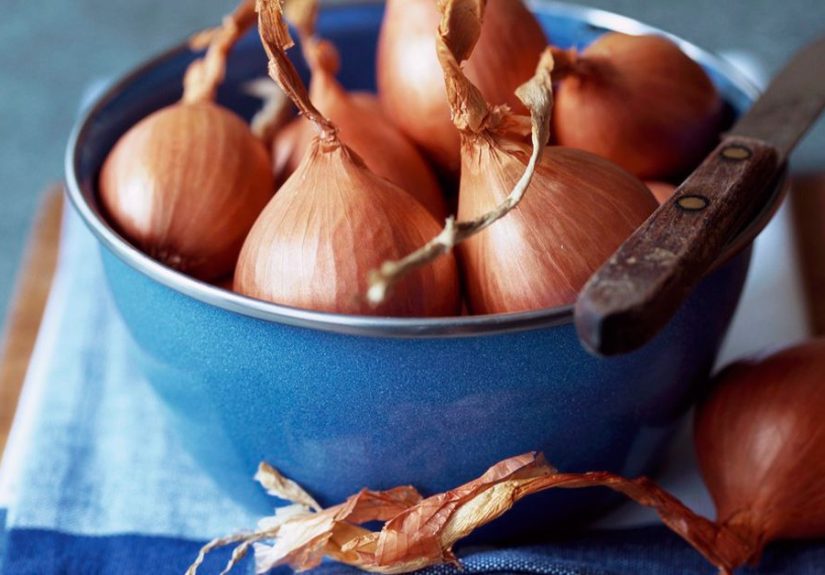
Shallots are small bulbs with papery skinoften coppery-brown or reddishand they typically grow in
clusters, kind of like garlic does. Inside, you’ll usually find multiple lobes (segments). Culinary-wise,
they’re used like onions: sliced, minced, sautéed, roasted, pickled, or eaten raw.
Shallots vs. onions: what’s the difference?
Both are alliums, but they behave differently in the kitchen:
- Flavor: Shallots are generally milder and slightly sweeter than many onions, especially when raw.
- Aroma: They’re more delicateless “onion breath,” more “restaurant salad dressing.”
- Texture when cooked: Shallots soften quickly and can almost melt into sauces and pan drippings.
- Shape: Shallots are smaller and more oblong; onions are usually round.
In raw recipes (like vinaigrettes), that gentler bite is why shallots are often preferred. In cooked dishes,
onions can sub in just finethough the flavor may be bolder and a little less refined.
Common types of shallots
You’ll usually find a few broad styles mentioned in cooking resources:
- French gray (griselle) shallots: Famous in French cooking; smaller, with a more intense, complex flavor.
- Jersey shallots: Larger, more common in many supermarkets; good all-purpose choice.
- Red shallots: Slightly sharper, excellent for pickling and raw applications.
What Do Shallots Taste Like?
A good shallot tastes like a “best-of” compilation: a little onion sweetness, a tiny garlic-like edge,
and a mellow finish that doesn’t bulldoze your dish. Raw shallots can be crisp and bright; cooked
shallots become sweet, soft, and savorygreat for sauces, gravies, and anything that needs depth.
Best uses based on flavor
- Raw: vinaigrettes, salad dressings, quick pickles, salsa, herby sauces
- Sautéed: pan sauces, risotto, soups, pasta, stir-fries
- Roasted: sheet-pan vegetables, roasted chicken, warm grain bowls
- Fried: crispy shallots for topping noodles, salads, and rice dishes (a crunchy life upgrade)
How to Buy, Prep, and Cook Shallots Like You Mean It
How to choose good shallots
- Look for bulbs that feel firm, heavy for their size, and dry on the outside.
- Avoid soft spots, moisture, visible mold, or sprouts (sprouted shallots aren’t “bad,” just less ideal).
How to peel shallots fast
- Trim the ends (root and stem).
- Slice lengthwise through the skin (don’t cut all the way through the bulb).
- Peel off the papery layer. If the first layer underneath is tough, peel that too.
How to cut shallots without tears and regret
Shallots can still make you tear upjust generally less dramatically than onions. Use a sharp knife,
keep the root end intact while slicing for better control, and mince with calm confidence.
Cooking tip: avoid burning
Because shallots are smaller and often sweeter than onions, they can brown quickly. Cook them
on medium or medium-low heat if you’re building flavor for a sauce, soup, or sauté.
Shallot Nutrition (and What’s Actually in Them)
Shallots are low in calories and mostly water and carbohydrates, with small amounts of protein and
minimal fat. They also contain fiber and modest amounts of vitamins and minerals.
Nutrition snapshot
Here are approximate values for raw shallots per 100 grams (about a small handful of chopped shallot):
- Calories: ~72
- Carbohydrates: ~16.8 g
- Fiber: ~3.2 g
- Protein: ~2.5 g
- Fat: ~0.1 g
In real life, you usually use less than 100 grams. For example, 1 tablespoon chopped (about 10 g)
is roughly 7 calories. That’s the culinary equivalent of “free flavor.”
Key micronutrients you’ll find in shallots
- Vitamin C: supports immune function and collagen formation
- Vitamin B6: involved in energy metabolism and nervous system function
- Folate: important for cell growth and DNA synthesis
- Manganese: supports antioxidant enzymes and metabolism
- Potassium: helps regulate fluid balance and blood pressure
Shallots also contain plant compounds typical of alliums, including flavonoids (like quercetin)
and organosulfur compounds that contribute to their flavor and may play roles in health effects.
Potential Benefits of Shallots
Shallots aren’t a magic vegetable that will fix everything (sadly), but research on allium vegetables
suggests they can be a smart part of an overall healthy eating pattern. Here are the most commonly
discussed benefitsphrased like a responsible adult, not a late-night infomercial.
1) Antioxidant support
Shallots contain antioxidants, including flavonoids such as quercetin. Antioxidants help neutralize
free radicals that contribute to oxidative stress. In practical terms: more plants, more protective compounds,
fewer “why do I feel like a crumpled receipt” daysat least nutritionally speaking.
2) Heart and metabolic health (supportive, not guaranteed)
Research on onions and other alliums points to potential heart-health support, often linked to compounds
like quercetin and overall anti-inflammatory effects. Shallots share similar families of compounds, so
they’re plausibly part of the same “helpful allium club.” Still, the biggest real-world win is that shallots
help you cook more at homewhich often means fewer ultra-processed meals and better overall nutrition.
3) Antimicrobial activity (mostly lab-based findings)
Some studies suggest shallot extracts may show antimicrobial effects in laboratory settings. That doesn’t
mean eating shallots replaces medical care or food safety practicesplease don’t try to disinfect your
cutting board with a shallot. But it does reinforce that alliums contain bioactive compounds that scientists
find interesting.
4) Allergy and inflammation research (quercetin connection)
Quercetin has been studied for anti-inflammatory and anti-allergic properties, including its influence on
certain immune responses. Shallots are one dietary source of quercetin, though the amount you consume
depends on portion size and preparation. This is a “supporting actor” benefit, not a starring-role cure.
5) Fiber for gut health
Shallots provide fiber, which supports digestion and helps feed beneficial gut bacteria. Fiber also contributes
to fullness and steadier blood sugar response when part of balanced meals.
Possible Downsides and Who Should Be Careful
Allium sensitivity and FODMAP issues
Shallots are part of the allium family (like onions and garlic), and they can be a problem for people who are
sensitive to fructans (a type of carbohydrate that falls under the FODMAP umbrella). If you have IBS,
fructan intolerance, or you’re on a low-FODMAP plan with medical guidance, shallots may trigger symptoms
like gas, bloating, or discomfort.
If you still want allium flavor without the full fructan hit, many people do better with options like
chives or the green tops of scallions (often used as low-FODMAP-friendly alternatives).
Allergies
True allium allergy is less common, but it can happen. If you notice consistent symptoms after eating shallots,
onions, garlic, or leeks, consider talking with a clinician or registered dietitian.
How to Store Shallots So They Don’t Turn Into Science Projects
Whole, unpeeled shallots keep best in a cool, dry, dark, well-ventilated spotthink pantry, cupboard,
or a breathable basket. Avoid sealed plastic bags; trapped moisture speeds up spoilage.
Storage cheat sheet
- Whole shallots: cool/dry/dark with airflow; often last weeks (sometimes longer, depending on freshness)
- Peeled or cut shallots: refrigerate in an airtight container and use within a few days
- Frozen: you can freeze chopped shallots for cooking (texture changes, but flavor still helps)
Best Shallot Substitutes (With Real-World Ratios)
Out of shallots? Welcome to the club. The best substitute depends on whether the shallot is
raw (where delicacy matters) or cooked (where you can cheat more).
1) Yellow onion (best all-purpose substitute)
Yellow onion is widely available and works well in cooked recipes. Use a 1:1 substitution by volume
when chopped (example: 1/4 cup chopped shallot → 1/4 cup chopped yellow onion). If the onion tastes too sharp
for a raw recipe, soak chopped onion briefly in cold water, drain well, and pat dry to mellow it.
2) Red onion (best for raw dressings)
Red onion is often the best stand-in when shallots are meant to be eaten raw, like in vinaigrette.
Use a 1:1 chopped-volume swap, then adjust to taste. If it still feels too punchy, do the cold-water soak trick.
3) Scallions (green onions)
Scallions are milder, especially the green tops. They’re great in salads, dips, and quick sautés.
Use about 2 tablespoons sliced scallions for 1 tablespoon minced shallot, and tweak based on the recipe.
4) Leeks (for soups, braises, and gentle allium flavor)
Leeks bring a soft, sweet onion-like flavorexcellent in cooked dishes. Clean them well (they trap grit).
Use 1:1 by volume in soups and slow-cooked recipes.
5) Garlic (only if the recipe can handle the punch)
Garlic is stronger and different, but in cooked dishes it can help. For a recipe that uses a small amount of shallot,
try 1 small garlic clove (or less) in place of 1 small shallot, especially if the dish already includes onion.
6) Onion + garlic combo (closest “shallot-like” vibe)
If you want something closer to shallot’s onion-meets-garlic personality, combine:
- 2 parts onion + 1 part garlic (both minced)
Start small. You can always add more, but you can’t un-garlic a sauce without inventing time travel.
7) Chives (best for finishing)
Chives won’t replace the body of cooked shallots, but they’re a great substitute for that light onion note
in dips, scrambled eggs, and as a garnishespecially if you need something gentler.
Substitute quick chart
- Cooked recipe: yellow onion (1:1) or leeks (1:1)
- Raw vinaigrette: red onion (1:1, then mellow if needed)
- Low-FODMAP needs: chives or scallion tops (use to taste)
- Need “shallot-ish” complexity: onion + tiny bit of garlic
FAQs About Shallots
Can you eat shallots raw?
Yes. In fact, raw shallots are popular in dressings and salads because they’re typically milder than many onions.
Mince them finely for the best texture and balance.
Do shallots have to be cooked before using?
Nope. Raw, cooked, pickled, friedshallots are flexible. The “right” choice depends on the flavor profile you want.
Are shallots healthier than onions?
“Healthier” is context-dependent. Both are nutritious allium vegetables with beneficial plant compounds.
The best choice is the one you’ll actually use often in real meals.
Why do chefs love shallots so much?
Because shallots give flavor without overpowering. They build depth in sauces, melt into sautés,
and make dressings taste like they came from a place with cloth napkins.
Real-Life Shallot Experiences ( of “Oh, That’s Why People Use These”)
Once you start keeping shallots around, a few funny (and genuinely useful) kitchen patterns tend to show up.
The first is the “vinaigrette glow-up.” Someone makes a basic dressingolive oil, vinegar, mustard, saltand
it’s fine. Then they add a tablespoon of minced shallot and suddenly it tastes like the salad cost $18 and came
with a lecture about heirloom radicchio. The shallot doesn’t dominate; it quietly fills the gaps between acid
and fat, like a tiny flavor bridge.
Next comes the “pan sauce confidence boost.” You sauté chicken or steak, pull it off the heat, and look at the
browned bits stuck to the pan. This is where many home cooks either (A) panic and wash the pan or (B) level up.
Toss in chopped shallots with a bit of butter or oil, keep the heat moderate, and watch them soften fast.
Add a splash of wine, broth, or even water, scrape the pan, and suddenly you’ve got a sauce that tastes like you
know what “deglaze” means without Googling it mid-cooking.
Then there’s the “crispy shallot era.” Someone tries frying thin slices for the first time and discovers two truths:
(1) crispy shallots make everything betterramen, salads, roasted vegetables, mashed potatoes, eggsand
(2) you will eat half of them “for quality control” before they ever reach the table. The experience is oddly
universal: they come out of the pan golden and fragrant, you set them on a paper towel, and you swear you’ll
only taste one. Five minutes later, you’re wondering how a small pile of shallots turned into a small pile of
crumbs. It’s not your fault. Crispy shallots are basically edible applause.
Another common moment is realizing shallots are the best kind of “invisible ingredient.” In soups, stews, and
slow-cooked dishes, they dissolve into the background and make everything taste more rounded. People often
describe it as “restaurant flavor,” but it’s really just balanced allium sweetness without the sharp edges.
This is especially noticeable in creamy sauces or risotto-style dishes where harsh onion flavor would feel out of place.
Finally, you may notice the “substitution detective” phase. You run out of shallots, use onion, and the dish is still good
just louder. Then you try red onion in a raw dressing and realize the salad tastes a bit more aggressive. That’s when
you learn the real lesson: shallots aren’t always mandatory, but they’re an easy way to make flavors feel polished.
And once your taste buds catch that difference, you start buying shallots the way people buy batteriesbecause
you only appreciate them when you suddenly don’t have them.
Conclusion
Shallots are a small ingredient with big payoffs: gentle flavor, kitchen versatility, and a nutrition profile that fits
comfortably into healthy eating. They add elegance to dressings, depth to sauces, and sweetness to roasted dishes
and when you’re out, you’ve got plenty of smart substitutes (yellow onion, red onion, scallions, leeks, or a careful
onion-garlic combo). Keep a few on hand, store them properly, and your “basic” meals will start tasting
suspiciously impressive.