Table of Contents >> Show >> Hide
- Why Food Matters When You Take Antibiotics
- What to Eat During Antibiotics
- What to Eat After Antibiotics
- Foods and Drinks to Avoid or Limit During Antibiotics
- Should You Take Probiotic Supplements With Antibiotics?
- Sample Meal Plan During Antibiotics
- When to Call a Doctor
- Practical Experiences: What Eating During and After Antibiotics Often Feels Like
- Conclusion
Note: This article is for general educational purposes and does not replace advice from a doctor, pharmacist, or registered dietitian. Always follow the instructions on your prescription label, especially because some antibiotics must be taken with food, while others work best on an empty stomach.
Antibiotics can be tiny medical superheroes. They march in, fight bacterial infections, and help your body get back to normal. But like many superheroes, they are not exactly subtle. While antibiotics target harmful bacteria, they can also disturb helpful bacteria in your gut. That is why some people feel bloated, queasy, gassy, or suddenly very familiar with the bathroom floor tile pattern while taking them.
The good news: what you eat during and after antibiotics can make the experience much smoother. Food will not magically cancel every side effect, and no smoothie can “detox” your antibiotic out of existence. But the right meals can support digestion, help maintain hydration, feed beneficial gut bacteria, and reduce irritation when your stomach feels like it has joined a marching band.
This guide explains what you should eat during antibiotics, what to avoid, how to rebuild your gut afterward, and how to make practical food choices without turning your kitchen into a science lab.
Why Food Matters When You Take Antibiotics
Antibiotics are prescribed to treat bacterial infections, such as strep throat, urinary tract infections, certain skin infections, pneumonia, dental infections, and more. They work by killing bacteria or stopping bacteria from multiplying. The challenge is that your digestive tract naturally contains trillions of microorganisms, including many helpful bacteria that support digestion, immune function, and gut balance.
When antibiotics disrupt this balance, some people develop antibiotic-associated diarrhea, stomach cramps, nausea, or changes in appetite. For many people, these symptoms are mild and temporary. For others, especially older adults, people with weakened immune systems, or people taking broad-spectrum antibiotics, digestive side effects can be more serious.
Food matters because it can do three important things: provide gentle nutrition while your stomach is sensitive, feed beneficial gut bacteria, and help replace fluids and electrolytes if diarrhea occurs. The goal is not to eat perfectly. The goal is to eat wisely, consistently, and in a way your body can actually tolerate.
What to Eat During Antibiotics
During an antibiotic course, focus on foods that are easy to digest, rich in nutrients, and supportive of gut health. Think of your diet as a calm friend who shows up with soup, not a loud friend who brings nachos, energy drinks, and chaos.
1. Plain Yogurt With Live and Active Cultures
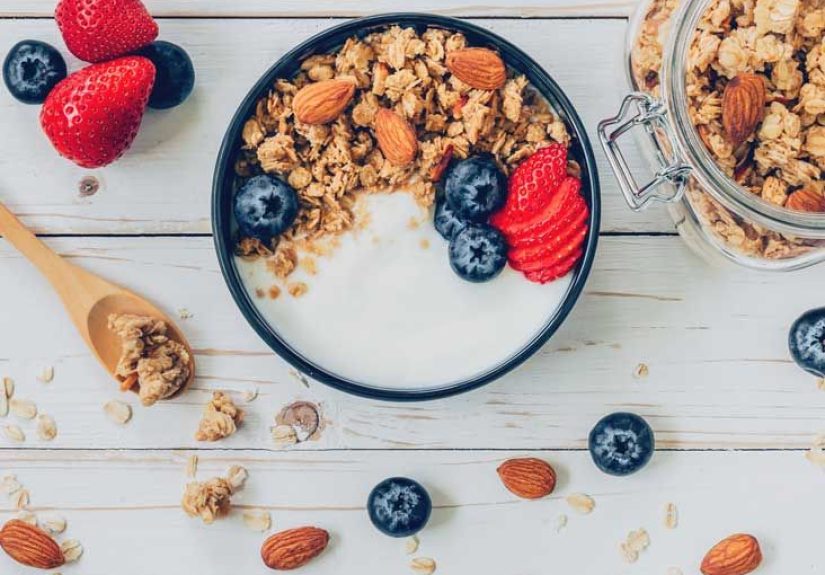
Plain yogurt is one of the most common foods people reach for during antibiotics, and for good reason. Yogurt labeled with “live and active cultures” contains probiotic bacteria, such as Lactobacillus and Bifidobacterium strains. These beneficial bacteria may help support gut balance while antibiotics are doing their job.
Choose plain, unsweetened yogurt when possible. Flavored yogurts can contain a surprising amount of added sugar, which may worsen bloating or feed less-helpful gut bacteria. If plain yogurt tastes too serious and joyless, add sliced banana, blueberries, cinnamon, or a small drizzle of honey.
Important timing tip: some antibiotics, especially tetracyclines and fluoroquinolones, can bind with calcium in dairy products, which may reduce absorption. If your antibiotic label says to avoid dairy around your dose, separate yogurt, milk, cheese, and calcium-fortified foods from the medication by the amount of time recommended by your pharmacist or doctor.
2. Kefir for a Probiotic Boost
Kefir is a fermented milk drink that contains a variety of live cultures. It is tangy, drinkable, and usually thinner than yogurt. For people who tolerate dairy, kefir can be an easy way to add probiotics without needing to chew anything dramatic.
Look for unsweetened kefir with live cultures. If you are lactose sensitive, you may still tolerate kefir better than regular milk because fermentation reduces some lactose, but everyone is different. Start with a small serving and see how your stomach responds. Your gut gets a vote, and sometimes it votes loudly.
3. Fermented Foods Like Sauerkraut, Kimchi, Miso, and Tempeh
Fermented foods can add flavor and beneficial microbes to your meals. Sauerkraut, kimchi, miso, tempeh, and certain pickled vegetables may contain live microorganisms if they have not been pasteurized or heated after fermentation.
Read labels carefully. Shelf-stable pickles and canned fermented vegetables are often heat-treated, which can destroy live cultures. Refrigerated versions that say “raw,” “unpasteurized,” or “contains live cultures” are more likely to provide live microbes.
Because fermented foods can be salty, spicy, or acidic, start small. A spoonful of sauerkraut with lunch may be helpful. A heroic mountain of kimchi while your stomach is already irritated may be less helpful and much more memorable.
4. Prebiotic Foods That Feed Good Bacteria
Probiotics are the helpful microbes. Prebiotics are the food those microbes enjoy. Prebiotic foods contain types of fiber that beneficial gut bacteria can ferment. This process helps produce short-chain fatty acids, which support the lining of the colon and overall gut health.
Good prebiotic foods include oats, bananas, onions, garlic, asparagus, apples, barley, beans, lentils, chickpeas, flaxseed, chia seeds, and slightly green bananas. However, if antibiotics are causing diarrhea or gas, go slowly with beans, onions, and high-fiber foods. They are healthy, but they can also turn your abdomen into a jazz trumpet if you increase them too fast.
5. Gentle, Bland Foods for Nausea or Diarrhea
If your stomach feels unsettled, simple foods can be your best friends. Try bananas, rice, applesauce, toast, oatmeal, crackers, potatoes, broth-based soups, scrambled eggs, plain pasta, and skinless chicken. These foods are not flashy, but they are dependable. They are the cardigan sweaters of the food world.
Bland foods are especially useful if you have nausea, loose stools, or reduced appetite. They provide energy without overwhelming your digestive system. Once symptoms improve, gradually return to a more varied diet with fruits, vegetables, whole grains, lean proteins, and healthy fats.
6. Protein-Rich Foods to Support Recovery
When your body is fighting infection, it needs protein to support immune function, tissue repair, and overall recovery. Good options include eggs, chicken, turkey, fish, tofu, tempeh, Greek yogurt, cottage cheese, lentils, beans, and nut butters.
If your appetite is low, try smaller protein portions more often. A boiled egg, a cup of chicken soup, a small bowl of Greek yogurt, or toast with peanut butter can be easier than a large meal. Recovery is not a competitive eating contest. You do not get a trophy for forcing down grilled salmon when your stomach wants crackers.
7. Hydrating Foods and Drinks
Hydration is essential during antibiotics, especially if you have diarrhea, fever, or reduced appetite. Water is the obvious choice, but broth, oral rehydration solutions, diluted fruit juice, herbal tea, and water-rich foods can also help.
Hydrating foods include watermelon, oranges, cucumber, zucchini, soups, applesauce, and smoothies. If diarrhea is frequent, consider drinks that replace electrolytes, such as oral rehydration solution. Sports drinks can help in some cases, but many are high in sugar, which may worsen diarrhea for some people.
What to Eat After Antibiotics
After finishing antibiotics, your gut may need time to settle. Some people feel normal right away. Others feel off for days or weeks. The best post-antibiotic diet focuses on rebuilding variety, fiber, and fermented foods gradually.
1. Keep Eating Probiotic Foods
Continue eating yogurt, kefir, fermented vegetables, miso, tempeh, or other probiotic-rich foods after your antibiotic course ends. This does not mean every meal needs to involve a mason jar of something bubbly. A few servings per week, or daily if you enjoy them and tolerate them, can be a practical routine.
Probiotic supplements may help some people, particularly with antibiotic-associated diarrhea, but they are not necessary for everyone. People with weakened immune systems, serious illnesses, central venous catheters, or recent major surgery should talk with a healthcare professional before using probiotic supplements.
2. Increase Fiber Slowly
Fiber is one of the most important nutrients for restoring gut balance after antibiotics. It helps feed beneficial bacteria, supports regular bowel movements, and contributes to long-term digestive health. But after antibiotics, your gut may be sensitive, so do not jump from white toast to a five-bean chili festival overnight.
Start with gentle fiber sources such as oatmeal, bananas, applesauce, cooked carrots, sweet potatoes, chia pudding, and whole-grain toast. Then add beans, lentils, raw vegetables, seeds, and cruciferous vegetables as tolerated.
3. Add Colorful Plant Foods
A diverse gut microbiome tends to thrive on a diverse diet. Different plant foods provide different fibers, polyphenols, vitamins, and minerals. After antibiotics, aim to “eat the rainbow” in a realistic way. This does not require a rainbow smoothie bowl with edible flowers. It can be as simple as blueberries at breakfast, spinach at lunch, carrots with dinner, and an apple as a snack.
Great choices include berries, leafy greens, carrots, sweet potatoes, apples, oranges, tomatoes, peppers, squash, beans, lentils, oats, quinoa, walnuts, almonds, flaxseed, and chia seeds.
4. Choose Whole Grains
Whole grains provide fiber and nutrients that support digestive health. Try oats, brown rice, barley, quinoa, whole-wheat bread, farro, bulgur, and whole-grain pasta. If your digestion is still sensitive, cooked grains may be easier to tolerate than raw salads or large servings of beans.
A simple post-antibiotic meal could be a bowl of oatmeal with banana and chia seeds, a turkey sandwich on whole-grain bread, or brown rice with salmon and cooked vegetables. Nothing fancy. Just steady, nourishing food.
Foods and Drinks to Avoid or Limit During Antibiotics
Some foods can interfere with certain antibiotics or make side effects worse. The exact rules depend on the medication, so your prescription label and pharmacist are your best guides.
1. Dairy Around Certain Antibiotics
Dairy foods such as milk, yogurt, cheese, and ice cream contain calcium. Calcium can bind to certain antibiotics, especially tetracyclines and fluoroquinolones, and reduce how much medicine your body absorbs. This does not mean dairy is always forbidden. It means timing matters.
If you are taking doxycycline, tetracycline, ciprofloxacin, levofloxacin, or a similar medication, ask your pharmacist how long to separate dairy, calcium supplements, antacids, magnesium, zinc, and iron from your antibiotic dose.
2. Alcohol
Alcohol can worsen nausea, dizziness, dehydration, and stomach irritation. Some antibiotics, such as metronidazole and tinidazole, are specifically known for unpleasant reactions when combined with alcohol. These reactions can include nausea, vomiting, flushing, headache, and rapid heartbeat.
Even when alcohol does not directly interact with your antibiotic, skipping it while you are sick is usually wise. Your liver, stomach, immune system, and sleep schedule will all appreciate the vacation.
3. Greasy, Spicy, or Very Sugary Foods
Fried foods, heavy cream sauces, spicy meals, and high-sugar snacks can worsen diarrhea, reflux, nausea, or bloating in some people. You do not have to eat like a monk, but during antibiotics, your digestive system may prefer gentle meals.
Instead of fried chicken, try baked chicken with rice. Instead of hot wings, try soup with noodles. Instead of a giant milkshake, try yogurt with fruit if dairy is allowed around your medication. Your gut is not asking for perfection. It is asking you not to start a food riot.
4. Grapefruit With Certain Medications
Grapefruit and grapefruit juice can interact with several medications. While grapefruit is not a major issue with every antibiotic, it can affect how some drugs are processed in the body. If you take other prescriptions along with antibiotics, ask your pharmacist whether grapefruit is safe for you.
Should You Take Probiotic Supplements With Antibiotics?
Probiotic supplements are popular, but the answer is not one-size-fits-all. Research suggests some probiotic strains may help reduce the risk of antibiotic-associated diarrhea, but results vary by strain, dose, age, health status, and the antibiotic being used.
If you choose a probiotic supplement, ask your doctor or pharmacist for a strain and dose that matches your situation. Commonly studied strains include Lactobacillus rhamnosus GG and Saccharomyces boulardii, but not every product contains the same amount or quality of live organisms.
Timing also matters. Many healthcare professionals suggest taking probiotic supplements a few hours away from antibiotic doses so the antibiotic is less likely to kill the probiotic bacteria right away. Saccharomyces boulardii is a yeast-based probiotic, so it is not killed by antibacterial drugs in the same way bacterial probiotics may be, but it is still best to ask a professional before starting it.
People who are immunocompromised, critically ill, or medically fragile should not take probiotics without medical supervision. “Natural” does not automatically mean “risk-free.” Poison ivy is natural too, and nobody wants that in a capsule.
Sample Meal Plan During Antibiotics
Breakfast
Try oatmeal with banana, chia seeds, and cinnamon. If your antibiotic allows dairy, add plain Greek yogurt on the side. If dairy must be separated from your dose, enjoy yogurt later in the day.
Lunch
Choose chicken and rice soup with cooked carrots, or a turkey sandwich on whole-grain bread with a side of applesauce. If your stomach is calm, add a small serving of sauerkraut or fermented vegetables.
Snack
Try kefir, a banana with peanut butter, whole-grain crackers, or a smoothie made with berries and yogurt. Keep it simple and avoid overloading your stomach.
Dinner
Try baked salmon or tofu with sweet potato and steamed spinach. Add brown rice or quinoa if you need more energy. If diarrhea is present, choose white rice temporarily and return to higher-fiber grains when symptoms improve.
When to Call a Doctor
Mild digestive changes are common during antibiotics, but some symptoms need medical attention. Contact a healthcare professional if you develop severe diarrhea, bloody stools, fever, intense abdominal pain, dehydration, dizziness, rash, swelling, trouble breathing, or diarrhea that continues after finishing antibiotics.
You should also call if diarrhea occurs many times a day or appears within days to weeks after antibiotic use. In some cases, antibiotic-related diarrhea can be linked to Clostridioides difficile, often called C. diff, a bacteria that can cause serious colon inflammation.
Practical Experiences: What Eating During and After Antibiotics Often Feels Like
Many people start antibiotics with a heroic plan: take the medicine, drink water, behave responsibly, and be fully restored by Thursday. Then day two arrives, and suddenly coffee tastes strange, lunch feels risky, and the stomach begins making noises that belong in a submarine movie. This is where practical food habits matter most.
One common experience is appetite confusion. You may feel hungry but not interested in food, or you may crave bland carbohydrates because your stomach wants comfort. In that case, simple meals can be surprisingly effective. Toast with scrambled eggs, rice with chicken broth, oatmeal with banana, or a baked potato with a little salt can feel much better than a complicated “wellness bowl” with twelve ingredients and a personality disorder.
Another common experience is realizing that timing is everything. Someone may take an antibiotic first thing in the morning, then immediately drink a yogurt smoothie, only to learn later that their specific medication should not be taken close to calcium. This is why the pharmacist is such an underrated character in the antibiotic story. A quick question like, “Should I take this with food, and should I avoid dairy, calcium, iron, or antacids?” can prevent confusion and help the medication work properly.
People also often discover that probiotic foods are easier to maintain than probiotic perfection. A cup of plain yogurt, a small glass of kefir, or a spoonful of sauerkraut is more realistic than trying to overhaul the entire microbiome before dinner. The goal is consistency, not digestive gymnastics. If fermented foods cause bloating, start with tiny portions or pause until your stomach calms down.
After antibiotics, the experience often shifts from “please let my stomach survive this” to “how do I feel normal again?” This is when fiber becomes important, but it should be added gradually. A person who has eaten mostly crackers and soup for a week may not want to celebrate recovery with lentil chili, raw broccoli, and a giant bran muffin. That is not a meal; that is a dare. Instead, start with oatmeal, bananas, cooked vegetables, sweet potatoes, and whole grains, then build up to beans, salads, nuts, and seeds.
Hydration is another lesson people learn quickly. Antibiotics plus diarrhea can leave you tired, headachy, and dry-mouthed. Water helps, but if fluids are being lost quickly, broth or an oral rehydration drink may work better. A good rule is to watch your urine color, energy level, and thirst. Pale yellow urine is usually a reassuring sign; dark urine and dizziness deserve attention.
The most useful experience-based advice is to keep meals boring until boring stops working. During antibiotic treatment, boring can be beautiful. Soup, toast, bananas, rice, eggs, yogurt, oatmeal, potatoes, and cooked vegetables may not win a cooking show, but they can keep you nourished while your gut regains its manners. Once you feel better, bring back variety with colorful plants, lean proteins, fermented foods, and whole grains. Your gut does not need a dramatic makeover. It needs patience, steady meals, and fewer surprises.
Conclusion
Knowing what you should eat during and after antibiotics can help you feel better, protect your digestion, and support recovery. During treatment, focus on gentle meals, hydration, probiotic foods if tolerated, and protein-rich options that support healing. After treatment, gradually rebuild your gut-friendly diet with fiber, fermented foods, colorful plants, and whole grains.
The most important rule is to follow your prescription instructions. Some antibiotics should be taken with food, while others need space from dairy, calcium, iron, magnesium, or antacids. When in doubt, ask your pharmacist. That small question can make a big difference.
Antibiotics may be tough on your gut, but your food choices can help make the ride smoother. Think simple, steady, and supportive. Your digestive system has been through enough; it deserves a little kindness, preferably served with soup.