Table of Contents >> Show >> Hide
- What Does “Low-Acid Fruit” Actually Mean?
- Why Low-Acid Fruits May Be Better for Teeth
- Why Low-Acid Fruits May Support Digestive Comfort
- 8 Low-Acid Fruits for Better Dental and Digestive Health
- 1. Bananas: The Reliable Low-Acid Classic
- 2. Cantaloupe: A Hydrating, Gentle Melon
- 3. Honeydew Melon: Cool, Mild, and Easygoing
- 4. Watermelon: Juicy Relief for Dry Mouth and Heavy Snacks
- 5. Papaya: A Tropical Fruit With Digestive Personality
- 6. Ripe Mango: Sweet, Soft, and Lower in Acid When Fully Ripe
- 7. Pears: Fiber-Rich and Gentle When Ripe
- 8. Avocado: The Creamy Low-Acid Fruit People Forget Is Fruit
- Low-Acid Fruits vs. Fruit Juice: Why Whole Fruit Wins
- How to Eat Fruit Without Annoying Your Teeth or Stomach
- Who May Benefit Most From Low-Acid Fruits?
- Simple Low-Acid Fruit Snack Ideas
- Personal Experiences and Practical Lessons With Low-Acid Fruits
- Conclusion
Fruit is one of the friendliest foods on the planetcolorful, naturally sweet, easy to pack, and far less dramatic than a bag of chips at midnight. But if your teeth feel sensitive after citrus or your stomach starts filing a complaint after orange juice, you may be wondering: are there fruits that are gentler on enamel and digestion?
Good news: yes. Low-acid fruits can be a smart choice for people who want more fruit in their diet without constantly poking the bear known as acid reflux, tooth sensitivity, or enamel wear. That does not mean acidic fruits are “bad.” Lemons, oranges, pineapples, and berries can absolutely fit into a healthy diet. The key is knowing when your mouth or stomach prefers a softer approach.
This guide breaks down eight low-acid fruits for better dental and digestive health, including why they may be easier on your teeth, how they support gut comfort, and practical ways to enjoy them without turning snack time into a science experiment.
What Does “Low-Acid Fruit” Actually Mean?
Acidity is commonly measured using the pH scale. A pH below 7 is acidic, 7 is neutral, and above 7 is alkaline. Most fruits are naturally acidic to some degree, but some are much less acidic than citrus fruits and sour juices. In everyday nutrition language, “low-acid fruits” usually refers to fruits with a higher pH and a milder effect on the mouth and stomach.
For dental health, this matters because frequent exposure to acidic foods and drinks can soften tooth enamel over time. Enamel is tough, but it is not a superhero cape. Once worn down, it does not grow back like a bad haircut. For digestive health, lower-acid fruits may be easier for people who experience heartburn, reflux, or stomach irritation after high-acid foods.
Still, everyone is different. A ripe banana may feel soothing for one person and too filling for another. A mango may be gentle when ripe but less friendly when underripe. Think of this list as a practical starting point, not a courtroom ruling against all other fruits.
Why Low-Acid Fruits May Be Better for Teeth
Your teeth live in a busy neighborhood. Every snack, sip, and bite changes the environment in your mouth. Acidic foods and drinks can temporarily soften enamel, especially when eaten frequently or sipped slowly over time. This is why dentists often warn against constantly grazing on sour candies, citrus drinks, soda, and fruit juices.
Low-acid fruits are not a magic shield, but they can reduce repeated acid exposure compared with very acidic options. Whole fruits also encourage chewing, which helps stimulate saliva. Saliva is your mouth’s natural cleanup crew: it helps rinse food particles, buffer acids, and support remineralization.
Dental-friendly fruit tips
- Choose whole fruit more often than fruit juice.
- Eat fruit with meals instead of nibbling all day.
- Rinse your mouth with water after acidic foods.
- Wait about 30 minutes before brushing after a very acidic snack.
- Pair fruit with plain yogurt, cheese, nuts, or oatmeal for a balanced snack.
Why Low-Acid Fruits May Support Digestive Comfort
For people with acid reflux or sensitive digestion, highly acidic foods may trigger burning, regurgitation, sour taste, or upper abdominal discomfort. Not everyone with reflux has the same triggers, but citrus fruits, tomato products, fatty meals, chocolate, caffeine, spicy foods, and carbonated drinks are common suspects.
Low-acid fruits such as bananas, melons, pears, papaya, and ripe mango are often easier to tolerate. Many also provide fiber, water, potassium, vitamin C, folate, or natural plant compounds that support overall wellness. Fiber is especially important because it helps digestion move at a steady pace. Soluble fiber can soften stool and slow digestion, while insoluble fiber adds bulk.
The trick is portion size. Even gentle fruits can cause bloating if you eat a heroic mountain of them. Start with normal servings, chew well, and pay attention to your body’s feedback. Your digestive system is not shy; it will review the meal.
8 Low-Acid Fruits for Better Dental and Digestive Health
1. Bananas: The Reliable Low-Acid Classic
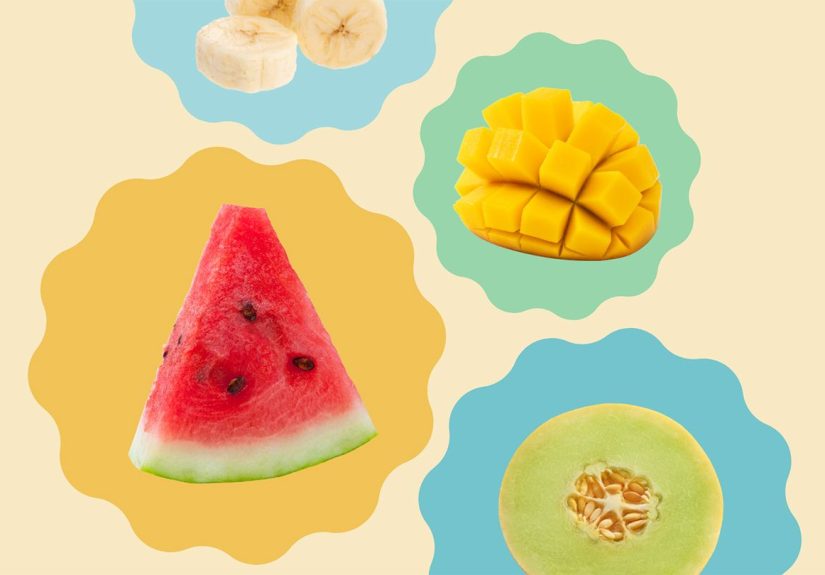
Bananas are one of the most popular low-acid fruits for people who want a gentle, convenient snack. Ripe bananas are mildly acidic but much less sharp than citrus. They are soft, easy to chew, and typically kind to sensitive teeth.
From a digestive standpoint, bananas bring fiber, potassium, and a naturally smooth texture. Ripe bananas are often easier on reflux-prone stomachs than tart fruits. Slightly green bananas contain more resistant starch, which may support beneficial gut bacteria, but they can feel heavier for some people. If your stomach is sensitive, a yellow banana with a few brown speckles is usually the sweet spot.
Best ways to eat: Slice banana over oatmeal, blend it into a smoothie with low-fat milk or plain yogurt, or spread banana rounds on whole-grain toast with a thin layer of peanut butter.
2. Cantaloupe: A Hydrating, Gentle Melon
Cantaloupe is naturally sweet, juicy, and low in acidity compared with many fruits. Its soft texture makes it friendly for people with sensitive teeth, and its high water content helps hydration. That is a win for both the mouth and digestive tract.
This orange melon also provides beta-carotene, vitamin C, and potassium. Because it is refreshing without being sour, cantaloupe can be a great breakfast fruit for people who find orange juice too harsh. It gives you that sunny morning feeling without the citrus sting.
Best ways to eat: Serve chilled cantaloupe cubes with cottage cheese, add it to a fruit bowl, or pair it with a handful of unsalted nuts for a snack that feels fancy but requires almost no effort.
3. Honeydew Melon: Cool, Mild, and Easygoing
Honeydew is another melon that earns a spot on the low-acid fruit list. It has a mellow sweetness and a high water content, making it a good choice when you want something refreshing that will not make your teeth feel like they just attended a sour candy convention.
For digestion, honeydew is light and hydrating. It may be easier to tolerate than acidic fruits for people who experience occasional heartburn. Like cantaloupe, it works best when eaten fresh and ripe. An underripe honeydew can taste like crunchy disappointment, so look for one with a slightly sweet smell and a creamy, pale rind.
Best ways to eat: Add honeydew to a smoothie, mix it with cucumber and mint, or enjoy it cold after lunch as a simple dessert.
4. Watermelon: Juicy Relief for Dry Mouth and Heavy Snacks
Watermelon is technically mildly acidic, but it is still considered a gentler fruit option for many people because it is mostly water and not nearly as sharp as citrus. It is especially useful when you want a sweet snack that feels light instead of heavy.
For dental health, watermelon’s water content helps rinse the mouth as you chew. It is not a replacement for brushing or flossingnice trybut it is a better choice than sticky candy or acidic fruit drinks. For digestion, watermelon can be refreshing and easy to eat, though some people may feel bloated if they eat a very large portion.
Best ways to eat: Enjoy fresh wedges, blend watermelon into a no-sugar-added slush, or combine cubes with feta and mint for a sweet-savory salad.
5. Papaya: A Tropical Fruit With Digestive Personality
Papaya is a low-acid tropical fruit with a soft texture and natural sweetness. It contains papain, an enzyme that helps break down proteins. While papain is not a cure for digestive problems, papaya has long been valued as a gentle fruit after meals.
Papaya is also rich in vitamin C, fiber, and colorful antioxidants. Its smooth texture can be helpful for people who want fruit that is easy to chew. If you have latex allergy or known papaya sensitivity, however, use caution or ask a healthcare professional before adding it regularly.
Best ways to eat: Eat ripe papaya with a spoon, add it to a breakfast bowl, or blend it with banana and plain yogurt for a creamy smoothie.
6. Ripe Mango: Sweet, Soft, and Lower in Acid When Fully Ripe
Mangoes are a little tricky because acidity changes with ripeness. Green mangoes are much more acidic and tart, while ripe mangoes are sweeter, softer, and generally gentler. If you are eating for dental and digestive comfort, choose ripe mango and skip the sour green mango snacks.
Ripe mango provides vitamin C, folate, copper, fiber, and a dessert-like flavor that makes healthy eating feel less like homework. It can be a satisfying option for people trying to reduce candy or baked sweets. Just remember that mango is naturally higher in sugar than some fruits, so a moderate portion is wise.
Best ways to eat: Add ripe mango cubes to yogurt, blend into a smoothie, or serve with chia pudding. Avoid coating it in chili-lime seasoning if acid reflux is your personal fire alarm.
7. Pears: Fiber-Rich and Gentle When Ripe
Pears are one of the best low-acid fruits for digestive support because they offer a helpful mix of water and fiber. A ripe pear is soft, juicy, and usually less irritating than citrus or pineapple. Pears also contain soluble fiber, including pectin, which can help support comfortable digestion.
For dental health, fresh pears are a better option than dried pears. Dried fruit can stick to teeth and linger, giving mouth bacteria more time to produce acids. Fresh pears still contain natural sugar, but they are less sticky and come with water and fiber.
Best ways to eat: Slice pears into oatmeal, pair with cheese, bake with cinnamon, or enjoy with walnuts for a snack that feels like it belongs in a cozy kitchen commercial.
8. Avocado: The Creamy Low-Acid Fruit People Forget Is Fruit
Avocado may not be the first food that comes to mind when you think “fruit,” but botanically, it counts. It is naturally low in acidity, creamy, and rich in fiber and heart-healthy unsaturated fats. Because it is not sweet or sour, avocado can be especially useful for people who want fruit benefits without a tart taste.
Avocado’s smooth texture is gentle on sensitive teeth, and its fiber can support digestive regularity. The healthy fat content also makes it satisfying, which may help reduce snack cravings. However, fat can trigger reflux in some people when eaten in large amounts, so keep portions reasonable. Half an avocado is plenty for most meals.
Best ways to eat: Mash avocado on whole-grain toast, add slices to a turkey sandwich, blend into a creamy smoothie, or cube it into a rice bowl.
Low-Acid Fruits vs. Fruit Juice: Why Whole Fruit Wins
If your goal is better dental and digestive health, whole fruit usually beats juice. Juice removes much of the chewing and often reduces fiber. It also allows acids and sugars to contact teeth quickly, especially if you sip it over a long period. Even juice made from “healthy” fruit can be tough on enamel.
Whole fruit slows the experience down. You chew. You produce saliva. You get fiber. You feel fuller. It is basically the difference between reading a thoughtful letter and being hit with a fruit-flavored fire hose.
This does not mean you can never drink juice. If you do, keep portions small, avoid constant sipping, use a straw when appropriate, and rinse with water afterward. But for everyday dental and digestive comfort, whole fruit is the smarter habit.
How to Eat Fruit Without Annoying Your Teeth or Stomach
Pair fruit with protein or healthy fat
Fruit alone is fine, but pairing it with protein or healthy fat can help you stay full longer and may reduce blood sugar swings. Try banana with peanut butter, pear with cheese, melon with Greek yogurt, or avocado with eggs.
Avoid grazing all day
Eating fruit every hour keeps your mouth exposed to natural sugars and acids more often. Instead, enjoy fruit at meals or planned snack times. Your enamel appreciates a schedule.
Choose ripe fruit
Ripe fruit is often sweeter and less tart than underripe fruit. This matters most for bananas, mangoes, papaya, and pears. If it makes your face pucker, your stomach may also have opinions.
Drink water after fruit
A few sips of water after eating fruit can help rinse your mouth and reduce lingering sugars. It also supports digestion, especially when you are increasing fiber.
Do not brush immediately after acidic foods
After very acidic foods, enamel can be temporarily softened. Brushing right away may be too abrasive. Rinse with water first, then brush later with fluoride toothpaste.
Who May Benefit Most From Low-Acid Fruits?
Low-acid fruits may be especially helpful for people with sensitive teeth, enamel erosion concerns, dry mouth, frequent heartburn, reflux symptoms, or a stomach that gets dramatic after citrus. They can also help parents pack gentler snacks for children who love fruit but complain about mouth stinging after oranges or pineapple.
However, low-acid does not automatically mean perfect for everyone. People with diabetes may need to watch portions and total carbohydrate intake. People with irritable bowel syndrome may react to certain fruits differently depending on fermentable carbohydrate content. Anyone with persistent reflux, swallowing trouble, unexplained weight loss, vomiting, blood in stool, or ongoing dental pain should seek professional care.
Simple Low-Acid Fruit Snack Ideas
- Banana oatmeal bowl: Oats, sliced banana, cinnamon, and a spoonful of peanut butter.
- Melon yogurt cup: Cantaloupe or honeydew with plain Greek yogurt and chia seeds.
- Pear plate: Fresh pear slices with cheddar cheese and whole-grain crackers.
- Papaya smoothie: Papaya, banana, plain yogurt, and ice.
- Avocado toast: Mashed avocado on whole-grain bread with a sprinkle of sesame seeds.
- Watermelon refresher: Watermelon cubes with fresh mint, served cold.
- Mango breakfast bowl: Ripe mango with oatmeal, yogurt, or chia pudding.
Personal Experiences and Practical Lessons With Low-Acid Fruits
One of the easiest ways to understand low-acid fruits is to think about real-life eating patterns. Many people do not suddenly decide, “Today I shall optimize my oral pH.” They simply notice that lemonade makes their teeth tingle, orange juice causes heartburn, or pineapple feels like tiny fireworks on the tongue. Low-acid fruits become useful because they solve a daily problem without making healthy eating feel boring.
For example, breakfast is a common trouble spot. A person trying to eat healthier may start the day with grapefruit, coffee, and a citrus smoothie. On paper, it sounds bright and responsible. In the stomach, it may feel like a tiny volcano wearing business casual. Swapping grapefruit for banana, papaya, or cantaloupe can make breakfast gentler while still keeping it colorful and nutrient-rich.
Another common experience is tooth sensitivity after “healthy” snacks. Someone may replace candy with dried fruit and citrus slices, only to notice more sensitivity. The issue is not that fruit is bad; it is frequency, stickiness, and acidity. Fresh pear slices with cheese or watermelon with nuts can be kinder choices because they are less sticky and less sharply acidic than dried fruit or sour citrus.
Parents also learn this quickly. Children may love fruit but complain that oranges “hurt” their mouth, especially if they have a canker sore, braces, or sensitive enamel. Offering melon cubes, banana slices, ripe mango, or pears can keep fruit on the plate without turning snack time into a negotiation worthy of a courtroom drama.
People managing reflux often discover that timing matters as much as the fruit itself. A banana after a small breakfast may feel fine, while a giant fruit bowl right before bed may not. Even low-acid fruits can cause discomfort if eaten too close to lying down or in very large portions. Practical habitssmaller servings, slower eating, and avoiding late-night overeatingoften make the biggest difference.
Texture matters too. During periods of dental work, sore gums, or mouth sensitivity, soft fruits can be a relief. Ripe banana, avocado, papaya, and melon are easier to chew than crunchy acidic fruits. They provide variety when the mouth wants soft foods but the brain is tired of soup.
The best experience-based lesson is simple: build a personal “safe fruit list.” Start with one low-acid fruit at a time, eat a moderate portion, and notice how your teeth and stomach respond. Keep the fruits that make you feel good, adjust the ones that cause bloating or reflux, and remember that ripeness matters. A ripe mango and a green mango are not the same digestive adventure.
Low-acid fruits are not about fear. They are about comfort, consistency, and smarter choices. You can still enjoy a squeeze of lemon, a bowl of berries, or the occasional pineapple salsa if your body handles it well. But when your teeth want calm and your stomach wants peace, bananas, melons, papaya, pears, ripe mango, watermelon, and avocado are excellent fruits to keep in the rotation.
Conclusion
Low-acid fruits can make healthy eating more comfortable for people dealing with sensitive teeth, enamel concerns, acid reflux, or a touchy digestive system. Bananas, cantaloupe, honeydew, watermelon, papaya, ripe mango, pears, and avocado offer sweetness, fiber, hydration, and nutrients without the sharp bite of citrus or sour fruit juices.
The best approach is not to ban acidic fruits forever. Instead, choose whole fruits more often, pay attention to your triggers, eat fruit with meals or balanced snacks, and rinse with water afterward. Your teeth and stomach do not need perfection. They just appreciate fewer surprise attacks.
In the end, low-acid fruits are the calm, friendly neighbors of the fruit bowl. They bring flavor, nutrition, and digestive supportwithout kicking down the enamel door.