Table of Contents >> Show >> Hide
- Start With the Big Four: Layout, Color, Lighting, Bedding
- Bedroom Layout Ideas That Actually Work
- Bedroom Color and Wall Ideas
- Lighting Ideas That Make Bedrooms Feel Expensive (Even When They Aren’t)
- Bedding and Textiles: The Cozy Factor
- Storage and Organization Ideas That Don’t Kill the Vibe
- Wall Decor, Headboards, and “What Goes Above the Bed?”
- Make the Bedroom Sleep-Friendly (Without Turning It Into a Lab)
- Bedroom Style Ideas by Vibe
- Common Bedroom Decorating Mistakes (And Quick Fixes)
- Budget-Friendly Bedroom Design Ideas
- 500 More Words: Real-World “Experience” Lessons From Bedroom Makeovers
- Conclusion
Your bedroom is the only room in your home that has a full-time job: it’s supposed to help you sleep, help you get ready, and somehow look cute while doing it. That’s a lot of pressure for four walls and a lamp.
The good news: great bedroom design isn’t about buying an entire showroom. It’s about getting a few “big decisions” right (layout, color, lighting, and bedding) and then sprinkling in personality like you’re seasoning friesconfidently, not chaotically. Below are practical, designer-inspired bedroom decorating ideas you can actually use, whether you’ve got a tiny room, a generous primary suite, or a space that’s “technically a bedroom” but currently behaves like a laundry museum.
Start With the Big Four: Layout, Color, Lighting, Bedding
When a bedroom feels “off,” it’s usually one of these four things. Fix them first, then worry about the throw pillow that looks like a croissant.
1) Layout: make it easy to live there
- Keep clear walking paths. Aim for comfortable clearance around the bed so you’re not doing a nightly obstacle course.
- Choose the bed wall on purpose. A strong focal wall (often the largest uninterrupted wall) makes the whole room feel organized.
- Use symmetry when you want calm. Matching nightstands and lamps read “hotel,” even if your “hotel” is powered by a phone charger you found under the couch.
- Go asymmetrical when space is tight. One nightstand + one slim shelf, or one nightstand + one small desk can still look balanced.
2) Color: pick a mood, not just a paint chip
Bedroom color schemes work best when they support the vibe you want at 11 p.m. (calm) and 7 a.m. (functional). Warm neutrals, soft greens, dusty blues, and earthy tones tend to feel restful, while bright whites and high-contrast palettes can feel crisp but sometimes a bit “wide awake.”
A reliable approach: pick one main wall color, one “soft neutral” (for trim, ceilings, or big furniture), and one accent color (for textiles/art). That’s enough structure to look intentional without feeling like a themed restaurant.
3) Lighting: layer it like you layer clothing
One overhead light is fine… if your goal is “interrogation chic.” For a bedroom that feels cozy and useful, use three layers: ambient (overall light), task (reading/getting ready), and accent (warm glow, highlighting art, or adding depth).
4) Bedding: your fastest “wow” upgrade
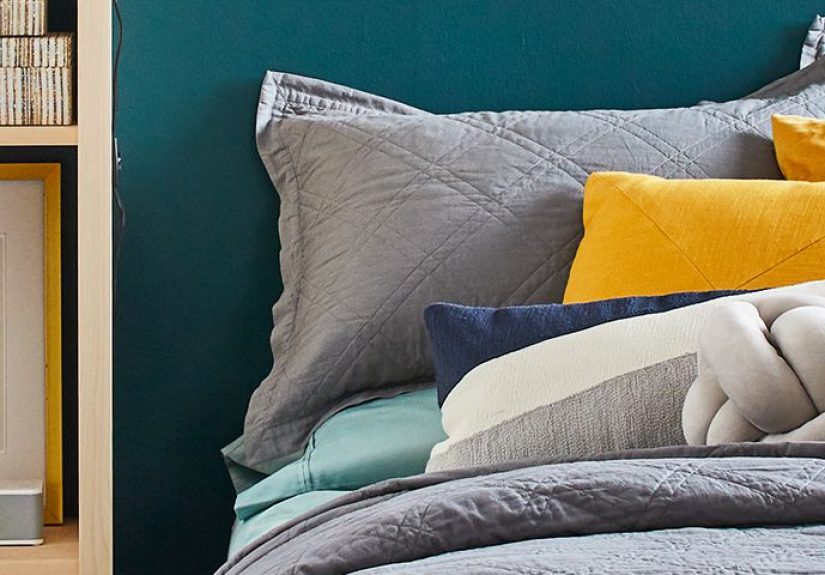
Bedding is the biggest surface in most bedrooms, so it’s the easiest way to make the room look designed. Think in layers: fitted + top sheet (optional), a breathable blanket or quilt, and a duvet/comforter for volume. Then add texture with a throw and 1–3 pillows that aren’t just there to audition for a pillow pyramid championship.
Bedroom Layout Ideas That Actually Work
The best bedroom layout depends on your room’s shape, windows, doors, and storage needs. Here are a few layouts designers lean on, with specific examples you can copy.
The “Classic Calm” (great for primary bedrooms)
- Bed centered on the main wall with matching nightstands.
- Rug under the bed to anchor the zone (more on sizing soon).
- Dresser opposite the bed if you have the depth.
- Optional chair in a corner for a “putting on shoes” moment.
The “Small Room, Big Brain” (for tight bedrooms)
- Bed on the longest wall to preserve a walkway.
- Wall-mounted sconces instead of table lamps to free up nightstand space.
- Storage bed or under-bed bins for off-season clothes and extra linens.
- One multipurpose piece (a narrow desk that doubles as a vanity, or a dresser that doubles as a TV stand).
The “Guest Room That Does More”
- Daybed or a sleeper sofa if the room has multiple jobs.
- Floating shelf nightstand to keep the floor open and easy to clean.
- Luggage rack or bench so guests aren’t forced to live out of a suitcase on the floor.
Bedroom Color and Wall Ideas
Easy color formulas that rarely fail
- Warm neutrals + black accents: cozy, modern, and forgiving (read: hides scuffs and regret).
- Soft blue + warm wood: calm and classic, especially with creamy whites.
- Sage/olive + linen textures: nature-inspired without turning your bedroom into a houseplant support group.
- Terracotta/blush + brass: warm, flattering light and a little glam.
- Moody charcoal/navy + crisp white bedding: dramatic but still clean.
Accent wall ideas beyond “paint one wall and call it a day”
- Wallpaper behind the bed to create a headboard effect (great for rentals with removable options).
- Board-and-batten or simple trim panels for texture.
- Color-drenching (walls and trim in one shade) for a cocoon feel.
- Large-scale art as the focal point if you prefer neutral walls.
Pro tip: If you’re using multiple whites, keep them in the same undertone family (warm with warm, cool with cool) so the room feels intentional instead of “Why does that wall look vaguely…green?”
Lighting Ideas That Make Bedrooms Feel Expensive (Even When They Aren’t)
Layered lighting, simplified
- Ambient: ceiling fixture or semi-flush mount, ideally dimmable.
- Task: reading sconces, adjustable bedside lamps, or a floor lamp by a chair.
- Accent: a small lamp on a dresser, LED strips behind a headboard, or picture lights over art.
Smart swaps that help immediately
- Swap harsh bulbs for warmer light in the evening (many people prefer “soft white” ranges for bedrooms).
- Install dimmers where possible, or use plug-in dimmer switches for lamps.
- Choose sconces if you share a bed. Separate lights = no one has to read in the dark because someone else is “already sleepy.”
- Keep cords tidy with cord covers or clipsnothing ruins the vibe like a cable jungle.
Design detail that makes a difference: match your metals across the room (or intentionally mix two) so your lighting looks curated, not like it was selected via a blindfolded online shopping spree.
Bedding and Textiles: The Cozy Factor
A simple layering recipe
- Base: sheets that feel good to you (crisp, silky, or butteryno judgment).
- Middle layer: quilt or blanket for texture and everyday comfort.
- Top layer: duvet/comforter for volume and seasonal warmth.
- Finish: a throw at the foot of the bed and 1–3 accent pillows.
Texture beats “more stuff”
Instead of adding ten decorative items, add two textures: a knit throw, linen shams, a velvet pillow, or a bouclé bench. Texture makes neutral bedrooms feel rich without feeling busy.
Rugs: the underrated hero
Rugs add warmth, reduce echo, and make mornings less rude to your feet. In most bedrooms, a larger rug that extends beyond the sides of the bed looks more intentional than a tiny rug that seems like it’s trying to escape.
- Easy rule: your rug should extend beyond the bed edges so you step onto it when you get up.
- Layering option: a neutral base rug + a smaller patterned rug for personality.
Storage and Organization Ideas That Don’t Kill the Vibe
A bedroom can’t feel relaxing if it’s constantly yelling, “Where do I put this?” The best storage solutions are the ones that hide the chaos while still being easy to use.
High-impact storage upgrades
- Under-bed storage: bins or drawers for seasonal clothes, extra bedding, hobby supplies.
- Closet zoning: keep categories together (work, casual, gym, formal) and use bins for small items.
- Nightstand discipline: one tray + one drawer organizer can stop the “miscellaneous mountain.”
- Vertical storage: tall dressers or shelving when floor space is limited.
Small bedroom ideas that feel bigger
- Choose leggy furniture (beds, dressers, nightstands) to show more floor.
- Use mirrors strategically to bounce lightespecially across from a window.
- Go “quiet” or “loud,” not both. If you want bold wallpaper, keep bedding simpler; if bedding is bold, keep walls calmer.
Wall Decor, Headboards, and “What Goes Above the Bed?”
Three options that work in almost any style
- One large piece of art centered over the bed (clean, modern, hard to mess up).
- A pair of matching prints (symmetry reads calm).
- A short gallery wall (mix frames, keep spacing consistent, and stop before it becomes a museum corridor).
Headboard ideas beyond “buy one”
- Upholstered headboard: adds softness and makes the bed feel finished.
- Painted arch: a DIY “headboard” that costs less than a fancy candle.
- Wall-mounted paneling: adds texture and a custom look.
Make the Bedroom Sleep-Friendly (Without Turning It Into a Lab)
Decorating is fun, but sleep is the point. Many sleep experts recommend keeping bedrooms dark, quiet, and slightly cool. That can also make your space feel more serene, even during daylight hours.
Simple comfort upgrades
- Light control: consider blackout shades or layered curtains (sheers + blackout) for flexibility.
- Sound softening: rugs, upholstered headboards, and heavier curtains can reduce echo and outside noise.
- Temperature comfort: breathable bedding and a cooler room setting often help people sleep better.
- Phone parking: charging outside the bedroom (or at least away from the bed) helps reduce late-night scrolling spirals.
Bedroom Style Ideas by Vibe
Modern cozy
Clean lines + warm textures. Think oak, linen, soft lighting, and one bold piece of art. Keep décor minimal but tactile.
Classic/traditional
Symmetry, layered bedding, richer colors, and timeless patterns (stripes, small florals, checks). Add a bench at the foot of the bed for that “grown-up” finishing touch.
Boho collected
Mix patterns and materials: woven textures, warm woods, plants, and global-inspired accents. The trick is repeating a few colors so it feels curated, not chaotic.
Minimalist calm
Keep the palette tight, hide clutter, and focus on negative space. One excellent lamp beats five mediocre ones. (Applies to friendships too.)
Maximalist dream
Go bold with wallpaper, jewel tones, and layered printsbut keep one thing consistent (a color thread or repeated motif) so it still looks designed.
Common Bedroom Decorating Mistakes (And Quick Fixes)
- Mistake: a rug that’s too small. Fix: size up so the bed sits on the rug and it extends on the sides.
- Mistake: one bright overhead light. Fix: add bedside lighting and a softer accent lamp.
- Mistake: too many tiny décor items. Fix: swap to fewer, larger pieces (big art, one vase, one tray).
- Mistake: no closed storage. Fix: use baskets, drawers, or lidded bins to hide visual clutter.
- Mistake: no plan for “real life.” Fix: add a laundry basket, hooks, and a drop zonethen pretend you always had your life together.
Budget-Friendly Bedroom Design Ideas
You don’t need a new everything. You need a new “most noticeable thing.”
- Paint first. High impact, relatively low cost.
- Upgrade lighting. A new shade, warm bulbs, or plug-in sconces can transform the mood.
- Refresh bedding. New duvet cover + two shams can make the whole room feel new.
- Add one statement piece. A large mirror, bold art, or a headboard changes the room’s “headline.”
- Declutter ruthlessly. It’s free, and it makes everything else look more expensive.
500 More Words: Real-World “Experience” Lessons From Bedroom Makeovers
Design advice sounds perfect on paperuntil you actually live in the space. Here are the lessons people commonly learn after they’ve slept, dressed, folded laundry, and stepped on exactly one LEGO (why is it always one?) in their newly decorated bedroom.
Experience #1: The “pretty” layout has to survive a Monday morning. A room can look amazing in photos and still be annoying to use. The biggest difference-maker is usually circulation: can you open drawers without doing a sideways shuffle? Can two people get ready at the same time? Do you have a spot to place your phone, water, and glasses without stacking them like a game of Jenga? Bedrooms that feel calm tend to have small, boring winslike a nightstand that’s actually big enough and a path that doesn’t require parkour.
Experience #2: Storage that’s “invisible” is the secret sauce. Open shelving looks great until it becomes a visual reminder of every half-finished task. People who love their bedrooms long-term almost always have a mix of open and closed storage. A basket for throw blankets, under-bed bins for extras, and a dresser with real drawers (not the “decorative drawer” that opens three inches and then gives up) keeps the room looking intentional even on messy weeks.
Experience #3: Lighting is mood management. After a few nights, many people realize the overhead light is too harsh for winding down. Layered lighting doesn’t just look nicerit feels nicer. A warm bedside lamp helps your brain switch gears. A reading sconce keeps light focused where you want it. A dimmable bulb turns the room from “productive” to “peaceful” in seconds. If you only upgrade one thing after the makeover, lighting is the one that keeps paying you back.
Experience #4: Your bedroom should flatter your life, not fight it. If you read in bed, prioritize supportive pillows and a reading light. If you work in your bedroom sometimes, make one corner functional (a slim desk, a comfortable chair, good task lighting) and keep the rest of the room restful. If you hate making the bed, choose bedding that still looks good a little rumpledlinen and textured quilts are famously forgiving. The best bedroom design ideas are the ones that quietly match how you actually live.
Experience #5: A “finished” bedroom is never really finishedand that’s fine. Many rooms get better over time. You might start with paint, bedding, and a rug, then add art you actually love later. The most personal bedrooms usually look collected, not instantly purchased. Give yourself permission to upgrade in layers: fix the big four, live with it, notice what bugs you, and then adjust. That’s not indecisionit’s real-life design.