Table of Contents >> Show >> Hide
- Introduction: Welcome to the Land of Fire, Iron, and Very Loud Decisions
- What Is Blacksmithing?
- Hammer and Tongs: Why These Two Tools Matter So Much
- The Basic Blacksmithing Setup
- Safety: The Part That Keeps the Hobby Fun
- What Beginners Usually Learn First
- The Beginner Mindset: Slow Is Smooth, Smooth Is Less Embarrassing
- Common Beginner Mistakes
- Modern Blacksmithing: Old Fire, New Purpose
- Why Blacksmithing Still Feels So Satisfying
- Practical Ways to Start Learning
- Experience Section: What Blacksmithing Teaches You When the Hammer Finally Lands
- Conclusion: Start Small, Stay Safe, and Respect the Fire
Note: This article is written for general educational and editorial purposes. Blacksmithing involves extreme heat, sparks, heavy tools, fumes, and fire risk, so beginners should learn through a qualified class, supervised shop, or experienced instructor before attempting any hands-on work.
Introduction: Welcome to the Land of Fire, Iron, and Very Loud Decisions
Blacksmithing has a way of making modern life look suspiciously overcomplicated. We live in an age where a toaster may require a firmware update, yet a blacksmith can still take a plain bar of iron, heat it, strike it, and turn it into something useful, beautiful, or both. That is the charm of the craft: it feels ancient, practical, dramatic, and just dangerous enough to deserve deep respect.
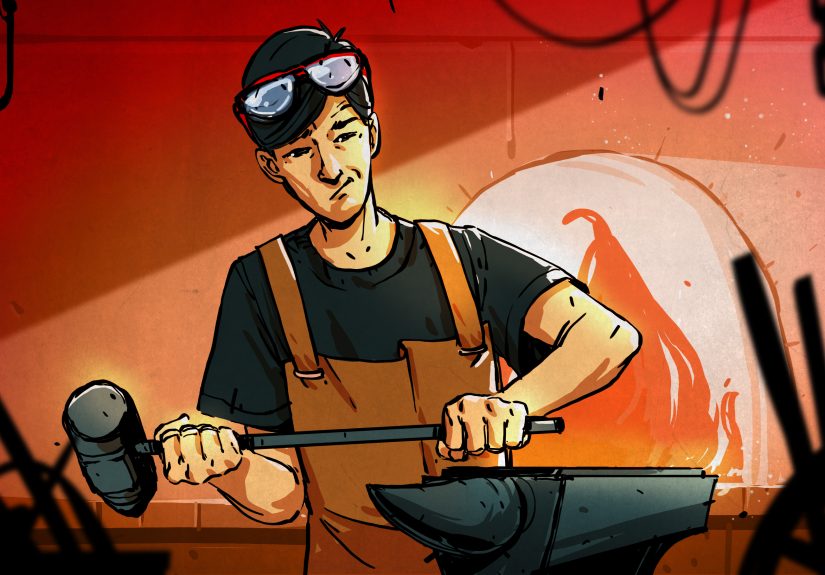
For beginners, blacksmithing can look like a mysterious dance between fire and muscle. There is the glowing metal, the ring of the hammer, the anvil that seems to have survived three wars and one garage sale, and the tongs gripping hot steel like a tiny iron alligator. But at its core, blacksmithing is not magic. It is controlled heat, smart tool use, patience, observation, and a willingness to make the same “simple” hook seven times before one finally looks like it was made on purpose.
This guide, “Blacksmithing For The Uninitiated: Hammer And Tongs,” introduces the essential ideas behind beginner blacksmithing, including basic tools, safety mindset, shop culture, common mistakes, and why the hammer and tongs deserve celebrity status in the forge. No cape required. A leather apron, however, is a much better idea.
What Is Blacksmithing?
Blacksmithing is the craft of shaping heated metal, traditionally iron or steel, using hand tools such as hammers, tongs, anvils, chisels, punches, and fullers. The word “blacksmith” comes from working with “black metal,” meaning iron, as opposed to softer metals like gold or silver. Historically, blacksmiths made and repaired tools, nails, hinges, wagon parts, cookware, farm equipment, gates, and countless everyday objects that kept communities moving.
In 19th-century America, the blacksmith shop was not just a workplace. It was part repair station, part tool factory, part neighborhood news desk. If a wagon wheel needed fixing, a hinge broke, a plow dulled, or a horse needed shoeing, the blacksmith was the person people hoped had not taken the day off. Today, the trade survives as a practical craft, a heritage skill, an art form, and a deeply satisfying hobby for people who enjoy making useful things without needing a subscription plan.
Hammer and Tongs: Why These Two Tools Matter So Much
The phrase “hammer and tongs” means doing something with great energy. In blacksmithing, it is also wonderfully literal. The hammer delivers force. The tongs hold the hot metal. Without one, the work cannot move. Without the other, the work may move far too much, possibly toward your shoes, which is not the kind of plot twist anyone needs.
The Hammer: More Than a Heavy Thing You Swing
A beginner might assume that blacksmithing is mostly about hitting metal as hard as possible. This is a classic rookie idea, right up there with “I do not need safety glasses” and “that piece probably is not hot anymore.” Good hammer control is not brute force. It is accuracy, rhythm, angle, and timing.
Blacksmithing hammers come in several forms, including cross-peen hammers, rounding hammers, ball-peen hammers, and straight-peen hammers. Each shape moves metal differently. A flat face can smooth or spread material. A peen can draw metal in a specific direction. A rounded face can help move steel without leaving harsh marks. For beginners, a manageable hammer is better than a heroic one. A hammer that is too heavy turns practice into punishment and accuracy into wishful thinking.
The Tongs: The Unsung Heroes With Bite
Tongs are used to grip hot metal securely while it is heated, carried, turned, and worked on the anvil. They are not fancy pliers. Blacksmithing tongs are shaped for specific jobs, and different jaw designs hold flat stock, round stock, square stock, bolts, or irregular shapes. The better the grip, the safer and more controlled the work.
Good tong fit matters because hot metal has no sense of personal boundaries. If a workpiece slips while being hammered, it can bounce, twist, or fly. That is why many instructors teach beginners to choose tongs that match the stock they are using and to test grip before working. In the forge, confidence is good; overconfidence is how tools earn dramatic nicknames.
The Basic Blacksmithing Setup
A simple beginner blacksmithing setup is often described as four essentials: forge, anvil, hammer, and tongs. That sounds almost too simple, like a recipe that says “just add skill.” Still, these four items form the foundation of traditional forging.
The Forge
The forge is the heat source used to bring metal to a workable temperature. Traditional blacksmiths used coal or charcoal forges, while many modern hobby shops use propane forges. Each type has advantages, learning curves, and safety considerations. For beginners, the smartest path is usually to learn in a class or supervised shop before buying equipment. This lets you understand the workflow, safety expectations, and tool choices before turning your garage into what your neighbors may describe as “concerning.”
The Anvil
The anvil is the heavy working surface where hot metal is shaped. Its face, horn, edges, and hardy hole all support different operations. A good anvil returns energy from the hammer blow, helping move metal efficiently. Beginners do not need a museum-grade anvil to start learning, but they do need a stable, secure surface designed for forging practice. A wobbly anvil is not rustic charm; it is a metalworking jump scare.
The Hammer
A beginner hammer should be comfortable, controllable, and suited to the work. It should not be so heavy that every swing feels like a gym membership with sparks. Many instructors recommend learning clean hammer technique before chasing specialized hammer shapes. Skill matters more than owning a tool rack that looks like a medieval hardware store.
The Tongs
Tongs should match the material being held. Flat jaw, bolt jaw, wolf jaw, scrolling, pickup, and box-jaw tongs all exist because blacksmiths discovered, repeatedly and sometimes loudly, that one grip does not fit every job. Beginners often start with versatile tongs in a supervised class and learn why secure holding is part of both safety and quality.
Safety: The Part That Keeps the Hobby Fun
Blacksmithing safety is not a boring side quest. It is the main storyline. A forge combines high heat, sparks, scale, smoke, heavy tools, sharp edges, and metal that may look harmless while still being hot enough to cause serious injury. The basic rule is simple: treat every piece of metal near the forge as hot unless you personally know otherwise.
Beginners should use proper eye protection, natural-fiber clothing, sturdy footwear, hearing protection when needed, and appropriate gloves for specific tasks. Synthetic fabrics can melt when exposed to sparks or heat, which is a terrible surprise and a worse fashion statement. Work areas should be ventilated, clear of flammable clutter, and equipped with fire safety tools. Materials with unknown coatings, especially galvanized metal, should be avoided unless handled by trained professionals with proper controls, because heated coatings can release hazardous fumes.
The safest first step is not buying a forge online at midnight after watching three videos. It is taking a beginner class, visiting a local blacksmithing group, or learning from an experienced smith who takes safety seriously. Good instruction saves money, prevents bad habits, and reduces the chance of learning lessons in the emergency room.
What Beginners Usually Learn First
Beginner blacksmithing classes often focus on fundamental movements rather than dramatic sword-making fantasies. The basics may include drawing out metal, bending, twisting, flattening, tapering, punching, drifting, and understanding heat control. These skills are the alphabet of forging. Once learned, they can be combined into hooks, leaves, bottle openers, fireplace tools, brackets, handles, and decorative hardware.
Heat control is one of the biggest early lessons. Metal changes color as it heats, and those colors help a smith judge when it may be workable. Beginners learn that hitting metal when it is too cold wastes effort and can damage tools or material. Working too hot can also cause problems. Blacksmithing rewards patience. The metal is not on your schedule. It has its own fiery little calendar.
The Beginner Mindset: Slow Is Smooth, Smooth Is Less Embarrassing
New blacksmiths often want to rush. The forge is exciting, the hammer is in hand, and the glowing steel looks like it is asking for action. But rushing leads to missed blows, uneven shapes, tired arms, poor grip, and projects that resemble abstract vegetables. A better approach is to work deliberately.
Good blacksmithing starts before the hammer falls. The smith observes the material, chooses the correct tongs, positions the work on the anvil, thinks about where the metal needs to move, and strikes with purpose. Each hammer blow should have a job. Random hammering can be therapeutic, but it is not the same as forging. It is more like arguing with a paperweight.
Common Beginner Mistakes
Using the Wrong Tongs
If the tongs do not grip securely, the work becomes harder and less safe. Beginners should learn how different tong jaws match different stock shapes. A proper grip gives better control and reduces frustration.
Swinging Too Hard
Power without control is not craftsmanship. Beginners often benefit from lighter, accurate blows while building coordination. A clean strike in the right place beats a mighty swing that lands somewhere in the next ZIP code.
Ignoring Body Mechanics
Blacksmithing is physical. Poor stance, locked wrists, bad hammer grip, or awkward anvil height can create fatigue quickly. Good ergonomics help the smith work longer, safer, and with better results.
Buying Too Much Too Soon
It is tempting to buy every tool that looks useful. The smarter move is to learn the basics first, then add tools as projects require them. Blacksmiths are famous for making tools, modifying tools, and finding creative uses for old equipment. The craft rewards resourcefulness more than shopping-cart bravery.
Modern Blacksmithing: Old Fire, New Purpose
Blacksmithing today is not limited to historical reenactments, though those are excellent places to see traditional skills in action. Modern smiths create custom railings, knives, furniture hardware, sculptures, garden art, fireplace tools, jewelry, architectural ironwork, and restoration pieces. Some focus on practical tools. Others create gallery-level metal art. Many do both, because once you learn to move hot steel, the line between useful and beautiful becomes delightfully blurry.
There is also a strong educational community around the craft. Organizations, local guilds, folk schools, community workshops, historic sites, and industrial arts centers offer classes and demonstrations. For the uninitiated, this matters because blacksmithing is much easier to understand when you can see it, hear it, and feel the rhythm of the shop under expert supervision.
Why Blacksmithing Still Feels So Satisfying
Part of blacksmithing’s appeal is that it produces visible progress. You start with a bar. You heat it. You shape it. You leave with an object that did not exist before. In a world full of invisible digital tasks, there is something deeply refreshing about making a hook that can actually hold a coat. It may not change civilization, but it will hold a coat with dignity.
The craft also teaches humility. Metal does not care about your confidence. If your hammer angle is wrong, the steel shows it. If your grip is poor, the work twists. If you rush the heat, the shape suffers. Blacksmithing gives honest feedback, and it gives it immediately. This is part of why the craft is so addictive. Every project becomes a conversation between intention and material.
Practical Ways to Start Learning
The best beginner path is to take an introductory blacksmithing class. A class provides access to tools, safety systems, instructors, and structured projects. It also helps beginners discover whether they genuinely enjoy the craft before investing in equipment. Many people love the idea of blacksmithing until they meet summer forge heat, hammer fatigue, and the realization that “simple hook” is not actually simple.
Visiting a historic blacksmith shop or museum demonstration is another excellent first step. Demonstrations show how traditional tools work together and how much skill hides inside movements that look easy. Local blacksmithing associations and craft schools can also connect beginners with mentors, workshops, and community events.
Reading books and watching educational videos can support learning, but they should not replace hands-on instruction. Blacksmithing is tactile. Sound, color, timing, balance, and tool feel are difficult to learn from a screen alone. A video can show what a good hammer blow looks like. An instructor can tell you why yours sounds like you are trying to tenderize a lawn chair.
Experience Section: What Blacksmithing Teaches You When the Hammer Finally Lands
The first experience most beginners remember is the sound. Not the fire, not the dramatic glow, not even the sparks. It is the ringing contact of hammer on hot steel over an anvil. That sound travels through the room and straight into your bones, as if the craft is saying, “Welcome. Please do not be silly.”
At first, everything feels slightly awkward. The hammer seems heavier than expected. The tongs feel like they were designed by a crab with opinions. The metal cools faster than your confidence. You bring the work from the forge to the anvil and suddenly forget every intelligent thing you planned to do. This is normal. Nearly every beginner discovers that blacksmithing is simple in theory and wonderfully stubborn in practice.
One of the best early lessons is learning to watch instead of panic. Beginners often want to hit quickly because the metal is cooling. Experienced instructors usually slow things down. They remind students to place the steel correctly, control the hammer, and strike with purpose. A few thoughtful blows can do more than a frantic drum solo. The forge rewards rhythm, not panic percussion.
Another unforgettable experience is learning that “hot” does not always look hot. A dull piece of steel can still be dangerous. This changes how you move around the shop. You stop casually reaching for things. You become aware of where tools are placed, where other people are standing, and where the fire is breathing. In that sense, blacksmithing teaches respect before it teaches artistry.
Then comes the first successful shape. Maybe it is a taper that actually tapers. Maybe a bend lands close to where it was supposed to. Maybe the hook looks like a hook instead of a question mark that lost a debate. That small success feels enormous. You realize the hammer is not just hitting metal; it is persuading it. The tongs are not just holding steel; they are giving you control. The anvil is not just a block; it is a partner in the work.
Blacksmithing also teaches patience with mistakes. A beginner project may have dents, twists, uneven shoulders, and a decorative wobble that was not originally part of the design. But those marks are information. They show where the hammer landed, where the metal moved, and where attention wandered. In a good shop, mistakes are not shameful. They are tuition.
The most surprising experience may be how calming the craft becomes once the basics settle in. The forge glows, the hammer rises and falls, the steel changes shape little by little, and the outside world gets quieter. It is physical work, but it can feel meditative. You are not scrolling, refreshing, or multitasking. You are present because hot steel does not tolerate distracted nonsense.
For the uninitiated, the biggest takeaway is this: blacksmithing is not about instantly making perfect knives, fantasy swords, or heroic fireplace pokers worthy of a castle. It is about learning how material responds to heat and force. It is about safety, control, repetition, and curiosity. It is about discovering that an old craft still has plenty to teach modern hands.
And yes, the first time you hold a finished piece that you shaped yourself, even something humble, it feels a little magical. Not movie magic. Better. Real magic. The kind made with effort, patience, fire, and a hammer that suddenly feels less like a tool and more like a teacher with a wooden handle.
Conclusion: Start Small, Stay Safe, and Respect the Fire
Blacksmithing for beginners is best understood as a craft of fundamentals. The forge heats, the anvil supports, the hammer moves, and the tongs control. Together, these tools create a system that has shaped human life for centuries. But the real craft lives in the hands, eyes, judgment, and patience of the smith.
For anyone curious about blacksmithing, the smartest first move is to learn safely from qualified instructors or experienced smiths. Start with simple projects. Focus on hammer control, tong grip, heat awareness, and shop safety. Do not rush into advanced work. Do not treat the forge like a backyard toy. Respect the fire, respect the tools, and respect the fact that hot metal has absolutely no interest in forgiving carelessness.
Blacksmithing may be old, but it is far from outdated. It offers creativity, discipline, problem-solving, physical skill, and the rare satisfaction of making something real with your own hands. Hammer and tongs may look humble, but in the right hands, they are the beginning of almost everything.