Table of Contents >> Show >> Hide
- How Ozempic Affects Appetite and Digestion
- Best Foods to Eat While Taking Ozempic for Weight Loss
- Foods to Avoid or Limit on Ozempic
- Sample Ozempic-Friendly Meal Plan
- How to Reduce Nausea, Constipation, and Other Side Effects
- Common Mistakes People Make on Ozempic
- 500-Word Experience Section: What Eating on Ozempic Can Feel Like in Real Life
- Conclusion
Ozempic has become one of the most talked-about medications in America, and not just in doctors’ offices. It shows up in dinner conversations, celebrity gossip, insurance debates, TikTok “what I eat in a day” videos, and the occasional awkward moment when someone suddenly realizes they cannot finish half a sandwich. But while Ozempic may reduce appetite, it does not magically turn cheese fries into broccoli. Sorry, science is impressive, but not that impressive.
Here is the big picture: Ozempic is a brand name for semaglutide, a GLP-1 receptor agonist originally approved to help adults with type 2 diabetes manage blood sugar. Some people are prescribed it off-label for weight loss, while Wegovy, another semaglutide medication, is FDA-approved for chronic weight management when used with a reduced-calorie diet and increased physical activity. Either way, food choices matter. Eating well on Ozempic can help support weight loss, preserve muscle, reduce nausea, improve digestion, and make the whole process feel less like your stomach is filing a complaint with corporate.
This guide explains what foods to eat, what foods to limit or avoid, and how to build meals that work with your medication instead of fighting against it.
How Ozempic Affects Appetite and Digestion
Ozempic works partly by mimicking GLP-1, a hormone involved in blood sugar control, appetite regulation, and digestion. One reason people often eat less while taking it is that semaglutide slows gastric emptying. In everyday language, food stays in the stomach longer, which can help you feel full sooner and for more time.
That slower digestion can be helpful for appetite control, but it also explains why certain meals suddenly feel like a terrible idea. Large portions, greasy foods, fried meals, sugary drinks, and rich desserts may sit heavily in the stomach and trigger nausea, bloating, reflux, diarrhea, constipation, or abdominal discomfort. Your digestive system may become more selective, like a tiny restaurant critic living under your ribs.
The goal is not to follow a harsh “Ozempic diet.” There is no single official diet required with Ozempic. Instead, the smartest approach is to eat nutrient-dense, protein-rich, fiber-friendly, and stomach-comfortable meals in smaller portions.
Best Foods to Eat While Taking Ozempic for Weight Loss
1. Lean Protein at Every Meal
Protein should be the main character in your Ozempic meal plan. When appetite drops, many people unintentionally eat too little protein. That can be a problem because weight loss can include both fat loss and lean muscle loss. Eating enough protein, along with strength training, helps support muscle maintenance.
Good protein choices include chicken breast, turkey, eggs, fish, shrimp, tuna, salmon, Greek yogurt, cottage cheese, tofu, tempeh, edamame, lentils, beans, and protein smoothies. If solid food feels unappealing, a simple shake with at least 20 grams of protein can be useful, especially in the morning or after exercise.
Try this simple rule: build your plate around protein first. For example, instead of starting with pasta and adding a little chicken, start with grilled chicken and add a smaller portion of pasta plus vegetables. It is a small shift, but it makes meals more satisfying and weight-loss friendly.
2. High-Fiber Vegetables
Vegetables are your digestive system’s polite but firm life coach. They provide fiber, vitamins, minerals, antioxidants, and volume without a huge calorie load. On Ozempic, vegetables can help you feel satisfied while keeping meals lighter.
Great options include spinach, kale, romaine lettuce, broccoli, cauliflower, zucchini, bell peppers, cucumbers, carrots, mushrooms, asparagus, green beans, Brussels sprouts, cabbage, tomatoes, and squash. If raw vegetables make you bloated, try cooked vegetables instead. Steamed, roasted, sautéed, or soup-based vegetables may feel gentler.
One helpful meal idea is a “protein plus plants” bowl: grilled salmon, roasted zucchini, spinach, quinoa, and a spoonful of yogurt-based dressing. It is filling, colorful, and unlikely to leave you lying on the couch negotiating with your stomach.
3. Whole Grains in Moderate Portions
Carbohydrates are not villains. They are not sneaking around in a cape trying to sabotage your goals. The key is choosing better carbohydrates and eating them in portions that fit your appetite and blood sugar needs.
Whole grains provide fiber and steady energy. Good choices include oats, brown rice, quinoa, barley, farro, whole-grain toast, whole-wheat pasta, and high-fiber wraps. If you have diabetes or insulin resistance, your clinician or dietitian may help you personalize carbohydrate portions.
A balanced breakfast might include scrambled eggs with spinach and one slice of whole-grain toast. Lunch could be turkey and avocado in a high-fiber wrap with cucumber slices. Dinner might be chicken, roasted vegetables, and a small scoop of quinoa.
4. Low-Sugar Fruits
Fruit can absolutely fit into an Ozempic weight-loss plan. Whole fruit gives you fiber, fluid, vitamins, and natural sweetness. Choose whole fruit more often than juice because juice is easier to overconsume and lacks the same fiber benefit.
Good choices include berries, apples, oranges, pears, peaches, kiwi, melon, grapefruit, and cherries. Pairing fruit with protein or healthy fat can make it more satisfying. Try Greek yogurt with blueberries, apple slices with peanut butter, or cottage cheese with peaches.
5. Healthy Fats in Small Amounts
Healthy fats are important, but portion size matters on Ozempic. Fat slows digestion, and because Ozempic already slows digestion, very fatty meals can make nausea or reflux worse.
Choose small servings of avocado, olive oil, nuts, seeds, nut butter, salmon, sardines, and chia seeds. Think “accent,” not “main event.” A drizzle of olive oil on vegetables is different from a deep-fried platter with creamy sauce and a side of regret.
6. Fluids and Electrolytes
Hydration is easy to overlook when your appetite is low. Some people drink less because they simply feel full. Others avoid fluids because nausea makes everything sound unappealing. But dehydration can worsen constipation, fatigue, headaches, and dizziness.
Water is the best starting point. Herbal tea, broth, infused water, and low-sugar electrolyte drinks can also help. If you experience vomiting or diarrhea, contact your healthcare professional, especially if symptoms are persistent or severe.
Foods to Avoid or Limit on Ozempic
1. Fried and Greasy Foods
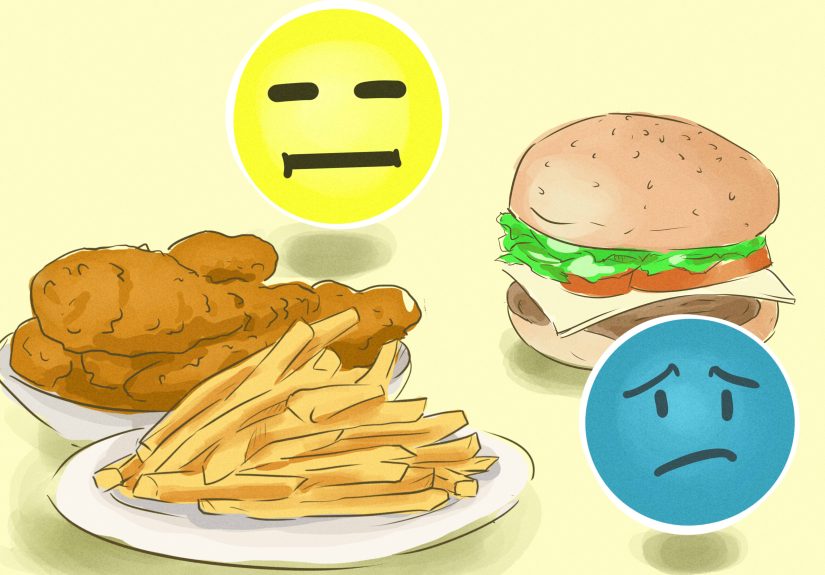
Fried chicken, fries, onion rings, mozzarella sticks, greasy burgers, and heavy takeout meals are common triggers for nausea and stomach discomfort. These foods are high in fat and can sit in the stomach longer, especially when digestion is already slowed.
You do not have to swear off flavor. Choose grilled, baked, roasted, air-fried, or broiled options instead. A grilled chicken sandwich with a side salad will usually be easier to tolerate than a double cheeseburger with large fries.
2. Very Sugary Foods and Drinks
Soda, sweet tea, candy, pastries, frosted cereals, milkshakes, and large desserts can make weight loss harder and may worsen blood sugar swings in people with diabetes. They can also trigger nausea for some people on GLP-1 medications.
If you want dessert, keep it small and balanced. Try Greek yogurt with berries, a square of dark chocolate, chia pudding, or baked apple with cinnamon. Dessert does not need to be dramatic. It just needs to stop short of becoming a full Broadway production.
3. Large, Heavy Meals
Portion size is one of the biggest factors in comfort. On Ozempic, your old meal size may suddenly feel too large. Eating past fullness can lead to nausea, burping, reflux, and abdominal pain.
Try smaller meals and stop eating when you feel comfortably satisfied. If needed, divide meals into mini-meals: half a protein bowl at lunch and the rest later. Eat slowly and give your stomach time to send the memo that it is full.
4. Alcohol
Alcohol may worsen nausea, reflux, dehydration, and poor food choices. It can also affect blood sugar, especially in people with diabetes or those taking other glucose-lowering medications. If you drink, discuss safe limits with your clinician.
5. Spicy or Acidic Foods If They Trigger Symptoms
Spicy chili, hot sauce, heavy tomato sauces, citrus-heavy meals, and strong seasonings can bother some people, especially if reflux is already an issue. Not everyone needs to avoid these foods, but if your stomach complains, listen. Your stomach may not be eloquent, but it is persistent.
6. Ultra-Processed Snack Foods
Chips, packaged pastries, processed meats, fast-food meals, and frozen convenience foods are often high in sodium, saturated fat, refined carbohydrates, or added sugars. They are not automatically forbidden, but they should not be the foundation of your diet.
Sample Ozempic-Friendly Meal Plan
Breakfast
Greek yogurt with berries, chia seeds, and a small handful of walnuts. This gives you protein, fiber, healthy fats, and a naturally sweet taste without a sugar overload.
Lunch
Grilled chicken salad with mixed greens, cucumbers, tomatoes, chickpeas, and a light vinaigrette. Add a small whole-grain roll if you need more energy.
Snack
Apple slices with peanut butter, cottage cheese with fruit, a boiled egg, or a protein shake. Choose something small and protein-forward.
Dinner
Baked salmon, roasted broccoli, and a small serving of quinoa or brown rice. This meal is rich in protein, fiber, and healthy fats without being overly heavy.
Gentle Option for Nausea Days
Try toast, crackers, broth, banana, rice, applesauce, scrambled eggs, or a small smoothie. Keep portions small and avoid greasy foods until your stomach settles.
How to Reduce Nausea, Constipation, and Other Side Effects
Many Ozempic side effects are digestive. Food strategy can make a real difference. Eat slowly, chew well, and avoid lying down right after meals. Smaller meals are often better tolerated than one large plate. Drinking water regularly throughout the day may help reduce constipation, especially when paired with gradual fiber intake.
If constipation appears, increase fiber slowly with oats, beans, lentils, berries, vegetables, chia seeds, and ground flaxseed. Do not go from zero to “fiber superhero” overnight. Too much too soon can cause bloating and gas. Your digestive system prefers a friendly introduction, not a surprise party.
If nausea is a problem, avoid fried foods, rich sauces, large portions, and strong smells. Bland foods may help on difficult days. If vomiting, severe abdominal pain, dehydration, or persistent symptoms occur, contact your healthcare professional promptly.
Common Mistakes People Make on Ozempic
Eating Too Little
Ozempic can reduce hunger dramatically. That sounds helpful until you realize you have had coffee, two bites of toast, and half a string cheese all day. Eating too little can lead to fatigue, nutrient gaps, constipation, and muscle loss. Aim for balanced meals even when portions are smaller.
Skipping Protein
When appetite is low, protein can be the first thing to disappear. Prioritize it anyway. Start with eggs, fish, poultry, beans, tofu, yogurt, or protein shakes before filling up on low-protein foods.
Depending on “GLP-1 Friendly” Labels
Food companies now market products to people using GLP-1 medications. Some are useful; others are just regular processed foods wearing a tiny health halo. Read the nutrition label. Look for protein, fiber, lower added sugar, and reasonable sodium.
Expecting the Medication to Do Everything
Ozempic may help reduce appetite, but long-term success still depends on habits: nutritious meals, regular movement, strength training, sleep, hydration, and medical follow-up. Medication can open the door, but you still have to walk through it.
500-Word Experience Section: What Eating on Ozempic Can Feel Like in Real Life
People often imagine that taking Ozempic for weight loss feels like flipping a switch: appetite off, weight down, problem solved. Real life is usually more interesting. Many people describe the first few weeks as a learning curve. Foods that once felt normal may suddenly feel too heavy. A restaurant portion that used to look “reasonable” might now look like a family reunion on a plate. The biggest surprise is often how quickly fullness arrives.
One common experience is the need to relearn portion size. For example, someone may order their usual burrito bowl and realize halfway through that continuing is a terrible idea. The smarter move is to pause, save the rest, and treat leftovers as tomorrow’s lunch. This can feel strange at first, especially for people raised with the “clean your plate” rule. But on Ozempic, the new rule is “respect your fullness.” Your stomach is not being rude. It is giving useful feedback.
Another real-world lesson involves breakfast. Some people wake up with little appetite and skip it entirely. That may work occasionally, but skipping protein too often can backfire. A small protein-rich breakfast, such as Greek yogurt, eggs, cottage cheese, or a protein smoothie, can help stabilize energy and prevent late-day under-eating. The goal is not to force a giant meal. It is to give the body useful nutrition in a size it can handle.
Social eating can also become tricky. Pizza night, birthday cake, game-day wings, and holiday meals do not disappear just because someone starts a GLP-1 medication. The best strategy is not perfection. It is planning. Eat slowly, choose protein first, take smaller portions, and avoid stacking multiple trigger foods in one meal. A slice of pizza with salad may be fine for some people. Three slices, garlic knots, soda, and cheesecake may create a digestive opera no one asked to attend.
Many people also discover that hydration requires intention. Because appetite and thirst cues may feel muted, water intake can drop without anyone noticing. Keeping a water bottle nearby, drinking between meals, and adding low-sugar electrolytes when needed can help. Constipation is another common frustration, especially if food intake decreases. Gradual fiber from vegetables, berries, oats, beans, and chia seeds can help, but it works best when paired with enough fluid.
The most successful experiences tend to come from flexibility. Some days, a full salad with grilled chicken sounds perfect. Other days, nausea calls for toast, broth, and patience. That does not mean failure. It means the plan is adapting. Weight loss with Ozempic is not about eating like a robot with a meal-prep container permanently attached to one hand. It is about building a pattern that supports health, reduces side effects, and still leaves room for a normal life.
Conclusion
Ozempic can change appetite, fullness, and digestion, but food choices still shape the weight-loss journey. The best foods to eat on Ozempic include lean protein, vegetables, whole grains, low-sugar fruits, healthy fats in small portions, and plenty of fluids. The foods most likely to cause trouble include fried meals, greasy foods, large portions, sugary drinks, heavy desserts, alcohol, and highly processed snacks.
Instead of chasing a strict “Ozempic diet,” focus on a realistic pattern: protein first, plants often, fiber gradually, portions smaller, hydration daily, and side effects taken seriously. Work with a healthcare professional or registered dietitian, especially if you have diabetes, kidney disease, digestive conditions, or persistent symptoms. Ozempic may help turn down the volume on hunger, but your daily choices still write the song.