Table of Contents >> Show >> Hide
- What Is a Brain Tumor?
- What Causes Brain Tumors?
- Brain Tumor Symptoms: What to Watch For
- When to Seek Medical Care
- How Brain Tumors Are Diagnosed
- Treatment Options for Brain Tumors
- What Happens After Treatment?
- Patient and Family Experiences: What the Journey Often Feels Like
- Final Thoughts
- SEO Tags
A brain tumor is the kind of phrase that can make a perfectly normal Tuesday feel like it just got hit by a freight train. It sounds huge, scary, and a little unfair. The good news is that “brain tumor” is not one single diagnosis. It is a broad term that includes many different growths, from slow-growing benign tumors to aggressive cancers that need treatment right away. Some begin in the brain itself. Others travel there from cancers that started somewhere else in the body.
That distinction matters because brain tumors behave differently, cause different symptoms, and respond to different treatments. A tiny tumor in a critical area can create major problems, while a larger one in a less sensitive area may stay quiet for longer. In other words, size matters, but location is the real diva in this story.
This guide breaks down what brain tumors are, what may cause them, which warning signs deserve attention, how doctors diagnose them, and the treatment options most often used today. It is written for real humans, not for medical textbooks trying to win an award for longest sentence.
What Is a Brain Tumor?
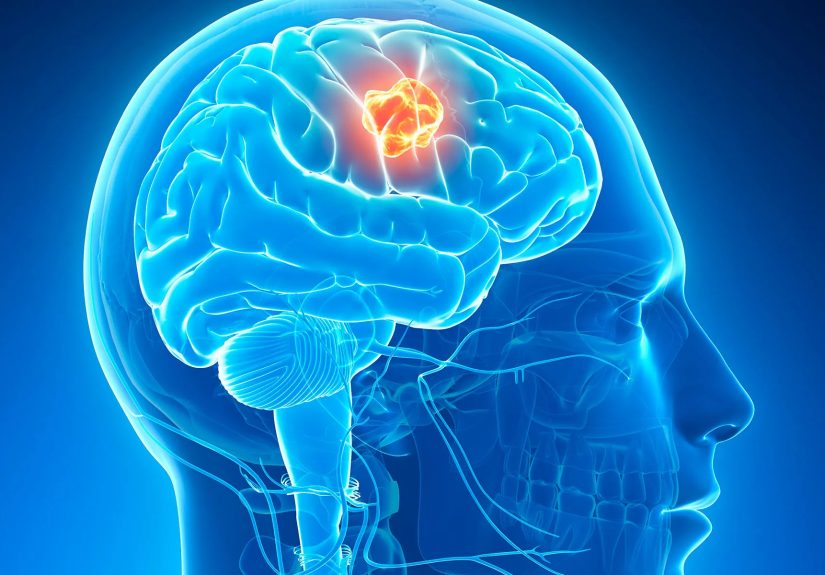
A brain tumor is an abnormal growth of cells in or around the brain. Some tumors are benign, meaning they are not cancerous. Others are malignant, meaning they are cancer. But benign does not always mean harmless. Because the brain sits inside the skull with very limited room to spare, even a noncancerous tumor can press on important structures and interfere with speech, movement, vision, memory, hormones, or behavior.
Doctors usually divide brain tumors into two big groups:
Primary Brain Tumors
These start in the brain or nearby tissues such as the meninges, nerves, or pituitary gland. Examples include gliomas, meningiomas, pituitary adenomas, ependymomas, and schwannomas. Some grow slowly. Others move fast and require aggressive treatment.
Metastatic Brain Tumors
These begin somewhere else in the body and spread to the brain. They are also called secondary brain tumors or brain metastases. In adults, metastatic tumors are common and often come from cancers such as lung, breast, melanoma, kidney, or colon cancer.
In many cases, doctors also look at the tumor’s grade, which helps estimate how abnormal the cells look and how quickly they may grow. A biopsy and advanced lab testing can also reveal molecular or genetic features that help guide treatment.
What Causes Brain Tumors?
Here is the honest answer: in most cases, no one can point to one neat, satisfying cause. Brain tumors usually develop after changes occur in a cell’s DNA, causing that cell to grow and divide when it should not. For many patients, the exact reason those changes happen is never fully known.
That said, researchers do know about several important risk factors.
1. Ionizing Radiation
The clearest established environmental risk factor is exposure to ionizing radiation, especially prior radiation treatment to the head. This does not mean every X-ray is a villain in a cape, but it does mean higher-dose radiation exposure is a real and recognized risk.
2. Inherited Genetic Syndromes
Most brain tumors are not inherited, but a small number are linked to rare hereditary syndromes. These can include conditions such as neurofibromatosis, Li-Fraumeni syndrome, von Hippel-Lindau disease, and tuberous sclerosis. A strong family history does not automatically mean a person will develop a brain tumor, but it may prompt doctors to consider genetic counseling or further evaluation.
3. Age and Tumor Type
Brain tumors can appear at any age, but some tumor types are more common in children while others are more common in adults. That is one reason pediatric brain tumors are evaluated and treated differently from adult tumors.
4. Unknown Causes
Many people want a simple explanation: “Was it stress? Diet? My phone? That one questionable energy drink phase?” For most patients, the answer is still no clear lifestyle cause. Researchers continue to study possible links, but most brain tumors arise without a clean, obvious trigger.
Brain Tumor Symptoms: What to Watch For
Brain tumor symptoms depend on the tumor’s size, location, growth rate, and whether it causes swelling or blocks the normal flow of cerebrospinal fluid. Symptoms may come from direct pressure on brain tissue, irritation that triggers seizures, or rising pressure inside the skull.
Common symptoms of brain tumors include:
- Headaches, especially new or worsening headaches
- Seizures or convulsions
- Nausea and vomiting
- Vision changes, including blurred or double vision
- Weakness or numbness in an arm, leg, or one side of the body
- Balance problems, dizziness, or trouble walking
- Speech difficulty or trouble finding words
- Memory problems, confusion, or personality changes
- Hearing loss
- Drowsiness or unusual fatigue
Headaches: Common but Often Misunderstood
Headaches are one of the most common symptoms linked to brain tumors, but they are also extremely common in people who do not have brain tumors. That is why a headache alone usually is not enough to diagnose anything. More concerning patterns include headaches that are getting worse over time, wake someone from sleep, feel worse in the morning, or occur with vomiting, seizures, or neurological changes.
Location-Specific Symptoms
The brain is basically mission control, so symptoms often reflect where the tumor is located:
- Frontal lobe: personality changes, poor judgment, weakness, trouble speaking
- Temporal lobe: memory issues, language trouble, unusual sensations or seizures
- Parietal lobe: sensory changes, difficulty reading or spatial confusion
- Occipital lobe: visual problems
- Cerebellum: loss of coordination, stumbling, dizziness
- Pituitary region: hormone changes, menstrual changes, sexual dysfunction, vision issues
One important note: these symptoms can also be caused by migraines, stroke, infections, medication effects, inner ear issues, and many other conditions. That does not make the symptoms “nothing.” It simply means they need proper medical evaluation instead of internet roulette.
When to Seek Medical Care
See a doctor promptly if you develop persistent neurological symptoms that are new, worsening, or unusual for you. Emergency care is especially important for:
- A first-time seizure
- Sudden weakness, facial droop, or trouble speaking
- Severe vomiting with headache
- Rapid confusion or loss of consciousness
- Vision loss or sudden dramatic changes in balance
Not every symptom points to a tumor, but the brain is not a body part you want to “just keep an eye on” indefinitely while hoping for the best.
How Brain Tumors Are Diagnosed
There is no widely recommended routine screening test for brain tumors in people without symptoms. Most tumors are found because symptoms lead to testing.
Medical History and Neurological Exam
Doctors begin by asking about symptoms, family history, prior cancers, and radiation exposure. A neurological exam checks vision, hearing, balance, coordination, reflexes, strength, sensation, memory, and thinking. This exam does not prove a tumor is present, but it can show which part of the brain may be affected.
Imaging Tests
MRI is the main imaging test for suspected brain tumors because it gives detailed views of the brain. CT scans are also useful and may be ordered first in urgent situations because they are fast and widely available. In selected cases, doctors may use PET scans or advanced imaging to better understand aggressive tumors or treatment response.
Biopsy and Lab Testing
If imaging suggests a tumor, doctors often need a biopsy or surgical tissue sample to confirm the diagnosis. The pathology report helps identify the tumor type, grade, and molecular markers. That information shapes the treatment plan and gives clues about prognosis.
Some patients may also need blood tests, spinal fluid testing, or additional scans depending on the tumor type and whether doctors suspect metastatic disease.
Treatment Options for Brain Tumors
Brain tumor treatment is highly individualized. Doctors consider the tumor’s type, size, grade, location, symptoms, molecular profile, and whether it is primary or metastatic. They also consider age, overall health, and patient preferences. Translation: there is no one-size-fits-all treatment plan, because the brain refuses to be simple.
1. Surgery
Surgery is often the first treatment for many brain tumors. The goals may include:
- Removing as much of the tumor as safely possible
- Reducing pressure in the skull
- Improving symptoms
- Obtaining tissue for diagnosis
Some tumors can be removed completely. Others sit too close to critical brain structures, so surgeons may perform a partial removal, sometimes called debulking. Modern neurosurgery may involve image guidance, brain mapping, minimally invasive techniques, or awake procedures when language or motor areas must be protected.
2. Radiation Therapy
Radiation therapy uses high-energy beams to kill tumor cells or stop them from growing. It is commonly used after surgery, instead of surgery, or for recurrent or metastatic tumors. Types of radiation include:
- External beam radiation therapy
- Stereotactic radiosurgery for certain small or well-defined tumors
- Whole-brain radiation therapy in selected metastatic cases
- Precision techniques such as IMRT or CyberKnife-style delivery
The choice depends on the tumor’s type, number, location, and treatment goals.
3. Chemotherapy
Chemotherapy uses drugs to kill or slow cancer cells. It is often used for malignant tumors such as glioblastoma and some other gliomas, either with radiation, after radiation, or at recurrence. Some drugs are taken by mouth, while others are given by IV or, in special situations, placed locally during surgery.
4. Targeted Therapy and Precision Medicine
Targeted therapy focuses on specific features of tumor cells, such as genetic mutations or signaling pathways. This approach is one reason molecular testing has become so important. Two tumors may look similar on a scan but behave very differently under the microscope and at the DNA level.
5. Tumor Treating Fields
For some people with glioblastoma, doctors may recommend Tumor Treating Fields (TTFields), a wearable device that sends low-intensity electrical fields through the scalp to disrupt cancer cell division. It is not used for every brain tumor, but it has become a recognized option in selected cases.
6. Active Surveillance
Not every tumor needs immediate treatment. Some small, slow-growing, or asymptomatic tumors can be watched carefully with regular imaging and follow-up visits. This strategy is often called active surveillance or watchful waiting.
7. Supportive and Palliative Care
Treatment is not just about attacking the tumor. It is also about protecting quality of life. Supportive care may include:
- Corticosteroids to reduce swelling
- Anti-seizure medications to control seizures
- Shunts to relieve fluid buildup in some cases
- Pain control, nausea treatment, and rehabilitation therapies
- Speech, occupational, and physical therapy
- Palliative care for symptom relief and support at any stage of illness
Palliative care does not mean “giving up.” It means treating symptoms seriously, which is exactly what good medicine should do.
What Happens After Treatment?
Follow-up care is a major part of brain tumor management. Even after successful treatment, patients may need regular MRI scans, neurological exams, medication adjustments, rehabilitation, endocrine follow-up, cognitive support, and long-term monitoring for recurrence or treatment side effects.
Recovery also varies widely. Some people return to work and daily activities relatively quickly. Others need months of rehabilitation for speech, balance, memory, or fatigue. The outcome depends on tumor type, location, treatment response, and overall health. That is why prognosis discussions should be personal, not based on random online survival charts that show up like uninvited party guests.
Patient and Family Experiences: What the Journey Often Feels Like
One of the hardest parts of a brain tumor diagnosis is that it does not affect just one body part or one calendar week. It barges into nearly every corner of life. Patients often describe the first phase as surreal: one moment they are explaining away headaches, clumsiness, or memory slips, and the next they are learning new words like glioma, meningioma, edema, resection, and molecular markers. It is a lot. Sometimes it feels like being handed a graduate course in neuro-oncology while still trying to remember where you parked the car.
Waiting is a major theme in the brain tumor experience. Waiting for scans. Waiting for biopsy results. Waiting to hear whether a tumor is benign or malignant. Waiting to learn whether surgery removed everything that could safely come out. Even when care is excellent, that in-between time can be emotionally exhausting. Families often swing between hope and dread several times before lunch.
Patients also talk about how strange brain-related symptoms can feel. A person may look “fine” from the outside while struggling with word-finding problems, fatigue, personality changes, short-term memory lapses, or sensory overload. That mismatch can be frustrating. Loved ones may see a surgical scar or understand the diagnosis, but they may not fully appreciate how hard it is to concentrate, process noise, or stay steady on your feet. Brain tumors are not always dramatic in the movie-scene sense. Sometimes they are disruptive in quiet, daily, deeply inconvenient ways.
Caregivers carry a huge share of the burden too. They often become appointment coordinators, note takers, medication managers, insurance negotiators, meal planners, and emotional shock absorbers all at once. Many support resources emphasize that caregivers need support in their own right, not just a polite pat on the shoulder and a reminder to “stay strong.” Real support may mean counseling, peer groups, practical help at home, financial guidance, or simply permission to admit that this is hard.
Another common experience is the shift from crisis mode to long-haul adjustment. After surgery, radiation, or chemotherapy, people often expect life to snap neatly back into place. Sometimes it does not. Recovery may include rehab, speech therapy, seizure precautions, fatigue management, and follow-up imaging that reintroduces anxiety every few months. Patients may grieve lost routines, changed work roles, or a different sense of independence. At the same time, many people also describe becoming more intentional, more direct, and more appreciative of ordinary days.
Support groups and patient communities can make a real difference here. Hearing from other patients and caregivers often helps people feel less isolated and more informed. It is easier to ask practical questions and talk honestly when you are speaking with someone who already understands why “scan day” can raise your blood pressure before you even leave the house.
The overall experience is rarely simple, but it is not defined by fear alone. Patients and families often build remarkable resilience, learn how to make decisions under pressure, and discover that quality care includes communication, symptom control, and emotional support, not just procedures and prescriptions.
Final Thoughts
Brain tumors are complex, but the big picture is this: symptoms vary, causes are often unclear, diagnosis depends on imaging and tissue testing, and treatment may include surgery, radiation, chemotherapy, targeted therapy, TTFields, active surveillance, and strong supportive care. The best treatment plan is personalized and usually built by a multidisciplinary team that includes neurosurgery, neuro-oncology, radiation oncology, radiology, pathology, rehabilitation, and supportive care specialists.
If you or someone you love has symptoms that raise concern, do not panic, but do not ignore them either. Early evaluation matters. The sooner doctors understand what is happening, the sooner they can build a plan that protects both health and quality of life.
This article is for educational purposes only and should not replace medical advice, diagnosis, or treatment from a licensed healthcare professional.