Table of Contents >> Show >> Hide
- The Nightwood Philosophy: Reincarnation, Not Renovation
- Enter Doug Newton: Brass With Backbone
- Why Brass Lighting Works So Well in Interior Design
- Custom Lighting as Functional Sculpture
- The Beauty of Patina: When Age Becomes the Finish
- Reclaimed Design and Sustainability Without the Lecture
- How to Use Brass Lighting in a Home
- Why the Doug Newton and Nightwood Collaboration Still Feels Relevant
- The Interior Mood: Vintage, Industrial, and Warmly Human
- What Designers Can Learn From This Collaboration
- Experience Notes: Living With Brass Lighting and Reclaimed Design
- Conclusion: Brass, Reborn With Purpose
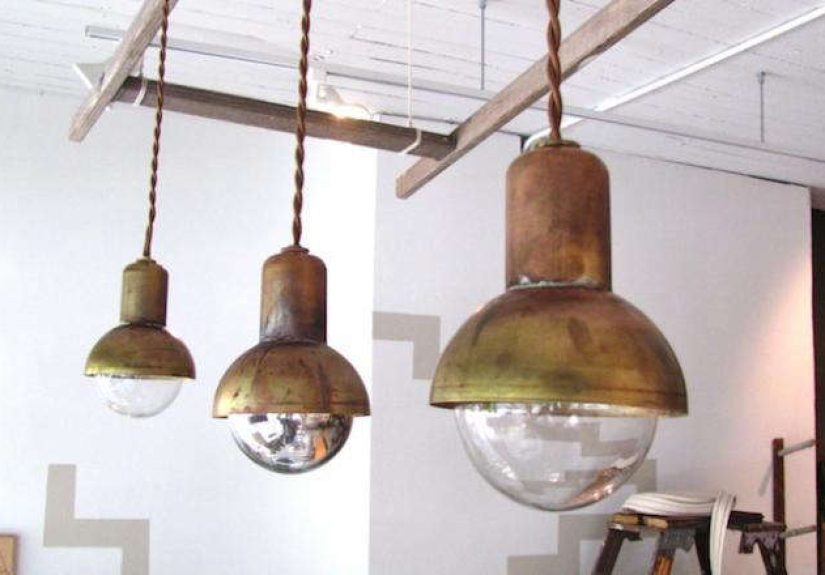
Some lighting politely does its job. It glows, behaves, and tries not to interrupt the sofa. Then there is brass lighting by Doug Newton for Nightwood: heavy, moody, patinated, and absolutely uninterested in being background décor. These custom fixtures feel less like products and more like objects discovered in the back room of an old theater, rescued from a ship captain’s study, or borrowed from a restaurant where everyone wears linen and has opinions about vermouth.
The phrase “Brass Reincarnated” is not just a catchy design headline. It neatly captures the spirit of Nightwood, the design studio known for giving discarded furniture, salvaged wood, and forgotten materials a second life. When Nightwood invited designer and metalworker Doug Newton to create custom brass lighting, the result was a natural extension of the studio’s philosophy: use what has history, honor what has texture, and never polish the personality out of a thing.
In a world full of lighting that arrives flat-packed, overly shiny, and emotionally unavailable, these pieces remind us why custom lighting still matters. A handmade brass fixture can warm a room, anchor a design story, and make even a simple wall look as if it has been keeping secrets since 1928.
The Nightwood Philosophy: Reincarnation, Not Renovation
Nightwood became known for “reincarnated” furniture long before reclaimed interiors became a mainstream design phrase. Founded by Nadia Yaron and Myriah “Ry” Scruggs, the studio built its identity around salvaged materials, especially cast-off furniture and weathered wood found in and around Brooklyn. Instead of treating old materials as problems to be corrected, Nightwood treated them as collaborators.
That distinction matters. Reclaimed furniture is not simply furniture made from old stuff. At its best, it is a form of design editing. The maker decides what to preserve, what to remove, what to reinforce, and what to let remain beautifully imperfect. A gouge in old wood may become a feature. Uneven grain may become the visual rhythm of a cabinet. A knot may become the entire reason a table deserves to exist.
Nightwood’s work has always carried that handmade, slightly wild energy. The studio’s aesthetic is rustic but not country, modern but not sterile, poetic but still useful. It belongs in apartments, restaurants, cabins, townhouses, creative studios, and anywhere else a person might say, “I want this room to feel designed, but not like it was bullied by a catalog.”
Enter Doug Newton: Brass With Backbone
Doug Newton, working from his Williamsburg studio BK Handbuilt, brought metal into Nightwood’s world of wood, textiles, and salvaged furniture. His custom lighting for Nightwood used brass in a way that felt strong, vintage, and deeply tactile. These were not timid fixtures. They had weight. They had presence. They looked as though they had already lived a fascinating life and were only now deciding to illuminate yours.
Brass was the perfect material for the collaboration because it shares Nightwood’s love of transformation. Unlike a flat, factory-coated finish that tries to look identical forever, natural brass changes with age. It darkens, softens, spots, glows, and develops patina. In other words, brass does what humans do: it gets more interesting after a few years of real life.
Newton’s pieces for Nightwood leaned into that quality. The appeal was not a mirror-polished shine screaming, “Look at me, I am expensive!” It was quieter and better. The fixtures held the warmth of brass while keeping the marks, tonal variations, and surface character that make aged metal feel alive.
Why Brass Lighting Works So Well in Interior Design
Brass has a rare ability to feel both old and current. It can sit comfortably beside marble, walnut, plaster, tile, leather, linen, steel, and raw concrete. It can soften a modern interior or sharpen a rustic one. It can look glamorous without behaving like it hired a publicist.
In lighting, brass is especially powerful because the material already carries warmth. When paired with a soft bulb, brass can amplify a golden glow and make a room feel instantly more intimate. This is why brass pendants, sconces, and task lights often work beautifully in dining rooms, bedrooms, reading corners, bars, powder rooms, and hospitality spaces.
But the key is restraint. Too much shiny brass can make a room look like it is auditioning to become a trumpet. Patinated brass, antique brass, brushed brass, and unlacquered brass offer a more nuanced approach. They bring depth instead of glare. They also mix well with blackened steel, bronze, nickel, and wood, which makes them flexible for layered interiors.
Custom Lighting as Functional Sculpture
The best custom lighting does more than provide illumination. It shapes atmosphere. A pendant can lower the emotional ceiling over a dining table. A sconce can turn a blank hallway into a procession. A brass task lamp can make a desk feel like a place where brilliant ideas happen, even if the current idea is only “Where did I put my coffee?”
Doug Newton’s custom brass lighting for Nightwood belongs to this tradition of functional sculpture. The fixtures are useful, but their usefulness is not the whole story. Their forms, finishes, and material presence add meaning to a room. They tell visitors that someone cared enough to choose an object with a maker behind it.
That maker-driven quality has become increasingly valuable in modern interiors. As homes and commercial spaces fill with mass-produced items, handmade lighting offers contrast. It gives the eye something to study. It adds irregularity, and irregularity is often what prevents a room from feeling flat.
The Beauty of Patina: When Age Becomes the Finish
Patina is one of the reasons brass has such staying power. On unlacquered or living brass, the finish changes as it reacts to air, touch, moisture, oils, and time. Some areas darken. Edges may stay brighter where hands often touch them. The surface becomes a record of use.
For people who want every object to remain frozen in showroom condition, patina can be mildly alarming. For design lovers, it is the good stuff. Patina gives brass lighting individuality. Two fixtures that begin as siblings may age into cousins with different personalities. One may become smoky and brown. Another may hold more gold. A third may develop tiny tonal shifts that look almost painterly.
This is where Nightwood and Newton make perfect sense together. Nightwood’s furniture celebrates marks, history, and material truth. Newton’s brass lighting does the same in metal. Nothing about the collaboration suggests fear of age. The work embraces age as an active design element.
Reclaimed Design and Sustainability Without the Lecture
One of the quiet strengths of reclaimed design is that it offers sustainability without turning the room into a PowerPoint presentation. Reusing materials extends their life, reduces demand for new resources, and keeps usable objects from becoming waste. That is the serious part. The fun part is that reclaimed pieces often look better than new ones.
Old materials have density, variation, and character that can be difficult to imitate. Salvaged wood may show growth patterns, tool marks, nail holes, weathering, or color shifts. Aged brass may hold depth that a fresh coating cannot reproduce. When designers use these materials thoughtfully, the result is not just eco-conscious; it is visually richer.
Nightwood’s work shows that sustainability does not have to look like a compromise. A reclaimed table can be elegant. A custom brass pendant can be refined. A room can be environmentally aware and still feel sensual, moody, and inviting. Nobody has to sit on a bale of moral superiority in the corner.
How to Use Brass Lighting in a Home
1. Let One Fixture Be the Main Character
If a brass pendant or sconce has sculptural weight, give it room to breathe. Hang a strong brass pendant over a dining table, kitchen island, or reading nook and allow it to become the focal point. Surround it with quieter materials so the fixture does not have to shout over twelve other “statement pieces” having a design argument.
2. Pair Brass With Natural Materials
Brass looks especially good with reclaimed wood, stone, plaster, leather, clay tile, and woven textiles. These materials share a sense of touch. Together, they create interiors that feel grounded rather than staged.
3. Choose Warm Bulbs
The wrong bulb can make even beautiful brass look harsh. Warm LED bulbs, often around 2700K, help brass lighting glow rather than glare. Dimmers are also helpful because they allow the fixture to shift from practical brightness to evening atmosphere.
4. Mix Metals Carefully
Brass does not need to match every knob, hinge, and faucet in a room. In fact, mixed metals often feel more collected and sophisticated. The trick is repetition. If brass appears in the lighting, repeat it once or twice in smaller accents so it feels intentional, not like the electrician brought a surprise guest.
5. Embrace Aging
If you choose unlacquered or patinated brass, do not panic when it changes. That is the point. Clean it gently, avoid harsh abrasives unless you want to reset the finish, and let the material develop its own character.
Why the Doug Newton and Nightwood Collaboration Still Feels Relevant
The custom lighting Doug Newton made for Nightwood appeared at a moment when reclaimed design was gaining broader attention. Yet the collaboration still feels relevant because it avoids the trap of trendiness. It is not about putting a little “industrial” flavor on a mass-market object. It is about material honesty, skilled fabrication, and the romance of reuse.
Design trends move quickly. One year everything is white and minimal. The next year everyone wants brown rooms, mushroom paint, limewash walls, and furniture that looks like it has been emotionally through something. But handmade brass lighting sits outside that cycle. It can belong to a modern loft, a historic brownstone, a boutique hotel, or a farmhouse kitchen because its appeal comes from proportion, material, and craft.
That is why this collaboration deserves attention beyond a simple product post. It represents a way of thinking about interiors: objects should not merely fill space; they should deepen it. They should bring memory, texture, and utility together. They should improve with use, not become obsolete the moment a trend report changes its mind.
The Interior Mood: Vintage, Industrial, and Warmly Human
Brass lighting by Doug Newton for Nightwood occupies a sweet spot between vintage industrial design and handmade domestic warmth. The fixtures have enough heft to feel architectural, but enough patina to feel personal. They suggest workshops, old hotels, artist lofts, and candlelit dinners where the chairs do not match but somehow everyone looks cooler.
This mood is especially useful in contemporary interiors that risk becoming too clean. Smooth walls, new floors, and modern cabinetry can be beautiful, but they often need contrast. A patinated brass fixture introduces instant history. It breaks the perfection. It says, “Relax, this room is allowed to have a pulse.”
The same principle applies to restaurants and hospitality spaces. Custom brass lighting can make a room feel established even when it opened last Thursday. It gives guests a sense that the space was assembled over time, not simply installed.
What Designers Can Learn From This Collaboration
The biggest lesson is that materials should be allowed to behave like materials. Wood can show grain. Brass can patina. Metal can carry weight. Handmade objects can show slight variation. These qualities are not flaws to hide; they are reasons to choose custom work in the first place.
Another lesson is that lighting should be considered early in a design plan. Too often, fixtures are selected at the end, when the budget is tired and everyone just wants something that ships quickly. But lighting affects mood, scale, color, and the way people move through a room. A custom brass fixture can define the entire emotional direction of a space.
Finally, the Newton and Nightwood collaboration shows the value of creative partnership. Nightwood brought a language of salvaged wood, reincarnated furniture, and handcrafted interiors. Newton brought metalworking and brass lighting with vintage soul. Together, they created pieces that felt aligned, not forced.
Experience Notes: Living With Brass Lighting and Reclaimed Design
Anyone who has lived with brass lighting knows that it changes the room before it even turns on. During the day, it catches natural light in small flashes. At night, it becomes warmer and quieter, especially when the bulb is dimmed low enough to make everyone look like they slept eight hours and moisturized responsibly.
The experience of using custom brass lighting is different from using a generic fixture. A handmade piece asks for attention. You notice the curve of the shade, the thickness of the metal, the way the surface darkens near a joint or brightens along an edge. Even dust looks more dignified on brass, although that is not an official cleaning recommendation.
In a room with reclaimed furniture, brass lighting often acts as the bridge between rugged and refined. Imagine a dining table made from salvaged wood. It may have knots, scars, uneven tone, and a surface that feels like it has survived weather, dinner parties, and possibly one regrettable craft project. Hang a patinated brass pendant above it, and suddenly the whole scene becomes intentional. The wood feels grounded. The metal adds glow. The room gains hierarchy.
There is also an emotional experience to these materials. Reclaimed wood and aged brass do not demand perfection from the people who live with them. A tiny mark on a mass-produced glossy table feels like damage. A new mark on reclaimed wood becomes part of the story. A fingerprint on unlacquered brass is not a disaster; it is practically a collaboration. These materials are forgiving because they already understand life is messy.
For homeowners, the best approach is to build slowly. Start with one excellent fixture rather than filling a room with lookalikes. A brass sconce beside a bed can make a bedroom feel layered and calm. A pendant over a breakfast table can create a small daily ritual. A brass task lamp in an office can make work feel slightly more cinematic, even when the work is answering emails with the emotional range of a toaster.
For designers, the experience is about balance. Custom lighting should not overpower the architecture unless that is the goal. It should support the room’s function while adding character. The fixture should look good off, glow beautifully on, and age gracefully over time. That is a high standard, but it is exactly where handmade brass lighting shines.
The Doug Newton for Nightwood collaboration remains inspiring because it treats design as a living process. Materials are found, shaped, used, aged, and appreciated. Nothing is too precious to touch. Nothing is too ordinary to transform. Brass becomes more than metal. Lighting becomes more than hardware. A room becomes more than a collection of purchases.
That is the real magic of “Brass Reincarnated.” It is not nostalgia for old things. It is respect for materials that still have more to give. In the right hands, a piece of brass can become a lamp, a lamp can become atmosphere, and atmosphere can become the reason people remember a room long after they leave it.
Conclusion: Brass, Reborn With Purpose
Brass Reincarnated: Custom Lighting by Doug Newton for Nightwood is more than a design curiosity. It is a compact lesson in what makes interiors memorable: honest materials, skilled hands, useful beauty, and a little patina-powered drama. Doug Newton’s brass lighting fits naturally into Nightwood’s world because both value transformation. They do not erase age; they work with it.
In an era when many interiors are designed to look instantly finished, these fixtures remind us that the best spaces often feel collected, repaired, revised, and lived in. Brass lighting brings warmth. Reclaimed design brings soul. Together, they create rooms that do not merely photograph well; they feel good to inhabit.
And if a lamp can make a room warmer, moodier, more sustainable, and slightly more charming than anyone expected, that is not just lighting. That is reincarnation with a dimmer switch.