Table of Contents >> Show >> Hide
Fennel tea is one of those old-school herbal drinks that somehow manages to feel both fancy and grandma-approved at the same time. Brewed from fennel seeds, this naturally caffeine-free infusion has a mild licorice-like flavor and a long reputation as a digestion helper. For some people, it is the cup they reach for after a too-big dinner. For others, it shows up during a rough period, a bloated afternoon, or a week when the stomach seems committed to drama.
But does fennel tea actually do anything useful, or is it just warm water wearing a strong perfume? The truth sits somewhere nicely in the middle. Fennel tea contains plant compounds that may support digestion, and some small studies suggest it could help with menstrual discomfort. At the same time, it is not a miracle drink, and it is not risk-free for everyone. People with certain allergies, hormone-sensitive conditions, or medication routines may need to be careful.
This guide breaks down the possible benefits of fennel tea, what is actually known about its health effects, what side effects to watch for, and when a simple herbal cup becomes a “maybe ask your doctor first” situation.
What Is Fennel Tea?
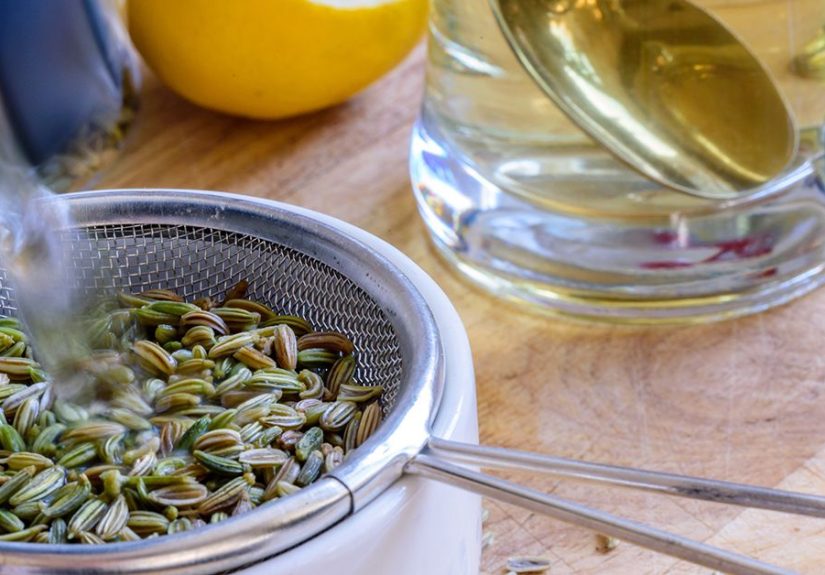
Fennel tea is an herbal infusion made most often from crushed or whole fennel seeds, though some products may also use parts of the fennel plant. Fennel itself is a flowering plant in the carrot family, and its scientific name is Foeniculum vulgare. The seeds are aromatic, slightly sweet, and famous for their anise-like taste. If black licorice and a garden herb had a polite little baby, it would taste a lot like fennel.
Unlike black tea or green tea, fennel tea does not come from the tea plant. That means it is naturally caffeine-free. Many people drink it in the evening, after meals, or whenever their digestive system starts behaving like it has personal grudges.
Fennel seeds contain plant compounds such as anethole, flavonoids, and other antioxidants. These compounds are one reason fennel has been studied for digestive support, menstrual pain, antimicrobial effects, and hormone-like activity. That said, the amount you get in one mug of tea is not the same as the amount used in concentrated supplements or extracts, which matters a lot when people start making oversized health promises.
Potential Benefits of Fennel Tea
1. It may help with bloating and gas
This is the benefit fennel tea is most famous for, and honestly, it is also the most believable in everyday life. Fennel has traditionally been used as a digestive aid for centuries. People often sip it after heavy meals because it may help the digestive tract relax and move trapped gas along a little more gracefully.
If you tend to get that “I ate lunch and now my jeans are filing a formal complaint” feeling, fennel tea may be worth trying. The warm liquid itself can be soothing, and fennel’s aromatic compounds may contribute to that after-meal comfort. Some research and clinical references also point to its potential antispasmodic effects, meaning it may help calm intestinal cramping or tightness.
Important reality check: “may help” is the key phrase here. Fennel tea is not a cure for chronic bloating, constipation, irritable bowel syndrome, or severe abdominal pain. If your digestive symptoms are frequent, intense, or new, you need a real medical evaluation, not just a teacup and optimism.
2. It may ease menstrual cramps
Among the more promising areas of fennel research is menstrual pain. Several small studies and reviews suggest fennel may help reduce pain in primary dysmenorrhea, which is the medical term for painful menstrual cramps without another diagnosed pelvic condition causing them.
That does not mean fennel tea works like a prescription medication, and it definitely does not mean everyone should toss their heating pad into the sea. Still, the evidence is strong enough to make this a reasonable “maybe” rather than a total folk-medicine fantasy. If you already enjoy the flavor, drinking a cup during your period may feel comforting and potentially helpful.
Of course, severe menstrual pain is not something to casually wave off forever. If your cramps are intense, worsening, or interfering with your daily life, it is smart to check for conditions such as endometriosis, fibroids, or other causes that tea cannot fix, no matter how charming the mug is.
3. It contains antioxidant plant compounds
Fennel seeds contain antioxidants and other bioactive compounds that have been studied for anti-inflammatory and antimicrobial activity. This is part of why fennel appears so often in wellness conversations. In lab settings, these compounds look interesting. In real human life, things are more complicated.
Drinking fennel tea can certainly be part of a healthy routine, especially if it replaces sugary drinks or late-day caffeine. But calling it an “anti-inflammatory cure-all” would be a stretch big enough to pull a hamstring. Think of fennel tea as a potentially helpful beverage, not a magical potion in a mug.
4. It may feel soothing after meals
Not every benefit has to be dramatic to be real. Sometimes the biggest value of fennel tea is that it is warm, gentle, caffeine-free, and easy to fit into daily life. A hot cup after dinner may encourage slower eating, better hydration, and a more relaxed evening routine. Your stomach does not always need a superhero. Sometimes it just needs fewer assaults and a warm truce.
5. It may support breastfeeding for some people, but the evidence is limited
Fennel has a long history of use as a galactagogue, which means a substance believed to increase breast milk supply. Some small studies have reported improvements in milk volume or related measures. However, the evidence is not strong enough to treat fennel tea like a guaranteed milk-boosting strategy.
That is especially important because many lactation products are marketed with a confidence level that science has not fully earned. If you are breastfeeding and worried about supply, it is better to work with a lactation consultant or healthcare professional than to assume an herbal tea will solve everything. In some cases, herbal products may be unnecessary, ineffective, or even problematic depending on the ingredients and your medical history.
Health Information You Should Know Before Drinking Fennel Tea
It is usually used in food-like amounts, not standardized medical doses
One of the trickiest parts of talking about fennel tea is that there is no universal “correct dose.” A homemade cup, a tea bag from the grocery store, and a concentrated fennel supplement are not interchangeable. Food-level use tends to be viewed as lower risk, while stronger extracts and long-term medicinal use raise more questions.
If you want to try fennel tea, starting small makes sense. Many people brew it lightly at first to see how they tolerate the flavor and the effect on their stomach. More is not automatically better. In herbal-land, “double the dose” can become “double the regret” pretty quickly.
The quality of herbal products can vary
Herbal teas sold as simple food products are one thing. Herbal supplements or blends marketed for digestion, hormones, or lactation are another. Product quality, strength, and ingredient accuracy can vary. Some blends contain multiple herbs, which means any benefit or side effect may not come from fennel alone.
That matters because many people say “fennel tea helped me,” when what they actually drank was a blend containing fennel, fenugreek, anise, chamomile, or other ingredients. Helpful? Maybe. Scientifically tidy? Not even a little.
Fennel tea is not a replacement for treatment
It may sound obvious, but it is worth saying clearly: fennel tea should not replace medical care for gastrointestinal disease, hormone-related conditions, severe menstrual pain, liver concerns, or infant feeding problems. Herbal drinks can play a supporting role, but support is not the same thing as treatment.
Side Effects of Fennel Tea
1. Allergic reactions are possible
Fennel belongs to the Apiaceae family, the same broad plant family that includes carrots, celery, coriander, cumin, dill, and parsley. If you have allergies to related plants or certain pollens, fennel may trigger cross-reactivity in some cases. Reactions can range from mild itching or mouth irritation to more serious symptoms.
If fennel makes your lips tingle, your throat feel weird, your skin erupt in rebellion, or your breathing seem off, skip the brave act and get medical help if needed.
2. It may cause digestive upset in some people
Yes, the tea famous for helping digestion can also annoy digestion in some people. Herbal products are rude like that. Depending on the amount and the person, fennel may cause nausea, stomach upset, diarrhea, or cramping. If a cup leaves you feeling worse instead of better, that is not your body “detoxing.” That is your body sending feedback.
3. It may increase photosensitivity
Some references warn that fennel may increase sensitivity to sunlight or ultraviolet light. This is not the most common complaint, but it is worth knowing if you use fennel regularly and notice your skin becoming more reactive, especially in supplement form or larger amounts.
4. Hormone-related concerns may matter
Fennel is sometimes described as having estrogen-like or phytoestrogen activity. That does not automatically make it dangerous, but it does mean people with hormone-sensitive conditions should be thoughtful. If you have a history of estrogen-sensitive cancer, endometriosis, fibroids, or are taking hormone-related medications, check with your healthcare team before making fennel tea a daily ritual.
5. Medication interactions are possible
This is a big one. Fennel may interact with certain medications, especially those related to blood clotting, hormone activity, or specific drug absorption. Consumer medical references and herbal databases often flag possible concerns with anticoagulants or antiplatelet drugs, tamoxifen, estrogens, birth control pills, and some antibiotics such as ciprofloxacin.
That does not mean one occasional cup will definitely cause a problem. It means “natural” does not equal “interaction-proof,” and your pharmacist deserves more credit than social media herbal hacks usually give them.
Who Should Be Careful With Fennel Tea?
You should talk with a healthcare professional before drinking fennel tea regularly if any of the following apply:
- You are pregnant.
- You are breastfeeding and using fennel specifically to increase milk supply.
- You have a hormone-sensitive condition.
- You take blood thinners, hormone therapies, tamoxifen, or medications with known interaction concerns.
- You have a history of allergies to celery, carrot, mugwort, or related plants.
- You are thinking about giving herbal teas to an infant or young child.
And to be extremely clear: do not start giving herbal teas to babies just because the internet says a plant sounds gentle. Infant feeding issues and colic deserve pediatric guidance, not kitchen chemistry with confidence.
How to Drink Fennel Tea More Safely
If you want to enjoy fennel tea without turning your cupboard into a side quest from a medieval apothecary, keep it simple:
- Choose a plain fennel tea or a clearly labeled product from a reputable brand.
- Start with a mild brew and see how your body responds.
- Do not assume a supplement is stronger in a good way.
- Avoid stacking it with multiple herbal products unless a clinician says it is appropriate.
- If you take prescription medicines, ask a pharmacist or doctor about interactions before drinking it daily.
Real-Life Experiences With Fennel Tea: What People Often Notice
One reason fennel tea has stayed popular for so long is that the experience of drinking it is easy to understand. It is not usually about dramatic overnight transformation. It is more about subtle, practical moments that make people think, “Huh, that was actually nice.”
A common experience is the after-dinner cup. Someone eats a restaurant meal that was delicious, salty, oversized, and absolutely a poor decision in terms of self-restraint. About an hour later, their stomach feels stretched, gassy, or unsettled. Fennel tea becomes the “let’s calm everybody down” beverage. Some people report that it helps them burp, feel less tight, or settle into the evening without that heavy, bloated feeling.
Another common experience involves menstrual cramps. A person dealing with a rough first or second day of their period may reach for fennel tea alongside a heating pad, rest, and their usual pain relief plan. The tea may not erase the cramps, but it can feel soothing and may take the edge off for some people. Part of that effect may come from the warmth, part from hydration, and part from fennel’s plant compounds. In everyday life, people do not always separate those factors neatly. They just know the cup helped them feel a bit more human.
There are also people who try fennel tea because they are breastfeeding and have heard that it might help milk supply. Their experiences tend to be mixed. Some feel encouraged by tradition and notice no issues. Others see no meaningful difference at all. A few discover that the bigger need was not a tea, but more frequent feeding, a latch adjustment, pumping support, or reassurance that supply was normal in the first place.
Then there is the flavor experience, which deserves its own honesty award. If you love licorice-like flavors, fennel tea may taste pleasantly sweet and herbal. If you hate anything remotely anise-like, fennel tea may taste like your mug was possessed by an old-fashioned candy shop. Taste matters. Wellness routines are much easier to keep when they do not feel like punishment.
Not every experience is positive, of course. Some people feel no benefit. Some get an upset stomach. Some notice that herbal blends do not sit well with them. And for people with allergies or medication concerns, the experience can move from “cozy” to “why is my body sending warning emails?” faster than expected. That is why personal response matters so much with herbal products.
In other words, the most realistic fennel tea experience is not magic. It is a modest, sometimes helpful ritual that works well for some people, does nothing special for others, and deserves a little respect instead of blind faith.
The Bottom Line
Fennel tea can be a pleasant, caffeine-free herbal drink with a decent case for helping mild bloating, gas, and perhaps menstrual cramps. It also brings a long history of traditional use and some interesting plant compounds to the table. That is the good news.
The less glamorous news is that evidence for many health claims is still limited, especially when people start talking like fennel tea can fix hormones, cure digestive disorders, or single-handedly rescue breastfeeding. It cannot. It is a tea, not a wizard.
If you enjoy the taste and your body tolerates it well, fennel tea can fit nicely into a balanced routine. But if you are pregnant, breastfeeding, managing a hormone-sensitive condition, taking prescription medicines, or have plant allergies, do not make it a daily habit without checking first. Sometimes the safest wellness move is not the trendiest one. It is simply asking one smart question before your next refill.