Table of Contents >> Show >> Hide
- What you’re making
- Two curing paths (choose one)
- Equipment
- Ingredients
- Option A: Prague Powder #1 equilibrium wet brine (recommended for precision)
- Option B: Morton Tender Quick cure (easy-access method)
- After curing: rinse, dry, and form a “smoke magnet” surface
- Hot smoke the pork loin
- How to serve it (very German, very satisfying)
- Troubleshooting (because meat has a personality)
- Food safety and curing-salt sanity check
- Storage and make-ahead
- Real-world experiences with German cured and smoked pork loin (the stuff recipes don’t tell you)
- SEO tags
Want pork loin that tastes like it took a scenic train ride through Bavaria, stopped at a butcher shop, and came home wearing a cozy sweater of smoke? This is that recipe. You’ll cure a pork loin with a classic “German-ish” spice profile (juniper, bay, coriander, black pepper, and friends), then hot-smoke it until it’s juicy, rosy, and sliceableperfect for plates, sandwiches, and late-night “just one more slice” moments.
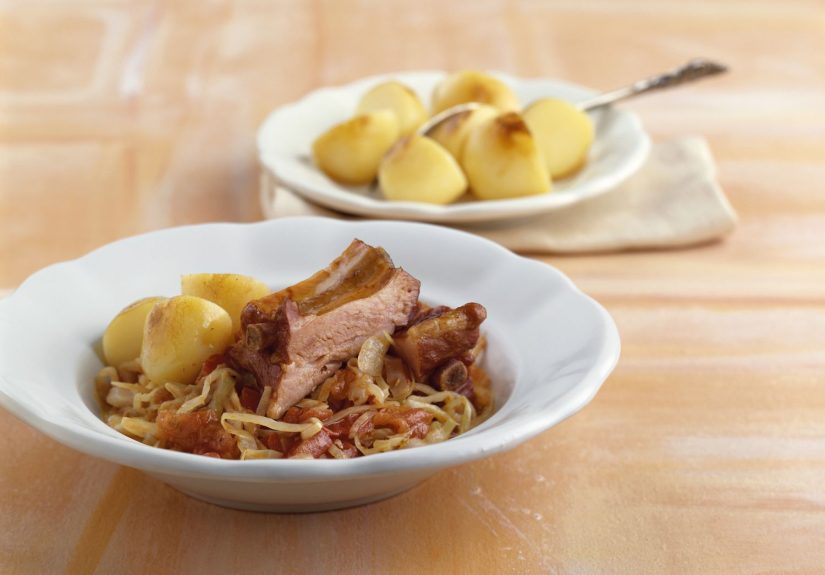
In Germany, a well-known version of cured-and-smoked pork loin is often called Kasseler (or Kassler). It’s typically cured, then smoked, and served with hearty sides like sauerkraut and potatoes. This home-friendly approach keeps the flavor authentic while keeping the process realistic for an American kitchen.
What you’re making
Texture: Firm but juicy, like a great holiday ham’s leaner cousin.
Flavor: Gently salty, savory, lightly sweet (optional), and warmly spiced, with a clean smoke finish.
How you’ll use it: Serve as a roast, slice for sandwiches, cube for soups, or pan-sear slices like “Canadian bacon’s German exchange student.”
Two curing paths (choose one)
Both options work. Pick based on what you can buy and how precise you want to be:
- Option A (Prague Powder #1 / InstaCure #1): More control, classic “pink curing salt” approach, best if you have a digital scale.
- Option B (Morton Tender Quick): Easiest to source in many U.S. grocery stores, simple rub-and-cure directions.
Equipment
- Smoker or grill set up for indirect heat (wood chunks or chips)
- Two thermometers: one for smoker air temp, one probe for meat
- Large zip-top bag or nonreactive container (for curing)
- Digital kitchen scale (strongly recommended)
- Wire rack + sheet pan (for drying/pellicle)
Ingredients
Pork
- 1 boneless pork loin roast, 2.5 to 4 lb (center-cut is ideal)
German-style spice blend (works for either cure option)
- 2 tsp juniper berries, lightly crushed (or 1 Tbsp gin in the brineyes, really)
- 2 tsp black peppercorns, lightly crushed
- 1 1/2 tsp coriander seed, lightly crushed
- 1 tsp caraway seed (optional but very “German”)
- 2 bay leaves
- 3–5 cloves garlic, smashed
- 1 tsp dried marjoram (or thyme)
- 1/2 tsp mustard seed (optional)
- 1–2 tsp brown sugar or honey (optional, balances salt and smoke)
Smoke wood suggestions
For a traditional profile, use beech if you can find it; otherwise apple, cherry, or a light hand with hickory are great. Avoid overpowering smokethis is pork loin, not a brisket in a leather jacket.
Option A: Prague Powder #1 equilibrium wet brine (recommended for precision)
This method uses percentages by weight so it scales cleanly to any loin size. You’ll cure the meat in a brine that’s calculated based on the total weight of meat + water.
Step 1: Weigh and calculate the cure
- Weigh your pork loin in grams (example: 1500 g).
- Choose your water amount. A practical starting point is 40%–60% of the meat’s weight in water so the loin is mostly submerged (example: 750 g water for a 1500 g loin).
- Add the weights together to get your total curing system weight (example: 1500 + 750 = 2250 g).
Use these baseline percentages:
- Salt: 1.8% of total (meat + water)
- Prague Powder #1: 0.25% of total (meat + water)
- Sugar (optional): 0.5%–1.0% of total
Example calculation (2250 g total):
- Salt: 2250 × 0.018 = 40.5 g
- Prague Powder #1: 2250 × 0.0025 = 5.6 g
- Sugar (0.7%): 2250 × 0.007 = 15.8 g
Important: Prague Powder #1 (also called InstaCure #1) is not table salt. Measure carefully, use a scale, and do not “freestyle” the amount.
Step 2: Build the brine
- Warm about 1/3 of the water (not boiling). Add salt and sugar and stir until dissolved.
- Add your crushed spices, bay leaves, garlic, and marjoram. Let it steep 10 minutes.
- Add the remaining cold water (and/or ice) to bring the brine fully cold.
- Stir in the measured Prague Powder #1 thoroughly once the brine is cold.
Step 3: Cure
- Place pork loin in a zip-top bag or nonreactive container. Pour in the cold brine.
- Refrigerate at or below 40°F. Cure time: 48 hours for thin loins, up to 4–5 days for thicker roasts.
- Flip the bag/container once a day for even curing.
Option B: Morton Tender Quick cure (easy-access method)
If you’re using Morton Tender Quick, follow the brand’s curing method and keep the seasoning additions “extra,” not a replacement for the cure. This is the low-drama optionhighly respectable.
Morton Tender Quick baseline cure
- Trim excess surface fat/silverskin from the pork loin.
- Rub the loin with Morton Tender Quick + a little sugar per the product directions/recipe method. (Do not add extra salt.)
- Add the German-style spice blend (juniper, pepper, coriander, bay, garlic, marjoram) on top of the cure rub.
- Bag it and refrigerate for 3–5 days, turning daily.
After curing: rinse, dry, and form a “smoke magnet” surface
Step 1: Rinse
Remove the loin from the cure and rinse under cold water to remove surface spices and excess cure. Pat dry.
Step 2 (optional): quick soak if you’re salt-sensitive
If you prefer a milder salt level, soak the loin in cold water for 20–30 minutes, then pat dry again.
Step 3: Dry to form a pellicle
Place the loin on a wire rack over a sheet pan and refrigerate uncovered for 8–24 hours. This dries the surface slightly so smoke sticks better and the exterior colors more evenly.
Hot smoke the pork loin
Step 1: Preheat the smoker
Preheat to 225–250°F. Use a thermometer to confirm the air temp where the meat will sit (lid gauges can be… optimistic).
Step 2: Smoke
- Add your wood (apple, cherry, beech, or a light hickory mix).
- Place the pork loin in the smoker and insert a probe thermometer into the thickest part.
- Smoke until the internal temperature reaches your target:
- Serve as a roast (ready-to-eat): pull at 145°F, then rest at least 3 minutes.
- Slice-and-fry later (Canadian bacon style): you can pull around 140°F, chill, slice, and pan-sear to finish.
Step 3: Rest
Tent loosely with foil and rest 10 minutes for easier slicing and better juiciness.
How to serve it (very German, very satisfying)
- Classic plate: thick slices + sauerkraut + boiled potatoes + mustard
- Weeknight upgrade: slice, quick-sear, and serve with sautéed onions and apples
- Sandwich mode: rye bread, sharp mustard, pickles, and thin slices of Kasseler-style loin
- Soup/stew move: dice and add to lentil soup, split pea soup, or potato soup
Troubleshooting (because meat has a personality)
“It’s too salty.”
Next time, shorten the cure time slightly, reduce salt percentage (Option A), or add a 30-minute soak after curing. Also slice thinnersalt shouts more in thick slices.
“It’s not smoky enough.”
Dry the surface longer (better smoke adhesion), add a bit more wood early in the cook, and avoid constantly opening the lid (every peek is a tiny smoke escape artist).
“It’s dry.”
Pork loin is lean. Don’t overshoot your internal temp, and keep the smoker in the 225–250°F zone for gentle cooking. A brine/cure helps, but 165°F will still turn loin into polite disappointment.
Food safety and curing-salt sanity check
Curing salts are used to help prevent dangerous bacterial growth during curing/smoking and to create that familiar cured-meat color and flavor. They’re safe when used correctly and measured accurately, and not safe when treated like “just another salt.”
- Keep meat refrigerated while curing.
- Measure cure accurately (ideally by weight).
- Hot-smoke in a controlled temperature range and cook to a safe internal temperature.
- When serving as a roast, cook pork loin to 145°F and rest at least 3 minutes.
Storage and make-ahead
Cool the smoked loin quickly and refrigerate. It’s fantastic cold in thin slices, and it reheats well when gently warmed (or briefly seared). For longer storage, slice, wrap tightly, and freeze; thin slices thaw fast and make instant “fancy breakfast.”
Real-world experiences with German cured and smoked pork loin (the stuff recipes don’t tell you)
The first time you cure and smoke a pork loin, the most surprising part is how normal the process feels after day one. You measure, bag, chill, flipthen you realize you’ve basically enrolled your pork in a tiny refrigerator spa program. On day two, you’ll probably open the fridge to “check on it” like it’s a houseplant you’re emotionally attached to. This is common. We support you.
Another classic moment: the spice aroma. Juniper and coriander don’t smell like “holiday ham.” They smell like you accidentally wandered into a European deli and now you can’t leave without buying mustard. That fragrance gets stronger as the cure works, and when you rinse the loin you may worry you’ve washed away the magic. You didn’t. The flavor lives inside the meat now, like it signed a lease.
Then there’s the “pellicle phase,” which is where patience pays off. You set the loin on a rack, leave it uncovered in the fridge, and later touch the surface expecting “dry.” Instead, it’s slightly tackylike the pork is wearing a very light lip gloss. That tackiness is a good sign. It usually leads to better color and more even smoke flavor, and it’s often the difference between “nicely smoked” and “how did you get it to taste like that?”
When the smoker comes into play, most people discover two truths quickly: (1) pork loin cooks faster than your confidence, and (2) smoke can go from gentle to bossy if you’re heavy-handed. A lighter fruitwood smoke often feels more “German deli” than a big hickory punch. The goal is a clean, savory smoke that supports the cure and spices, not a campfire impression that steals the spotlight.
Slicing is its own mini adventure. Warm slices look gorgeous, but cold slices can look even betterfirmer, cleaner edges, and that cured pink color really pops. Many home cooks end up doing both: serving thick slices hot for dinner, then chilling leftovers and slicing thin for sandwiches the next day. That second-day sandwich is usually when people fall in love with this recipe. The flavors settle, the smoke mellows, and suddenly you’re making elaborate lunch plans involving rye bread, pickles, and “just a tiny extra smear” of mustard.
Finally, the most delightful experience is how versatile the finished loin becomes. It can play “fancy roast,” “breakfast protein,” or “soup upgrade” without changing costumes. Once you’ve made it once, you’ll start experimentingadding orange peel to the brine, swapping thyme for marjoram, using a touch of maple, or pairing it with apples and onions. And that’s the point: you’re not just following a recipeyou’re building a little cured-and-smoked tradition you can tweak until it feels like your own.