Table of Contents >> Show >> Hide
- Why Make Homemade Gluten-Free Barbecue Sauce?
- What Makes a Barbecue Sauce Truly Gluten-Free?
- Ingredients for the Best Gluten-Free Barbecue Sauce Recipe
- How to Make Gluten-Free Barbecue Sauce
- Flavor Profile: Sweet, Tangy, Smoky, and Balanced
- Easy Variations
- What to Serve with Gluten-Free Barbecue Sauce
- Common Mistakes to Avoid
- How to Store It
- Why This Recipe Works for Real Life
- Kitchen Experience: What You Learn After Making It a Few Times
- Final Thoughts
Some kitchen victories are dramatic. Soufflé rises. Pie crust flakes. Guests clap politely and ask whether you secretly trained in Paris. This is not one of those recipes. This is better. A great gluten-free barbecue sauce recipe is the kind of low-key, high-reward move that makes grilled chicken taste smarter, roasted vegetables taste bolder, and weeknight dinners feel like they have a summer soundtrack.
The good news is that homemade barbecue sauce is already halfway to greatness before you even turn on the stove. The flavor formula is simple: tomato, sweetness, acid, smoke, and spice. The important twist for anyone eating gluten-free is that a few common bottled ingredients can quietly bring gluten to the party uninvited. That is why making your own sauce is such a satisfying move. You control the taste, the texture, and the label reading. No mystery thickeners. No suspicious “natural flavors.” No sauce betrayal at the last second.
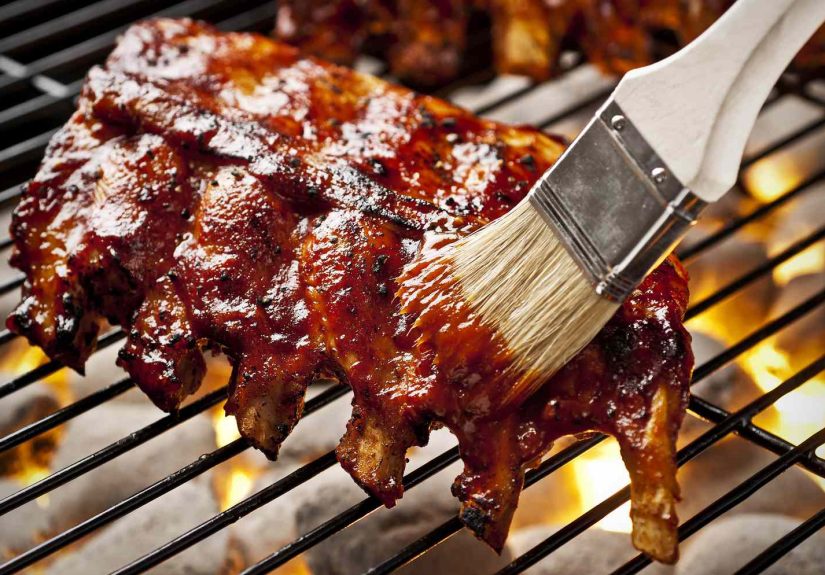
This recipe delivers a thick, glossy, sweet-smoky sauce with just enough tang to keep it lively. It is easy enough for Tuesday, tasty enough for cookouts, and flexible enough to brush on ribs, burgers, chicken, tofu, roasted potatoes, or anything else that would benefit from a little sticky swagger.
Why Make Homemade Gluten-Free Barbecue Sauce?
Because barbecue sauce should make dinner easier, not turn you into a detective with reading glasses. Many barbecue sauces are naturally close to gluten-free, but the catch is in the details. Ingredients like regular soy sauce, some Worcestershire sauces, seasoning blends, and certain flavorings can contain gluten or create uncertainty. Making your own sauce solves that problem fast.
It also tastes better. Homemade sauce lets you dial the balance exactly where you want it. Like it tangier? Add more vinegar. Want deeper sweetness? Nudge up the molasses. Prefer a mellow, all-purpose sauce instead of one that punches you in the mouth with smoke? Easy. You are the boss. The saucepan is merely your employee.
What Makes a Barbecue Sauce Truly Gluten-Free?
A gluten-free BBQ sauce starts with ingredients that are naturally safe, but it stays safe only when each packaged item is checked carefully. Ketchup is often gluten-free, but you still want to read the label. Worcestershire sauce can vary by brand. Soy sauce is a classic troublemaker because regular versions usually contain wheat. If you want that savory depth, use a gluten-free soy sauce or tamari that is clearly labeled gluten-free.
Spice blends can also get sneaky. Single-ingredient spices are usually the easiest route, especially if you are cooking for someone with celiac disease or a strong gluten sensitivity. Liquid smoke, mustard, and hot sauce are often fine, but “often fine” is not the same thing as “always fine.” When in doubt, read the label like it owes you money.
Ingredients for the Best Gluten-Free Barbecue Sauce Recipe
This recipe makes about 1 1/2 cups of sauce, which is enough for a small cookout, several weeknight meals, or one very committed batch of fries.
Ingredients
- 1 cup gluten-free ketchup
- 1/4 cup apple cider vinegar
- 1/4 cup molasses
- 3 tablespoons brown sugar
- 1 tablespoon tomato paste
- 2 teaspoons gluten-free Worcestershire sauce
- 1 teaspoon Dijon mustard
- 1 teaspoon smoked paprika
- 1/2 teaspoon garlic powder
- 1/2 teaspoon onion powder
- 1/4 teaspoon black pepper
- 1/4 teaspoon kosher salt
- 1/8 teaspoon cayenne pepper, optional
- 2 to 4 tablespoons water, as needed for consistency
Why These Ingredients Work
Ketchup gives the sauce body, tomato sweetness, and that classic barbecue personality. Apple cider vinegar cuts through the sweetness and wakes everything up. Molasses adds depth and color, while brown sugar rounds out the flavor so the sauce tastes balanced instead of sharp. Tomato paste helps thicken the sauce and intensifies the tomato base without watering it down.
The gluten-free Worcestershire sauce and Dijon mustard add savory complexity. Smoked paprika brings mellow smoke without making the whole recipe taste like a campfire had a strong opinion. Garlic powder, onion powder, pepper, and cayenne fill in the edges.
How to Make Gluten-Free Barbecue Sauce
Step 1: Combine Everything
Add all ingredients except the water to a medium saucepan. Whisk until the mixture looks smooth and cohesive. It will smell promising already, which is how sauces lure you into tasting them too early and burning your tongue. Stay strong.
Step 2: Simmer Gently
Set the pan over medium heat and bring the sauce to a gentle simmer. Once it starts bubbling lightly, reduce the heat to low. Let it cook for 10 to 15 minutes, stirring occasionally, until it thickens slightly.
Step 3: Adjust the Texture
If the sauce feels too thick, stir in a tablespoon or two of water. If it seems too loose, simmer it a bit longer. Remember that barbecue sauce thickens more as it cools, so do not cook it into tomato-flavored cement.
Step 4: Taste and Fine-Tune
Taste the sauce once it has cooled for a minute. Add a little more vinegar if you want more tang, a touch more brown sugar if you like it sweeter, or an extra pinch of cayenne if you want some heat. This is the fun part. You are not fixing the sauce. You are customizing its personality.
Flavor Profile: Sweet, Tangy, Smoky, and Balanced
The best homemade gluten-free barbecue sauce is not just sweet. It is layered. You want tomato richness first, then gentle sweetness, then a vinegary lift, followed by savory notes and a quiet trail of spice. That balance is what makes the sauce work on everything from ribs to grilled mushrooms.
If a sauce is too sweet, it tastes flat. If it is too acidic, it feels harsh. If it is too smoky, it can bulldoze the food underneath it. This recipe aims for the middle ground: bold enough to taste like barbecue, flexible enough to use on chicken thighs one night and as a burger sauce the next.
Easy Variations
1. Spicy Gluten-Free BBQ Sauce
Add more cayenne, a spoonful of gluten-free hot sauce, or a pinch of chipotle powder for extra heat. This version is especially good on wings, burgers, and shredded chicken.
2. Honey-Free and Vegan-Friendly
This recipe is already naturally honey-free, and it can fit a vegan meal plan as long as your Worcestershire alternative is vegan and gluten-free. A gluten-free tamari works nicely here.
3. Smokier Sauce
Add a small amount of gluten-free liquid smoke if you want a deeper grill-house vibe. Go lightly. Liquid smoke is useful, but it does not believe in moderation unless you enforce it.
4. Carolina-Inspired Twist
Increase the mustard and vinegar for a brighter, tangier finish. This is excellent with pulled pork, grilled chicken, and roasted cauliflower.
What to Serve with Gluten-Free Barbecue Sauce
- Grilled chicken thighs or drumsticks
- Pulled pork or shredded chicken
- Ribs, burgers, and meatloaf
- Roasted sweet potatoes or baked fries
- Grilled tofu, tempeh, or portobello mushrooms
- As a dip for chicken tenders or crispy potatoes
- As a glaze for meatballs or sheet-pan dinners
This sauce is especially handy for meal prep. Brush it over proteins during the last few minutes of cooking, stir it into shredded meat, or keep a jar in the refrigerator for emergency sandwich improvement.
Common Mistakes to Avoid
Skipping the Label Check
This is the biggest one. A recipe can be naturally gluten-free in theory and still fail in practice if one bottled ingredient sneaks in gluten. Read every label, especially ketchup, Worcestershire sauce, soy sauce substitutes, mustard, liquid smoke, and spice blends.
Boiling Too Aggressively
A hard boil can make the sauce scorch, reduce too quickly, or turn the sugar notes slightly bitter. Simmer low and easy. Barbecue sauce likes confidence, not chaos.
Not Tasting Before Storing
Once chilled, the flavors settle. Give the sauce a final taste while it is still warm enough to adjust. Tiny changes make a big difference.
How to Store It
Let the sauce cool completely, then pour it into a clean glass jar or airtight container. Store it in the refrigerator for up to 1 to 2 weeks. Stir before using. You can also freeze it in small portions for longer storage, which is a beautiful thing when future-you forgot to plan dinner.
If you use the sauce as a glaze during cooking, keep the main batch separate from anything that touched raw meat. That is not just a flavor tip. That is a peace treaty with food safety.
Why This Recipe Works for Real Life
Some recipes are designed for magazine covers. This one is designed for actual kitchens with distracted cooks, crowded refrigerators, and at least one person asking, “Is dinner almost ready?” It uses familiar pantry ingredients, cooks quickly, and tastes like something you meant to make all along.
It is also the kind of recipe that earns a permanent place in your rotation because it does more than one job. It is a sauce, a glaze, a dip, and a flavor shortcut. It rescues plain grilled chicken. It upgrades leftover rice bowls. It makes roasted vegetables feel less like a compromise and more like a plan.
Kitchen Experience: What You Learn After Making It a Few Times
The first time most people make a gluten-free barbecue sauce recipe, they expect the big revelation to be flavor. And yes, the flavor is better than a lot of bottled options. It tastes fresher, brighter, and more alive. But the real surprise is usually how much easier dinner starts feeling once the sauce is sitting in the fridge, ready to go.
There is a particular kind of confidence that comes from having a homemade sauce on hand. Grilled chicken stops being “just grilled chicken.” Leftover roasted vegetables stop looking like a punishment from your past self. A rice bowl, baked potato, or lettuce wrap suddenly has direction. That is one of the most practical experiences tied to this recipe: it turns random ingredients into an actual meal with almost no drama.
Another thing you learn quickly is that homemade barbecue sauce teaches you your own taste preferences better than almost any other condiment. After a batch or two, most cooks start making tiny adjustments without even thinking about it. Some people love more tang and sneak in extra cider vinegar. Others want deeper sweetness and add a little more molasses. Some want that smoky backyard feel even in the middle of winter and reach for a drop of liquid smoke. The recipe becomes less of a strict formula and more of a kitchen habit.
There is also something deeply satisfying about solving the gluten-free issue without buying a specialty product that costs more than it should. For people who have to think carefully about labels, hidden ingredients, or cross-contact, homemade sauce feels less like a compromise and more like control. Instead of standing in the grocery aisle turning bottles around like you are decoding ancient tablets, you can make a reliable version at home and move on with your day.
In real cooking life, this sauce also proves that convenience and quality are not enemies. A lot of cooks assume “homemade” means a longer ingredient list, more prep, and extra cleanup. This recipe does not behave that way. It is a one-pan operation. You whisk, simmer, taste, and store. That is it. The hardest part is waiting for it to cool before you put it on everything in sight.
One of the most memorable experiences with this kind of sauce is serving it to people who do not eat gluten-free and watching them ignore that detail completely because the sauce is simply good. That is the sweet spot. Not “good for gluten-free.” Just good. Bold, sticky, tangy, smoky, and useful. The kind of sauce that disappears faster than expected and makes someone ask, “Did you make this?” in a tone that suggests they are reevaluating your entire skill set.
Over time, the recipe starts to feel like less of a barbecue sauce and more of a household tool. It helps on rushed weeknights, lazy weekends, cookouts, lunch leftovers, and those strange evenings when the refrigerator contains one chicken breast, half an onion, and hope. That is why it lasts. Not because it is flashy, but because it is dependable. And honestly, dependable food is underrated. Flashy food gets compliments. Dependable food gets made again.
Final Thoughts
A great gluten-free barbecue sauce recipe does not need a long ingredient list or a culinary degree. It just needs balance, good labels, and a few pantry staples. This version gives you all the classic barbecue flavor, skips the gluten uncertainty, and adapts easily to your taste.
Make one batch and you will probably start keeping it around for more than barbecue. That is how these things happen. First it goes on chicken. Then burgers. Then potatoes. Then you are dipping fries into it at the refrigerator door like a person with priorities. And honestly? That sounds about right.