Table of Contents >> Show >> Hide
- Why the heart and brain are so closely connected
- The biggest cardiovascular risk factors tied to dementia risk
- What research actually says about heart health and Alzheimer’s
- Can better heart health prevent Alzheimer’s?
- Practical ways to protect both your heart and your brain
- The human side of the story: what families and patients often experience
- Final thoughts
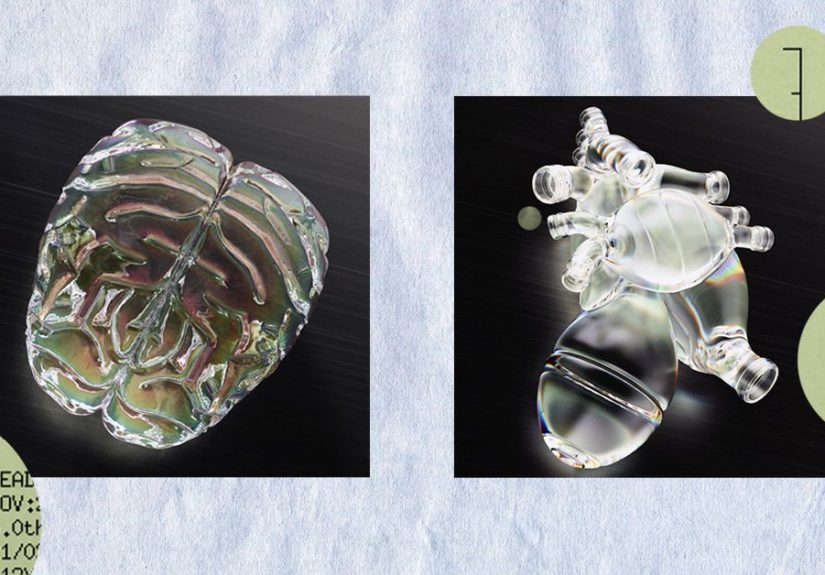
For years, people treated the heart and the brain like roommates who barely spoke. The heart pumped away in the chest, the brain handled the deep thoughts, and everybody assumed they had separate jobs. Modern research has politely interrupted that fantasy. Your heart and brain are in constant conversation, and the language they speak is blood flow, oxygen, inflammation, and vascular health.
That is why more doctors and researchers now talk about heart health and Alzheimer’s in the same breath. No, Alzheimer’s disease is not simply a “heart problem in disguise.” But many of the same factors that raise the risk of heart disease and stroke also appear to raise the risk of cognitive decline, dementia, and in some cases Alzheimer’s disease. In other words, the body does not enjoy chaos in one department while another department thrives like a productivity influencer on espresso.
This connection matters because it gives people something powerful: a realistic place to act. Age and genetics still matter. No article, vitamin, smoothie, or motivational refrigerator magnet can change that. But managing blood pressure, staying active, eating a heart-smart diet, controlling diabetes, avoiding smoking, and protecting blood vessels may help support brain health over time. That is not hype. That is the increasingly practical lesson from years of research.
Why the heart and brain are so closely connected
Your brain is small compared with the rest of your body, yet it is outrageously demanding. It needs a steady supply of oxygen-rich blood every second of every day. When blood vessels are narrowed, stiffened, inflamed, blocked, or damaged, the brain notices. Sometimes the effect is dramatic, such as a stroke. Sometimes it is slow and sneaky, with subtle damage accumulating over years until memory, judgment, or processing speed begin to slip.
That is one reason experts often describe dementia risk through a vascular health lens. Vascular health refers to the condition of your blood vessels and the systems that keep blood moving where it needs to go. If those vessels are injured by high blood pressure, atherosclerosis, diabetes, or smoking, the brain can suffer. In some people, this contributes to vascular dementia. In others, it may worsen the impact of Alzheimer’s-related changes already developing in the brain.
And here is where things get especially interesting: Alzheimer’s and vascular damage often overlap. Real brains do not always follow neat textbook categories. A person may have the protein changes associated with Alzheimer’s disease and also have blood vessel damage, tiny strokes, or chronic reductions in blood flow. That mixed picture can make symptoms worse or appear earlier. So when people ask, “Is Alzheimer’s caused by poor heart health?” the most honest answer is more nuanced. Not exactly. But poor cardiovascular health may help create a brain environment where trouble has a much easier time moving in and rearranging the furniture.
The biggest cardiovascular risk factors tied to dementia risk
High blood pressure: the usual suspect with a very long rap sheet
If cardiovascular risk factors were a movie cast, hypertension would get top billing. High blood pressure can damage blood vessels throughout the body, including those that supply the brain. Over time, that damage can reduce healthy blood flow, increase stroke risk, and contribute to changes in brain structure and function.
Researchers are especially concerned about midlife blood pressure. That means the decades when many adults feel too young to worry seriously about memory decline and too busy to schedule a checkup without dramatic persuasion. Unfortunately, the brain keeps receipts. Elevated blood pressure in midlife has been linked to worse cognitive outcomes later on. Even blood pressure patterns in younger adulthood may influence future brain health.
Adding to the case, studies on blood pressure treatment suggest that controlling it may reduce the risk of mild cognitive impairment, often considered a possible stepping-stone toward dementia. That does not mean blood pressure pills are magical anti-Alzheimer’s confetti. It means controlling hypertension is one of the most evidence-backed ways to support both heart and brain.
Stroke and “silent” vascular injury
Stroke is one of the clearest examples of the heart-brain connection because the mechanism is brutally direct: when blood flow to brain tissue is blocked or interrupted, brain cells can die. A major stroke can cause immediate cognitive problems, but smaller vascular injuries may also matter. Tiny strokes and chronic vessel damage can accumulate quietly over time, affecting memory, attention, planning, and processing speed.
That is why preventing stroke is not only about preserving mobility or speech. It is also about preserving cognition. Healthy arteries are not glamorous, but neither is forgetting where you put the car keys and then realizing the car was never the main issue.
Diabetes and blood sugar trouble
Diabetes affects blood vessels, inflammation, and metabolism, which makes it a triple-threat troublemaker. People with poorly controlled diabetes often face higher risks of cardiovascular disease, and that same metabolic stress can affect the brain. Research has linked diabetes with a higher risk of cognitive decline and several forms of dementia.
This does not mean everyone with diabetes is headed toward Alzheimer’s. It does mean blood sugar control matters for more than avoiding short-term symptoms. Managing diabetes can help protect the heart, the kidneys, the eyes, and yes, the brain. The body loves efficiency. Damage, unfortunately, is also efficient.
Smoking, inactivity, and poor diet
Smoking harms blood vessels, raises cardiovascular risk, and is linked with a greater risk of dementia. Physical inactivity works less like a villain in a cape and more like an accomplice. When people move less, they are more likely to develop high blood pressure, diabetes, obesity, and poorer cardiovascular fitness, all of which can affect long-term brain health.
Diet matters for the same reason. A pattern heavy in highly processed foods, excess sodium, saturated fats, and added sugars can push blood pressure, cholesterol, and metabolic dysfunction in the wrong direction. By contrast, Mediterranean-style eating and the DASH diet often show up in discussions of brain health because they support heart health first. The brain seems to appreciate the favor.
Cholesterol, obesity, and the cluster effect
One isolated risk factor is not ideal. A whole bundle of them is worse. Researchers increasingly talk about the cumulative effect of cardiovascular risks. High blood pressure plus diabetes plus smoking plus sedentary living is a lot for the vascular system to juggle without dropping something fragile. And the brain is, in fact, very fragile, despite its big opinions.
High LDL cholesterol and excess body weight are not destiny, but they are part of the wider picture of cardiovascular strain. The more these risks stack up, the more important prevention becomes. This is not about chasing perfection. It is about improving the odds in your favor, which is far more realistic than trying to become a kale-powered immortal.
What research actually says about heart health and Alzheimer’s
The science here is promising, but it is important not to oversell it. Researchers do not currently say that controlling heart health will guarantee prevention of Alzheimer’s disease. That would be comforting, tidy, and completely more confident than the evidence allows.
What the evidence does show is that many cardiovascular and lifestyle factors linked to heart disease are also associated with dementia risk. Blood pressure is one of the strongest examples. The well-known SPRINT MIND study found that more intensive blood pressure control lowered the risk of mild cognitive impairment in older adults at elevated cardiovascular risk. Other research has found that treating high blood pressure may help lower dementia risk compared with leaving hypertension unmanaged.
There is also growing evidence that better cardiovascular health supports better brain aging. That includes healthier blood vessel function, less cerebrovascular damage, and in some studies, better performance on thinking and memory measures. Exercise and heart-healthy eating patterns may improve blood flow, reduce inflammation, and support the structures and systems the brain depends on.
Another key point is that Alzheimer’s disease often does not travel alone. A person may have classic Alzheimer’s pathology, vascular changes, and other age-related brain changes at the same time. So improving heart health may not “cure” Alzheimer’s, but it may reduce additional damage that makes cognitive decline worse. Think of it less as one magic switch and more as lowering the number of problems trying to happen at once.
Can better heart health prevent Alzheimer’s?
The careful answer is this: it may reduce risk, but it is not a guaranteed shield. Researchers continue to study exactly how much cardiovascular risk reduction can prevent, delay, or soften Alzheimer’s disease and related dementias. Genetics, age, and other biological processes still play a major role.
But even with that uncertainty, the practical advice is surprisingly clear. Actions that support cardiovascular health are worthwhile because they improve overall health and may also help the brain. That is a pretty good deal. Even if the brain-health bonus turns out to be smaller in some people than in others, the heart still sends a thank-you card.
In plain English: you do not need a guarantee to benefit from doing the smart thing. You wear a seatbelt without demanding a legally binding promise that nothing bad will ever happen. Heart-healthy habits work the same way. They stack the odds, reduce risk, and support healthier aging.
Practical ways to protect both your heart and your brain
1. Know your blood pressure numbers
If you know your streaming passwords but not your blood pressure, it may be time for a tiny life audit. Hypertension often has no obvious symptoms, which is why regular screening matters. Work with a healthcare professional if your numbers are high, and follow through with lifestyle changes or medication when prescribed.
2. Move on purpose
Regular physical activity helps the heart pump more efficiently, supports blood vessel health, improves blood sugar control, and may benefit cognition. You do not need to transform into a marathon legend who uses chia seeds as a personality trait. Walking, cycling, swimming, dancing, and other forms of aerobic movement count.
3. Eat like your arteries have feelings
A heart-friendly eating pattern usually means more vegetables, fruits, beans, whole grains, nuts, fish, and healthy fats, with less sodium, added sugar, and heavily processed food. The DASH and Mediterranean patterns come up often for a reason: they are practical, studied, and less dramatic than diets that act like bread is a criminal mastermind.
4. Manage diabetes and cholesterol
Blood sugar and cholesterol management are not only about avoiding scary lab results. They are part of protecting blood vessels that supply the brain. Regular checkups, medication when needed, and sustainable lifestyle changes matter here.
5. Stop smoking
This one is gloriously unglamorous and extremely important. Smoking damages blood vessels, raises stroke and heart disease risk, and does the brain no favors. Quitting is one of the most meaningful health moves a person can make.
6. Sleep, connect, and stay mentally engaged
While the heart-Alzheimer’s link is centered on vascular health, lifestyle factors do not operate in neat little silos. Poor sleep, social isolation, and low mental engagement can also affect brain health. A healthy routine works better when it looks like an ecosystem rather than a lonely salad.
The human side of the story: what families and patients often experience
Statistics help explain the relationship between heart health and Alzheimer’s disease, but real life is often where the connection becomes impossible to ignore. Many families first notice it in ways that seem ordinary. A parent who has dealt with high blood pressure for years begins missing appointments. A grandparent recovering from a stroke becomes more forgetful than expected. Someone with diabetes starts having trouble managing medications, bills, or recipes they used to know by heart. At first, relatives may brush it off as normal aging, stress, or fatigue. Then the pattern gets louder.
One common experience is frustration over how gradual the changes can be. Heart disease tends to sound urgent in people’s minds. Dementia sounds slow. But in real households, the two often blend together in maddening ways. A person may already be living with hypertension, high cholesterol, or poor circulation, and no one realizes those conditions may also be affecting the brain. Family members may focus on cholesterol numbers or blood pressure logs without connecting them to memory and thinking. Later, when a cognitive diagnosis enters the picture, the whole history suddenly looks different.
Caregivers also describe the emotional whiplash of mixed symptoms. Some days, the person seems mentally sharp and socially present. Other days, they are confused, tired, or oddly disorganized. When vascular issues are involved, symptoms can feel less like a straight line and more like a crooked staircase. That unpredictability can be exhausting. Loved ones start wondering whether they are overreacting, underreacting, or simply losing track of what “normal” now means. Spoiler alert: that confusion is incredibly common.
Another frequent experience is regret, especially around prevention. Adult children may look back and think, “I wish we had taken Dad’s blood pressure more seriously,” or “I wish someone had explained that heart problems could affect memory, too.” That regret is understandable, but it should not become a life sentence. Older generations were not always given clear, practical guidance about the heart-brain connection. Even now, many people still think of memory loss as something random that just appears one morning like an unwanted pop-up ad.
There is also a hopeful side to these experiences. Families often say that once they understood the heart-brain link, daily care became more purposeful. Walks mattered more. Medication routines became less of a chore and more of a form of protection. Meals shifted from “trying to eat healthy-ish” to supporting blood pressure, blood sugar, and long-term brain function. That mindset change can be powerful. It gives people a sense that they are not merely reacting to decline, but actively supporting the best health possible.
In clinical settings, many patients respond well when doctors frame cardiovascular care as brain care, too. Telling someone to lower sodium because “your blood pressure is elevated” is useful. Explaining that blood pressure control may also help protect memory and thinking can make the advice feel more immediate and personal. The same goes for exercise. A daily walk can sound boring if it is sold as punishment for a birthday cake. It sounds a lot more compelling when it becomes part of a strategy to support both the heart and the brain for years to come.
The biggest lesson from these shared experiences is simple: the link between heart health and Alzheimer’s is not just a research topic. It is something families live with, often long before they have the words for it. Better awareness does not solve everything, but it helps people ask better questions, seek earlier care, and make healthier choices with more confidence and less guesswork. That is not a miracle. But it is real progress, and real progress deserves more attention than another trendy wellness hack with suspiciously expensive powder.
Final thoughts
So, what is the link between heart health and Alzheimer’s? In a sentence: what protects your blood vessels often helps protect your brain. The relationship is not perfectly simple, and researchers are still working out the details. Alzheimer’s disease has multiple causes and contributors, including age, genetics, and changes in brain proteins. But cardiovascular health clearly matters more than many people once realized.
That makes prevention more practical, not more confusing. You do not need to solve every mystery of neuroscience to take useful action. Monitor blood pressure. Stay physically active. Eat in a heart-healthy way. Manage diabetes and cholesterol. Do not smoke. Sleep well. Stay socially and mentally engaged. None of these habits comes with a magic guarantee, but together they create a stronger foundation for healthier aging.
And honestly, that may be the most encouraging part of this whole conversation. The heart and brain are not separate kingdoms. They are teammates. When you care for one, the other usually notices.