Table of Contents >> Show >> Hide
- What Makes Evaporated Milk Different?
- The Best Overall Substitute for Evaporated Milk
- Other Great Substitutes for Evaporated Milk
- What to Use Based on the Recipe
- Substitutes to Avoid or Use Carefully
- Quick Conversion Guide
- How to Choose the Perfect Substitute
- Final Thoughts
- Kitchen Experiences: What Really Happens When You Swap Evaporated Milk
- SEO Tags
You only notice how important evaporated milk is when a recipe asks for it and your pantry answers with pure silence. One minute you are confidently making pumpkin pie, creamy soup, fudge, or a cozy casserole. The next minute, you are staring into the cabinet like it personally betrayed you.
The good news is that finding the perfect substitute for evaporated milk is not hard. The better news is that in many recipes, you can still end up with something rich, creamy, and delicious without sprinting to the store in your socks. The trick is choosing the right substitute for the right job.
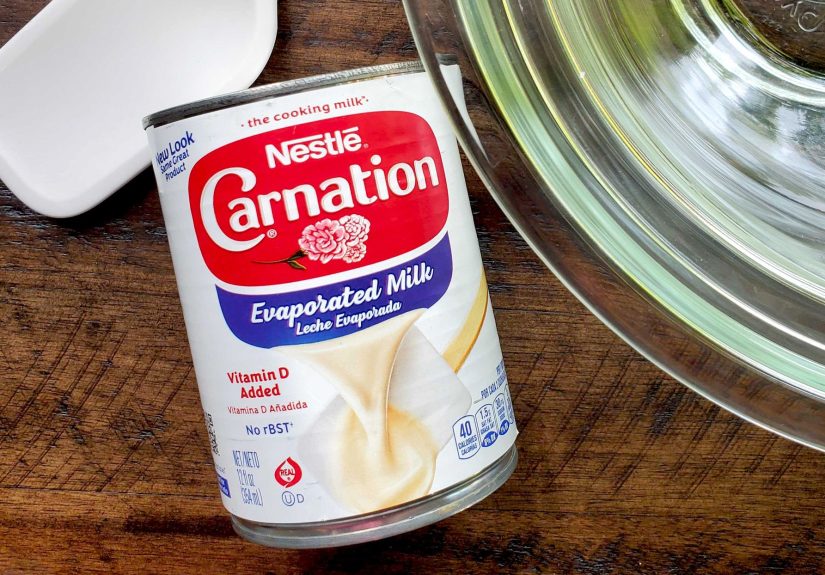
Evaporated milk is simply unsweetened milk that has been concentrated by removing much of its water. That gives it a thicker body, a creamier texture, and a slightly cooked, almost caramel-like flavor. Because of that, the best substitute for evaporated milk is usually one that can match its richness without throwing your recipe into chaos.
In this guide, you will learn what works best, what works only in emergencies, what to use in baking versus cooking, and which dairy-free options deserve a little applause instead of side-eye.
What Makes Evaporated Milk Different?
Before choosing a substitute, it helps to know what evaporated milk actually does in a recipe. It is not there just to look fancy in a can. It plays several useful roles:
- Adds creaminess without being as heavy as pure cream
- Thickens sauces and fillings more than regular milk
- Brings mild richness without added sugar
- Improves texture in custards, pies, soups, and baked dishes
- Offers shelf stability, which is why it is a pantry hero
That means the perfect substitute depends on what the recipe needs most: thickness, fat, structure, or flavor. There is no one-size-fits-all answer, but there are a few standouts.
The Best Overall Substitute for Evaporated Milk
1. Regular Milk, Reduced on the Stove
If you want the closest match, this is it. Regular milk that has been gently simmered until some of the water cooks off is the best overall substitute for evaporated milk. Why? Because that is basically what evaporated milk is in the first place.
Use whole milk if possible. It gives the richest result and behaves more like the canned version. To make a homemade substitute, pour milk into a saucepan and simmer it over low to medium heat until it reduces by roughly half and thickens slightly. Stir occasionally and do not let it boil like it is auditioning for a disaster movie.
Best for: custards, pumpkin pie, casseroles, mac and cheese, creamy soups, puddings, and sauces.
Why it works: It mimics both the texture and flavor of evaporated milk better than almost anything else.
Other Great Substitutes for Evaporated Milk
2. Half-and-Half
If you need a quick substitute and do not want to reduce milk on the stove, half-and-half is one of the easiest options. It is already richer and creamier than regular milk, so it slides into many recipes with very little fuss.
You can usually substitute it in a 1:1 ratio. The texture may be slightly richer than evaporated milk, but not so rich that your mashed potatoes will suddenly need a tax accountant.
Best for: savory sauces, soups, casseroles, pasta dishes, and some baked goods.
3. Heavy Cream Mixed with Milk
Heavy cream alone can be too rich for some recipes, but when you mix it with milk, it becomes a strong stand-in for evaporated milk. A practical blend is about one part cream to one part milk, or slightly more milk than cream if you want a lighter result.
This substitute works well when you need body and silkiness, especially in recipes where texture matters more than exact flavor.
Best for: creamy soups, cheese sauces, scalloped potatoes, baked pasta, and desserts that need a lush texture.
4. Powdered Milk
Powdered milk is the sleeper pick. It may not get much love, but it can be surprisingly useful. Reconstitute it with slightly less water than the package suggests, and you get a more concentrated liquid that behaves more like evaporated milk.
This is especially handy for baking because it adds dairy solids and structure without forcing you to improvise too wildly. In other words, it is not glamorous, but neither is doing dishes, and both still matter.
Best for: baking, bread, muffins, cakes, pie fillings, and pantry-only emergencies.
5. Coconut Milk
For a dairy-free substitute for evaporated milk, full-fat unsweetened coconut milk is one of the best options. It is rich, thick, and creamy, which makes it a strong replacement in both sweet and savory recipes.
The catch is flavor. Coconut milk brings a distinct coconut taste. That can be wonderful in custards, puddings, curry-based dishes, and tropical desserts. It can be less ideal if you are making a classic cheese sauce and do not want dinner tasting like it booked a beach vacation.
Best for: dairy-free desserts, curries, soups, puddings, and some baked goods.
6. Soy Milk
Unsweetened soy milk is often one of the better plant-based choices for baking because it has a more balanced protein structure than many other non-dairy milks. That helps it behave more predictably in cakes, muffins, and custard-like fillings.
It is thinner than evaporated milk, so recipes may benefit from a little reduction on the stove or a small thickener such as cornstarch when needed.
Best for: dairy-free baking, pies, quick breads, and some sauces.
7. Oat Milk, Almond Milk, or Cashew Milk
These can work in a pinch, especially if they are unsweetened and unflavored. Oat milk tends to be the creamiest of the bunch, almond milk is usually lighter, and cashew milk can be pleasantly smooth. Still, they are generally thinner than evaporated milk.
That means they work best in recipes where evaporated milk is not the main source of body. If you use them in pie fillings or creamy sauces, adding a tablespoon of cornstarch or reducing the liquid first can improve the result.
Best for: lighter baking, oatmeal bakes, pancakes, quick desserts, and dairy-free cooking with adjustments.
What to Use Based on the Recipe
For Pumpkin Pie and Custards
Your best bets are reduced whole milk, half-and-half, or a cream-and-milk blend. If you need dairy-free, full-fat coconut milk or unsweetened soy milk can work. For thinner substitutes, a small thickener helps keep the filling from turning into sweet pumpkin soup.
For Mac and Cheese, Casseroles, and Creamy Pasta
Half-and-half or reduced milk usually works beautifully. A milk-and-cream blend is also great. Coconut milk can work in savory dishes, but only when its flavor fits the recipe. If you are making classic cheddar mac and cheese, coconut is a bold lifestyle choice.
For Soups and Sauces
Half-and-half, reduced milk, or cream plus milk are the winners here. Powdered milk can also work if properly mixed. Choose the substitute based on how thick and rich you want the final dish to be.
For Baking
Reduced whole milk is the closest match, followed by half-and-half. For dairy-free baking, unsweetened soy milk usually performs better than thinner alternatives. Coconut milk is excellent for richness, though it may shift the flavor.
For Desserts Like Fudge or Pudding
Use reduced milk, half-and-half, or coconut milk depending on whether you want a classic dairy taste or a dairy-free version. Avoid anything heavily sweetened or strongly flavored unless the dessert welcomes it.
Substitutes to Avoid or Use Carefully
Sweetened Condensed Milk
This is the big one. Sweetened condensed milk is not the same as evaporated milk. Yes, the cans look suspiciously similar, which feels like a grocery store prank. But sweetened condensed milk contains added sugar and is much sweeter and thicker.
Can it ever work? Sometimes, in very specific dessert situations, with major sugar adjustments and recipe changes. But as a general substitute, it is not the move.
Plain Watered-Down Yogurt or Sour Cream
These ingredients can be useful in some recipes, but they bring tanginess that may change flavor more than you want. They are not usually the best direct substitute when a recipe depends on the neutral taste of evaporated milk.
Flavored Non-Dairy Milks
Vanilla almond milk sounds harmless until it wanders into your savory potato soup. Always choose unsweetened, unflavored versions unless the recipe is clearly sweet and compatible.
Quick Conversion Guide
- 1 cup evaporated milk = 1 cup reduced whole milk
- 1 cup evaporated milk = 1 cup half-and-half
- 1 cup evaporated milk = about 1 cup milk mixed with some cream
- 1 cup evaporated milk = 1 cup full-fat unsweetened coconut milk for dairy-free cooking
- 1 cup evaporated milk = concentrated reconstituted powdered milk
If the substitute is thinner than evaporated milk, reduce it on the stove or add a little cornstarch in recipes where thickness matters.
How to Choose the Perfect Substitute
If you only remember one thing, remember this: the perfect substitute for evaporated milk is the one that matches your recipe’s goal.
- If you want the closest overall match, reduce whole milk.
- If you want the fastest pantry-friendly fix, use half-and-half.
- If you want extra richness, use cream mixed with milk.
- If you want a dairy-free option, choose full-fat coconut milk or unsweetened soy milk.
- If you are baking and want stability, reduced milk or soy milk usually performs better than thinner alternatives.
In other words, there is no single magic answer for every recipe, but there is a smart answer for your recipe.
Final Thoughts
Running out of evaporated milk does not mean your recipe is doomed. It just means your kitchen has given you a pop quiz. In most cases, reduced whole milk is the best substitute because it closely copies the flavor, texture, and function of evaporated milk. Half-and-half is the best fast fix, cream-and-milk blends are ideal when richness matters, and coconut or soy milk can save the day for dairy-free cooking.
The smartest substitution is not always the fanciest one. Sometimes it is just the carton of milk in your fridge plus ten extra minutes on the stove. Kitchen victory does not always wear a cape. Sometimes it just simmers quietly and keeps your pie from falling apart.
Kitchen Experiences: What Really Happens When You Swap Evaporated Milk
In real kitchens, the search for the perfect substitute for evaporated milk usually starts with panic and ends with a story. Someone is halfway through pumpkin pie when they realize the can in the pantry is actually sweetened condensed milk. Someone else is making mac and cheese for a family dinner and discovers there is no evaporated milk anywhere, unless the dog has learned how to grocery shop and is hiding it. These moments are annoying, but they are also where people learn what actually works.
One of the most common experiences is discovering that reduced whole milk is far better than expected. Many home cooks assume a substitute must be complicated, but once they simmer regular milk and watch it thicken, the mystery fades. The result tastes familiar, behaves well in recipes, and often saves a dessert or casserole without anyone at the table noticing a thing. That is the kind of kitchen magic people appreciate: low drama, solid results.
Another frequent lesson comes from using half-and-half. People often reach for it because it is already in the refrigerator for coffee, and it performs especially well in savory dishes. Cream soups stay smooth, baked pasta stays creamy, and casseroles do not feel watered down. The main surprise is that half-and-half can sometimes make a dish taste even a little richer than the original. That is not exactly a tragedy.
Dairy-free cooks usually have a different experience. They often find that not all plant milks are equally helpful. Almond milk may be fine in a pinch, but it can be too thin for recipes that need body. Coconut milk tends to win on richness, especially in puddings, custards, or creamy soups with spices. Soy milk gets praise in baking because it behaves more predictably. The big takeaway is simple: choosing a substitute is not only about matching liquid volume. It is about matching texture and purpose.
Then there are the cautionary tales. The most legendary mistake is using sweetened condensed milk instead of evaporated milk. This tends to produce one of two reactions: confused silence or one very polite person saying, “Wow, that is… interesting.” Savory recipes become oddly sweet, and carefully balanced desserts become sugar rockets. After that happens once, most cooks never mix up those cans again.
There is also a practical confidence that grows over time. Once someone has successfully substituted evaporated milk in pie, soup, or sauce, they stop treating the ingredient like a sacred artifact. They begin to understand the real question: does this recipe need thickness, fat, creaminess, or neutral flavor? That shift makes people better cooks because they start thinking like problem-solvers instead of rule-followers.
So yes, the topic of evaporated milk substitutes may sound small, but it reflects a bigger kitchen truth. Great cooking is not about having every perfect ingredient at every perfect moment. It is about knowing how ingredients behave, making smart swaps, and keeping dinner or dessert moving forward. Sometimes the “perfect” substitute is not perfect on paper. It is perfect because it works, tastes good, and prevents you from rage-ordering takeout while a pie crust stares at you from the counter.