Table of Contents >> Show >> Hide
- Why You’ll Love This Honey-Lemon Cottage Cheese Pancakes Recipe
- Ingredients You’ll Need
- How to Make Honey-Lemon Cottage Cheese Pancakes
- Recipe Card: Honey-Lemon Cottage Cheese Pancakes
- Expert Tips for Fluffy Cottage Cheese Pancakes
- Best Toppings for Honey-Lemon Cottage Cheese Pancakes
- Flavor Variations
- Storage and Reheating
- Common Mistakes to Avoid
- What to Serve With Honey-Lemon Cottage Cheese Pancakes
- Frequently Asked Questions
- Experience Notes: Making Honey-Lemon Cottage Cheese Pancakes at Home
- Conclusion
Some breakfasts whisper politely. Others arrive at the table like a sunny brass band wearing lemon zest perfume. These Honey-Lemon Cottage Cheese Pancakes belong firmly in the second category. They are soft, lightly tangy, naturally sweetened with honey, and packed with the kind of cozy, golden-brown comfort that makes a regular morning feel like you accidentally booked a boutique brunch reservation in your own kitchen.
The magic ingredient is cottage cheese. Before you raise an eyebrow at the idea of putting cottage cheese in pancake batter, hear this out: it blends into a creamy, protein-rich base that makes pancakes tender, moist, and satisfying without turning them heavy. Add lemon zest, a little lemon juice, vanilla, and a drizzle of honey, and suddenly breakfast has main-character energy.
This recipe is designed for real kitchens, real mornings, and real people who may or may not have had coffee yet. The batter comes together quickly, the pancakes cook in minutes, and the result is elegant enough for weekend brunch but easy enough for a weekday when cereal looks too emotionally distant.
Why You’ll Love This Honey-Lemon Cottage Cheese Pancakes Recipe
These pancakes hit that sweet spot between wholesome and indulgent. They taste bright and fresh thanks to lemon, gently sweet because of honey, and rich without being greasy. Cottage cheese adds body and tenderness, while eggs help the pancakes hold together beautifully.
They Are Fluffy, Tender, and Not Too Sweet
Honey brings a floral sweetness that feels softer than plain sugar. Lemon zest keeps the flavor lively, so every bite tastes fresh instead of syrup-drenched and sleepy. The pancakes are sweet enough to enjoy on their own, but they still welcome toppings like Greek yogurt, berries, sliced bananas, toasted almonds, or an extra drizzle of warm honey.
They Offer a Protein Boost
Cottage cheese is popular in breakfast recipes for a reason: it adds creaminess and protein while keeping the texture tender. In these pancakes, it works almost like a secret ingredient. You get a more satisfying stack without having to add protein powder or make the batter taste like a gym bag pretending to be breakfast.
They Feel Fancy Without Being Fussy
Lemon zest has a wonderful way of making simple recipes feel polished. It takes ten seconds to grate but makes the whole kitchen smell like sunshine had a side hustle. Pair it with honey and cottage cheese, and the pancakes taste special without requiring pastry school, a stand mixer, or emotional negotiations with yeast.
Ingredients You’ll Need
This recipe uses everyday ingredients, but each one plays a clear role. For the best result, use fresh lemon zest, good honey, and cottage cheese you actually enjoy eating.
- 1 cup cottage cheese: Low-fat or full-fat both work. Full-fat gives richer pancakes; low-fat keeps them lighter.
- 2 large eggs: Eggs bind the batter and help create structure.
- 3/4 cup old-fashioned oats: Oats create a naturally hearty base and blend into a soft batter.
- 1/4 cup all-purpose flour: A small amount helps the pancakes hold their shape.
- 1 tablespoon honey: Adds gentle sweetness directly to the batter.
- 1 tablespoon lemon juice: Brightens the flavor and balances the creamy cottage cheese.
- 1 teaspoon lemon zest: The true flavor hero. Do not skip it unless the lemon has personally offended you.
- 1 teaspoon vanilla extract: Rounds out the flavor and gives the pancakes a warm bakery note.
- 1 teaspoon baking powder: Helps the pancakes rise and cook up fluffy.
- 1/4 teaspoon fine salt: Balances the sweetness and citrus.
- 2 to 4 tablespoons milk: Use only as needed to thin the batter.
- Butter or neutral oil for cooking: A light coating keeps the pancakes golden and prevents sticking.
How to Make Honey-Lemon Cottage Cheese Pancakes
The easiest way to make this batter is in a blender. Blending smooths the cottage cheese curds, breaks down the oats, and creates a pourable batter with a creamy texture. If you prefer a more rustic pancake with a little cottage cheese texture, you can mix by hand, but the blender version is the crowd-pleaser.
Step 1: Blend the Batter
Add the cottage cheese, eggs, oats, flour, honey, lemon juice, lemon zest, vanilla, baking powder, and salt to a blender. Blend for about 20 to 30 seconds, or until the mixture looks mostly smooth. Scrape down the sides if needed.
If the batter looks too thick to pour, add milk one tablespoon at a time. You want a batter that slowly flows from a spoon, not one that runs like water or sits in the blender like pancake cement.
Step 2: Let the Batter Rest
Let the batter rest for 5 to 10 minutes. This gives the oats and flour time to hydrate, which helps the pancakes cook more evenly. The batter may thicken slightly as it sits. If it becomes too thick, stir in another tablespoon of milk.
Step 3: Heat the Pan
Place a nonstick skillet or griddle over medium heat. Add a small amount of butter or oil. The pan is ready when a tiny drop of batter sizzles gently. If it smokes, the pan is too hot. Pancakes should cook, not enter a dramatic relationship with the skillet.
Step 4: Cook Small Pancakes
Scoop about 3 tablespoons of batter for each pancake. Smaller pancakes are easier to flip because cottage cheese batter is softer than a classic boxed pancake mix. Cook for 2 to 3 minutes, until the edges look set and small bubbles appear on the surface.
Step 5: Flip Carefully
Slide a thin spatula under each pancake and flip gently. Cook for another 1 to 2 minutes, until golden brown and cooked through. Transfer to a plate and repeat with the remaining batter, adding a little more butter or oil as needed.
Step 6: Serve Warm
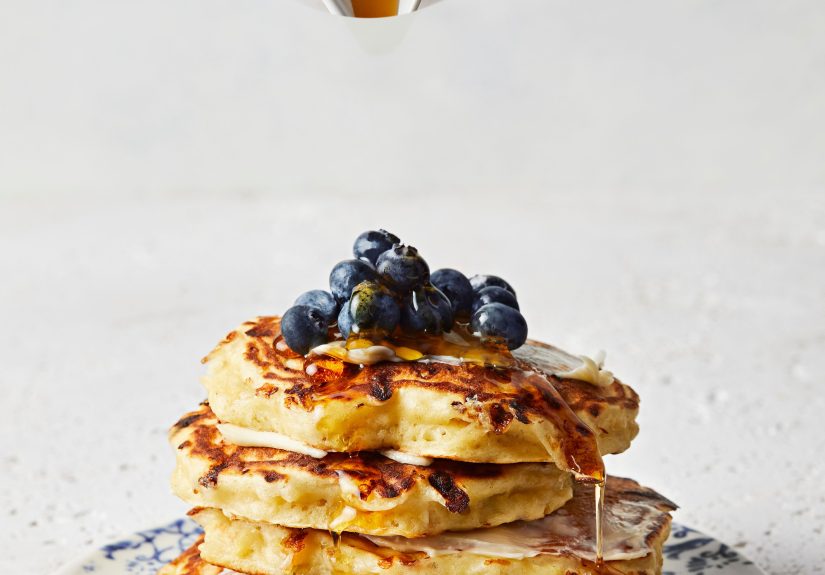
Serve the pancakes warm with honey, lemon zest, fresh berries, yogurt, chopped nuts, or a dusting of powdered sugar. For a brunch-style finish, warm a little honey with a squeeze of lemon juice and drizzle it over the stack.
Recipe Card: Honey-Lemon Cottage Cheese Pancakes
Prep Time
10 minutes
Cook Time
12 minutes
Total Time
22 minutes
Servings
Serves 3 to 4 people, depending on appetite and pancake enthusiasm.
Ingredients
- 1 cup cottage cheese
- 2 large eggs
- 3/4 cup old-fashioned oats
- 1/4 cup all-purpose flour
- 1 tablespoon honey
- 1 tablespoon fresh lemon juice
- 1 teaspoon finely grated lemon zest
- 1 teaspoon vanilla extract
- 1 teaspoon baking powder
- 1/4 teaspoon fine salt
- 2 to 4 tablespoons milk, as needed
- Butter or neutral oil, for cooking
Instructions
- Add cottage cheese, eggs, oats, flour, honey, lemon juice, lemon zest, vanilla, baking powder, and salt to a blender.
- Blend until mostly smooth, about 20 to 30 seconds.
- Add milk one tablespoon at a time if the batter is too thick.
- Let the batter rest for 5 to 10 minutes.
- Heat a nonstick skillet over medium heat and lightly grease it.
- Scoop 3 tablespoons of batter per pancake onto the skillet.
- Cook until the edges are set and bubbles appear, about 2 to 3 minutes.
- Flip gently and cook for 1 to 2 more minutes.
- Serve warm with honey, lemon zest, berries, yogurt, or your favorite toppings.
Expert Tips for Fluffy Cottage Cheese Pancakes
Do Not Overblend
Blend only until the batter is mostly smooth. Overworking pancake batter can make pancakes tougher, especially once flour is involved. A few tiny oat flecks are perfectly fine. They add character, and pancakes deserve character.
Keep the Pancakes Small
Cottage cheese pancakes are softer than traditional pancakes. Smaller rounds are easier to flip and less likely to break. Think silver-dollar pancakes with brunch confidence.
Use Medium Heat
High heat can brown the outside before the center cooks through. Medium heat gives the pancakes time to puff gently and develop a golden surface without burning.
Let the Batter Rest
A short rest improves texture. The oats absorb moisture, the flour hydrates, and the batter becomes easier to handle. This little pause is also a perfect time to make coffee, wash berries, or stare proudly at your lemon zest like a person who has their life together.
Best Toppings for Honey-Lemon Cottage Cheese Pancakes
These pancakes are flavorful enough to stand alone, but toppings can take them from “nice breakfast” to “please open a tiny brunch restaurant immediately.”
- Warm honey-lemon drizzle: Mix 3 tablespoons honey with 1 teaspoon lemon juice and warm briefly.
- Fresh blueberries: Their sweet-tart flavor pairs beautifully with lemon.
- Greek yogurt: Adds creaminess and a tangy contrast.
- Toasted almonds: Bring crunch and a nutty finish.
- Sliced strawberries: A classic, colorful topping that tastes like spring.
- Powdered sugar: Optional, pretty, and slightly dramatic in the best way.
Flavor Variations
Blueberry Honey-Lemon Pancakes
Drop a few blueberries onto each pancake after spooning the batter into the skillet. Do not stir a large handful into the blender, unless you want purple batter that looks like it has secrets.
Almond Lemon Pancakes
Add 1/4 teaspoon almond extract and top with toasted sliced almonds. This version tastes delicate, fragrant, and slightly bakery-style.
Whole Wheat Cottage Cheese Pancakes
Replace the all-purpose flour with whole wheat flour for a nuttier flavor. Add an extra tablespoon of milk if the batter thickens too much.
Gluten-Free Style
Use certified gluten-free oats and replace the all-purpose flour with a gluten-free all-purpose blend. The pancakes may be slightly more delicate, so keep them small and flip carefully.
Storage and Reheating
These pancakes store surprisingly well, which is excellent news for anyone who likes breakfast but does not enjoy performing a full cooking show before 8 a.m.
Refrigerator
Let the pancakes cool completely. Store them in an airtight container in the refrigerator for up to 3 days. Place parchment paper between layers to prevent sticking.
Freezer
Freeze pancakes in a single layer on a baking sheet, then transfer them to a freezer bag. They keep well for up to 2 months. Label the bag unless you enjoy playing “mystery breakfast disc” later.
Reheating
Warm refrigerated pancakes in a toaster oven, skillet, or microwave. For frozen pancakes, toast gently or microwave in short intervals until heated through. A skillet gives the best texture because it refreshes the golden edges.
Common Mistakes to Avoid
Using Too Much Liquid
The batter should be thick but scoopable. If it is too thin, the pancakes may spread too much and become fragile. Add milk slowly, only as needed.
Flipping Too Soon
Wait until the edges look set and the underside is golden. If the pancake resists when you slide the spatula underneath, give it another 20 to 30 seconds.
Skipping the Lemon Zest
Lemon juice adds brightness, but zest adds real lemon flavor. The oils in the peel give the pancakes their sunny, aromatic quality. Without zest, the lemon flavor becomes much quieter.
Cooking Pancakes Too Large
Big pancakes are tempting, but cottage cheese batter performs better in smaller portions. Smaller pancakes cook evenly, flip neatly, and stack beautifully.
What to Serve With Honey-Lemon Cottage Cheese Pancakes
For a complete breakfast, pair these pancakes with fresh fruit, scrambled eggs, turkey sausage, yogurt, or a smoothie. For a brunch spread, serve them with roasted potatoes, fruit salad, coffee, and a small bowl of warm honey-lemon syrup. If you want the meal to feel extra special, add fresh mint and berries on top. Suddenly the pancakes look like they were styled by someone with linen napkins and emotional stability.
Frequently Asked Questions
Can I make these pancakes without a blender?
Yes. Use quick oats instead of old-fashioned oats, mash the cottage cheese slightly with a fork, and whisk everything together. The texture will be more rustic, but still delicious.
Can I use ricotta instead of cottage cheese?
Yes. Ricotta creates a smoother, richer pancake. Cottage cheese adds more texture and a pleasantly tangy flavor, while ricotta makes the batter slightly more delicate.
Can I make the batter ahead of time?
You can blend the batter and refrigerate it for a few hours, but it will thicken as it rests. Stir in a splash of milk before cooking. For best fluffiness, cook the pancakes shortly after mixing.
Are these pancakes sweet?
They are lightly sweet, not dessert-level sweet. The honey gives them a soft sweetness, while lemon keeps the flavor bright. Add more honey on top if you prefer a sweeter stack.
Can kids enjoy these pancakes?
Yes. The flavor is mild, fresh, and friendly. For younger eaters, try serving them with sliced strawberries or a little yogurt. If they are suspicious of cottage cheese, simply do not announce it like a breaking news event.
Experience Notes: Making Honey-Lemon Cottage Cheese Pancakes at Home
The first time you make honey-lemon cottage cheese pancakes, the batter may surprise you. It is thicker than classic pancake batter, creamier than oat pancake batter, and more fragrant than you expect from such a short ingredient list. That is part of its charm. This is not a flat, plain pancake that needs a lake of syrup to become interesting. It has flavor built right into the batter.
One helpful experience is learning how the batter behaves in the pan. Because cottage cheese and oats make the mixture tender, the pancakes need a little patience. They should not be rushed, pressed, or flipped like diner pancakes on a griddle the size of a surfboard. Let the first side cook until the edges look set. When the spatula slides underneath cleanly, the pancake is ready. If it folds like a sleepy blanket, it needs more time.
The lemon aroma is another small pleasure. Fresh zest changes the entire personality of the recipe. Bottled lemon juice can add acidity, but it cannot provide that fresh citrus fragrance. When the zest hits the warm skillet, the kitchen smells bright and cheerful, like brunch opened a window. For the best flavor, zest only the yellow part of the lemon peel. The white pith underneath can taste bitter, and nobody invited bitterness to breakfast.
Honey also behaves differently depending on how you use it. Mixed into the batter, it gives the pancakes gentle sweetness. Drizzled on top, it becomes glossy and rich. Warmed with lemon juice, it turns into a quick syrup that tastes more elegant than the effort required. A small pinch of salt in the drizzle can make the flavor pop even more, especially if you are serving the pancakes with berries or yogurt.
Another practical lesson: the first pancake is often the test pancake. This is normal. It tells you whether the pan is too hot, the batter is too thick, or the oil is uneven. Do not judge the entire batch by pancake number one. Pancake number one is the intern. Pancake number two usually knows what it is doing.
These pancakes also make excellent leftovers. When cooled and reheated in a toaster oven or skillet, they regain a little crispness around the edges while staying tender inside. This makes them useful for meal prep, especially if you like a breakfast that feels homemade without starting from scratch every morning. Stack them with parchment paper, refrigerate or freeze them, and future you will feel deeply appreciated.
For serving, the most balanced plate includes something creamy, something juicy, and something crunchy. Greek yogurt, blueberries, and toasted almonds are a dependable trio. Strawberries and honey are more dessert-like. Banana slices and walnuts make the pancakes feel cozy and substantial. If you want a very simple version, use only honey and lemon zest. The pancakes can carry themselves.
In the end, honey-lemon cottage cheese pancakes are the kind of recipe that earns repeat status because they are flexible. They can be wholesome or brunchy, simple or dressed up, quick or leisurely. They taste fresh, feel satisfying, and make cottage cheese look far more glamorous than its humble reputation suggests. That is breakfast growth. That is pancake evolution. That is a stack worth waking up for.
Conclusion
This Honey-Lemon Cottage Cheese Pancakes Recipe is bright, tender, easy to make, and full of breakfast personality. Cottage cheese creates a creamy, protein-rich batter, oats add structure, honey brings natural sweetness, and lemon zest gives every bite a fresh citrus lift. Whether you serve them with berries on a slow Sunday morning or reheat a few on a busy weekday, these pancakes deliver comfort without feeling heavy.
The best part is how adaptable they are. Keep them simple with honey and lemon, make them brunch-worthy with yogurt and fruit, or freeze extras for later. They are proof that a pancake can be cozy, cheerful, and practical all at once. Not every breakfast gets to be delicious and useful, but this one understood the assignment.