Table of Contents >> Show >> Hide
- What a Bagster Dumpster Actually Is
- Why We Chose a Bagster Instead of a Traditional Dumpster
- What We Liked Most About Renting a Bagster Dumpster
- What Surprised Us About the Bagster Experience
- What Types of Projects Are Best for a Bagster?
- When a Bagster Is Probably the Wrong Choice
- Our Best Tips Before You Rent a Bagster Dumpster
- Would We Rent a Bagster Dumpster Again?
- Our Real Experience Renting a Bagster Dumpster
- Final Thoughts
Some home projects begin with confidence. Others begin with a suspiciously large pile of drywall, busted shelving, mystery lumber, and a bathtub that seems to have gained emotional weight since installation. Our project was the second kind. We needed a cleanup solution that was bigger than contractor bags, less dramatic than a full-size roll-off dumpster, and flexible enough to let us work at our own pace. That is how we ended up renting a Bagster dumpster.
And honestly? We liked it more than we expected.
This wasn’t a fairy-tale romance involving trash. We still had to sweat, lift, sort, and argue over whether that warped particleboard shelf was “worth saving.” But for a medium-size home cleanup, the Bagster hit a sweet spot. It was easy to buy, easy to store until we needed it, simple to fill over time, and far less intimidating than having a steel dumpster parked in front of the house like a very judgmental yellow whale.
Here’s our full take on what worked, what surprised us, and why we’d use a Bagster again for the right kind of job.
What a Bagster Dumpster Actually Is
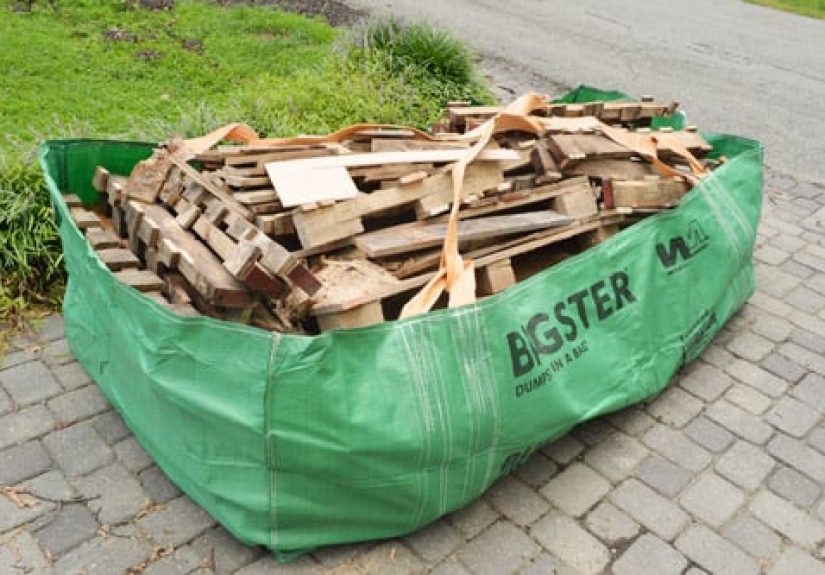
A Bagster is basically a heavy-duty dumpster bag designed for projects that are too messy for regular trash service but too small to justify a giant metal container. Think of it as the in-between option for homeowners who are remodeling one room, cleaning out a garage, redoing landscaping, or tackling the kind of decluttering project that starts with one closet and somehow ends with half the basement.
What makes it appealing is the format. You buy the bag first, unfold it on your property, fill it over time, and then schedule a pickup when you’re ready. That means you are not racing against a standard rental window from day one. For DIYers, that flexibility is a big deal. Not all of us complete a bathroom refresh in a single weekend. Some of us spend four days deciding where the old vanity should go before admitting the answer is “not in the garage.”
Why We Chose a Bagster Instead of a Traditional Dumpster
We considered a regular dumpster first. On paper, a roll-off dumpster sounds wonderfully efficient. In real life, it can be overkill for a modest project. The size can feel excessive, the rental period can create pressure, and the placement can be a hassle if you have a smaller driveway, picky neighbors, or an HOA that treats visible disorder like a personal insult.
What pushed us toward the Bagster was the scale of our cleanup. We had enough debris to make our weekly trash pickup laugh in our faces, but not enough to fill a giant container. We also liked that we could buy the bag for a relatively low upfront cost, keep it folded until go-time, and fill it gradually as we worked through the project. No countdown clock. No giant metal box. No immediate need to become the most organized people alive.
For a one-room renovation, a garage cleanout, or a moving purge, that convenience is tough to beat.
What We Liked Most About Renting a Bagster Dumpster
1. It Felt Manageable
This was the biggest win. A Bagster felt doable in a way a traditional dumpster did not. It fit the size of our project and the reality of our energy level. We weren’t doing a whole-house gut remodel. We were doing a realistic homeowner cleanup with bursts of motivation interrupted by snack breaks and side quests.
Because the Bagster was scaled for a smaller job, we felt more in control of the mess. We could see progress quickly, which matters more than people admit. There is something deeply satisfying about dropping a mangled cabinet door into the bag and watching the chaos become a contained, scheduled problem.
2. We Could Fill It on Our Own Timeline
This was the feature we appreciated most once the project got underway. A Bagster lets you work at your pace before pickup. That means you can demo one day, sort another day, and finish loading after your back and patience recover.
That flexibility is especially useful for people juggling work, kids, weather, contractor delays, or the universal homeowner condition known as “I thought this would take two hours.” With a Bagster, we did not feel forced to cram every bit of labor into a narrow rental window. We filled it when we were ready, not when the clock bullied us.
3. It Was Less Intrusive Than a Roll-Off
A traditional dumpster has presence. It announces itself. It clanks, scrapes, and tends to dominate whatever space it occupies. The Bagster, by comparison, was much less disruptive. It sat where we placed it, did its job, and didn’t turn the driveway into a construction zone unless our own debris pile had already accomplished that.
If you live in a neighborhood where appearances matter, or you just do not want a huge dumpster parked outside for days, the smaller profile is a real advantage.
4. It Encouraged Smarter Loading
Because the space is limited, we were more thoughtful about what went in and how. We broke down bulky items, stacked flatter debris first, and avoided tossing things in randomly like raccoons with a renovation budget. That actually made the whole cleanup more efficient.
Instead of paying for more container than we needed, we matched the disposal method to the job. For many small and mid-size projects, that is the smarter move.
5. Scheduling Pickup Was Straightforward
Once the bag was loaded properly, scheduling pickup felt pretty simple. The basic process is easy to understand: buy it, fill it, then arrange collection. That kind of clarity matters when you are already dealing with dust, debris, and a house that currently looks like it lost a fight with a crowbar.
We also liked that the pickup service is built around the product. This is not a situation where you are improvising disposal with a borrowed trailer and a prayer.
What Surprised Us About the Bagster Experience
It Is Not “Cheap” Once Pickup Is Added
Let’s address the most important thing before the internet does it in all caps: the Bagster itself is not the full cost. The purchase price of the bag is only the opening act. Pickup and disposal are the real ticket price, and those costs can vary quite a bit by location.
That does not make it a bad deal. It just means you should compare total cost, not just bag cost. For the right project, we still found the value solid because we were paying for convenience, flexibility, and a right-sized solution. But anyone expecting a magical budget loophole powered entirely by woven polypropylene is setting themselves up for disappointment.
The Rules Matter More Than We Expected
Bagster is convenient, but it is not lawless. There are rules about where you place it, what you can put inside, how much heavy debris it can take, and what kind of clearance the pickup truck needs. This is not one of those situations where you wink at physics and hope for the best.
That meant we had to think ahead. Could the truck reach the bag? Were there overhead wires? Was the bag far enough from structures and vehicles? Had we accidentally mixed in something prohibited? A little planning went a long way.
Our advice: read the instructions before you start loading. Do not treat them like decorative packaging text. They are the difference between a smooth pickup and a very annoying “why is our trash still here?” moment.
Heavy Debris Adds Complexity
Bagster can handle substantial weight, but that does not mean you should fill the entire thing with concrete, dirt, brick, or roofing debris and call it a day. Heavy materials need extra caution, and there are stricter practical limits for those loads.
We found that the Bagster works best when the contents are mixed or moderately heavy rather than aggressively dense. If your project involves a mountain of concrete chunks or enough masonry to build a second foundation, a full-size dumpster is usually the better call.
What Types of Projects Are Best for a Bagster?
After using one, we’d say a Bagster dumpster works especially well for these jobs:
- Small bathroom or kitchen remodels
- Garage, attic, or basement cleanouts
- Pre-move decluttering
- Flooring replacement in one or two rooms
- Yard cleanup where local rules allow the material
- Slow-burn DIY projects that generate debris over several days or weeks
In other words, it shines when the mess is real but not industrial. If your project is “we cleaned out the shed and tore out the old vanity,” Bagster makes sense. If your project is “we demolished half the house and unearthed three layers of flooring from different presidential administrations,” you probably need something larger.
When a Bagster Is Probably the Wrong Choice
As much as we liked renting a Bagster dumpster, it is not perfect for every situation. We would skip it if:
- You have a very large renovation or demolition project
- You need to dump a lot of dense, heavy material
- Your property layout makes pickup access difficult
- You need crews tossing debris in all day long
- You want one big disposal solution for a major, fast-moving job
That is where a traditional roll-off dumpster earns its keep. It gives you more capacity, more forgiveness, and a better setup for truly large volumes of waste. Sometimes the best choice is not the cutest or most convenient-looking one. Sometimes you just need the industrial giant.
Our Best Tips Before You Rent a Bagster Dumpster
Check Pickup Availability First
Do not assume service works the same everywhere. Availability and pricing can vary by ZIP code, so confirm that pickup service is offered in your area before building your cleanup dreams around it.
Pick the Location Carefully
Place the bag where it can actually be collected and where you can load it safely. The smartest spot is usually easy to access from the work area but also clear enough for pickup requirements. Choose once, choose wisely, and spare yourself the misery of realizing you set it in the wrong place after half-filling it.
Do Not Save All the Weird Stuff for Last
Break down bulky items early. Flat pieces stack better. Awkward items eat space quickly. The better you pack the bag, the more useful that capacity becomes.
Separate Prohibited Items Immediately
Keep paint, electronics, appliances, batteries, liquids, and other restricted materials out of the pile from the beginning. It is much easier to manage this upfront than to play trash detective later.
Be Honest About Project Size
This is the big one. If you suspect you will need multiple bags, or if the debris is very heavy, price out a full dumpster too. The Bagster is great when it fits the job. It is not great when you are trying to force a larger project into a smaller solution because optimism briefly took the wheel.
Would We Rent a Bagster Dumpster Again?
Yes, for the right project, absolutely.
We liked renting a Bagster because it gave us a practical middle ground. It was easier than hauling debris ourselves, less overwhelming than renting a large dumpster, and much more flexible than we expected. It worked especially well for a medium-size cleanup that unfolded over time rather than in one giant demolition sprint.
Was it the cheapest disposal option in every possible scenario? No. Was it the best option for massive construction waste? Also no. But for a realistic homeowner project with a manageable amount of junk, renovation debris, and “why did we keep this?” clutter, it felt like a smart, convenient solution.
In short, the Bagster was not magic. But it was very useful. And when you are ankle-deep in broken trim and old carpet tack strips, “very useful” starts to sound downright beautiful.
Our Real Experience Renting a Bagster Dumpster
What really sold us on the Bagster was how normal the whole experience felt. It did not require us to become temporary waste-management scholars or coordinate a full construction-style operation. We bought the bag, brought it home, and let it sit folded for a bit while we finished pretending the mess was “organized.” That alone was a small luxury. There was no truck arrival to prepare for, no urgent scheduling pressure, and no giant container taking over the driveway before we had removed the first piece of debris.
Once we started the project, the Bagster became our official “make it disappear” zone. Every time we tore out something ugly, broken, or clearly past its prime, we had somewhere immediate to put it. That sounds obvious, but it changed the rhythm of the work. Instead of building random debris piles around the house like tragic little monuments to unfinished labor, we kept feeding the Bagster. The space stayed more functional, and the project felt less chaotic.
We also appreciated the psychology of the thing. Because the Bagster has a visible limit, it nudged us to make smarter decisions. We broke down shelves instead of tossing them in whole. We flattened cardboard, bundled trim, and loaded the heavy stuff thoughtfully. It turned cleanup into a bit of a strategy game. Less “throw everything wildly” and more “win Tetris, but with demolition debris.” Oddly enough, that made the project feel more satisfying.
There was also something pleasant about not having a massive steel dumpster parked outside, announcing to the neighborhood that our home improvement confidence had once again exceeded our actual planning. The Bagster felt lower drama. It sat quietly on the property, looked reasonably tidy for a debris container, and did not make the house feel like an active commercial jobsite.
That said, the experience was best when we respected the rules. We paid attention to what went in, kept prohibited materials out, and made sure the placement made sense for pickup. We did not treat it like a magical void where all bad decisions could go to die. And that was probably the key. The Bagster works well when you use it like a system, not like a dare.
By the time we were done, the bag was full of the exact kind of stuff that clogs up a project: old shelving, busted trim, torn-up materials, bulky junk, and enough debris to make regular trash service file a quiet complaint. Seeing it all contained in one place was deeply satisfying. Seeing it leave was even better.
So yes, we liked renting a Bagster dumpster. We liked the flexibility, the manageable size, the way it matched a real-life homeowner project, and the fact that it helped us move from “this house is a mess” to “this project is under control.” It was not a perfect fit for every kind of cleanup, but for our kind of cleanup, it worked. And in the glamorous world of home improvement debris, that counts as a glowing review.
Final Thoughts
If you are tackling a medium-size cleanup and want a disposal option that is practical, flexible, and less intimidating than a traditional dumpster, a Bagster is worth considering. We liked it because it respected the scale of a normal DIY project. It gave us room to work, time to load, and a much cleaner finish line than trying to manage debris with regular trash bags and sheer denial.
The key is simple: know your project, respect the loading rules, and compare the total cost instead of falling in love with the low price of the empty bag. Do that, and a Bagster dumpster can be one of the handiest cleanup tools in your home improvement arsenal.