Table of Contents >> Show >> Hide
- What Is the Stock Market?
- What Is a Stock?
- Why Do Companies Go Public?
- How Stock Prices Are Set
- What Happens When You Buy a Stock?
- Who Participates in the Stock Market?
- Primary Market vs. Secondary Market
- Why Stock Prices Move
- What Are Stock Indexes?
- How Investors Make Money in Stocks
- Bull Markets, Bear Markets, and Volatility
- Risk, Diversification, and Time
- Trading vs. Investing
- Example: A Simple Stock Market Story
- Common Myths About the Stock Market
- How Beginners Can Understand the Market Better
- Experiences and Practical Lessons About How the Stock Market Works
- Conclusion
The stock market looks mysterious from the outside: flashing numbers, excited TV anchors, red arrows, green arrows, and people saying things like “the market hates uncertainty” as if the market were a nervous housecat. But underneath the noise, the stock market is simply a system where people buy and sell ownership in companies.
When you buy a share of stock, you are buying a small slice of a business. Not a chair from the office, not the CEO’s parking spot, and sadly not unlimited free snacks from the break room. You are buying a financial claim on part of the company’s future value. If the company grows, earns more money, and convinces investors it has a bright future, the stock price may rise. If the company struggles, disappoints investors, or gets caught doing something embarrassing in a quarterly report, the stock price may fall.
Understanding how the stock market works is one of the most useful financial skills a person can learn. It helps explain retirement accounts, business headlines, economic cycles, inflation worries, interest-rate drama, and why your uncle suddenly becomes a “market expert” every Thanksgiving. This guide breaks it down in plain English.
What Is the Stock Market?
The stock market is a network of exchanges, brokers, investors, institutions, technology systems, and rules that allow stocks to be bought and sold. In the United States, major stock exchanges include the New York Stock Exchange and Nasdaq. These are organized marketplaces where publicly traded companies list their shares and investors trade them.
The word “market” matters. A market is where buyers and sellers meet. In a farmers market, one person has tomatoes, another person has money, and a deal happens if they agree on a price. The stock market works in a similar way, except instead of tomatoes, people trade shares of Apple, Microsoft, Coca-Cola, Tesla, or thousands of other companies. Also, the tomatoes do not usually release earnings reports.
What Is a Stock?
A stock represents ownership in a company. If a corporation divides its ownership into one million shares and you own one share, you own one-millionth of the company. That may not sound like much, but ownership is ownership. The value of that share can change depending on how investors view the company’s future.
Stocks are also called equities because they represent equity ownership. Investors buy stocks for several reasons: potential price appreciation, dividend income, voting rights, and long-term wealth building. Companies issue stock because it gives them access to capital. That money can help fund expansion, research, hiring, debt repayment, acquisitions, or other corporate goals.
Common Stock vs. Preferred Stock
Most people are familiar with common stock. Common stock usually gives shareholders voting rights and the possibility of price growth. Preferred stock is different. It often pays a fixed dividend and has features that make it feel partly like a stock and partly like a bond. Preferred shareholders usually have priority over common shareholders for dividends, but they may have limited voting power.
For beginners, common stock is the main character in the stock market story. Preferred stock is more like a serious supporting character wearing a suit and carrying a calculator.
Why Do Companies Go Public?
A company “goes public” when it sells shares to public investors, often through an initial public offering, or IPO. Before going public, a business may be owned by founders, employees, venture capital firms, private equity investors, or early backers. After going public, its shares can trade in the public market.
Going public can help a company raise money, build credibility, create liquidity for early investors, and use stock as compensation for employees. But it also comes with responsibilities. Public companies must follow securities laws, report financial results, disclose important risks, and face constant judgment from investors. Imagine getting a report card every quarter and having millions of people react to it instantly. That is public-company life.
How Stock Prices Are Set
Stock prices are set by supply and demand. If more buyers want a stock than sellers are willing to provide at the current price, the price tends to rise. If more sellers want out than buyers want in, the price tends to fall.
There is no magical committee sitting in a marble room deciding, “Today, this stock shall be worth $143.27.” Prices move because market participants place buy and sell orders. Those orders interact electronically, and trades happen when a buyer and seller agree on a price.
The Bid, the Ask, and the Spread
The bid is the highest price a buyer is currently willing to pay. The ask is the lowest price a seller is currently willing to accept. The difference between them is called the spread.
For example, if a stock has a bid of $50.00 and an ask of $50.05, the spread is five cents. Highly traded stocks often have narrow spreads because there are many buyers and sellers. Less liquid stocks may have wider spreads, which can make trading more expensive.
What Happens When You Buy a Stock?
When you place an order through a brokerage account, your broker routes that order for execution. The trade may be matched on an exchange or through another trading venue. After the order is executed, the trade must clear and settle, meaning ownership and money officially change hands through financial plumbing that most investors never see.
That hidden plumbing is important. Without it, markets would be chaos: investors shouting, “I bought the shares!” while someone else yells, “No, I sold them to Dave!” Modern market infrastructure keeps records, confirms trades, and makes sure transactions are completed properly.
Market Orders and Limit Orders
A market order tells your broker to buy or sell immediately at the best available price. It is fast, but the final price can differ from what you expected, especially in volatile markets.
A limit order lets you set the maximum price you are willing to pay when buying or the minimum price you are willing to accept when selling. It gives you more price control, but there is no guarantee the trade will happen.
Think of a market order as saying, “I need a sandwich now.” A limit order is saying, “I will buy that sandwich only if it costs $8 or less.” Both are valid. One is impatient and hungry.
Who Participates in the Stock Market?
The stock market includes many types of participants. Individual investors buy and sell shares for personal goals such as retirement, education savings, or wealth growth. Institutional investors, including pension funds, mutual funds, hedge funds, insurance companies, and asset managers, trade large amounts of money on behalf of clients.
Brokers help investors access the market. Exchanges provide organized trading venues. Market makers help provide liquidity by standing ready to buy or sell certain stocks. Regulators such as the Securities and Exchange Commission oversee securities markets and enforce rules designed to protect investors and maintain fair markets.
Primary Market vs. Secondary Market
The primary market is where securities are created and sold for the first time. An IPO is a classic example. The company sells shares and receives money from investors.
The secondary market is where investors trade shares with one another after the initial sale. When you buy 10 shares of a public company in your brokerage account, you are usually buying from another investor, not directly from the company. The company does not receive your money in that transaction; the selling investor does.
This distinction is important. The primary market helps companies raise capital. The secondary market gives investors liquidity, meaning they can buy and sell more easily. Without a strong secondary market, investors would be much less excited about buying stocks in the first place.
Why Stock Prices Move
Stock prices move for many reasons, but most of them connect to expectations. Investors are constantly asking: What will this company earn in the future? How risky is it? How fast can it grow? Are interest rates rising? Is the economy strong? Is management competent? Is competition getting tougher? Did the CEO just say something alarming on live television?
Company Performance
Revenue, profits, margins, debt, cash flow, product quality, customer growth, and management decisions all affect investor confidence. If a company reports stronger earnings than expected, its stock may rise. If it misses expectations, the stock may drop, even if the company is still profitable.
Economic Conditions
Inflation, interest rates, employment, consumer spending, business investment, and global trade can influence the stock market. When interest rates rise, borrowing becomes more expensive, which can pressure companies and reduce the present value investors place on future earnings. When the economy expands, many companies may benefit from stronger demand.
Investor Psychology
The market is not just math. It is math wearing emotional roller skates. Fear and greed can push prices above or below what fundamentals might suggest. During bubbles, investors may chase excitement. During crashes, they may sell in panic. Over time, business results matter, but in the short term, emotions can be very loud.
What Are Stock Indexes?
A stock index tracks a group of stocks to represent part of the market. The S&P 500 tracks 500 large U.S. companies. The Dow Jones Industrial Average tracks 30 major companies. The Nasdaq Composite includes many companies listed on Nasdaq, with heavy representation from technology businesses.
Indexes help investors answer a simple question: “How is the market doing?” Without indexes, financial news would sound like someone reading a grocery receipt for 4,000 stocks.
Index Funds and ETFs
Index funds and exchange-traded funds, or ETFs, allow investors to buy a basket of securities in one investment. Instead of trying to pick one winning company, an investor can own broad exposure to many companies. This can improve diversification and reduce the impact of one company performing badly.
ETFs trade on exchanges like stocks, while mutual funds usually trade once per day after the market closes. Both can be useful, depending on the investor’s goals, costs, and strategy.
How Investors Make Money in Stocks
Investors typically make money from stocks in two main ways: capital gains and dividends.
A capital gain happens when you sell a stock for more than you paid. If you buy a share for $100 and sell it later for $140, your gain is $40 before taxes and fees. A dividend is a payment a company makes to shareholders, usually from profits. Not all companies pay dividends. Fast-growing companies often reinvest profits back into the business instead.
Of course, investors can also lose money. If you buy at $100 and sell at $70, the market does not send a sympathy card. Risk is part of investing.
Bull Markets, Bear Markets, and Volatility
A bull market is a period when stock prices generally rise. A bear market is a period when prices fall significantly, often defined as a decline of 20% or more from recent highs. Volatility refers to how much prices move up and down.
Volatility can feel uncomfortable, but it is normal. Stocks offer the possibility of higher long-term returns partly because investors must tolerate uncertainty. If stocks moved upward in a perfectly straight line, everyone would invest, risk would disappear, and finance professors would need a new hobby.
Risk, Diversification, and Time
Diversification means spreading money across different investments to reduce the damage any single investment can cause. A diversified portfolio may include stocks from different industries, company sizes, and countries, along with bonds or cash depending on the investor’s goals.
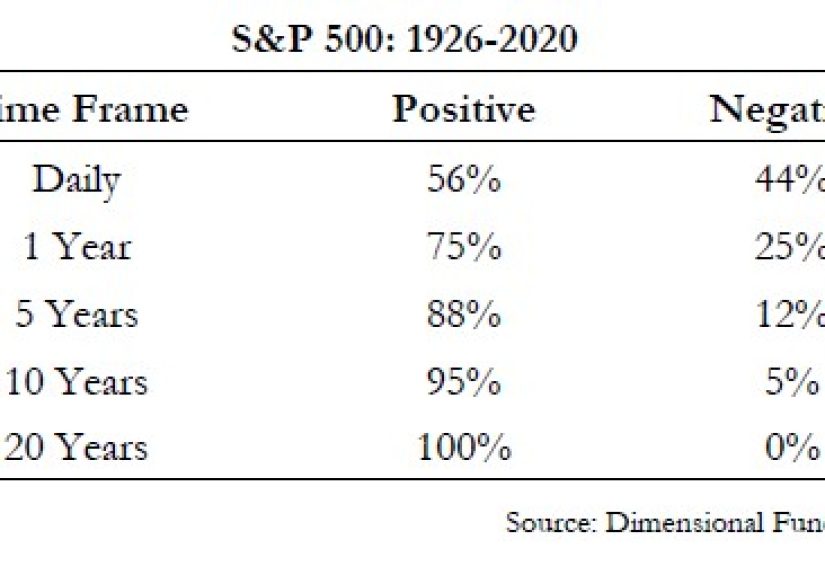
Time horizon also matters. Money needed next month does not belong in a risky stock portfolio. Money invested for retirement decades away may have more time to recover from market declines. A sensible investment plan should match your goals, risk tolerance, and timeline.
Trading vs. Investing
Trading usually means buying and selling frequently to profit from short-term price moves. Investing usually means buying assets for long-term growth and income. Trading can be exciting, but it is difficult, time-consuming, and risky. Long-term investing may be less dramatic, but boring can be beautiful when it comes with compounding.
The stock market rewards patience more often than panic. That does not mean every stock should be held forever. It means that successful investors usually have a process, not just a mood.
Example: A Simple Stock Market Story
Imagine a company called Sunny Sneakers Inc. It makes comfortable shoes for people who want to look athletic while walking to the refrigerator. The company goes public at $20 per share. Investors like its sales growth, so demand rises. The stock climbs to $30.
Then Sunny Sneakers reports that production costs increased and profit margins shrank. Investors worry. Some sell. The stock falls to $24. Later, the company launches a popular new shoe, expands online sales, and improves profits. Confidence returns, and the stock reaches $40.
This simple example shows the basic engine of the stock market: expectations change, buyers and sellers react, and prices adjust. The market is not always correct, but it is always processing new information.
Common Myths About the Stock Market
Myth 1: The Stock Market Is Just Gambling
Gambling depends mostly on chance. Investing is based on ownership, business performance, valuation, risk, and time. That said, people can gamble with stocks if they trade recklessly, chase hype, or ignore risk. The tool is not the problem; the behavior is.
Myth 2: You Need to Be Rich to Invest
Modern brokerage platforms, fractional shares, low-cost index funds, and ETFs have made investing more accessible than ever. A person does not need a yacht, a monocle, or a secret Wall Street handshake to begin learning.
Myth 3: Smart Investors Always Beat the Market
Many professional investors struggle to outperform broad market indexes over long periods. That is why many people use diversified funds instead of trying to pick individual winners. Being humble is cheaper than being overconfident.
How Beginners Can Understand the Market Better
Beginners should start with the basics: what stocks are, how companies earn money, how indexes work, what risk means, and why diversification matters. Reading annual reports, following earnings summaries, comparing valuation ratios, and studying long-term charts can help build knowledge.
It also helps to separate entertainment from education. Financial media can be useful, but it often focuses on daily drama. Long-term investors should avoid treating every market headline like a fire alarm. Sometimes a headline is important. Sometimes it is just noise wearing a fancy tie.
Experiences and Practical Lessons About How the Stock Market Works
One of the clearest experiences related to the stock market is learning that price and value are not always the same thing. A stock price changes every second during market hours, but a company’s actual business value does not change that quickly. The coffee shop on the corner does not become 8% more valuable at 10:17 a.m. and 5% less valuable before lunch. Yet public stocks can move that way because investors constantly react to news, rumors, expectations, and emotion.
A useful lesson is to watch how the market responds to earnings reports. Suppose a company announces that revenue grew 12%. That sounds good. But if analysts expected 20% growth, the stock may fall. At first, this seems strange. How can good news cause a bad reaction? The answer is expectations. The stock market prices in what investors believe will happen. When reality arrives, the price adjusts not only to the result, but to the gap between expectation and reality.
Another experience is seeing how diversification changes your emotional life. Owning one stock can feel like riding a scooter downhill with questionable brakes. If it jumps, you feel brilliant. If it crashes, you question your life choices. A diversified portfolio spreads risk. One company’s bad quarter may hurt, but it does not wreck the entire plan. This is why many long-term investors prefer index funds or ETFs. They may not deliver the thrill of finding “the next big thing,” but they reduce the danger of betting everything on the wrong thing.
Market downturns also teach powerful lessons. During a decline, headlines often become dramatic. Words like “plunge,” “wipeout,” and “turmoil” appear everywhere. It can feel as if the financial world has turned into a disaster movie with worse lighting. But downturns are part of market history. Strong companies can survive recessions, adapt, and continue growing. Investors who understand their time horizon are often better prepared to avoid panic decisions.
A practical experience for beginners is tracking a few companies without buying them. Pick businesses you actually understand: a retailer, a software company, a restaurant chain, or a consumer brand. Follow their quarterly earnings, profit margins, debt levels, and management commentary. Watch how the stock reacts. This exercise teaches the connection between business performance and market behavior without risking real money.
Another lesson is that fees and taxes matter. A small expense ratio may look boring, but costs compound over time. Frequent trading can also create tax consequences and emotional fatigue. The market already has enough challenges; investors do not need to add unnecessary costs like sprinkles on a stress cupcake.
The biggest experience-based lesson is that investing works best with a plan. A plan answers basic questions: What is the goal? How long is the time horizon? How much risk is acceptable? What mix of investments makes sense? When will the portfolio be reviewed? Without a plan, investors often react to whatever the market does today. With a plan, they are more likely to make decisions based on purpose rather than panic.
Understanding how the stock market works does not mean predicting tomorrow’s closing price. It means knowing the system: businesses raise capital, investors trade ownership, prices reflect expectations, risk never disappears, and patience can be a serious advantage. The stock market is complex, but it is not magic. Once you understand the moving parts, the flashing numbers start to look less like chaos and more like a very loud conversation about the future.
Conclusion
The stock market is where ownership, money, information, and human behavior meet. It helps companies raise capital and gives investors a way to participate in business growth. Stock prices move because buyers and sellers constantly update their expectations about companies, industries, interest rates, economic conditions, and risk.
For beginners, the key is not to memorize every Wall Street term. The key is to understand the foundation: a stock is ownership, a market matches buyers and sellers, prices move through supply and demand, and long-term success usually depends on diversification, discipline, and realistic expectations. The stock market may look intimidating, but once you learn its basic mechanics, it becomes far less mysteriousand slightly less likely to make you stare at a red chart like it personally insulted your family.
Note: This article is for educational purposes only and is not personal financial advice.