Table of Contents >> Show >> Hide
- Why Dog Hair Gets Matted
- Tools You Need to Brush Mats out of Dog Hair
- How to Brush Mats out of Dog Hair: 14 Steps
- Step 1: Choose a Calm Grooming Spot
- Step 2: Check the Coat Before Brushing
- Step 3: Decide Whether the Mat Is Safe to Brush
- Step 4: Do Not Bathe the Dog First
- Step 5: Spray the Mat with Dog-Safe Detangler
- Step 6: Hold the Mat at the Base
- Step 7: Break the Mat Apart with Your Fingers
- Step 8: Use a Slicker Brush Gently
- Step 9: Try Line Brushing for Thick Coats
- Step 10: Check Your Work with a Metal Comb
- Step 11: Work in Small Sections
- Step 12: Know When to Stop
- Step 13: Avoid Cutting Mats with Scissors
- Step 14: Create a Prevention Routine
- Best Brushes for Different Dog Coat Types
- Common Mistakes When Removing Mats from Dog Hair
- When to Call a Professional Groomer or Veterinarian
- How Often Should You Brush a Dog to Prevent Mats?
- Extra Experience: Real-Life Lessons from Brushing Mats out of Dog Hair
- Conclusion
Matted dog hair has a sneaky way of turning from “just a tiny tangle” into “why does my dog have a carpet sample behind his ear?” seemingly overnight. Mats are clumps of tangled fur that tighten close to the skin, often forming in high-friction areas like behind the ears, under the collar, beneath the legs, around the tail, and on the belly. They are common in long-haired dogs, curly-coated dogs, double-coated breeds, senior dogs, and pups who believe rolling in wet grass is a full-time career.
The good news? Mild mats can often be brushed out safely at home with patience, the right tools, and a calm dog. The not-so-good news? Severe mats can hurt, hide skin irritation, trap moisture, and sometimes need a professional groomer or veterinarian. This guide explains how to brush mats out of dog hair in 14 practical steps, while keeping your dog comfortable and your fingers out of the “accidental wrestling match” zone.
Before you begin, remember the golden rule of dog grooming: brushing out mats should never feel like punishment. If your dog is yelping, snapping, trembling, or trying to escape, stop. A neat coat is nice, but trust is priceless.
Why Dog Hair Gets Matted
Dog hair mats form when loose fur, dirt, moisture, and friction twist together. Once a small tangle begins, nearby hair wraps into it, creating a tighter knot. Dogs with curly coats, silky coats, long coats, and thick undercoats are especially prone to matting because shed hair does not always fall away on its own.
Common causes include skipped brushing, bathing before removing tangles, wet coats that air-dry into clumps, harness or collar friction, seasonal shedding, and outdoor debris. Mats may look harmless on top, but underneath they can pull on the skin. In more serious cases, they may trap moisture and contribute to irritation, odor, hot spots, or skin infections.
Tools You Need to Brush Mats out of Dog Hair
Using the right grooming tools makes the job easier and safer. Do not attack a mat with a random human hairbrush and optimism. Your dog deserves better equipment, and honestly, so do your wrists.
Recommended Grooming Tools
- Slicker brush: Useful for loosening tangles and removing dead hair from many coat types.
- Metal comb: Helps check whether the mat is fully removed down to the skin.
- Wide-tooth comb: Good for gently separating loose tangles before detail work.
- Dog-safe detangling spray: Adds slip so hair separates with less pulling.
- Mat splitter or dematting tool: Helpful for some mats, but should be used carefully because blades can be sharp.
- Undercoat rake: Useful for thick double-coated dogs when loose undercoat is part of the problem.
- Treats: Not optional. Treats are the emotional support tool of grooming.
How to Brush Mats out of Dog Hair: 14 Steps
Step 1: Choose a Calm Grooming Spot
Start in a quiet, well-lit area where your dog feels safe. A non-slip mat, towel, or grooming table can help keep your dog steady. Avoid slippery floors because a nervous dog on tile can turn into a furry ice skater with opinions.
Keep sessions short, especially if your dog is not used to grooming. Five to ten minutes of calm brushing is better than a long battle that teaches your dog to dislike the brush forever.
Step 2: Check the Coat Before Brushing
Run your hands gently over your dog’s body to find mats. Common trouble spots include behind the ears, under the collar, armpits, chest, belly, rear legs, tail base, and around the sanitary area. These places collect friction and moisture, which makes them mat magnets.
Look for redness, swelling, sores, odor, fleas, ticks, or areas that seem painful. If the skin looks irritated or your dog reacts strongly when you touch a mat, contact a groomer or veterinarian before continuing.
Step 3: Decide Whether the Mat Is Safe to Brush
Not every mat should be brushed out. Small, loose mats that are not tight against the skin are usually the best candidates for home grooming. Large, hard, tight mats should not be forced apart because they can cause pain and damage the coat.
If you cannot slide your fingers between the mat and the skin, or if the mat covers a large area, professional help is the kinder option. Sometimes shaving a severely matted coat is safer than hours of painful brushing.
Step 4: Do Not Bathe the Dog First
This step surprises many dog owners: do not bathe a matted dog before removing tangles. Water can tighten mats, and shampoo may make knots denser if the coat is not fully brushed first. After a bath, a small tangle can become a stubborn felt pad.
Brush and loosen mats before bathing. Once the coat is mat-free, you can bathe your dog and dry thoroughly to prevent new tangles from forming.
Step 5: Spray the Mat with Dog-Safe Detangler
Lightly mist the mat with a dog-safe detangling spray or coat conditioner. Do not soak the coat; you want slip, not a tiny swamp. Let the product sit for a minute so it can soften the hair.
Avoid using human hair products unless your veterinarian or groomer recommends them. Dogs have different skin needs, and some ingredients may cause irritation.
Step 6: Hold the Mat at the Base
Use one hand to hold the mat close to your dog’s skin. This reduces pulling and protects sensitive skin while you work. Think of it as holding the roots of a knot before brushing your own hair, except your dog cannot say, “Ouch, please stop,” in English.
Be extra gentle around thin-skinned areas such as the ears, belly, armpits, and tail. These spots are more likely to become sore if tugged.
Step 7: Break the Mat Apart with Your Fingers
Before using a brush, try to separate the mat with your fingers. Gently pull the mat into smaller sections, working from the outside edges inward. Many mild mats loosen faster this way than with brushing alone.
If the mat feels like a hard pebble or a dense piece of felt, do not yank it apart. That is your cue to stop and consider professional grooming.
Step 8: Use a Slicker Brush Gently
Once the mat is loosened, use a slicker brush with light, short strokes. Brush the outer edge of the mat first, not the center. Work gradually toward the skin as the tangle releases.
Avoid scraping the skin with the slicker brush. The goal is to brush the hair, not sand the dog. If your dog’s skin looks pink or irritated, take a break immediately.
Step 9: Try Line Brushing for Thick Coats
Line brushing is a method where you lift a section of coat and brush small layers from the skin outward. This technique is especially useful for long, curly, or double-coated dogs because it prevents you from only brushing the top layer while hidden mats remain underneath.
Start low on the body, lift the coat with one hand, and brush a small “line” of hair at a time. When that section is smooth, move upward. It takes patience, but it helps you reach the coat all the way down to the skin.
Step 10: Check Your Work with a Metal Comb
After brushing, use a metal comb to test the area. The comb should glide through from the skin to the tips without catching. If it snags, there is still a tangle hiding in the coat.
This step matters because a dog can look smooth on the surface while small knots remain underneath. Those leftover knots can quickly turn into new mats.
Step 11: Work in Small Sections
Do not try to demat the entire dog in one heroic grooming marathon. Break the job into small sections: ears today, chest later, tail tomorrow if needed. Dogs have limited patience, and so do humans pretending not to be covered in fur.
Reward your dog after each section with praise, treats, or a short break. Positive reinforcement helps your dog learn that grooming is manageable, not a dramatic courtroom trial.
Step 12: Know When to Stop
Stop brushing if your dog becomes stressed, if the mat does not loosen, or if the skin appears red, sore, or damaged. Also stop if you feel frustrated. Frustrated hands are not gentle hands.
For tight mats, heavy matting, or mats near delicate areas, contact a professional groomer. If there are sores, parasites, swelling, bleeding, or a bad smell, call your veterinarian.
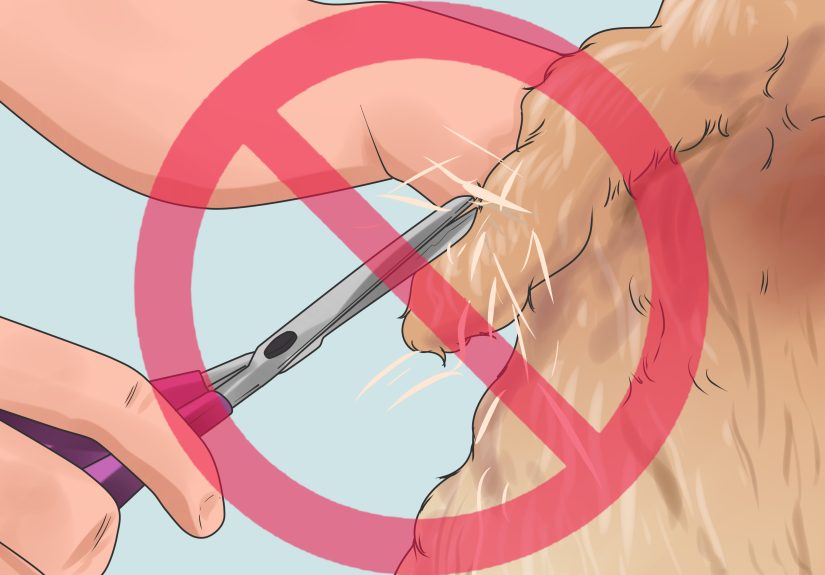
Step 13: Avoid Cutting Mats with Scissors
Cutting mats with scissors is risky because dog skin can be pulled up inside the mat. What looks like a safe snip may accidentally cut skin. This is especially dangerous around ears, armpits, belly, and tail areas.
If a mat must be removed rather than brushed out, a trained groomer can use clippers safely. Clippers are not magic wands, but in skilled hands they are often safer than scissors for close mats.
Step 14: Create a Prevention Routine
The best way to handle mats is to prevent them. Brush your dog regularly based on coat type. Long-haired and curly-coated dogs may need brushing several times a week or even daily. Short-haired dogs usually need less frequent brushing, but they still benefit from routine coat care.
Pay special attention after baths, rainy walks, beach trips, sweater season, and heavy shedding periods. Dry the coat thoroughly, check high-friction areas, and comb down to the skin. A two-minute check today can save your dog from a shave-down tomorrow.
Best Brushes for Different Dog Coat Types
Curly Coats
Poodles, doodles, bichons, and similar curly-coated dogs often need frequent brushing because loose hair can stay trapped in the coat. A slicker brush and metal comb are usually key tools. The comb test is essential because curly coats can hide tangles like little fluffy secrets.
Long Silky Coats
Yorkshire terriers, Maltese, Shih Tzus, and similar dogs may develop mats around the ears, chest, legs, and tail. A pin brush, slicker brush, and detangling spray can help keep the coat smooth. Gentle brushing is important because silky hair can break if handled roughly.
Double Coats
Golden Retrievers, German Shepherds, Corgis, Huskies, and other double-coated dogs shed undercoat that can clump if not removed. An undercoat rake, slicker brush, and comb may be useful. Avoid shaving double-coated breeds unless recommended by a veterinarian or professional groomer for a specific reason.
Short Coats
Short-haired dogs may not mat as easily, but they still need grooming. Rubber curry brushes, grooming mitts, and soft bristle brushes can remove loose hair and spread natural oils. Short coats can still hide skin problems, so regular hands-on checks are helpful.
Common Mistakes When Removing Mats from Dog Hair
One common mistake is brushing only the top of the coat. The surface may look fluffy while the coat near the skin is tangled. Always use a comb to check your work.
Another mistake is pulling too hard. If the brush is dragging the dog across the room, it is not grooming; it is a low-budget sled race. Hold the mat at the base and work gently.
Bathing before brushing is also a frequent problem. Wet mats tighten, and air-drying can make tangles worse. Brush first, bathe second, dry completely.
Finally, many owners wait too long between grooming sessions. Mats are much easier to prevent than remove. A consistent brushing routine keeps the coat healthier and makes grooming less stressful for everyone involved.
When to Call a Professional Groomer or Veterinarian
Call a professional groomer if the mats are close to the skin, cover large areas, or do not loosen with gentle brushing. A groomer can assess whether dematting is realistic or whether clipping is the humane choice.
Contact a veterinarian if your dog has sores, bleeding, swelling, strong odor, severe dandruff, parasites, sudden coat changes, or pain when touched. Mats can hide medical problems, and sometimes grooming needs to wait until the skin is treated.
How Often Should You Brush a Dog to Prevent Mats?
Brushing frequency depends on coat type, lifestyle, and haircut length. Curly and long-coated dogs may need daily or near-daily brushing. Double-coated dogs may need several sessions a week, especially during shedding season. Dogs that swim, hike, wear harnesses, or wear sweaters may need extra checks because moisture and friction encourage tangles.
A simple routine is to do a quick daily touch-check in mat-prone areas and a deeper brushing session several times a week. Keep a comb near your dog’s leash or grooming station so coat care becomes a habit, not a once-a-month surprise party.
Extra Experience: Real-Life Lessons from Brushing Mats out of Dog Hair
Experience teaches one thing very quickly: mats rarely appear where they are convenient. They do not politely form on the middle of the back where brushing is easy. No, they prefer the armpits, behind the ears, under the collar, and near the tailplaces where dogs suddenly remember they have important business in another room.
The first practical lesson is to start before you see a problem. Many owners wait until they notice a visible clump, but by then the mat may already be tight near the skin. Running a metal comb through high-risk areas every few days is one of the easiest ways to catch tangles early. If the comb glides through, celebrate quietly. If it catches, you have found a tiny problem before it becomes a salon appointment with dramatic lighting.
The second lesson is that patience beats strength. A mat is not defeated by force. It is loosened by small movements, detangling spray, finger separation, short brush strokes, and breaks. Dogs remember how grooming feels. If every brushing session includes pulling and stress, they may start hiding when they see the brush. If grooming includes calm handling, treats, and short sessions, many dogs learn to tolerate it welland some even enjoy it.
Another real-world tip is to brush after removing collars, harnesses, and sweaters. These items rub against the coat and create friction, especially on long-haired or curly dogs. The area behind the ears can mat from collar movement, while the chest and armpits often tangle from harness straps. After a walk, take one minute to check those spots. That minute can save twenty minutes later.
Drying matters more than many people realize. A damp coat left to air-dry can twist into tangles, especially on curly dogs. After a bath or rainy walk, towel-dry gently, then brush and comb once the coat is mostly dry. For dogs with thick coats, a pet-safe dryer or professional grooming dryer can help remove moisture from the undercoat. Moisture trapped under mats is not just uncomfortable; it can also contribute to skin irritation.
Owners of doodles, poodles, and other curly-coated dogs often learn the “fluffy but matted” lesson the hard way. A dog may look soft and cloud-like on the outside while the coat underneath is compacted. That is why the comb test is so important. A brush can make the top layer pretty, but a comb tells the truth. The comb is basically the coat’s lie detector.
For nervous dogs, cooperative care makes a big difference. Touch the brush to the coat, reward, and stop. Then do one stroke, reward, and stop. Build slowly. The goal is to teach the dog that grooming is predictable and safe. This approach is especially useful for puppies, rescue dogs, senior dogs, and dogs who have had painful grooming experiences.
Finally, know when to choose comfort over appearance. Some owners feel embarrassed when a groomer recommends shaving mats. But a shorter haircut is not a failure; it is often the kindest reset. Hair grows back. A dog’s comfort, skin health, and trust matter more than keeping a long coat that hurts. After a reset, you can start fresh with a brushing routine that fits your dog’s coat and your schedule.
Conclusion
Learning how to brush mats out of dog hair is really about learning how to care for your dog’s coat without causing stress or pain. Start with the right tools, work slowly, use detangling spray when needed, separate mats with your fingers, brush in small sections, and always check your work with a metal comb. Most importantly, know when to stop and call a professional.
Mats are easier to prevent than remove. With regular brushing, thorough drying, and extra attention to high-friction areas, your dog can stay more comfortable, cleaner, and less likely to need an emergency haircut. And you? You get fewer fur knots, fewer grooming battles, and fewer moments where you stare at your dog and wonder how one animal became a walking throw rug.
Note: This article is for general grooming education. If your dog has severe matting, skin irritation, open sores, strong odor, or pain when touched, contact a professional groomer or veterinarian.