Table of Contents >> Show >> Hide
- First: what “dark spots” usually mean on melanin-rich skin
- Step 1: Identify your pattern (so you don’t treat the wrong problem)
- Step 2: The #1 dark-spot eraser is… sunscreen (yes, really)
- Step 3: Build a routine that fades spots without starting new ones
- Step 4: Prescription options (when OTC isn’t cutting it)
- Step 5: In-office treatments (power toolsuse the right mechanic)
- Habits that keep dark spots coming back (and how to stop them)
- How long does it take to fade dark spots on Black skin?
- Simple routines you can actually stick to
- Quick “don’t do this” list (save your skin and your sanity)
- Real-world experiences: what people notice when they finally win the dark-spot battle (about )
- Conclusion: the safest path is the one you can repeat
Dark spots on Black skin are a special kind of annoying: they can show up after acne, eczema, a bug bite, a “tiny” scratch, or that one pimple you swore you wouldn’t pick (and then… you did). The good news: most dark marks can fade. The even better news: you don’t need to sandblast your face to get there.
This guide explains how to fade dark spots on Black skin safelywith a routine that respects melanin-rich skin (because irritation can make discoloration darker). You’ll get practical ingredient options, smart layering, timelines, and when to call in a dermatologist for prescription or in-office help.
First: what “dark spots” usually mean on melanin-rich skin
Most people calling something a “dark spot” are dealing with one of these:
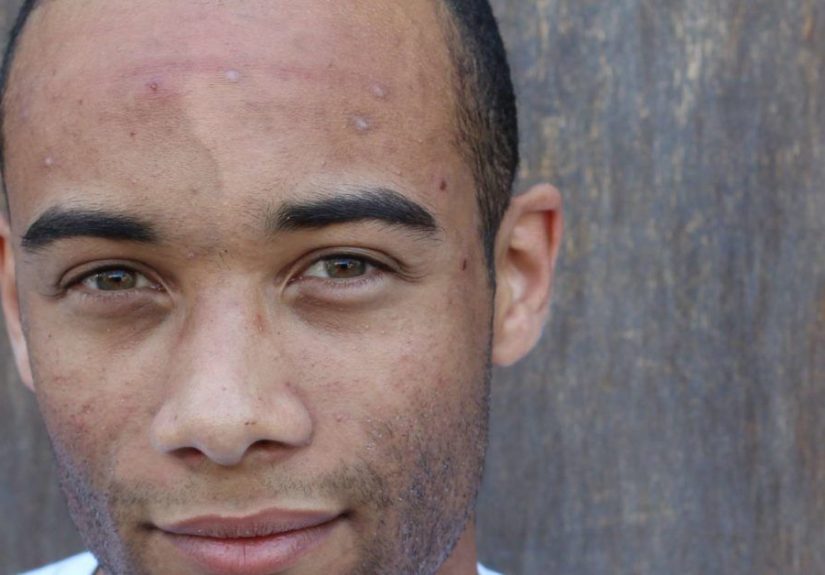
- Post-inflammatory hyperpigmentation (PIH): leftover pigment after inflammation or injury (acne, ingrown hairs, dermatitis, waxing, shaving, burns).
- Melasma: patchy, often symmetric discolorationcommonly on cheeks, forehead, upper lipoften influenced by sun/visible light and hormones.
- Sun spots / uneven tone: gradual discoloration from cumulative sun exposure.
Why does it feel like dark spots “cling” to Black skin? Melanin is protective, but when the skin gets irritated or inflamed, pigment-making cells can respond enthusiastically. That means the strategy is not “maximum strength everything.” It’s calm skin + consistent brightening + serious sun protection.
Step 1: Identify your pattern (so you don’t treat the wrong problem)
Clues it’s PIH
- Spots appear exactly where a breakout, bump, or irritation happened.
- They’re small-to-medium marks, not usually perfectly symmetric.
- New spots pop up whenever you get new inflammation (acne, shaving bumps, eczema flares).
Clues it’s melasma
- Broader patches (not just dots), often symmetric.
- Gets worse in summer, better in winter.
- May be linked to pregnancy, birth control, or hormone shifts.
Pro tip: If you’re unsure, a dermatologist can usually tell quickly with a visual exam and sometimes a special light. Treating melasma like acne marks (or vice versa) can waste months.
Step 2: The #1 dark-spot eraser is… sunscreen (yes, really)
If you do nothing else, do this: broad-spectrum SPF 30+ every morning. UV exposure darkens existing spots and makes new ones more likely. And for melasma and stubborn discoloration, visible light (think: daylight through windows, bright outdoor light) can also worsen pigmentespecially in deeper skin tones.
What sunscreen works best for hyperpigmentation on dark skin?
- Broad-spectrum SPF 30–50+ (higher is fine if you’ll actually wear it).
- Tinted formulas with iron oxides are especially helpful when discoloration is triggered by visible light (common in melasma and uneven tone).
- Reapply when outdoors (every ~2 hours), after sweating, or after water exposure.
If sunscreen leaves a cast, don’t suffer in silencetry tinted options or modern “no white cast” formulas. The best sunscreen is the one you’ll wear daily.
Step 3: Build a routine that fades spots without starting new ones
Here’s the golden rule for Black skin dealing with discoloration: irritation is not a shortcut. Over-exfoliation and harsh actives can trigger more inflammation → more pigment → more frustration.
Your foundation: gentle cleansing + barrier support
- Cleanser: mild, non-stripping.
- Moisturizer: keeps the barrier calm (look for ceramides, glycerin, hyaluronic acid, petrolatum, squalanewhatever your skin likes).
- Avoid: gritty scrubs, “burning means it’s working,” and fragrance-heavy products if you’re sensitive.
Brightening ingredients that play well with melanin-rich skin
You don’t need every ingredient ever invented. Pick one or two “fade” ingredients and use them consistently.
1) Azelaic acid (great for acne + dark spots)
Azelaic acid helps with inflammation, clogged pores, and discoloration. It’s a favorite for skin of color because it can be effective with relatively low irritation when introduced slowly.
2) Retinoids (retinol or prescription tretinoin)
Retinoids speed up cell turnover and can help fade PIH over time. The catch: they can cause dryness and irritation if you jump in too fastespecially in skin prone to PIH. Start low, go slow, moisturize generously, and consider “sandwiching” (moisturizer → retinoid → moisturizer).
3) Vitamin C (for overall brightness and antioxidant support)
Vitamin C can help brighten and support an even tone. If pure vitamin C stings, look for gentler derivatives or use it less frequently.
4) Niacinamide (supportive, calming, tone-evening)
Niacinamide is the low-drama friend: it supports the barrier and can help with uneven tone. It’s also easy to pair with other actives.
5) Tranexamic acid (especially popular for stubborn discoloration)
Tranexamic acid shows up in topical products and can be useful for discoloration patterns like melasma and PIH. It’s often tolerated well, but results still require consistency and sun protection.
6) Gentle chemical exfoliants (AHA/LHA/BHAcarefully)
Glycolic or lactic acid (AHAs) can brighten by smoothing and encouraging turnover. Salicylic acid (BHA) helps if acne and clogged pores are part of the story. The key is dosage and frequency: 1–3 nights a week to start, not “twice daily because TikTok said so.”
Ingredients to be cautious with: anything that burns, peels aggressively, or leaves you red for hours. “Glowy” is the goal. “Crawling out of your skin” is not.
Step 4: Prescription options (when OTC isn’t cutting it)
If you’ve been consistent for 8–12 weeks and your spots are barely budgingor if you have widespread melasmaconsider a dermatologist visit. Prescription options can be faster and more targeted.
Hydroquinone (prescription-only in the U.S.)
Hydroquinone is a powerful pigment-reducing ingredient often used short-term under medical guidance. It’s not something to freestyle with, and in the U.S. many OTC hydroquinone “lighteners” are not legally marketed and may be risky (especially products from informal sellers).
Common dermatologist approach: a time-limited course (often a few months), strict sun protection, and sometimes cycling off to avoid problems like irritation or rebound discoloration. Never use mystery “bleaching” creamssome have harmful ingredients like mercury.
Prescription retinoids and combination creams
Dermatologists may prescribe tretinoin (or other retinoids), azelaic acid at prescription strengths, or combination treatments tailored to your skin type and pattern of pigment.
If you’re pregnant or trying to conceive
Skip topical retinoids and talk to your clinician about pregnancy-safe options. A dermatologist can help you choose alternatives that are more appropriate during pregnancy.
Step 5: In-office treatments (power toolsuse the right mechanic)
Professional treatments can help, but darker skin tones require an experienced hand because aggressive procedures can trigger PIH or scarring. Look for a board-certified dermatologist (or dermatology clinic) who routinely treats skin of color.
Chemical peels
Superficial peels (done correctly) can improve discoloration and texture. The wrong peel at the wrong depth can backfire. If your provider doesn’t ask about your history of PIH, that’s a yellow flag.
Microneedling
Microneedling may help with acne scars and uneven tone when performed properly. It’s not a same-day miracle, but it can be part of a smart plan.
Lasers and light devices
Some lasers can help pigment, but they can also trigger PIH if settings aren’t chosen carefully for melanin-rich skin. If someone promises “zero risk” and “instant perfection,” you are allowed to back away slowly and protect your wallet.
Habits that keep dark spots coming back (and how to stop them)
- Picking and popping: inflammation = pigment. Treat acne early so you’re not forced into a weekly negotiation with your pores.
- Shaving bumps / ingrowns: consider changing your shaving method (single-blade, shave with the grain, fewer passes) and using anti-ingrown strategies.
- Over-exfoliating: more sting does not equal more results. It often equals more spots.
- Skipping sunscreen “because I’m not outside”: windows exist. Sun finds you.
How long does it take to fade dark spots on Black skin?
Honest timeline (because you deserve the truth): fading is usually measured in months, not days.
- Early improvement: often 6–12 weeks with a consistent routine.
- Stubborn or deeper pigment: can take many months; some marks fade slowly over a year.
If your spots keep getting darker, that’s often a sign your routine is too irritating, your sun protection isn’t strong enough, or the underlying trigger (like acne or eczema) isn’t controlled yet.
Simple routines you can actually stick to
Routine A: Minimalist “I want results, not 14 steps”
AM
- Gentle cleanse (or rinse if your skin prefers).
- Vitamin C or niacinamide (pick one).
- Moisturizer.
- Broad-spectrum tinted SPF 30–50+.
PM
- Gentle cleanse.
- Azelaic acid or retinoid (pick one to start).
- Moisturizer (use the sandwich method if using retinoids).
Routine B: Acne + PIH (the “breakouts leave receipts” plan)
AM: cleanse → azelaic acid (or niacinamide) → moisturizer → tinted SPF.
PM: cleanse → retinoid (start 2–3 nights/week) → moisturizer. Add salicylic acid only if needed and only 1–2 nights/week at first.
Routine C: Melasma-prone discoloration (the “light is the villain” plan)
AM: gentle cleanse → tranexamic acid or vitamin C → moisturizer → tinted iron-oxide SPF + hat/shade when possible.
PM: gentle cleanse → dermatologist-guided pigment treatment (may include prescription options) → moisturizer.
Quick “don’t do this” list (save your skin and your sanity)
- Don’t: use lemon juice, baking soda, toothpaste, or random DIY acids. That’s how you get burns and brand-new dark spots.
- Don’t: buy mystery bleaching creams online or from informal sellers. Some products contain unsafe ingredients.
- Don’t: stack multiple strong actives right away (retinoid + strong AHA + harsh cleanser = irritation cocktail).
- Do: patch test new products and increase frequency gradually.
Real-world experiences: what people notice when they finally win the dark-spot battle (about )
When people start working on dark spots on Black skin, the first “aha” moment usually isn’t a miracle serumit’s realizing that calm skin fades faster. A common experience is someone upgrading to a strong exfoliant, then watching their face get shiny, tight, and “tingly,” and thinking, “Yes! Progress!” Two weeks later: new patches, more marks, and a new hobby called “Googling in despair at 2 a.m.” Once they switch to a gentle cleanser, moisturize consistently, and reduce actives to a manageable schedule, the cycle often breaks.
Another pattern: people expect dark spots to fade like a bruise. But PIH doesn’t follow bruise rules. One college student (acne marks after mask-wearing) described it perfectly: “My pimples clock out in five days, but the spots stay employed for months.” That’s typical. What helps is tracking progress the right wayphotos in the same lighting every 3–4 weeksbecause daily mirror checks will make you feel like nothing is happening. Slow improvement is still improvement.
Many folks also discover that sunscreen is the hidden lever. One person might do everything “right” at nightretinoid twice a week, azelaic acid, moisturizerthen casually skip SPF because it’s cloudy, or because they’re “just driving.” When they finally commit to daily broad-spectrum sunscreen (and often prefer tinted formulas that blend nicely), they start seeing fewer new marks and faster fading of old ones. People are often shocked that the biggest change didn’t come from a new activeit came from stopping UV and visible light from re-darkening pigment.
There’s also the “ingredient hopping” trap. Someone buys vitamin C, tries it for 10 days, then switches to kojic acid, then tries a peel pad, then adds a brightening soap, then wonders why their skin is irritated and nothing is consistent. The better experience is boring: pick one hero ingredient (like azelaic acid or a retinoid), use it for 8–12 weeks, and let your skin adjust. Melanin-rich skin often rewards patience more than aggression.
And finally, real life includes real budgets. People who succeed tend to simplify rather than splurge: a gentle cleanser, a moisturizer they enjoy using, a sunscreen they’ll wear daily, and one targeted treatment. When prescription options enter the picturelike hydroquinone used short-term under supervisionmany describe it as “the boost” rather than “the whole plan.” The whole plan is still the basics: reduce inflammation, protect from light, and stay consistent long enough for your skin to do what it already knows how to doheal.
Conclusion: the safest path is the one you can repeat
To get rid of dark spots on Black skin, think like a strategist, not a gambler: prevent new pigment (sunscreen + no picking), treat the trigger (acne, eczema, ingrowns), and use 1–2 proven brighteners consistently without irritating your skin. If you’re not seeing progress after a solid 8–12 weeksor if you suspect melasmapartner with a dermatologist who understands skin of color for prescription or in-office options.