Table of Contents >> Show >> Hide
- Why Bathroom Odors Happen in the First Place
- How to Get Rid of Bathroom Odors Fast
- How to Deep Clean the Smell Out of a Bathroom
- What Different Bathroom Odors Usually Mean
- How to Fix Common Plumbing-Related Bathroom Odors
- Prevent Bathroom Odors Before They Start
- When to Call a Professional
- Conclusion
- Real-Life Bathroom Odor Experiences and Lessons Learned
- SEO Tags
A smelly bathroom has a special talent: it can make an otherwise clean home feel like something suspicious is lurking behind the shower curtain. And the rude part is that bathroom odors are not always caused by the obvious culprit. Sometimes the issue is a damp towel. Sometimes it is a grimy drain. Sometimes it is your toilet quietly plotting against you with a failing wax ring.
The good news is that most bathroom odors can be traced to a handful of common causes, and once you find the real source, you can fix the problem instead of just launching another air freshener into battle. In other words, this is not about masking smells with a candle called “Ocean Breeze.” It is about making the odor leave for good.
In this guide, you will learn how to get rid of bathroom odors step by step, what different smells usually mean, when a quick cleaning fix is enough, and when it is time to call in a plumber or moisture expert. If your bathroom smells musty, sour, sewage-like, or just generally “not right,” here is how to bring it back to fresh territory.
Why Bathroom Odors Happen in the First Place
Before you can eliminate a bad bathroom smell, you need to know what is creating it. Most bathroom odors come from one of these categories:
1. Too much moisture
Bathrooms are humidity machines. Hot showers, wet floors, damp bath mats, and soggy towels create the perfect environment for mold, mildew, and that stale, swampy smell nobody invited. Poor ventilation makes it worse because the moisture hangs around long enough to settle into grout, caulk, drywall, and fabric.
2. Dirty drains and overflow channels
Soap scum, hair, skin oils, shaving cream, and other charming leftovers can build up inside bathroom drains. Over time, this gunk can grow bacteria and biofilm, which produces a funky odor even when the sink or shower looks clean on the surface. Sink overflows are especially sneaky because they are out of sight and easy to forget.
3. Sewer gas problems
If your bathroom smells like rotten eggs, sewage, or a sewer line decided to move indoors, the problem may be sewer gas escaping through a dry P-trap, a clogged vent pipe, a cracked drain, or a loose toilet seal. This is the kind of odor that should not be covered up with perfume spray and optimism.
4. Toilet-related residue
Toilets can hold onto odors in places people rarely scrub thoroughly, including under the rim, around the seat hinges, near the base, and in the water jets. If there is urine splash on grout or around the base, the smell can linger no matter how clean the rest of the bathroom looks.
5. Hidden leaks and mildew
A small leak under the sink or around the tub can feed mold and mildew for weeks before you notice visible damage. The first clue is often the smell. If your bathroom smells musty even after a full cleaning, moisture hiding behind walls, under flooring, or inside cabinetry may be the real issue.
6. Funky fabrics and forgotten items
Hand towels, bath towels, shower curtains, bath mats, laundry hampers, and even trash cans can all trap moisture and bacteria. Translation: your “bathroom odor” may actually be a towel problem wearing a clever disguise.
How to Get Rid of Bathroom Odors Fast
If you need a same-day improvement, start with the simplest high-impact moves first.
Run the exhaust fan the right way
Turn on the bathroom fan during showers and leave it running afterward long enough to remove lingering humidity. If your bathroom does not have a window, the fan matters even more. A properly sized fan that vents outdoors, not into an attic, does a lot of the heavy lifting when it comes to bathroom odor removal.
Open the door or window
Airflow helps wet surfaces dry faster. If privacy allows, leave the bathroom door open after showers. If you have a window, crack it open to move humid air out. Your bathroom does not need to become a wind tunnel, but it does need a chance to breathe.
Wash or replace soft items
Take a hard look at your towels, bath mat, shower curtain liner, and any fabric hamper. If they smell even slightly musty when dry, they are helping the odor stick around. Wash what you can in hot water when appropriate, dry items completely, and replace anything that has gone from “used” to “permanently questionable.”
Empty the trash and clean the can
Bathroom trash bins often collect damp tissues, floss containers, cotton pads, and other odor-friendly items. Empty the trash, then wipe the can inside and out. If needed, sprinkle a little baking soda in the bottom before replacing the liner.
How to Deep Clean the Smell Out of a Bathroom
If the odor keeps coming back, it is time for a more strategic attack.
Clean the sink drain and overflow
Start with the bathroom sink. Remove visible debris from the stopper and drain opening. Scrub around the opening with an old toothbrush or narrow cleaning brush. Then flush the drain with hot water.
To tackle buildup, use a safe drain-cleaning routine such as baking soda followed by vinegar, then flush with hot water after the fizzing settles. Do not mix vinegar with bleach or commercial cleaners. If the sink has an overflow opening, clean that too, because odor-causing residue often hides there.
Scrub the shower drain
Pull off the drain cover and remove any hair or slime buildup. Yes, it is unpleasant. Yes, it is often the problem. After physical debris is gone, scrub the drain area and flush it thoroughly. A monthly drain cleaning routine can prevent that classic “something died in the shower” smell from making a comeback.
Clean tile, grout, and caulk
Musty smells love porous surfaces. Scrub shower walls, grout lines, corners, and caulk where mildew tends to settle. Pay extra attention to the lower corners of the shower and the edge where the tub meets the wall. If caulk is cracking, moldy, or peeling, cleaning may not be enough and recaulking may be the better fix.
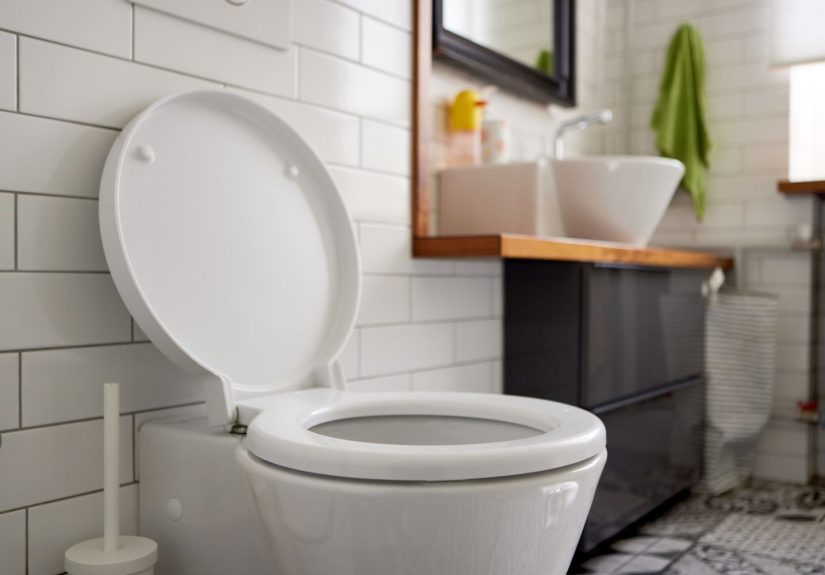
Disinfect the toilet thoroughly
Do not stop at the bowl. Clean under the rim, around the seat bolts, the exterior sides, behind the toilet, and especially around the base. If you have young kids, frequent guests, or a household where aim is apparently a creative suggestion, the floor around the toilet deserves extra attention.
Sometimes the smell is not in the bowl at all. It is on the floor, in the grout, or around the base where splashes or tiny leaks have settled. A thorough scrub here can make an immediate difference.
Wipe hidden areas
Bad smells often linger behind the toilet, under the vanity, inside cabinets, or beneath the sink where a small leak may have created a mildew patch. Pull everything out, wipe the area dry, and look for dampness, stains, warped wood, or peeling material.
What Different Bathroom Odors Usually Mean
Musty smell
This usually points to excess moisture, poor ventilation, mildew, mold, or damp fabrics. Focus on ventilation, leak checks, fabric washing, and cleaning porous surfaces. If the smell persists after everything is visibly dry and clean, start looking for a hidden leak.
Sewage smell
This can signal a dry trap, a blocked vent, a loose toilet, a failed wax ring, or a drain issue. Sewer-smelling bathrooms should be taken seriously because the fix is often mechanical, not cosmetic.
Rotten egg smell
This may come from drain bacteria, sewer gas, or in some cases the water supply itself. If the smell only appears when you run hot water, the water heater could be part of the issue. If it comes from a drain when no water is running, think plumbing or biofilm first.
Sour or stale smell
This often comes from dirty towels, damp bath mats, mop heads, sponges, or a neglected trash can. In many bathrooms, the “mystery odor” turns out to be fabric that never dried fully between uses.
How to Fix Common Plumbing-Related Bathroom Odors
Refill a dry P-trap
If a bathroom sink, shower, tub, or floor drain has not been used in a while, the water in the trap can evaporate. That water barrier is what blocks sewer gas from entering the room. Run water for a minute or two to refill the trap. In rarely used drains, repeat this occasionally so the barrier does not disappear again.
Check for a loose toilet or bad wax ring
If the odor is strongest near the toilet base, or the toilet rocks when you sit on it, the wax ring may be failing. A damaged wax ring can allow sewer gas to escape even when you do not see water on the floor. That is plumber territory for many homeowners, and it is worth fixing quickly.
Look for a clogged vent pipe
Plumbing vents help drains flow properly and keep sewer gas moving where it belongs. If a vent is blocked, you may notice slow drains, gurgling sounds, or recurring sewage odors. This is another case where a professional can save you from turning a small issue into a roof-level adventure you did not budget for.
Inspect under the sink
Check the P-trap and supply lines for drips, corrosion, or damp cabinet bottoms. Even a slow leak can create a persistent musty smell. If you find wet wood, peeling shelf liner, or mold spots, fix the leak first and then clean and dry the area completely.
Prevent Bathroom Odors Before They Start
Once the smell is gone, keeping it gone is the real win. A few habits make a big difference.
Use the fan every day
Make the exhaust fan part of your bathroom routine, not a decorative noisemaker. If the fan is loud, weak, or ineffective, upgrading to a quieter, properly vented model may be one of the best long-term fixes for bathroom smell and moisture problems.
Keep humidity under control
If your bathroom stays damp for hours after a shower, bring in more airflow or use a dehumidifier nearby if needed. Bathrooms do better when moisture is managed early instead of being allowed to soak into every surface.
Clean drains monthly
Hair, soap residue, and biofilm do not need much time to start smelling bad. A simple monthly drain-cleaning routine can prevent buildup before it turns into a bigger problem.
Dry towels fully
Spread towels out after each use instead of leaving them in a damp heap. Wash hand towels, washcloths, and bath mats regularly. A fresh bathroom can still smell bad if the towels are giving off “wet dog in a steam room” energy.
Fix leaks quickly
Small leaks are overachievers. They can quietly cause smells, stains, swollen materials, and mold before they become obvious. The sooner they are repaired, the less likely they are to turn your bathroom into a science project.
When to Call a Professional
DIY cleaning can solve many bathroom odor problems, but some signs deserve expert help:
- The bathroom smells like sewage even after cleaning drains and refilling traps
- The toilet rocks or smells strongly at the base
- You hear gurgling in drains or notice repeated slow drainage
- You suspect a hidden leak behind walls or under flooring
- The smell appears only with hot water, suggesting a water heater issue
- Mold keeps returning despite cleaning and better ventilation
At that point, you are not dealing with a “freshen up” situation. You are dealing with a repair. And repairs beat air fresheners every time.
Conclusion
Learning how to get rid of pesky bathroom odors is really about learning how to identify the source. A musty smell usually points to moisture and mildew. A sour smell often comes from fabrics or forgotten grime. A sewage odor may signal a trap, vent, or toilet seal problem. Once you stop treating every bad smell like the same problem, the solution gets much easier.
Start with ventilation, deep cleaning, and moisture control. Clean the drains. Wash the soft goods. Check for leaks. Inspect the toilet base. And if the odor smells suspiciously like the sewer system has entered the chat, call a plumber instead of spraying vanilla mist at the problem and hoping for the best.
A fresh bathroom is not just nicer to walk into. It is usually a sign that your ventilation, cleaning, and plumbing are all working the way they should. And that is the kind of peace every home deserves.
Real-Life Bathroom Odor Experiences and Lessons Learned
One of the most common experiences homeowners describe is the “my bathroom looks clean, so why does it smell weird?” mystery. The room has been scrubbed, the sink shines, the mirror sparkles, and yet there is still a stale odor hanging in the air like an unwanted guest who refuses to leave after the party. In many of these cases, the lesson is simple: bathrooms can smell bad even when the obvious surfaces look spotless. The hidden troublemakers are often damp towels, drain buildup, old caulk, or a small leak under the sink that has been quietly doing damage out of sight.
Another very relatable experience happens in guest bathrooms. Because they are used less often, people assume they should stay fresher than the main bathroom. Ironically, the opposite can happen. An unused shower drain or floor drain can dry out, which lets sewer gas sneak in. Homeowners often say they spent days wiping down counters and washing rugs before realizing all the drain needed was water. It is one of those fixes that feels almost insulting in its simplicity, but it works.
Families with kids often run into a different version of the odor problem. The toilet bowl gets cleaned regularly, but the room still smells faintly like urine. The culprit turns out to be around the toilet, not in it. Tiny splashes can land on the floor, grout, baseboards, or the side of the toilet and go unnoticed. People are usually shocked by how much fresher the room smells after cleaning the floor around the toilet base and the small crevices around the seat hinges. Glamorous? No. Effective? Very.
Then there is the classic post-shower musty smell. Many people assume this means they need stronger cleaners, more fragrance, or a fancier spray. But their real issue is poor drying. Once they start using the exhaust fan properly, opening the door after showers, wiping down wet shower walls, and laundering damp bath mats more often, the smell fades. The experience teaches an important truth: moisture control often matters more than scent control.
Some homeowners discover the hard way that a nice-smelling candle is not a repair plan. A sewer-like odor near the toilet or sink can point to a plumbing problem, and no amount of eucalyptus or lavender can negotiate with a broken wax ring. People often report trying every deodorizer in the aisle before finally calling a plumber, only to learn the issue was mechanical all along. It is a useful reminder that recurring bathroom odors are clues, not just annoyances.
Perhaps the biggest takeaway from real-life experience is that persistent bathroom odors rarely need magic. They need observation, a little detective work, and a willingness to clean the unglamorous spots nobody puts on social media. Once you treat the source instead of the symptom, the bathroom becomes easier to keep fresh. And honestly, there are few small home victories more satisfying than walking into a bathroom and smelling absolutely nothing at all.