Table of Contents >> Show >> Hide
- What Is a Rogue Pi?
- Why Security Teams Use Raspberry Pi Pentesting Dropboxes
- How Rogue Pi Fits Into Modern Ethical Hacking
- What Makes a Good RPi Pentesting Dropbox?
- Rogue Pi vs. Commercial Pentesting Appliances
- Security, Ethics, and the Line You Do Not Cross
- Defending Against Unauthorized Rogue Devices
- Common Misconceptions About Raspberry Pi Pentesting
- Practical Experience: What Working With a Rogue Pi Teaches You
- Conclusion: Rogue Pi Is a Tool, Not a Shortcut
- Additional Field Experience: Lessons From Planning, Deploying, and Reporting on a Rogue Pi
- SEO Tags
Note: This article discusses Raspberry Pi pentesting dropboxes for authorized security testing only. Do not connect any device to a network you do not own or have written permission to assess. Curiosity is great; trespassing with a tiny computer is still trespassing, just with better cable management.
What Is a Rogue Pi?
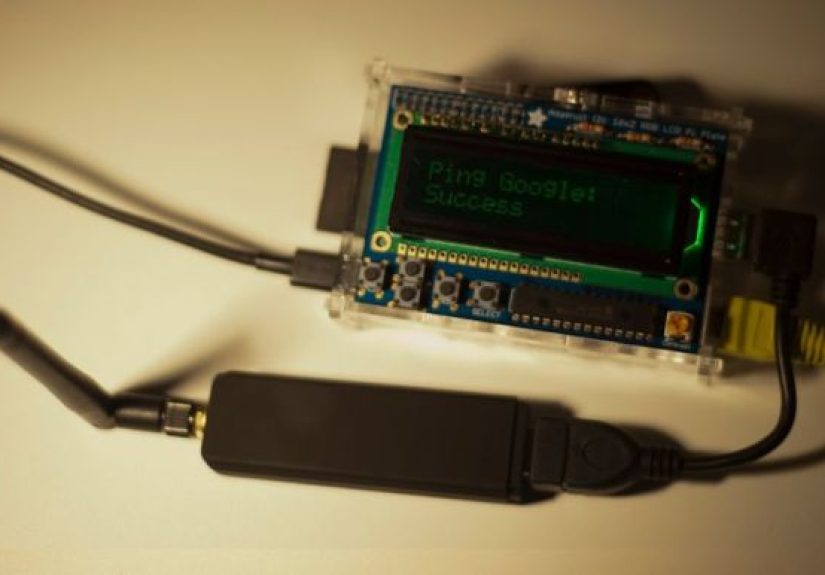
A Rogue Pi is a Raspberry Pi-based penetration testing dropbox: a small, low-cost device used by ethical hackers, internal security teams, or red team consultants during an approved network security assessment. The basic idea is simple. Instead of flying a tester across the country to sit in a conference room, a tiny single-board computer can be placed inside a client’s environment, connected under documented rules of engagement, and used as a controlled network assessment appliance.
The name sounds like something that escaped from a sci-fi kitchen appliance lab, but the concept is very real. The original Rogue Pi idea gained attention in the maker and security community because it showed how a Raspberry Pi could become more than a hobby board blinking LEDs on a desk. With the right operating system, network access, logging, and secure administration, it could help test what an attacker might see from inside a network.
That last phrase matters: inside a network. Many organizations have strong perimeter defenses but weaker internal segmentation. A Raspberry Pi pentesting dropbox helps answer uncomfortable but useful questions. What happens if a contractor device is plugged in? Are internal services exposed too broadly? Does monitoring detect an unknown asset? Can the security team identify and isolate suspicious network behavior quickly? In short, a Rogue Pi is not a magic hacking toaster. It is a mirror. Sometimes the reflection has spinach in its teeth.
Why Security Teams Use Raspberry Pi Pentesting Dropboxes
The Raspberry Pi became popular for security labs because it is affordable, compact, quiet, and supported by a large ecosystem. For a security team, that means a small device can be prepared, shipped, inventoried, and recovered without turning a pentest into a logistics opera. Compared with a laptop, it uses less space and power. Compared with a commercial red team appliance, it can be dramatically cheaper. Compared with “just guessing” about internal exposure, it provides actual evidence.
In authorized engagements, a dropbox can support internal vulnerability validation, configuration review, wireless assessment planning, network visibility checks, and detection engineering. The device is not the star of the show; the methodology is. NIST-style security testing emphasizes planning, controlled execution, analysis, reporting, and mitigation. A Rogue Pi should fit inside that lifecycle, not wander around like a raccoon with root privileges.
Good engagements begin with scope. The client and testing team define where the device may be placed, what systems may be tested, what data is off-limits, what hours are permitted, who receives alerts, and how the test stops if something behaves unexpectedly. This makes the difference between professional penetration testing and “surprise, the intern found a blinking box under the printer.”
How Rogue Pi Fits Into Modern Ethical Hacking
A Raspberry Pi pentesting dropbox belongs in the broader family of internal assessment tools. It does not replace web application testing, cloud security review, code review, phishing-resistant identity controls, or endpoint hardening. Instead, it adds a physical network perspective. That perspective is valuable because real environments are messy. There are forgotten switches, conference-room Ethernet ports, unmanaged printers, old VLANs, and mysterious devices named things like “TEMP-SERVER-DO-NOT-DELETE.”
Modern ethical hacking frameworks such as OWASP testing guidance, MITRE ATT&CK mapping, and NIST security assessment principles all push teams toward repeatable, evidence-based work. A Rogue Pi can support that approach by acting as a stable observation point. The tester can document what the device could see, which controls responded, and which assumptions failed. The goal is not to “own the network” for bragging rights. The goal is to help the organization fix risk before a real attacker writes the ending.
Internal Visibility Testing
One practical use case is visibility testing. If a new device appears on the wired network, does the security operations center notice? Is the asset classified? Is it assigned to the correct segment? Does network access control challenge it? Does logging show where it connected? If the answer is “we would probably notice,” the Rogue Pi politely asks, “Would you, though?”
Segmentation Review
Another use case is segmentation review. A well-designed network limits what one device can reach. Workstations should not casually browse sensitive administrative interfaces. Guest networks should not shake hands with payroll systems. Lab devices should not chat with production databases like they met at summer camp. A dropbox can help validate whether segmentation rules match reality.
Detection Engineering
Security teams also use controlled internal devices to tune alerts. Instead of waiting for an actual incident, defenders can run approved simulations and observe whether monitoring tools produce useful signals. The best result is not a noisy dashboard with 400 alerts named “Something Happened.” The best result is a small number of clear, prioritized detections that help humans respond quickly.
What Makes a Good RPi Pentesting Dropbox?
A strong Rogue Pi setup is not defined by how sneaky it looks. It is defined by reliability, safety, accountability, and clean reporting. In professional security work, the boring parts are the beautiful parts. Asset labels, chain-of-custody notes, pre-approved contact information, secure administration, encrypted storage, test windows, and shutdown procedures may not sound glamorous, but they prevent chaos. Glamour is overrated. Ask any server room at 2 a.m.
1. Written Authorization
The first requirement is permission. A penetration testing dropbox should be deployed only under a signed agreement and rules of engagement. The agreement should identify the organization, locations, networks, testing dates, allowed activities, emergency contacts, and data-handling expectations. Without that paperwork, the device is not a pentesting tool; it is a legal problem wearing a Raspberry Pi case.
2. Secure Remote Administration
Remote access must be designed carefully. Security teams often need to manage the device from outside the client site, but that access should be authenticated, encrypted, logged, and limited. Strong credentials, key-based access, patching, and firewall restrictions matter. Raspberry Pi documentation also emphasizes operational security basics such as keeping software updated, hardening remote access, and using a firewall. Tiny computers deserve grown-up security.
3. Minimal and Purposeful Tooling
Kali Linux is often associated with penetration testing because it is a Debian-based distribution built for security research, digital forensics, reverse engineering, and assessment tasks. However, more tools do not automatically mean better testing. A professional Rogue Pi should include only what the engagement needs. Installing every tool available is like bringing a hardware store to fix one loose cabinet handle. Impressive? Maybe. Efficient? Not really.
4. Logging and Evidence Handling
A useful test produces evidence. The device should support clean logs, timestamps, configuration records, and test notes. When a finding appears in the final report, the client should understand what was tested, what was observed, why it matters, and how to remediate it. The goal is not to bury executives under technical confetti. The goal is to translate network reality into business risk and practical fixes.
5. Safe Failure Modes
A dropbox should fail safely. If power is lost, if connectivity drops, if the device is unplugged, or if a test reaches an unexpected boundary, the process should stop cleanly. A good rules-of-engagement document includes emergency pause procedures. Nobody wants a security assessment that behaves like a caffeinated squirrel in a data center.
Rogue Pi vs. Commercial Pentesting Appliances
Commercial dropboxes exist for a reason. They often include polished management portals, support contracts, tamper-resistant hardware, cellular connectivity options, reporting integrations, and professional documentation. For large enterprises, regulated industries, or consultancies running many engagements, those features may be worth the money.
A Raspberry Pi-based dropbox shines when teams need flexibility, affordability, and learning value. It is excellent for labs, small internal security teams, education, and controlled consulting work. The tradeoff is responsibility. If you build it yourself, you own the maintenance, security, documentation, and reliability. Open-source flexibility is powerful, but it does not come with a magical “make compliance happy” button. If someone finds that button, please label it clearly.
The smartest approach is not “DIY always wins” or “commercial always wins.” It is matching the tool to the mission. A bank performing a high-stakes red team engagement may choose a hardened commercial platform. A school cyber club learning about defensive monitoring may use a Raspberry Pi in a closed lab. A small business security consultant may use a carefully documented RPi pentesting dropbox for scoped internal checks. Context is king, and the king would like you to update your firmware.
Security, Ethics, and the Line You Do Not Cross
The phrase “rogue device” can sound mischievous, but ethical hacking depends on trust. A Rogue Pi should never be used to access a network without permission, capture private data outside scope, bypass policies for fun, or test systems that were not approved. Security research is not a hall pass for bad judgment.
Professional penetration testers operate with constraints. They protect client data, avoid unnecessary disruption, document their actions, and report findings responsibly. They also understand that the best pentest is not the one with the flashiest exploit. The best pentest is the one that helps defenders improve. If the client patches segmentation gaps, tightens monitoring, removes stale services, improves asset inventory, and trains staff to report unknown devices, the Rogue Pi has done its job.
Ethical use also means thinking about physical security. If an employee discovers a device, what should happen? Ideally, security awareness training has prepared staff to report unknown hardware. The organization should have an internal process for investigation, evidence preservation, and escalation. A well-run test can reveal both technical gaps and human-process gaps. Sometimes the most important finding is not “port exposed,” but “nobody knew who to call.”
Defending Against Unauthorized Rogue Devices
Writing about Rogue Pi would be incomplete without discussing defense. Organizations should assume that unknown devices may appear on internal networks, whether from attackers, careless vendors, forgotten lab gear, or someone plugging in a “temporary” device that celebrates its fifth birthday behind a filing cabinet.
Maintain Accurate Asset Inventory
You cannot protect what you cannot see. Asset inventory should track authorized devices, owners, locations, operating systems, and expected behavior. Unknown devices should stand out quickly, not blend into a spreadsheet jungle.
Use Network Access Control
Network access control can limit what newly connected devices can do before they are identified and approved. Even basic segmentation between guest, user, server, and administrative networks can reduce risk dramatically. The objective is simple: plugging into a wall jack should not grant a backstage pass to the entire company.
Monitor East-West Traffic
Many organizations monitor internet-facing traffic but overlook internal movement. Internal logs, DNS monitoring, switch telemetry, endpoint detection, and identity signals can help defenders spot unusual behavior. A small device should not be able to quietly explore the neighborhood without someone noticing footprints.
Train Employees to Report Unknown Hardware
Security awareness is not just about phishing emails. Employees should know how to report suspicious devices, strange cables, and unlabeled hardware. The message should be practical, not paranoid. “Tell security if you see an unknown device” works better than “every cable is a cyber snake.”
Common Misconceptions About Raspberry Pi Pentesting
Misconception one: A Raspberry Pi automatically makes someone a hacker. Not true. Owning a tiny computer does not confer wizard status. Methodology, permission, documentation, and judgment matter more than hardware.
Misconception two: Smaller is always better. Also false. A tiny device can be convenient, but reliability, cooling, power stability, storage integrity, and network compatibility matter. A device that overheats during the first hour of testing is not stealthy; it is a warm paperweight.
Misconception three: The goal is to avoid detection. In professional assessments, detection is often the point. Many tests evaluate whether security controls notice suspicious or unexpected behavior. If the blue team catches the activity quickly and responds well, that is a success story, not a failure.
Misconception four: Tools matter more than reporting. In reality, the final report is where value becomes usable. Clear findings, business impact, severity ratings, evidence, and remediation guidance turn a technical test into security improvement. A pentest without a useful report is just expensive trivia.
Practical Experience: What Working With a Rogue Pi Teaches You
Experience with a Rogue Pi teaches a surprisingly human lesson: security is rarely one giant failure. It is usually a chain of small assumptions. Someone assumes a conference-room port is isolated. Someone assumes the switch inventory is current. Someone assumes alerts are reviewed. Someone assumes the old file server was retired. The Rogue Pi calmly sits there and asks, “Are we absolutely sure?”
In a lab environment, building an RPi pentesting dropbox can teach students how networks actually behave. They learn about addressing, routing, logging, remote administration, operating system maintenance, and the importance of clean documentation. They also learn patience. Raspberry Pi projects have a charming way of reminding you that power supplies matter, SD cards have feelings, and “it worked yesterday” is not a troubleshooting strategy.
In professional work, the biggest lesson is preparation. Before a device ever reaches a client site, the team should define scope, confirm contacts, verify update status, label the device, test connectivity in a safe environment, and prepare a recovery plan. The smoother the preparation, the less exciting the deployment. In security testing, “boring” is not an insult. Boring means predictable. Predictable means safer.
Another experience-based lesson is that defenders often benefit as much as testers. A Rogue Pi engagement can become a training event for the security operations center. Analysts can review alerts, compare expected versus actual logs, and practice escalation. Network engineers can validate segmentation diagrams. IT teams can update asset discovery procedures. Management can see why internal controls deserve budget. The little device becomes a conversation starter, like a very nerdy coffee table book.
There is also a reporting lesson. Technical findings must be written for people who make decisions. Saying “internal exposure observed from test segment” is more useful when paired with business context: which systems were reachable, why that access matters, what risk it creates, and which control would reduce the risk. Good reports avoid drama while still being clear. The reader should not feel attacked; they should feel equipped.
Finally, Rogue Pi work reinforces humility. Networks are living systems. Diagrams drift. Exceptions accumulate. Temporary fixes become permanent architecture. Security teams do not need shame; they need visibility and prioritization. A Raspberry Pi pentesting dropbox, used ethically, can reveal hidden risk without pretending that security is easy. It is a small tool for a large job, and like many small tools, it works best in skilled hands.
Conclusion: Rogue Pi Is a Tool, Not a Shortcut
Rogue Pi: A RPi Pentesting Dropbox remains a compelling idea because it combines maker culture, ethical hacking, and practical network assessment. A Raspberry Pi is inexpensive, portable, and flexible, but the true value comes from the process around it: authorization, scoping, secure configuration, monitoring, evidence handling, and remediation.
Used responsibly, a Rogue Pi can help organizations test internal visibility, validate segmentation, improve detection, and train response teams. Used irresponsibly, it becomes a serious security and legal problem. The difference is not the board, the case, or the operating system. The difference is ethics, documentation, and permission.
For security teams, the best takeaway is simple: do not wait for a real rogue device to teach you about your network. Test safely, document carefully, fix what matters, and keep improving. The Raspberry Pi may be small, but the lessons it reveals can be enormous. Also, label your devices. Future-you will be grateful, and future-you already has enough mysteries.
Additional Field Experience: Lessons From Planning, Deploying, and Reporting on a Rogue Pi
One of the most useful experiences related to a Rogue Pi project is learning how much success depends on planning before the device is ever powered on. Beginners often focus on tools first, but experienced testers focus on boundaries. Where may the device be connected? Who approved it? What networks are in scope? What data must not be touched? What time should testing stop? Who can authorize emergency shutdown? These questions may sound administrative, but they are what separate professional testing from accidental chaos.
During a controlled engagement, the placement discussion can be surprisingly revealing. A client may say, “Use any open port,” and then realize nobody knows which ports are active, which closet serves which floor, or whether old wall jacks still connect to sensitive internal segments. That discovery alone has value. The Rogue Pi does not need to do anything dramatic to teach an important lesson: physical connectivity is part of cybersecurity. If a stranger, contractor, or forgotten device can gain network presence, technical controls must be ready.
Another practical lesson is that reliability beats flashiness. A stable power source, a durable case, clear labeling for authorized tests, tested storage, and predictable remote management are more important than clever tricks. In real engagements, nobody wants a device that behaves unpredictably. A professional dropbox should be boring in the best possible way. It should connect when expected, log what matters, and stop when told. The only surprise should be the security finding, not the device itself deciding to become modern art.
Communication also matters. Before deployment, stakeholders should know what the test is meant to prove. During the test, the right people should be reachable. After the test, the report should explain findings without exaggeration. A good Rogue Pi report may include asset discovery observations, segmentation issues, monitoring gaps, and practical remediation steps. It should avoid sensational language. “Unknown internal device not detected for four hours” is more useful than “We became invisible cyber ninjas.” Executives need clarity, not a movie trailer.
The defender experience is especially valuable. When the security team knows a test is happening, they can measure readiness. When only a small trusted group knows, the organization can evaluate real detection and escalation. Both approaches have value if agreed in advance. A mature program may run several styles of assessment: announced tests for tuning, partially blind tests for response validation, and tabletop reviews for decision-making. The Rogue Pi is just one instrument in that orchestra. Please do not let the triangle player write the entire symphony.
Finally, working with a Rogue Pi teaches respect for scope and restraint. The device can provide an internal viewpoint, but the tester must avoid unnecessary access and unnecessary data exposure. The best professionals collect enough evidence to prove risk, then stop. They protect the client, document responsibly, and recommend fixes that fit the environment. That mindset is what makes the Rogue Pi useful. The hardware is small; the responsibility is not.