Table of Contents >> Show >> Hide
- Why Bone Conduction Headphones Took Off in 2022
- Quick Comparison: The Best Bone Conduction Headphones of 2022
- The 8 Best Bone Conduction Headphones 2022
- 1. Shokz OpenMove Best Overall for Most People
- 2. Shokz Titanium Best Affordable Bone Conduction Headphones
- 3. AfterShokz Air Best Lightweight Pick for Everyday Comfort
- 4. AfterShokz Aeropex Best for Heavy Workouts
- 5. Shokz OpenSwim Best Bone Conduction Headphones for Swimming
- 6. Shokz OpenComm Best for Calls and Remote Work
- 7. Moing Bone Conduction Headphones Best With a Flexible Cord
- 8. YouthWhisper Bone Conduction Headphones Best for Kids
- How to Choose the Right Bone Conduction Headphones
- Who Should Buy Bone Conduction Headphones in 2022?
- Real-World Experiences With Bone Conduction Headphones
- Final Verdict
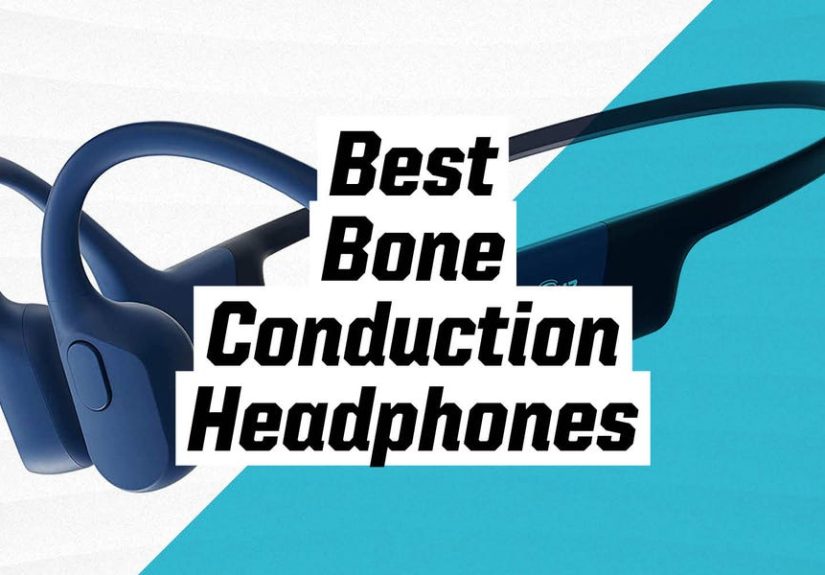
In 2022, bone conduction headphones were having a very specific kind of moment: not a flashy, celebrity-sunglasses moment, but a practical, “I’d like to hear my playlist and the speeding cyclist behind me” moment. That was the real appeal. Instead of sealing off your ear canal like traditional earbuds, bone conduction headphones sit near your cheekbones and send vibrations toward the inner ear, leaving your ears open to traffic, conversation, gym announcements, and other useful reminders that the world still exists.
That open-ear design made these headphones especially popular with runners, walkers, cyclists, remote workers, and swimmers. The catch? Bone conduction still came with compromises in 2022. Bass was lighter, audio wasn’t as full as a good pair of in-ear buds, and the best options were heavily concentrated in one brand: Shokz, formerly known as AfterShokz. Still, for safety, comfort, and all-day wear, the category had real strengths. Below is a fresh, original roundup of the eight standout bone conduction headphones that defined the space in 2022, plus how to choose the right pair without buying something that sounds like a motivational podcast trapped inside a lunchbox.
Why Bone Conduction Headphones Took Off in 2022
The short version is simple: awareness mattered. Open-ear listening let people stay more alert on roads, trails, and busy sidewalks, which made bone conduction headphones especially attractive for outdoor exercise. They were also handy for people who dislike the plugged-up feeling of silicone ear tips or who spend long workdays jumping between calls, chores, and movement. In 2022, most models in this category offered roughly six to eight hours of battery life, lightweight wraparound frames, and water resistance ranging from basic sweat protection to fully swim-safe designs.
But let’s keep it honest. Bone conduction headphones were never the “best sounding” headphones of 2022. They were the best compromise headphones for people who prioritized comfort and situational awareness over booming bass and cocoon-like isolation. If you wanted cinematic audio for a cross-country flight, these were not your soulmates. If you wanted to hear a podcast while jogging across town without accidentally stepping into traffic, now we were talking.
Quick Comparison: The Best Bone Conduction Headphones of 2022
| Model | Best For | Battery Life | Water Rating | Why It Stood Out in 2022 |
|---|---|---|---|---|
| Shokz OpenMove | Most people | Up to 6 hours | IP55 | Affordable, light, easy to recommend, and good enough for everyday workouts |
| Shokz Titanium | Budget shoppers | Up to 6 hours | IP55 | Simple, sturdy, and often cheaper than newer Shokz options |
| AfterShokz Air | Lightweight daily wear | Up to 6 hours | Sweat resistant | Comfortable, minimal, and still competitive despite aging hardware |
| AfterShokz Aeropex | Serious workouts | Up to 8 hours | IP67 | One of the strongest all-around sport models of the era |
| Shokz OpenSwim | Swimming | Up to 8 hours | IP68 | Made for the pool, with onboard MP3 storage instead of underwater Bluetooth dreams |
| Shokz OpenComm | Work calls | Up to 16 hours talk time | Water resistant | Boom mic plus open-ear comfort made it a standout office pick |
| Moing Bone Conduction Headphones | Flexible neckband fans | Up to 8.5 hours | IPX5 | Comfortable shape and solid value for casual users |
| YouthWhisper Bone Conduction Headphones | Kids | 6 to 8 hours | Basic splash resistance | Kid-friendly size and open-ear design for outdoor play |
The 8 Best Bone Conduction Headphones 2022
1. Shokz OpenMove Best Overall for Most People
If you wanted one bone conduction headphone recommendation in 2022 that didn’t require an awkward speech about your budget, your workout routine, and whether you planned to swim laps before breakfast, the Shokz OpenMove was the easiest answer. It hit the sweet spot between price and performance. You got an open-ear fit, Bluetooth connectivity, a lightweight titanium frame, around six hours of battery life, and enough sweat resistance for runs, gym sessions, and brisk walks where you pretend you’re “just thinking” but are actually mentally arguing with three people from work.
The OpenMove was not the most advanced model in the Shokz lineup, but that was part of the charm. It delivered the core bone conduction experience without premium pricing. Sound quality was solid for podcasts, calls, and upbeat playlists, even if the low end was still more polite than punchy. For first-time buyers in 2022, this was the safest recommendation because it captured what bone conduction was all about: open ears, reliable comfort, and fewer reasons to yank earbuds out every five minutes.
2. Shokz Titanium Best Affordable Bone Conduction Headphones
The Shokz Titanium was the model for people who said, “I just want something simple that works.” Fair enough. It was bulkier than some newer options, but it had a secure fit, a durable feel, and enough battery life to carry most workouts without drama. It also offered dual noise-canceling microphones for calls, which helped it punch above its price class.
In 2022, the Titanium still made sense for bargain hunters because bone conduction had not yet become a crowded market. If you found it at a discount, it was a low-risk way to test whether the category fit your lifestyle. The tradeoff was refinement. Compared with newer Shokz models, it looked and felt more old-school. But if you prioritized function over fancy, the Titanium remained a respectable budget pick.
3. AfterShokz Air Best Lightweight Pick for Everyday Comfort
The AfterShokz Air was one of those products that stuck around because it got the comfort formula right. It had a minimalist wraparound design, multipoint pairing, dependable connectivity, and a very easygoing fit for long listening sessions. For people working from home in 2022, it was especially appealing. You could take calls, hear a doorbell, chat with another person in the room, and avoid the ear fatigue that often comes with traditional buds.
The reason it didn’t dominate every ranking was age. By 2022, newer models had improved battery life, waterproofing, and sound leakage control. Even so, the Air still earned a spot because it was comfortable, lightweight, and versatile. Think of it as the dependable sedan of bone conduction headphones: not the newest thing in the driveway, but still very good at getting you where you need to go.
4. AfterShokz Aeropex Best for Heavy Workouts
If the OpenMove was the easy recommendation, the Aeropex was the aspirational one. This was the sport-focused model that runners and cyclists kept talking about for good reason. It was lighter than earlier Shokz designs, delivered up to eight hours of battery life, and brought an IP67 rating for better sweat and weather resistance. Translation: it could handle a real workout, not just a noble stroll around the block while holding an expensive water bottle.
The Aeropex also improved comfort and reduced vibration compared with older bone conduction models, which mattered more than spec sheets sometimes admit. Bone conduction headphones live or die by wearability, and the Aeropex felt dialed in. Audio quality still wasn’t going to embarrass premium earbuds, but for athletes who cared more about awareness, secure fit, and long battery life, this was one of the strongest choices of 2022.
5. Shokz OpenSwim Best Bone Conduction Headphones for Swimming
Bluetooth and water have a famously messy relationship, which is why the Shokz OpenSwim took a different path. Instead of pretending wireless streaming works beautifully underwater, it leaned into onboard MP3 storage. That made it one of the most practical swim headphones of 2022. You loaded your music directly onto the device, clipped into your routine, and got fully waterproof listening built for the pool.
With an IP68 rating, up to eight hours of playback, and enough storage for a large workout library, the OpenSwim carved out a very specific niche and absolutely owned it. This was not the model for commuters or office workers. It was the model for swimmers, triathletes, and anyone who wanted their laps accompanied by music instead of only internal monologues and aggressive splashing. If your main workout happened in water, the OpenSwim was the obvious standout.
6. Shokz OpenComm Best for Calls and Remote Work
The OpenComm answered a question many remote workers didn’t know they had in 2022: what if a work headset could keep your ears open, stay comfortable for hours, and still give you a proper boom microphone? That combination made it more office-friendly than most sport-first bone conduction models. The noise-canceling boom mic, long talk time, and fast charging all made it feel purpose-built for meetings, customer calls, dispatch work, and hybrid schedules.
It was not the best choice for someone who only wanted music playback during runs. But if calls were the priority, OpenComm had a real lane. It let you stay connected to your desk, your surroundings, and the human being trying to get your attention from six feet away while you were on your fourth video call of the day. For communication-heavy use, it was easily one of the smartest bone conduction buys in 2022.
7. Moing Bone Conduction Headphones Best With a Flexible Cord
Not everyone loves the firmer wraparound structure common in this category, which is exactly why the Moing model earned attention. Its thinner, more flexible neckband design felt less rigid and more forgiving during casual wear. It also offered respectable battery life, Bluetooth 5.0 support, a built-in microphone, and IPX5-level weather resistance.
The Moing pair was never the audiophile’s choice, and it didn’t have the polish or brand trust of Shokz. But 2022 shoppers looking for a lower-cost alternative had limited options, and this one at least brought a usable mix of comfort, flexibility, and decent battery performance. If your needs were modest and your budget had boundaries, Moing was a sensible supporting character in a Shokz-dominated genre.
8. YouthWhisper Bone Conduction Headphones Best for Kids
Bone conduction headphones make a lot of sense for kids because they skip the usual earbud problem: many children simply do not enjoy jamming adult-sized silicone tips into smaller ears. The YouthWhisper model was appealing in 2022 because it paired that open-ear safety advantage with a lightweight build, bright design, and enough battery life for biking, skating, or just backyard chaos with a soundtrack.
Of course, “for kids” did not magically make it perfect. Parents still needed to monitor volume and make sure the child actually understood what “pay attention to your surroundings” means in practice. But as a category fit, it worked. The open-ear approach was more comfortable, more awareness-friendly, and less fussy than standard buds, which gave this model a strong reason to exist beyond looking cute in product photos.
How to Choose the Right Bone Conduction Headphones
Think About Your Main Use Case First
If you mostly run or cycle outdoors, prioritize fit, water resistance, and battery life. If you swim, stop looking at standard Bluetooth sport models and go straight to a waterproof MP3 option like OpenSwim. If your day revolves around calls, choose a communication headset with a boom mic. Bone conduction headphones are a category where “best overall” matters less than “best for what you actually do.”
Understand the Sound Tradeoff
This is the big one. Bone conduction headphones are convenient and awareness-friendly, but they generally do not deliver the same rich bass or isolation as traditional in-ear headphones. Voices, podcasts, audiobooks, and workout playlists usually fare better than dense, bass-heavy music. If deep low end is your love language, bone conduction may feel more like a friendly acquaintance.
Match the Water Rating to Real Life
IP55 is fine for sweat and light splashes. IP67 is better for demanding workouts and wet weather. IP68 is the swim-ready territory. Buy accordingly. Purchasing a barely splash-resistant model for pool use is like wearing suede loafers to a water park: ambitious, memorable, and likely regrettable.
Who Should Buy Bone Conduction Headphones in 2022?
These headphones were ideal for runners, walkers, cyclists, hikers, remote workers, and swimmers who valued awareness and comfort more than total immersion. They also made sense for people who dislike the pressure of in-ear buds or want something easy to wear for long stretches without ear fatigue.
They were a weaker fit for frequent flyers, bass lovers, commuters on noisy trains, and anyone who wanted active noise cancellation or studio-style sound. Bone conduction headphones were never trying to be the king of hi-fi. Their superpower was practicality.
Real-World Experiences With Bone Conduction Headphones
Here’s what living with bone conduction headphones was actually like in 2022. The first surprise for most people was how quickly the open-ear design changed everyday routines. On a run, for example, you could still hear your music, but you also heard the dog barking behind a fence, the car easing out of a driveway, and the cyclist who absolutely believed the phrase “on your left” counted as a full legal defense. That extra awareness was the reason many users stuck with the category even when the sound quality wasn’t perfect.
Commuters had a similar experience. Bone conduction headphones were great for short walks, grocery runs, campus errands, and city sidewalks because they didn’t isolate you from the environment. You could listen to a podcast while still catching the crosswalk signal, a friend calling your name, or the fact that your coffee order was ready three minutes ago and everybody in the shop had already judged you. Traditional earbuds often felt more immersive, but bone conduction felt more practical. Less cinematic, more useful.
For office and work-from-home users, the category had an underrated perk: comfort over time. A lot of people discovered they could wear a model like the OpenComm or AfterShokz Air for hours without the ear fatigue that can come from rubber ear tips or over-ear clamping force. That mattered during long meeting days. You could hear your calls clearly, keep one ear on the household, and avoid that “please remove all technology from my head immediately” feeling that hits around hour three of a video marathon.
Fitness users often described a different kind of relationship with these headphones. They weren’t exciting in the same way bass-heavy earbuds were exciting. They didn’t make every treadmill session feel like the trailer for an action movie. What they did offer was consistency. They stayed put. They didn’t wiggle loose from sweaty ears. They didn’t need constant adjusting with grimy gym hands. They simply became part of the routine, which is the kind of boring compliment gear companies should frame and hang on the wall.
Swimmers had perhaps the most specialized experience of all. Using OpenSwim felt different from ordinary wireless listening because it relied on stored audio rather than streaming. That meant more prep ahead of time, but it also meant actual functionality in the pool. For lap swimmers, that tradeoff was worth it. Once in the water, having music or a training playlist during long sessions made the whole experience feel less repetitive and more focused.
There were annoyances too. In noisy streets or windy areas, outside sound could overpower your audio. Some users noticed facial vibration at higher volume. Others missed bass immediately. And if the fit shifted even a little, sound quality could change. But despite those quirks, bone conduction headphones built a loyal audience in 2022 because they solved real problems. They made outdoor exercise feel safer, long wear more comfortable, and open-ear listening genuinely convenient. No, they weren’t magical. But they were useful in ways traditional headphones often were not, and that’s exactly why the best models from 2022 still deserve attention.
Final Verdict
If you wanted the easiest recommendation in 2022, the Shokz OpenMove was the best all-around place to start. If you exercised hard and often, the AfterShokz Aeropex was the better athletic upgrade. If your office life involved endless calls, the OpenComm was the smart specialist. And if the pool was your happy place, OpenSwim was the clear winner. That was really the story of bone conduction headphones in 2022: not one perfect model for everyone, but several excellent niche tools that made open-ear listening far more practical than it used to be.
In other words, these weren’t headphones for disappearing from the world. They were headphones for staying in it, just with a better soundtrack.