Table of Contents >> Show >> Hide
A headboard is not just a background actor sitting quietly behind your pillows. It is the face of the bed, the frame of the room, and sometimes the reason your bedroom suddenly looks like a boutique hotel instead of a place where laundry goes to negotiate. Change the headboard shape, and you change the whole mood of the space.
That is why choosing the right headboard shape matters more than most people expect. A clean rectangular headboard can make a bedroom feel modern and calm. An arched headboard softens the room and adds elegance. A wingback headboard brings drama, comfort, and a little “I clearly have my life together” energy. Even subtle details like clipped corners or a curved top can shift the style from plain to polished.
This guide breaks down the most popular headboard shapes, explains what each one says about your style, and helps you choose the best option for your room size, ceiling height, bed size, and everyday habits. Whether you are decorating a primary bedroom, upgrading a guest room, or finally replacing that mysterious headboard from three apartments ago, this guide will help you make a smart and stylish decision.
Why Headboard Shapes Matter More Than You Think
When people shop for a headboard, they often start with fabric or color. That makes sense. Color is exciting. Fabric is tactile. Bouclé whispers luxury. Velvet shouts it. But shape is what sets the tone first. Before anyone notices the upholstery, they notice the silhouette.
The shape of a headboard affects three important things: visual balance, comfort, and personality. Visually, it helps determine whether the bed looks crisp and structured, soft and romantic, bold and dramatic, or airy and casual. Functionally, the shape can influence how comfortable it is to sit up and read, lean back with pillows, or anchor the bed against the wall. Stylistically, it tells the room what kind of story to tell. Modern and minimal? Traditional and tailored? Coastal and relaxed? Hotel-inspired and quietly expensive-looking? Shape does a lot of heavy lifting.
In smaller rooms, the right headboard shape can even make the space feel larger. In taller rooms, a bold or extended shape can help the bed hold its own visually. In short, the headboard is not just decoration. It is architecture in miniature.
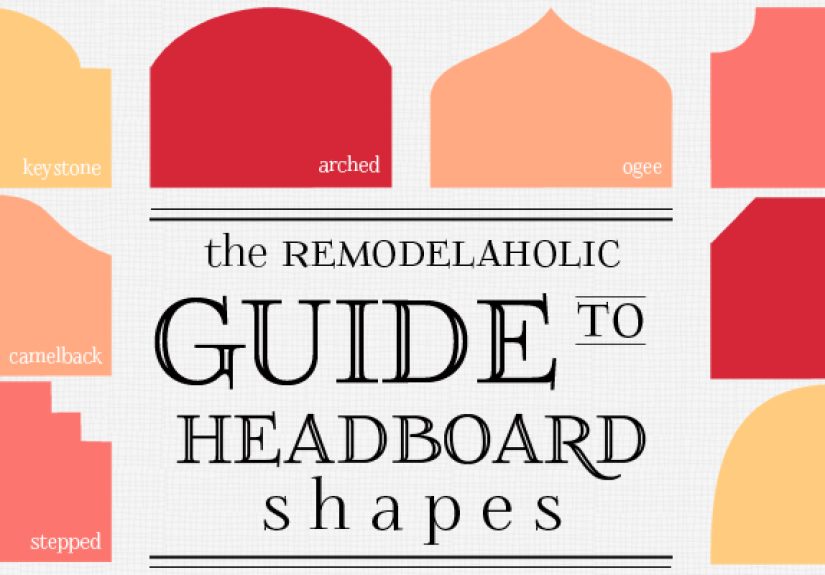
The Most Popular Headboard Shapes
1. Rectangular or Parsons Headboards
The rectangular headboard is the classic overachiever of bedroom design. It is simple, versatile, and works with almost everything. Sometimes called a Parsons-style headboard when it has a clean, tailored profile, this shape is defined by straight lines, squared corners, and a balanced, no-fuss silhouette.
This is the go-to shape for modern, transitional, minimalist, and contemporary bedrooms. It works especially well if your room already has clean-lined furniture, geometric lighting, or a streamlined color palette. If you want your bedding, art, or accent pillows to do the talking, a rectangular headboard gives them a calm stage.
It is also practical. Because the top is flat, it pairs neatly with wall art, sconces, and symmetrical styling. If you like a neat, organized look, this shape is your friend. It says, “I alphabetize my spice rack,” even if you absolutely do not.
2. Arched Headboards
An arched headboard has a rounded top that softens the strong horizontal line of the bed. It can be subtle and understated or dramatic and sculptural, depending on the height and curve. Either way, it brings a more graceful, elevated feel to the room.
This shape is perfect if your bedroom feels boxy or a little too rigid. The arch introduces movement and softness, which can make the room feel warmer and more welcoming. Arched headboards work beautifully in traditional, French-inspired, romantic, organic modern, and even eclectic spaces.
They also tend to photograph extremely well, which is not the most important thing in life, but it does not hurt when your bedroom suddenly starts looking suspiciously editorial. If you want a headboard shape that feels elegant without being fussy, the arch is a strong choice.
3. Camelback Headboards
The camelback headboard is like the arched headboard’s more formal cousin. Instead of one smooth curve, it usually has a higher center point with graceful slopes on either side. The result feels classic, tailored, and slightly more traditional.
This is a great shape for people who like timeless furniture with personality. Camelback headboards often appear in upholstered designs, sometimes with tufting, nailhead trim, or wood frames. They look especially good in traditional, transitional, vintage-inspired, and refined guest room designs.
If you want your bed to feel polished and established, not temporary and vaguely assembled at midnight, the camelback silhouette delivers.
4. Wingback or Shelter Headboards
Wingback headboards have sides that extend forward from the main panel. Shelter-style headboards are similar, though often more streamlined and wraparound in appearance. Both shapes create a cozy, enveloping effect that makes the bed feel like a destination rather than just a mattress with ambitions.
This shape is ideal if you read in bed, watch television, scroll your phone far longer than intended, or simply want the bed to feel more substantial. The “wings” visually frame the sleeping area and add depth, which can make the bed feel luxurious and grounded.
Wingback headboards work best when the room has enough width to let them breathe. In a very tight room, they can feel bulky. In a spacious room, though, they look dramatic, intentional, and wonderfully hotel-like. If your goal is comfort plus presence, this is one of the best headboard shapes you can choose.
5. Scalloped Headboards
Scalloped headboards feature a decorative top edge with rounded, wave-like curves. They can feel playful, feminine, vintage-inspired, or artsy depending on the upholstery and styling. This shape has personality from the moment it enters the room.
Scalloped designs are especially popular in guest rooms, children’s rooms, colorful bedrooms, and spaces that lean into charm over strict minimalism. If your room needs a focal point and you are tired of safe choices, a scalloped headboard can bring just the right amount of whimsy without turning the space into a costume party.
The trick is balance. Because the shape is decorative, keep surrounding furniture a little simpler so the headboard remains the star instead of fighting with every lamp, rug, and pillow for attention.
6. Clipped-Corner or Cut-Corner Headboards
This silhouette takes a rectangular headboard and refines it by cutting off the top corners. The effect is subtle but smart. It softens the shape without going fully rounded, which makes it a great middle ground for people who want clean lines with a little extra interest.
Clipped-corner headboards suit transitional and tailored interiors very well. They feel polished and thoughtful, especially in upholstered fabrics like linen, performance weave, or velvet. If you want something different from a plain rectangle but do not want a full arch or scallop, this is your quietly stylish compromise.
7. Extended or Wall-Spanning Headboards
An extended headboard goes beyond the width of the mattress and often stretches behind nightstands, across a large portion of the wall, or even the entire wall. This shape is less about a top silhouette and more about horizontal reach.
The result can be incredibly high-end. Extended headboards visually widen the room, unify the bed and side tables, and make the whole setup feel custom. They are especially effective in rooms where the bed wall needs more presence or where you want that serene, built-in luxury hotel look.
This style works best when scale is handled carefully. In a room with tall ceilings, a very low extended headboard can feel undersized. In a smaller room, however, a well-proportioned extended headboard can make the space feel calmer and more intentional.
8. Open-Frame, Slatted, or Spindle Headboards
These shapes are visually lighter because they do not rely on a solid upholstered or wood panel. Instead, they use vertical slats, spindles, metal bars, or open framing. The silhouette may still be straight, arched, or gently curved, but the overall effect is airy and less imposing.
This is a smart choice for small bedrooms, guest rooms, cottage-style spaces, farmhouse interiors, and anyone who wants texture without visual heaviness. Rattan, cane, wood slats, and metal frames all fall into this category and can bring an organic, breezy feel to the room.
If you worry that a large upholstered headboard will dominate the space, an open-frame design gives you the structure of a headboard with a lighter touch.
How to Choose the Right Headboard Shape for Your Bedroom
Consider Your Room Size
In a small bedroom, bulky shapes can overwhelm the floor plan. A slimmer rectangular headboard, a simple arch, or an open-frame design usually works best. If you want a bold look in a small room, an extended headboard can be surprisingly effective because it creates one unified focal wall instead of several competing pieces.
In larger rooms, taller and more dramatic shapes usually look better. Wingback, shelter, tall arched, and oversized rectangular designs help the bed feel proportional to the room. A tiny headboard in a large room can look like it got stage fright.
Think About Ceiling Height
Low ceilings generally benefit from shapes that feel lighter or visually upward-moving. A graceful arch can soften the top line without making the room feel chopped off. Tall ceilings can handle bolder shapes, especially taller rectangular, shelter, or extended designs.
Match the Shape to Your Style
For modern and minimalist bedrooms, choose rectangular, clipped-corner, or low-profile channel headboards. For traditional or classic rooms, camelback and arched shapes feel right at home. For cozy luxury, wingback and shelter headboards are hard to beat. For playful or decorative spaces, scalloped silhouettes add flair. For relaxed, coastal, or casual rooms, rattan, slatted, and open-frame shapes keep things breezy.
Do Not Ignore Comfort
If you sit up in bed often, upholstery matters almost as much as shape. A tall, padded headboard or an angled profile is much more comfortable than a thin wooden board when you are reading, working, or pretending to answer emails while actually shopping for throw blankets. Comfort should absolutely be part of the design conversation.
Material and Shape Work Together
Shape does not exist alone. The same silhouette can feel very different depending on material. A rectangular headboard in linen feels relaxed and tailored. The same shape in leather feels sharper and more masculine. A curved headboard in velvet feels glamorous. In cane or rattan, that curve feels softer and more casual.
Upholstered headboards are excellent for comfort and softness, but they require a little more maintenance. Wood is timeless and durable. Metal brings line and contrast. Natural woven materials add texture and warmth. When choosing headboard shapes, always picture the material at the same time, because shape sets the form, but material sets the mood.
Common Mistakes to Avoid
The first mistake is choosing a shape that fights with the room. A heavily winged headboard in a tiny room can feel crowded. A delicate low-profile headboard in a large room may disappear. The second mistake is ignoring scale. Your headboard should fit the mattress correctly and feel proportionate to nearby nightstands, lamps, and wall height.
The third mistake is focusing only on trends. Trendy is fun, but bedrooms should still feel restful and personal. If you genuinely love a scalloped or arched shape, great. If you only like it because it is everywhere online this month, pause. Your bed is a long-term relationship, not a rebound purchase.
Final Thoughts
The best headboard shapes are not simply the ones that look pretty in a showroom. They are the ones that suit your room, support your habits, and make your bed feel like the centerpiece it should be. A rectangular headboard offers clean versatility. An arched or camelback silhouette brings softness and classic appeal. Wingback and shelter styles add comfort and drama. Scalloped and clipped-corner designs give you character. Extended headboards create custom polish. Open-frame shapes keep things light and relaxed.
If you remember one thing, let it be this: choose the silhouette before you obsess over the fabric swatch. Shape is the design decision that sets everything else in motion. Get that right, and the rest of the room starts falling into place like it had the plan all along.
Real-Life Experiences With Headboard Shapes
One of the most common experiences people have with headboard shapes is realizing that a bed can completely change the feel of a room faster than almost any other furniture swap. Someone may spend months changing lamps, rugs, and bedding, only to replace a plain metal frame with an upholstered arched headboard and suddenly think, “Oh. So this is what my bedroom was trying to become.” It happens all the time. Shape creates instant identity.
In small apartments, many people are surprised by how much a simple rectangular or clipped-corner headboard helps the room feel organized. The bed stops looking temporary and starts feeling intentional. Even renters who cannot do a full renovation often say that adding a clean, tailored headboard makes the whole bedroom feel more finished. It is one of those design upgrades that looks bigger than the effort involved.
Families often have a different experience. In guest rooms, they may pick a camelback or soft arched shape because it feels welcoming and classic. In teen rooms, a scalloped or curved headboard tends to add personality without requiring a full room makeover. Parents also notice that padded upholstered shapes are much friendlier when kids want to lean back and read. A sharp wood edge may look nice, but a soft upholstered profile wins quickly in everyday life.
People who love to read in bed almost always become fans of taller upholstered headboards, especially wingback and shelter styles. At first, they choose them because they look elegant. Later, they become loyal because they are comfortable. The extra support on the sides, the cushioned back, and the sense of enclosure make a real difference during long evenings with a book, tablet, or late-night streaming session that was supposed to be “just one episode.”
Another common experience shows up in larger bedrooms. Homeowners often discover that standard headboards can feel oddly undersized once the room has tall ceilings or wide walls. That is where extended headboards shine. People install them expecting style, but what they often love most is the calm. The bed, nightstands, and lighting suddenly read as one composed unit. The room feels less like separate pieces of furniture and more like a designed space.
Then there is the emotional side. A headboard shape often reflects how people want to feel in the room. Straight lines can feel focused and peaceful. Curves feel soft and comforting. Wings feel private and secure. Decorative edges feel expressive and personal. That is why choosing a headboard shape often ends up being less about rules and more about recognition. The right one just feels like you.