Table of Contents >> Show >> Hide
- Why This Traditional Pumpkin Pie Recipe Works
- Traditional Pumpkin Pie Ingredients
- Canned Pumpkin vs. Pumpkin Pie Filling
- How to Make Traditional Pumpkin Pie
- Tips for the Best Pumpkin Pie
- Homemade Crust or Store-Bought Crust?
- Can You Make Pumpkin Pie Ahead of Time?
- How to Store Pumpkin Pie
- Can You Freeze Pumpkin Pie?
- Common Pumpkin Pie Mistakes
- Traditional Pumpkin Pie Variations
- What to Serve with Pumpkin Pie
- Traditional Pumpkin Pie Recipe Card
- Experience Notes: What Making Traditional Pumpkin Pie Teaches You
- Conclusion
Some desserts walk into the room quietly. Pumpkin pie does not. It arrives wearing a cozy sweater, smelling like cinnamon, and somehow convincing everyone that one more slice is a responsible life choice. A traditional pumpkin pie recipe is more than a holiday dessert; it is the unofficial edible flag of fall in America.
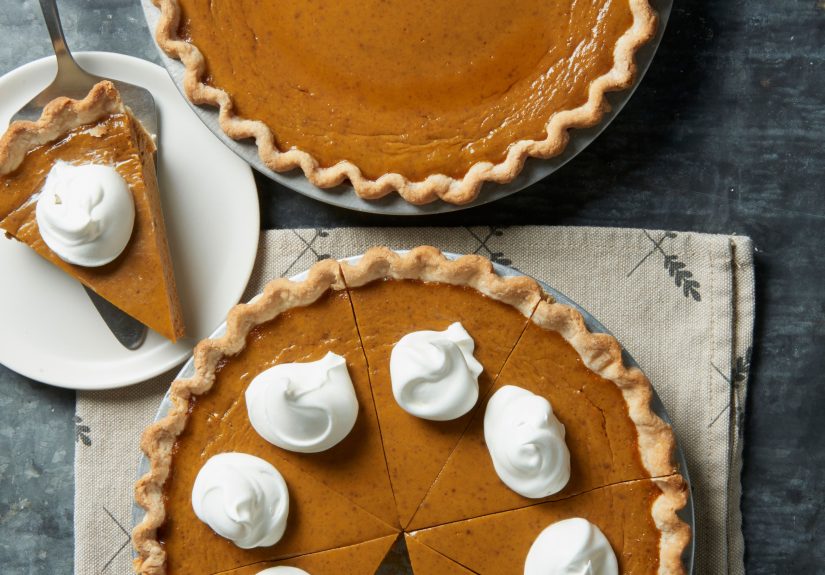
This classic pie is built on simple ingredients: pumpkin puree, eggs, sugar, evaporated milk, warm spices, and a flaky pie crust. Nothing flashy. Nothing fussy. Just a silky, custard-like filling inside a buttery crust that says, “Yes, Thanksgiving dinner was huge, but dessert is a separate department.”
The beauty of traditional pumpkin pie is that it is friendly to beginners and still respected by serious bakers. You do not need a culinary degree, a marble countertop, or a whisk with a dramatic backstory. You need a good recipe, a steady oven, and enough patience to let the pie cool before slicing. That last part is the true test of character.
Why This Traditional Pumpkin Pie Recipe Works
A great pumpkin pie should taste rich but not heavy, sweet but not candy-like, spiced but not bossy. The filling should be smooth, creamy, and firm enough to slice cleanly. The crust should be tender and slightly crisp, not pale and soggy like it gave up halfway through baking.
This recipe follows the classic American method: start the pie in a hot oven to help set the crust, then lower the temperature so the custard filling bakes gently. That two-temperature approach helps the crust structure form while keeping the pumpkin filling creamy instead of cracked, rubbery, or overcooked.
The filling uses canned pumpkin puree, which is reliable, flavorful, and easy to find. Fresh pumpkin can be lovely, but canned pumpkin gives consistent moisture and texture. For a traditional pumpkin pie, consistency is your friend. Holiday baking already has enough drama. Nobody needs a watery pumpkin situation at 7 p.m.
Traditional Pumpkin Pie Ingredients
This recipe makes one 9-inch pumpkin pie, serving 8 slices.
For the Pie Crust
- 1 unbaked 9-inch deep-dish pie crust, homemade or store-bought
- 1 tablespoon flour, for dusting if rolling homemade dough
For the Pumpkin Filling
- 1 can pumpkin puree, 15 ounces
- 3/4 cup granulated sugar
- 1/2 teaspoon fine salt
- 1 teaspoon ground cinnamon
- 1/2 teaspoon ground ginger
- 1/4 teaspoon ground cloves
- 1/4 teaspoon ground nutmeg
- 2 large eggs, room temperature if possible
- 1 can evaporated milk, 12 fluid ounces
- 1 teaspoon vanilla extract, optional but recommended
For Serving
- Whipped cream
- A light dusting of cinnamon
- Vanilla ice cream, if your dessert philosophy is “more is more”
Canned Pumpkin vs. Pumpkin Pie Filling
For this classic pumpkin pie recipe, use plain canned pumpkin puree, not canned pumpkin pie filling. The two cans may look similar on the grocery shelf, which is exactly how holiday baking mischief begins.
Pumpkin puree contains cooked, pureed pumpkin or squash with no added sugar or spices. It lets you control the sweetness and seasoning. Pumpkin pie filling, on the other hand, already contains sweeteners and spices. If you use it in this recipe, the pie can become overly sweet and strangely seasoned, like cinnamon grabbed the steering wheel.
Check the label carefully. You want “100% pumpkin” or “pumpkin puree.” That small detail makes a big difference in flavor, texture, and recipe balance.
How to Make Traditional Pumpkin Pie
Step 1: Prepare the Oven and Crust
Preheat the oven to 425°F. Place the oven rack in the lower third of the oven. This position helps the bottom crust bake more thoroughly and reduces the risk of a pale, soft base.
Fit the pie crust into a 9-inch pie plate. Trim the overhang if needed, then crimp the edges with your fingers or a fork. If the crust feels warm or soft, refrigerate it for 15 minutes before filling. Cold dough holds its shape better and bakes with a flakier texture.
Step 2: Mix the Dry Ingredients
In a small bowl, stir together the sugar, salt, cinnamon, ginger, cloves, and nutmeg. Mixing the spices with the sugar first helps distribute them evenly in the filling. Nobody wants one slice that tastes like autumn and another that tastes like plain squash pudding.
Step 3: Beat the Eggs
In a large mixing bowl, lightly beat the eggs until blended. You do not need to whip them into a foam. Pumpkin pie is a custard, not a balloon animal. Gentle mixing gives the filling a smooth texture.
Step 4: Add Pumpkin and Spices
Add the pumpkin puree to the eggs and whisk until smooth. Stir in the sugar-spice mixture. Add the vanilla extract if using. The vanilla is not strictly traditional in every version, but it rounds out the spices and gives the pie a warmer bakery-style flavor.
Step 5: Stir in Evaporated Milk
Gradually whisk in the evaporated milk until the filling is fully combined. The mixture will look thin, and that is normal. Pumpkin pie filling thickens as the eggs set in the oven.
Step 6: Fill the Pie Crust
Place the pie plate on a baking sheet. This makes the pie easier to move and catches any accidental spills. Pour the pumpkin filling into the unbaked crust. Fill it close to the top, but do not overfill. A sloshing pumpkin pie on the way to the oven is a small domestic emergency.
Step 7: Bake at Two Temperatures
Bake the pie at 425°F for 15 minutes. Then, without removing the pie, reduce the oven temperature to 350°F and continue baking for 40 to 50 minutes, or until the edges are set and the center still has a slight jiggle.
The pie is done when a knife inserted about 1 inch from the center comes out mostly clean, or when the center wobbles gently rather than rippling like liquid. The filling will continue to set as it cools, so avoid baking until the center is completely firm. Overbaking is the main reason pumpkin pie cracks.
Step 8: Cool Completely
Transfer the pie to a wire rack and let it cool for at least 2 hours. This cooling time allows the custard to finish setting. Slice too early, and the filling may slump. It will still taste good, but it will look less like pie and more like a delicious pumpkin landslide.
Step 9: Chill or Serve
Once cooled, serve the pie at room temperature or refrigerate it until ready to serve. Pumpkin pie contains eggs and dairy, so it should not sit at room temperature for long periods. For best quality, cover leftovers and store them in the refrigerator.
Tips for the Best Pumpkin Pie
Use Fresh Spices
Ground spices lose power over time. If your cinnamon has been in the pantry since a phone with buttons was considered modern, it may be time to replace it. Fresh cinnamon, ginger, nutmeg, and cloves give pumpkin pie its signature warm flavor.
Do Not Overmix the Filling
Whisk until smooth, but do not beat aggressively. Too much air in the filling can cause puffing in the oven and cracking as the pie cools. Pumpkin pie likes gentle treatment. Think calm custard, not gym class.
Protect the Crust Edges
If the crust edges brown too quickly, cover them with strips of foil or a pie shield during the second half of baking. This keeps the crust golden instead of deeply toasted. There is a fine line between rustic and “we should open a window.”
Let the Pie Cool Before Slicing
This is not just a polite suggestion. Cooling is part of the recipe. Pumpkin pie filling continues to firm up after it leaves the oven. A properly cooled pie slices cleaner, tastes creamier, and does not collapse under whipped cream like it has lost the will to continue.
Homemade Crust or Store-Bought Crust?
A homemade crust gives this traditional pumpkin pie recipe a buttery, flaky foundation. If you enjoy making pie dough, go for it. A simple all-butter crust or butter-shortening blend works beautifully.
That said, store-bought crust is absolutely acceptable. Many classic pumpkin pies in American homes have been made with canned pumpkin and a ready-made crust for generations. The real goal is a pie that tastes good and gets people to the table. Nobody at Thanksgiving should be judging your crust credentials unless they are also doing the dishes.
If using a frozen crust, follow the package directions. Some frozen crusts can be filled and baked directly, while others benefit from a short thaw. A deep-dish crust is best because pumpkin filling needs room.
Can You Make Pumpkin Pie Ahead of Time?
Yes, pumpkin pie is an excellent make-ahead dessert. In fact, it often tastes better after several hours in the refrigerator because the spices have time to settle into the filling.
You can bake the pie one day before serving. Cool it completely, cover it loosely, and refrigerate. Before serving, let it sit at room temperature for about 20 to 30 minutes if you prefer a softer texture. Add whipped cream just before serving so it stays fluffy and attractive.
How to Store Pumpkin Pie
Because pumpkin pie is made with eggs and dairy, store it in the refrigerator after it has cooled. Cover it with plastic wrap, foil, or an airtight pie container. It is best enjoyed within 3 to 4 days.
For clean slices, chill the pie first and use a sharp knife. Wipe the knife between slices if you want neat edges. This small step makes the pie look bakery-worthy, even if your kitchen currently looks like cinnamon sneezed everywhere.
Can You Freeze Pumpkin Pie?
You can freeze pumpkin pie, though the texture may change slightly after thawing. Custard pies can become a little watery or separated if not wrapped well. For best results, cool the pie completely, wrap it tightly in plastic wrap and foil, then freeze it for up to one month.
Thaw the pie overnight in the refrigerator. If moisture appears on the surface, gently blot it with a paper towel before serving. Add whipped cream after thawing, not before freezing.
Common Pumpkin Pie Mistakes
Mistake 1: Using Pumpkin Pie Filling Instead of Pumpkin Puree
This is the classic grocery-store trap. Pumpkin pie filling already includes sugar and spices, which throws off the recipe. Use plain pumpkin puree for better control and traditional flavor.
Mistake 2: Overbaking the Pie
A fully firm center in the oven usually means an overbaked pie later. Pull the pie when the center still jiggles slightly. The filling will finish setting as it cools.
Mistake 3: Cutting the Pie Too Soon
Warm pumpkin pie smells irresistible, but slicing too early leads to a loose filling. Give it at least 2 hours to cool. Your patience will be rewarded with cleaner slices and better texture.
Mistake 4: Forgetting the Salt
Salt does not make pumpkin pie taste salty. It balances the sweetness and sharpens the spices. Without it, the filling can taste flat, like it is wearing socks with sandals.
Traditional Pumpkin Pie Variations
Once you master the classic version, small variations can make the pie feel personal without wandering too far from tradition.
Brown Sugar Pumpkin Pie
Replace half or all of the granulated sugar with packed light brown sugar. This adds a gentle molasses flavor and deeper color.
Maple Pumpkin Pie
Replace 1/4 cup of the sugar with pure maple syrup. Reduce the evaporated milk by 2 tablespoons to keep the filling balanced.
Extra-Spiced Pumpkin Pie
Add a pinch of allspice or cardamom for a more aromatic flavor. Use a light hand. Pumpkin pie should taste cozy, not like a spice cabinet fell into it.
Creamier Pumpkin Pie
For a richer filling, replace 1/2 cup of evaporated milk with heavy cream. The result is slightly silkier and more indulgent.
What to Serve with Pumpkin Pie
Whipped cream is the classic choice because it adds lightness to the dense, creamy filling. You can use plain whipped cream or sweeten it with powdered sugar and vanilla. A tiny pinch of cinnamon gives it a festive touch.
Vanilla ice cream is another excellent option, especially if the pie is served slightly warm. For a holiday dessert table, pumpkin pie pairs beautifully with pecan pie, apple crisp, cranberry sauce, coffee, black tea, or hot cider.
Traditional Pumpkin Pie Recipe Card
Ingredients
- 1 unbaked 9-inch deep-dish pie crust
- 1 can pumpkin puree, 15 ounces
- 3/4 cup granulated sugar
- 1/2 teaspoon fine salt
- 1 teaspoon ground cinnamon
- 1/2 teaspoon ground ginger
- 1/4 teaspoon ground cloves
- 1/4 teaspoon ground nutmeg
- 2 large eggs
- 1 can evaporated milk, 12 fluid ounces
- 1 teaspoon vanilla extract, optional
Instructions
- Preheat oven to 425°F. Place the rack in the lower third of the oven.
- Fit the pie crust into a 9-inch pie plate and crimp the edges.
- In a small bowl, mix sugar, salt, cinnamon, ginger, cloves, and nutmeg.
- In a large bowl, lightly beat the eggs.
- Add pumpkin puree and the spice mixture to the eggs. Whisk until smooth.
- Gradually stir in evaporated milk and vanilla extract.
- Pour filling into the unbaked pie crust.
- Bake at 425°F for 15 minutes.
- Reduce oven temperature to 350°F and bake for 40 to 50 minutes, until edges are set and the center jiggles slightly.
- Cool on a wire rack for at least 2 hours before slicing.
- Serve with whipped cream and refrigerate leftovers.
Experience Notes: What Making Traditional Pumpkin Pie Teaches You
Making a traditional pumpkin pie is one of those kitchen experiences that looks simple from across the room and then quietly teaches you ten things about baking. The first lesson is that pie crust has moods. Some days it rolls out like a dream. Other days it cracks at the edges and behaves like it has personal objections. The trick is not to panic. Patch small cracks with extra dough, keep the crust cool, and remember that crimped edges can hide many tiny baking secrets.
The second lesson is that pumpkin pie filling is forgiving, but only to a point. It does not ask for complicated technique. You whisk, pour, and bake. But it does ask you to respect the custard. Eggs are what help the filling set, and they prefer gentle heat. When the pie bakes too long, the filling tightens and may crack. When it bakes too little, the center stays loose. The perfect moment is somewhere in between, when the edges are steady and the middle gives a soft wobble. It may feel risky the first time, but that gentle jiggle is a good sign.
Another useful experience is learning how much spices matter. Cinnamon gives warmth, ginger adds brightness, cloves bring depth, and nutmeg adds that old-fashioned bakery aroma. But spices can easily overpower pumpkin. A traditional pumpkin pie should taste like pumpkin first, with spices supporting it like a friendly backup band. If the spices are too strong, the pie can taste sharp. If they are too weak, it tastes plain. Balance is everything.
Serving pumpkin pie also teaches patience. The pie smells incredible when it comes out of the oven, and every instinct says, “Cut it now.” Do not listen to that instinct. That instinct is not your friend. Cooling lets the filling firm up, the flavors settle, and the crust relax into its final texture. A cooled pie slices beautifully and tastes smoother. A hot pie may be delicious, but it will probably slide around the plate like it is trying to escape.
One practical tip from experience: make pumpkin pie the day before a holiday meal. It reduces stress, clears oven space, and gives the dessert time to develop flavor. On serving day, all you need to do is whip the cream and admire your own planning skills. This is especially helpful when the oven is already occupied by turkey, casseroles, rolls, or someone’s mysterious side dish that requires “just ten more minutes” for the third time.
Finally, pumpkin pie reminds you that traditional recipes last for a reason. They are not trendy, loud, or complicated. They work because they deliver comfort with ordinary ingredients. A good traditional pumpkin pie tastes like fall, family gatherings, chilly evenings, and second helpings. It is humble, dependable, and somehow always welcome, even after the biggest meal of the year. That is the quiet magic of this dessert: it does not need to reinvent itself. It just needs a flaky crust, a creamy filling, and someone willing to pass the whipped cream.
Conclusion
A traditional pumpkin pie recipe is proof that simple baking can still feel special. With canned pumpkin puree, evaporated milk, eggs, sugar, warm spices, and a classic pie crust, you can create a dessert that belongs on every fall table. The key is balance: fresh spices, gentle mixing, careful baking, and enough cooling time for the filling to set properly.
Whether you serve it for Thanksgiving, a fall dinner, or a random Tuesday when your soul requests cinnamon, this homemade pumpkin pie delivers the cozy flavor people expect from a true American classic. Add whipped cream, slice generously, and enjoy the kind of dessert that never needs a flashy introduction.