Table of Contents >> Show >> Hide
- What Are Vintage Tyrolean Chairs?
- The Alpine Origins: Where Craft Met Daily Life
- Key Features of Authentic Vintage Tyrolean Chairs
- Why Vintage Tyrolean Chairs Are Trending Again
- How to Style Vintage Tyrolean Chairs in an American Home
- Buying Guide: What to Check Before You Purchase
- Common Types of Vintage Tyrolean Chairs
- Care and Restoration Tips
- Decorating Mistakes to Avoid
- Experiences With Vintage Tyrolean Chairs
- Conclusion: Why Vintage Tyrolean Chairs Still Matter
Vintage Tyrolean chairs are the furniture equivalent of a mountain lodge winking at you. They are rustic but not rough, decorative but not fussy, and charming enough to make a plain dining corner look as if it has been secretly vacationing in the Alps. With carved backs, heart-shaped cutouts, scalloped edges, painted flowers, sturdy wooden seats, and a personality that modern flat-pack furniture can only admire from a distance, these Alpine chairs have become a favorite among collectors, decorators, antique hunters, and anyone who thinks a chair should do more than simply prevent you from falling to the floor.
Rooted in the traditional furniture of the Tyrol region, which spans parts of Austria, northern Italy, and surrounding Alpine areas, Tyrolean chairs are often associated with farmhouse kitchens, mountain chalets, village inns, and hand-painted folk interiors. Today, they are popping up in American homes as statement dining chairs, bedroom accent chairs, entryway pieces, and even playful companions to modern tables. The appeal is easy to understand: a vintage Tyrolean chair brings history, warmth, craftsmanship, and just enough whimsy to keep a room from taking itself too seriously.
What Are Vintage Tyrolean Chairs?
Vintage Tyrolean chairs are traditional Alpine wooden chairs inspired by the folk furniture of the Tyrol and nearby mountain regions. They are commonly made from pine, fir, beech, oak, walnut, or other solid woods, and many feature carved or shaped backs with motifs such as hearts, edelweiss flowers, animals, scrolling vines, shields, and geometric patterns.
The most recognizable version is the heart-back Alpine chair, sometimes called a Swiss mountain chair, peasant chair, farmhouse chair, or chalet chair. Its backrest usually includes a heart-shaped cutout, a decorative silhouette, or hand-carved folk details. Some are left in natural wood, while others are painted in cheerful colors with floral patterns. If a chair could yodel politely, this would be the one.
The Alpine Origins: Where Craft Met Daily Life
Tyrolean furniture was never meant to be merely decorative. In mountain households, furniture had to work hard. Winters were long, materials were local, and craftsmanship was practical by necessity. Rural makers used available woods and traditional joinery to create chairs, tables, chests, benches, and cupboards that could survive daily use, cold rooms, muddy boots, family meals, and possibly one uncle who always sat down with too much enthusiasm.
Decorative painting, often called Bauernmalerei, or peasant painting, became a defining feature of Alpine folk furniture. Painted wardrobes, chests, and chairs often carried floral bouquets, religious symbols, hearts, birds, dates, initials, and local motifs. These decorations were not random doodles. They reflected regional identity, family pride, religious life, and the natural beauty of the mountains.
Why Hearts, Flowers, and Cutouts Matter
The heart cutout is perhaps the most beloved detail in vintage Tyrolean chairs. It adds lightness to the backrest, makes the chair instantly recognizable, and gives the piece a friendly visual signature. In Alpine interiors, hearts and flowers were not just cute decoration. They were part of a broader folk vocabulary connected to home, affection, hospitality, nature, and protection.
Floral painting, especially roses, tulips, edelweiss-like blossoms, and stylized bouquets, helped bring color indoors during harsh winters. A painted chair was a small celebration of spring, even when the view outside looked like a snow globe with commitment issues.
Key Features of Authentic Vintage Tyrolean Chairs
While styles vary by region and period, most vintage Tyrolean chairs share a few recognizable traits. Understanding these details helps buyers distinguish a charming Alpine original from a newer reproduction or a chair that is simply wearing a rustic costume.
1. Solid Wood Construction
Traditional Tyrolean chairs are usually made from solid wood. Pine and fir were common in Alpine regions because they were accessible and workable, while oak, walnut, beech, and fruitwoods may appear in more elaborate or later examples. A good chair should feel sturdy, not suspiciously featherweight. If it wobbles like it has had three mugs of mulled wine, inspect it carefully.
2. Carved or Shaped Backrests
The backrest is the star of the show. Look for heart cutouts, scalloped tops, shield shapes, pierced motifs, floral carving, animal forms, or regional symbols. Some chairs have flat backs with decorative painting, while others are deeply carved and sculptural.
3. Splayed Legs and Thick Seats
Many Alpine chairs feature angled or splayed legs that add stability on uneven farmhouse floors. Seats are often thick, solid, and shaped for comfort. Some are trapezoid, round, or octagonal, giving the chair a distinctive silhouette from every angle.
4. Visible Patina
Patina is the natural surface aging that comes from years of use. On vintage Tyrolean chairs, this may appear as softened edges, worn paint, darker wood around hand-contact areas, small dents, and mellowed finishes. Good patina looks earned. Fake distressing often looks too even, like the chair spent a weekend at a “rustic makeover retreat.”
5. Hand-Painted Folk Decoration
Painted Tyrolean chairs may include floral garlands, scrolling borders, names, dates, initials, religious marks, or village-inspired ornament. Hand-painted decoration often has charming irregularities. Slightly uneven brushwork is not a flaw; it is evidence of a human hand, which is exactly the point.
Why Vintage Tyrolean Chairs Are Trending Again
The renewed interest in vintage Tyrolean chairs fits into several larger design movements. Homeowners are embracing folk art, natural materials, cottage-inspired interiors, chalet style, and vintage furniture with personality. After years of minimalist rooms that looked as if they were afraid of crumbs, people are inviting warmth back into their homes.
Alpine interiors also feel timeless because they balance function and fantasy. A Tyrolean chair can look right beside a farmhouse table, under a modern pendant light, in a breakfast nook, beside a fireplace, or tucked into a bedroom corner with a wool throw. It has enough visual interest to stand alone but enough simplicity to join a set.
The Anti-Boring Chair
Modern interiors often need one piece that breaks the predictable rhythm. A vintage Tyrolean chair does exactly that. It adds texture, history, and a little storybook energy without turning the room into a theme restaurant called “Grandpa’s Ski Hut.” Used thoughtfully, it feels collected, not costume-like.
How to Style Vintage Tyrolean Chairs in an American Home
You do not need a chalet, a cowbell, or a dramatic mountain view to decorate with Tyrolean chairs. They work surprisingly well in modern American homes, especially when mixed with clean lines and natural textures.
Use One as an Accent Chair
A single vintage Tyrolean chair can brighten an entryway, bedroom, reading corner, or bathroom vanity area. Place it near a woven basket, a small vintage rug, or a wall hook with a linen tote. Suddenly, the corner looks intentional instead of like a chair was temporarily abandoned there in 2019.
Mix Them Around a Dining Table
A full set of matching Tyrolean dining chairs creates a strong Alpine farmhouse look. For a more relaxed style, mix two Tyrolean chairs with simpler wooden chairs or a bench. The contrast keeps the room from feeling too themed and gives the table a collected-over-time atmosphere.
Pair With Modern Furniture
Tyrolean chairs look especially fresh when paired with modern pieces. Try them with a sleek white table, a black metal lamp, a contemporary gallery wall, or a minimalist sideboard. The folk shape softens modern design, while the modern pieces keep the chair from looking like it wandered in from a historical reenactment.
Lean Into Chalet Texture
For a cozier look, style vintage Tyrolean chairs with wool, stone, linen, aged brass, terracotta, checked fabric, sheepskin, and warm wood. The goal is tactile comfort. Think “after-ski cocoa,” not “taxidermy convention.”
Buying Guide: What to Check Before You Purchase
Because vintage Tyrolean chairs are increasingly popular, buyers should inspect condition, authenticity, and practicality before committing. A chair can be beautiful and still be a terrible roommate.
Check Structural Stability
Sit gently if possible. Check for wobbling, loose legs, split seats, cracked backs, and old repairs. A little movement may be fixable, but severe instability can require professional restoration. Look underneath the seat for evidence of reinforcement, screws, glue, or replacement parts.
Inspect the Finish
Original paint and finish can increase charm and value, especially when the wear is natural. Repainted chairs are not necessarily bad, but they should be priced accordingly. If the surface looks too perfect, too glossy, or suspiciously “farmhouse fresh,” it may be newer or heavily refinished.
Look for Handwork
Small irregularities in carving, cutouts, and painted details can indicate handcraft. Perfectly uniform shapes may suggest machine production. That does not automatically make a chair unattractive, but it matters if you are paying antique prices.
Ask About Provenance
Provenance means the known history of the piece: where it came from, when it was made, who owned it, and whether a dealer can support those claims. Not every vintage chair will have a dramatic biography, but a reputable seller should provide clear photos, measurements, condition notes, and honest dating estimates.
Measure Carefully
Vintage chairs may not follow modern standard dimensions. Check seat height, overall height, width, and depth. If you are buying dining chairs, make sure they fit under your table and leave enough elbow room. Alpine charm is wonderful; bruised knees are less charming.
Common Types of Vintage Tyrolean Chairs
Natural Wood Alpine Chairs
These chairs highlight the grain, carving, and silhouette. They are easy to integrate into modern interiors and are ideal for people who want rustic warmth without bright folk colors.
Painted Tyrolean Folk Chairs
Painted versions are more decorative and expressive. They may feature flowers, dates, names, religious details, or village motifs. These chairs make excellent accent pieces and can bring color to neutral rooms.
Heart-Back Chairs
Heart-back chairs are among the most recognizable Alpine styles. Their cutout backs feel friendly, romantic, and slightly mischievous. They are especially popular in kitchens, breakfast nooks, and cottage-style interiors.
Brutalist or Mid-Century Alpine Chairs
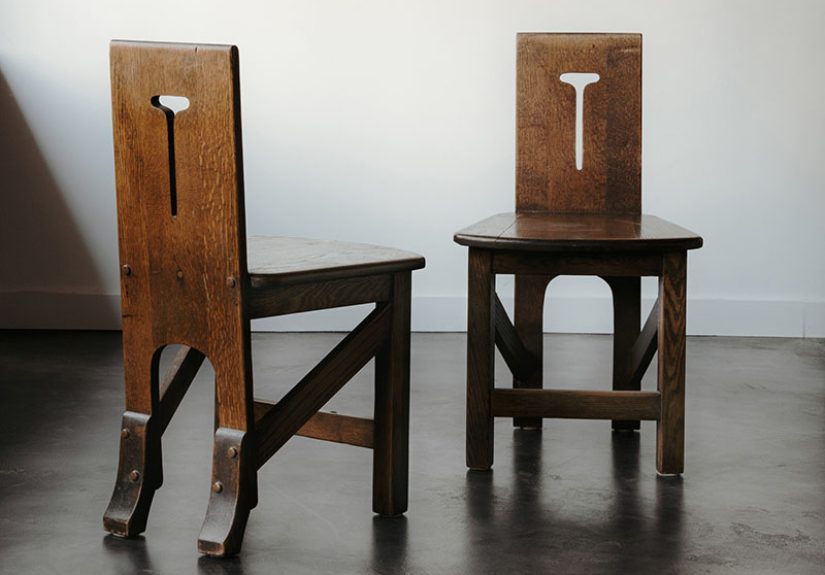
Some mid-century interpretations of Tyrolean and Swiss mountain chairs are heavier, darker, and more sculptural. They may have bold carving, chunky legs, and a more modernist presence. These work beautifully in interiors that mix rustic and contemporary design.
Care and Restoration Tips
Vintage Tyrolean chairs are usually sturdy, but they still deserve respectful care. Dust them with a soft cloth, avoid harsh chemical cleaners, and keep them away from extreme humidity or direct heat. Wood expands and contracts, and antique joints do not appreciate being roasted beside a radiator like a marshmallow.
If a chair has original paint, do not scrub aggressively. Flaking paint should be stabilized by a professional if the piece is valuable. For natural wood chairs, a conservator or experienced furniture restorer can advise whether waxing, cleaning, or minor repair is appropriate.
When to Restore and When to Leave It Alone
Restoration should improve function without erasing history. Tightening joints, repairing cracks, and cleaning grime are reasonable. Sanding away original paint, replacing handmade details, or applying a thick modern finish can reduce character and value. In vintage furniture, “better than new” is not always better. Sometimes “beautifully old” is the whole point.
Decorating Mistakes to Avoid
The biggest mistake is over-theming. A room full of antlers, plaid, faux snow, and Tyrolean chairs can quickly look like a ski-lodge gift shop after too much coffee. Instead, choose contrast. Let the chair be the folk-art moment, then balance it with simple textiles, clean walls, modern lighting, or understated ceramics.
Another mistake is ignoring comfort. Some vintage chairs are wonderfully sculptural but not ideal for three-hour dinner parties. If you plan to use them daily, test the seat height and back angle. Add a thin cushion if needed, but avoid covering the carved back that makes the chair special.
Experiences With Vintage Tyrolean Chairs
Living with vintage Tyrolean chairs is different from simply owning chairs. They behave less like background furniture and more like quiet characters in a room. A plain side chair may hold a jacket. A Tyrolean chair holds a jacket and somehow makes the jacket look like it has a weekend cabin.
One of the best experiences with these chairs is watching how guests respond to them. People often notice the heart cutout first, then the carving, then the wear on the wood. They ask where the chair came from. They run a hand along the backrest. They lean closer to inspect the painted flowers or the old repair under the seat. In a world where many pieces of furniture arrive in boxes with tiny Allen wrenches and emotional challenges, a vintage Tyrolean chair feels refreshingly alive.
In dining rooms, these chairs can change the entire mood of a meal. Even one pair at the ends of a table adds warmth and informality. They make a modern table feel less showroom-perfect and more welcoming. The room starts to suggest long conversations, soup in heavy bowls, bread on a wooden board, and somebody telling a story that should have ended ten minutes ago but is too entertaining to stop.
In bedrooms, a vintage Tyrolean chair works beautifully as a practical accent. It can hold folded blankets, a robe, a stack of books, or tomorrow’s clothes. Unlike a generic chair, it adds visual rhythm. The cutout back casts small shadows, the wood tone warms the space, and the chair makes the room feel layered rather than purchased all at once.
Collectors often describe the hunt as part of the pleasure. Finding the right Tyrolean chair requires patience. Some are too damaged, some are overpriced, and some have been “restored” with the subtlety of a marching band. But when the right one appears, with good proportions, honest wear, and a backrest that makes you smile, it feels like discovering a small piece of Alpine history that somehow belongs in your home.
The best practical advice from real-life use is simple: buy for both beauty and stability. A chair that looks magical but cannot safely hold a guest is really just a wooden sculpture with ambition. Check the joints, examine the seat, and make sure the legs are sound. If the chair is mostly decorative, you can be more flexible. If it is going around a dining table, be stricter. Nobody wants dessert interrupted by a dramatic furniture incident.
Another lived lesson is that imperfections often become favorite details. A worn edge where generations of hands pulled the chair back, a slightly uneven painted flower, a small old repair under the seat, or a mellowed finish can make the piece feel personal. These marks are not flaws to hide. They are the chair’s memory. Vintage Tyrolean chairs do not whisper “perfect.” They say, “I have been useful, loved, moved, repaired, and somehow I still look fantastic.” Honestly, that is a pretty good life philosophy.
Conclusion: Why Vintage Tyrolean Chairs Still Matter
Vintage Tyrolean chairs endure because they combine utility, craftsmanship, regional identity, and joy. They are strong enough for daily life, decorative enough to command attention, and flexible enough to work in both rustic and modern interiors. Whether carved, painted, heart-backed, simple, elaborate, antique, or mid-century, these chairs carry the warmth of Alpine homes into contemporary spaces.
For collectors, they offer history. For decorators, they offer texture and personality. For homeowners, they offer a way to make a room feel less generic and more human. And for anyone tired of furniture that looks as if it was designed by a committee of beige rectangles, vintage Tyrolean chairs provide a welcome reminder: a chair can be practical, beautiful, funny, soulful, and just a little bit theatrical.
Note: This article was created from synthesized design-history, folk-art, antique-market, and interior-design research, with no direct source links included for clean web publishing.