Table of Contents >> Show >> Hide
- 1. Decide Why You Want a Skylight
- 2. Choose the Right Type of Skylight
- 3. Match the Skylight to Your Roof Pitch
- 4. Understand Deck-Mounted vs. Curb-Mounted Skylights
- 5. Pay Close Attention to Flashing
- 6. Consider Energy Efficiency Ratings
- 7. Pick the Right Glazing Material
- 8. Think About Size and Proportion
- 9. Study Orientation and Sun Exposure
- 10. Plan for Heat, Glare, and Blinds
- 11. Compare Manual, Electric, and Solar Controls
- 12. Budget Beyond the Skylight Unit
- 13. Check Building Codes, Permits, and HOA Rules
- 14. Evaluate Roof Condition First
- 15. Choose a Qualified Installer
- 16. Think About Maintenance
- 17. Watch for Condensation
- 18. Consider Aesthetics Inside and Outside
- 19. Decide Whether Replacement or New Installation Makes Sense
- 20. Ask the Right Questions Before Buying
- Real-World Buying Examples
- Extra Experience-Based Tips for Buying Skylights
- Conclusion
Buying skylights sounds simple until you discover there are fixed skylights, vented skylights, tubular skylights, curb-mounted skylights, deck-mounted skylights, glazing ratings, flashing kits, blinds, rain sensors, roof pitch rules, and at least one contractor who will say, “It depends,” with the confidence of a weather app during a thunderstorm.
Still, a well-chosen skylight can be one of the best upgrades you make to a home. It can brighten a gloomy hallway, make a small bathroom feel less like a cave, bring fresh air into a stuffy kitchen, and reduce daytime dependence on artificial lighting. The key phrase is well-chosen. A skylight is not just a window that got promoted to the roof. It must work with your climate, roof structure, room layout, budget, and long-term maintenance expectations.
This guide explains what to consider when buying skylights so you can shop smarter, avoid common mistakes, and enjoy sunshine indoors without inviting leaks, glare, or summer heat that makes your living room feel like a toaster oven.
1. Decide Why You Want a Skylight
Before comparing models, start with the real reason you want one. Are you trying to add natural light, improve ventilation, reduce electric lighting, create a design focal point, or make a dark room feel larger? Each goal points to a different skylight type.
For example, a fixed skylight is excellent when your main goal is daylight. It does not open, so it is simpler, often less expensive, and usually lower maintenance. A vented skylight is better for kitchens, bathrooms, laundry rooms, and lofts because it can release warm, moist air. A tubular skylight, sometimes called a sun tunnel, is ideal for small or narrow areas such as hallways, closets, pantries, and interior bathrooms where a full roof window may not fit.
If your goal is “I want the room to look expensive without replacing all my furniture,” a skylight can help with that too. Natural overhead light has a way of making even ordinary spaces feel more architectural. Sadly, it will not fold the laundry. Technology has limits.
2. Choose the Right Type of Skylight
Fixed Skylights
Fixed skylights are sealed units that bring in daylight but do not open. They are a strong choice for living rooms, stairwells, dining areas, and any room where ventilation is not a priority. Because they have fewer moving parts, they are typically more affordable than vented models and can be easier to maintain.
Vented Skylights
Vented skylights open manually, electrically, or with solar-powered controls. They are useful in rooms where heat and humidity build up. In a bathroom, a vented skylight can help steam escape. In a kitchen, it can release cooking heat and odors. Some models include rain sensors that close automatically when weather rolls in, which is helpful if your memory occasionally has the reliability of a paper umbrella.
Tubular Skylights
Tubular skylights use a roof-mounted dome or collector, a reflective tube, and a ceiling diffuser to bring sunlight into a room. They are generally smaller than traditional skylights and work especially well where framing, attic space, or roof design makes a larger skylight difficult. They are not usually intended for views or ventilation, but they can deliver impressive daylight to compact spaces.
Roof Windows
Roof windows are often installed within reach and are designed to open, sometimes wide enough for cleaning or emergency access depending on the model and code requirements. They are common in finished attics, loft conversions, and rooms with sloped ceilings.
3. Match the Skylight to Your Roof Pitch
Roof pitch matters because water must drain properly around the skylight. A skylight that is wrong for your slope can create pooling, poor drainage, and leak risk. Low-slope roofs often require curb-mounted skylights, where the unit sits on a raised frame. Steeper roofs may allow deck-mounted skylights, which attach more directly to the roof deck and often create a lower-profile look.
Always check the manufacturer’s installation requirements for minimum and maximum roof slope. Do not guess. Roof water is patient, sneaky, and highly motivated. If there is a shortcut in the flashing or slope selection, water will eventually find it and send you a very expensive message through the ceiling drywall.
4. Understand Deck-Mounted vs. Curb-Mounted Skylights
Deck-mounted skylights sit closer to the roofline. They often look sleek and are commonly used for new roofs or roof replacements. Curb-mounted skylights sit on a raised curb, which can be site-built or manufactured. They are often used on low-slope roofs or replacement projects where an existing curb is already in place.
The best choice depends on your roof type, pitch, existing structure, and whether you are replacing an old skylight or cutting a new opening. If you already have a curb-mounted skylight, replacing it with another curb-mounted unit may reduce structural changes. If you are installing during a full roof replacement, deck-mounted options may provide a clean, integrated appearance.
5. Pay Close Attention to Flashing
Flashing is the system of metal pieces, underlayment, and drainage details that helps move water around the skylight instead of into your home. In plain English, flashing is the difference between “What a beautiful shaft of sunlight” and “Why is the ceiling doing an impression of a sponge?”
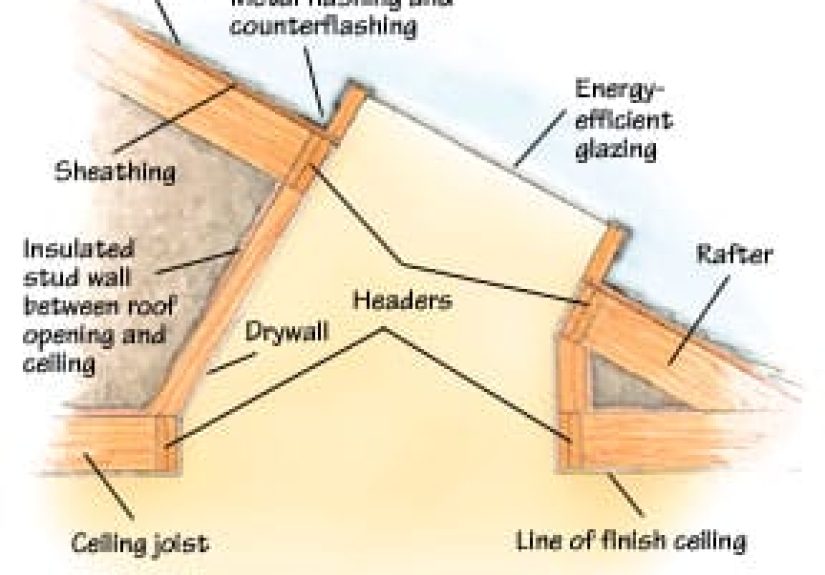
Many modern skylights are sold with flashing kits designed for specific roof materials, such as asphalt shingles, tile, metal roofing, or low-profile roofing. Buy the correct flashing kit for the skylight model and roof type. Avoid relying on caulk as the main defense against leaks. Sealants can age, crack, and fail. Proper flashing should shed water through layered construction, not wishful thinking.
If your home is in an area with heavy rain, snow, ice dams, or wind-driven storms, flashing quality becomes even more important. Professional installation is strongly recommended unless you have advanced roofing experience and a healthy respect for gravity.
6. Consider Energy Efficiency Ratings
Skylights can improve comfort and reduce lighting needs, but they can also affect heating and cooling. That is why energy ratings matter. Look for products with National Fenestration Rating Council ratings and ENERGY STAR certification when appropriate for your climate zone.
U-Factor
U-factor measures how well the skylight prevents heat from passing through. Lower numbers generally mean better insulation. In cold climates, a lower U-factor can help reduce heat loss in winter.
Solar Heat Gain Coefficient
Solar Heat Gain Coefficient, often shortened to SHGC, measures how much solar heat passes through the skylight. A lower SHGC blocks more heat, which is useful in hot climates. A higher SHGC can be beneficial in colder climates where winter solar warmth is welcome.
Visible Transmittance
Visible Transmittance, or VT, measures how much visible light comes through. A higher VT allows more daylight. The trick is balancing daylight with glare and heat gain. You want a room that feels bright, not one where everyone wears sunglasses to eat cereal.
7. Pick the Right Glazing Material
Skylight glazing is usually glass or plastic. Glass is typically more durable, clearer, and more scratch-resistant. It can also include low-emissivity coatings, laminated layers, tempered safety glass, and insulated double-pane or triple-pane construction. Plastic glazing, such as acrylic or polycarbonate, is lighter and may cost less, but it can scratch, discolor, or become cloudy over time depending on quality and exposure.
For most permanent residential installations, insulated glass with low-E coating is a strong choice. Laminated inner glass can help hold fragments together if broken, while tempered glass is designed to break into small pieces instead of sharp shards. Safety glazing requirements vary by location and installation, so confirm local building codes before purchasing.
8. Think About Size and Proportion
Bigger is not always better. A huge skylight over a small room can cause glare, overheating, and an odd “interrogation room but make it sunny” effect. A skylight that is too small may not deliver enough light to justify the project cost.
As a general design principle, rooms with few vertical windows may benefit from a larger skylight area than rooms already filled with daylight. Long rooms may need two smaller skylights instead of one large unit to distribute light evenly. In kitchens, placing a skylight over an island or prep zone can be more useful than centering it randomly. In bathrooms, privacy and moisture control matter more than dramatic size.
Also consider the shaft. If your ceiling is flat and your roof is above an attic, the skylight needs a light shaft connecting roof to ceiling. A deep or narrow shaft may reduce light spread. A flared shaft can distribute daylight more broadly and make the finished opening look more elegant.
9. Study Orientation and Sun Exposure
The direction your skylight faces affects light quality and heat gain. North-facing skylights often provide softer, more consistent light with less heat. South-facing skylights bring stronger light and more solar warmth, which may be welcome in northern climates and less delightful in hot regions. East-facing skylights brighten mornings. West-facing skylights can add intense afternoon sun and heat.
Trees, neighboring buildings, chimneys, dormers, and roof valleys can also affect performance. A skylight under heavy tree cover may collect debris and need more cleaning. A skylight near a roof valley may face more water flow. Placement should be planned with the whole roof in mind, not just the ceiling location below.
10. Plan for Heat, Glare, and Blinds
A skylight can make a room feel open and cheerful, but uncontrolled overhead sun can become harsh. Bedrooms may need blackout shades. Media rooms may need light-filtering shades. Kitchens may benefit from solar blinds that reduce heat while preserving daylight. Bathrooms may need privacy-friendly diffused glazing or shades.
Some skylight blinds are manual, while others are electric or solar-powered. Solar-powered blinds can be useful for skylights installed out of reach because they do not require hardwiring in many cases. The upfront cost is higher, but so is the convenience. Nobody wants to drag a ladder into the hallway every time the sun gets bossy.
11. Compare Manual, Electric, and Solar Controls
If you choose a vented skylight, think carefully about how it opens. Manual controls are usually less expensive and work well for skylights within reach. Pole-operated models can work for moderately high ceilings. Electric skylights are convenient but may require wiring. Solar-powered models can offer remote operation without traditional wiring, depending on the product and installation conditions.
Smart controls, rain sensors, and programmable settings add convenience. They are especially helpful in bathrooms, kitchens, and high-ceiling rooms. However, more features also mean more components that may need service later. Choose features you will actually use, not just the ones that sound impressive in a showroom.
12. Budget Beyond the Skylight Unit
The skylight itself is only part of the total cost. Your budget should include flashing, underlayment, interior finishing, drywall, painting, insulation, labor, permits if required, and possible structural framing changes. Costs vary widely based on skylight type, roof material, roof pitch, ceiling type, installation complexity, and local labor rates.
A tubular skylight is often the most budget-friendly option because it usually requires less structural work. Fixed skylights typically cost less than vented models. Electric and solar-powered vented skylights cost more because of motors, controls, sensors, and added installation details. Installing a skylight during roof replacement can sometimes be more efficient because the roof is already being opened and reworked.
When comparing quotes, make sure each contractor includes the same scope. One estimate may look cheaper because it excludes interior finishing or uses a basic flashing approach. Another may include drywall repair, painting, premium flashing, and disposal. Apples-to-apples comparisons prevent budget surprises. Apples-to-roof-openings comparisons are less fun.
13. Check Building Codes, Permits, and HOA Rules
Skylight installation may require permits, especially if structural framing is changed. Local codes may address safety glazing, roof openings, emergency escape, energy performance, fire ratings, and installation requirements. Homes in hurricane-prone, wildfire-prone, or snow-heavy regions may face additional standards.
If you live in a neighborhood with a homeowners association, check exterior appearance rules before buying. Some HOAs regulate roof penetrations, visible frame colors, reflective materials, or placement. Historic districts may also have restrictions. It is better to ask before installation than to discover afterward that your beautiful new skylight has become a paperwork hobby.
14. Evaluate Roof Condition First
Do not install a new skylight into a roof that is near the end of its life unless you are prepared to coordinate future roof work around it. If your roof needs replacement soon, consider installing the skylight during the roof project. This allows the flashing, underlayment, and shingles or roofing panels to be integrated properly.
Look for missing shingles, soft decking, old flashing, sagging areas, signs of leaks, and attic moisture before committing. A skylight will not solve roof problems. It will simply give those problems a more dramatic entrance.
15. Choose a Qualified Installer
Even a high-quality skylight can fail if installed poorly. Look for an installer with roofing experience, skylight-specific training, proper insurance, references, and familiarity with your roof material. Ask whether they use manufacturer-approved flashing kits and whether the installation preserves the product warranty.
A good installer should discuss roof pitch, placement, structural framing, interior finishing, insulation, condensation control, and drainage. If someone says, “We just cut a hole and seal it up,” consider that your cue to politely back away while protecting your ceiling.
16. Think About Maintenance
Skylights need occasional cleaning and inspection. Exterior glass may collect pollen, leaves, dust, and mineral spots. Interior surfaces may gather condensation or dust. Vented skylights need weatherstripping and moving parts checked. Flashing should be inspected after major storms and during roof maintenance.
Choose a model that fits your willingness to maintain it. A hard-to-reach skylight over a tall stairwell may be beautiful, but cleaning it may require special tools or professional service. Self-cleaning glass coatings can help reduce buildup, but they do not eliminate maintenance entirely.
17. Watch for Condensation
Condensation can happen when warm indoor air meets a cold glass surface. It is more common in bathrooms, kitchens, laundry rooms, and cold climates. Better insulated glazing, proper ventilation, interior humidity control, and correct installation all help reduce condensation risk.
If you frequently see condensation on windows, address home humidity before adding skylights. Use bath fans, range hoods, dehumidifiers, and proper attic ventilation where needed. Otherwise, your skylight may get blamed for a moisture problem that was already living rent-free in the house.
18. Consider Aesthetics Inside and Outside
Inside the home, skylights can change the entire mood of a room. A centered skylight can create symmetry. A pair of skylights can frame a kitchen island or dining table. A long rectangular skylight can make a hallway feel like a gallery. The shaft shape, trim color, and ceiling finish all influence the final look.
Outside, the skylight should complement the roofline. Low-profile units may look cleaner on modern homes. Curb-mounted units may be more visible but practical for certain roof conditions. Frame color, glass reflectivity, and placement can affect curb appeal.
19. Decide Whether Replacement or New Installation Makes Sense
Replacing an existing skylight is usually simpler than installing one where no opening exists. The roof and ceiling already have a location, shaft, and structural modifications. However, replacement still requires careful measuring and compatible flashing.
New installation offers more design freedom but usually costs more because the contractor must cut the roof, frame the opening, build or finish the shaft, install insulation, and repair interior surfaces. If you are remodeling a room, finishing an attic, or replacing the roof, that may be the perfect time to add a skylight.
20. Ask the Right Questions Before Buying
Before you place an order, ask these questions:
- Is this skylight appropriate for my roof pitch?
- Does it require deck mounting or curb mounting?
- Which flashing kit matches my roof material?
- What are the U-factor, SHGC, and visible transmittance ratings?
- Is the glass tempered, laminated, insulated, or low-E coated?
- Will I need blinds or shades to control heat and glare?
- Does the warranty require professional installation?
- Will the project require permits or structural framing changes?
- Who handles drywall, insulation, trim, and painting?
- How will the skylight be cleaned and maintained?
Real-World Buying Examples
Example 1: The Dark Hallway
A homeowner has a long interior hallway with no windows. A traditional skylight would require a large shaft through attic space, but a tubular skylight can bring daylight into the hall with less disruption. In this case, a tubular model is practical, cost-effective, and visually subtle.
Example 2: The Steamy Bathroom
A bathroom has one small frosted window and poor ventilation. A fixed skylight would add light, but a vented skylight with privacy-friendly glazing and a moisture-resistant shaft finish would be more useful. Add a rain sensor, and the homeowner gets fresh air without having to sprint upstairs during a storm.
Example 3: The Open Kitchen
An open kitchen feels dim near the island. Two medium fixed skylights placed strategically over the work area may distribute light better than one oversized skylight. Solar shades can help control midday heat, especially if the roof faces south or west.
Extra Experience-Based Tips for Buying Skylights
After comparing skylight options, one practical lesson becomes clear: the best skylight is not always the biggest, fanciest, or most expensive model. It is the one that solves the room’s actual problem. Homeowners often begin with a simple wish, such as “I want more light,” but the buying process should dig deeper. What kind of light? Morning light for a breakfast nook? Soft all-day light for a studio? Bright task light over a kitchen island? A little daylight in a hallway so nobody feels like they are walking through a submarine?
One smart experience-based approach is to visit the room at different times of day before choosing placement. Stand where the skylight might go and notice how the room already behaves. Is it dark all day, or only in the afternoon? Does the room overheat? Are there shadows from trees? Is there an attic obstruction above the ceiling? Many skylight regrets start when people choose a ceiling location from inside the room without checking the roof and attic conditions above it.
Another useful tip is to think about furniture and daily routines. A skylight above a dining table can feel wonderful. A skylight directly above a television may create glare. A skylight above a bed can be romantic until the early summer sunrise starts acting like an alarm clock with no snooze button. In bedrooms, blackout blinds are often worth the extra cost. In kitchens, light-filtering shades may be enough. In bathrooms, privacy and condensation control should lead the decision.
Homeowners should also be realistic about installation timing. If the roof is older, it may be better to wait and install skylights during roof replacement. This can reduce duplicated labor and improve waterproofing integration. If the roof is newer, choose an installer who can protect the existing roofing system and match materials carefully. A skylight installation is part roofing, part carpentry, part insulation, and part interior finishing. Treating it as just a product purchase is like buying a bathtub and forgetting plumbing exists.
When reviewing estimates, pay attention to what is missing. A quote that includes only the skylight and roof installation may not include drywall, painting, trim, insulation, blinds, electrical work, or permit fees. Ask for a written scope. Good contractors are not offended by clear questions; they usually appreciate them. Vague estimates are where budget surprises like to hide, wearing tiny contractor boots.
Finally, do not underestimate comfort. A skylight should make the room easier to enjoy, not harder to control. In hot climates, prioritize low solar heat gain, shades, and smart placement. In cold climates, prioritize insulation and condensation resistance. In storm-prone regions, ask about impact ratings, flashing, underlayment, and local code requirements. A beautiful skylight that performs poorly is just an expensive roof decoration with commitment issues.
The best buying experience happens when homeowners balance beauty with building science. Think about daylight, heat, water, structure, maintenance, and how the room is actually used. Do that, and your skylight can feel less like a risky roof hole and more like a thoughtful upgrade that makes the whole house brighter, healthier, and more enjoyable.
Conclusion
Buying skylights is about more than picking a size and hoping the sun cooperates. The right choice depends on your roof pitch, room function, climate, energy ratings, glazing, flashing, controls, budget, and installation quality. Fixed skylights are great for simple daylight. Vented skylights add airflow. Tubular skylights brighten tight spaces with less structural disruption. Energy-efficient glazing, proper flashing, and professional installation help protect comfort and reduce long-term problems.
If you plan carefully, a skylight can transform a room from dull to inviting, from cramped to open, and from “Why is it so dark in here?” to “Wow, this feels amazing.” Just remember: sunshine is free, but getting it through the roof correctly is where smart buying matters.