Table of Contents >> Show >> Hide
- What Does 18 Weeks Pregnant Mean?
- Your Baby at 18 Weeks Pregnant
- Common Symptoms at 18 Weeks Pregnant
- Pregnancy Tips for Week 18
- What to Ask Your Healthcare Provider at 18 Weeks
- Warning Signs You Should Not Ignore
- Emotional Changes at 18 Weeks Pregnant
- Practical Checklist for 18 Weeks Pregnant
- Real-Life Experiences at 18 Weeks Pregnant
- Conclusion
At 18 weeks pregnant, you are officially cruising through the second trimester, that famous middle stretch of pregnancy where many people start to feel a little more human again. The nausea may be easing, your energy might be making a comeback, and your baby bump may be stepping into the spotlight like it has been waiting for its grand entrance.
This week can feel exciting, strange, and occasionally hilarious. One minute you may be admiring your growing belly. The next, you may be wondering why standing up too fast makes you feel like a wobbly shopping cart. Welcome to week 18: a time of baby kicks, anatomy scan planning, new body sensations, bigger appetites, and the sudden realization that elastic waistbands are one of humanity’s greatest inventions.
In this guide, we will explore common 18 weeks pregnant symptoms, baby development, practical tips, prenatal care reminders, and real-life experiences that can help you feel more prepared, confident, and calm.
What Does 18 Weeks Pregnant Mean?
Being 18 weeks pregnant means you are in your second trimester, about four and a half months into pregnancy. Pregnancy dating can be confusing because it starts from the first day of your last menstrual period, not the day conception happened. So while your baby has been developing for about 16 weeks after conception, your pregnancy is counted as 18 weeks along.
At this stage, many people are beginning to look noticeably pregnant. Some bumps are round and proud. Others are still playing hide-and-seek under loose shirts. Both are normal. Bump size can vary depending on your body type, whether this is your first pregnancy, your abdominal muscles, your uterus position, and whether you are carrying multiples.
Your Baby at 18 Weeks Pregnant
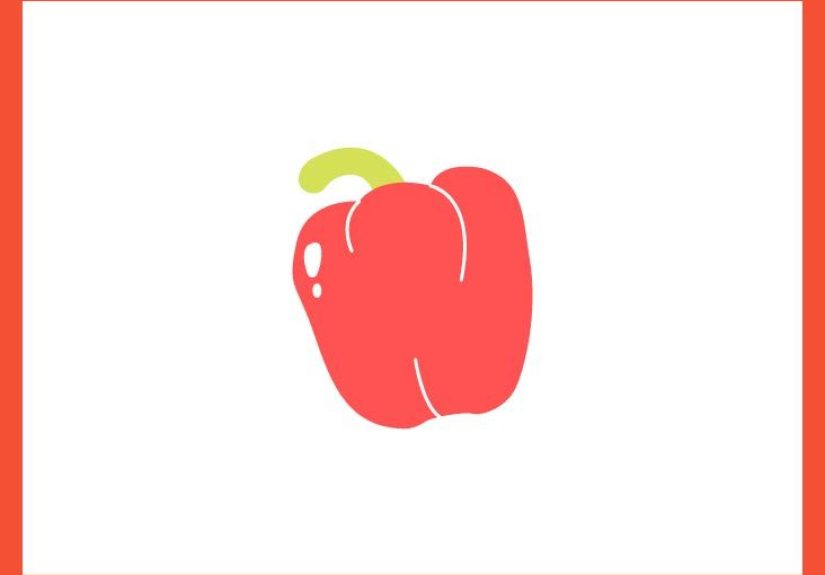
Your baby is growing quickly at 18 weeks pregnant. Around this time, your baby may measure roughly 5 1/2 inches from crown to rump and weigh about 7 ounces. That is about the size of a bell pepper, sweet potato, or small artichoke, depending on which produce aisle comparison makes you smile.
Hearing Is Developing
One of the most exciting changes this week is that your baby’s hearing is developing. The ears are moving into a more recognizable position, and your baby may begin responding to sounds. Your voice, heartbeat, digestion, and blood flow all create a cozy soundtrack inside the womb. It is less “spa playlist” and more “tiny submarine with background plumbing,” but your baby does not seem to mind.
Movement Is Getting Stronger
Your baby is also moving, stretching, kicking, rolling, and possibly hiccupping. If you have not felt movement yet, do not panic. Many first-time parents feel those first flutters, often called quickening, sometime between 18 and 22 weeks. If you have been pregnant before, you may recognize the sensation earlier.
Early baby movement can feel like bubbles, popcorn popping, tiny taps, or a goldfish swishing around. It may be subtle at first, especially if your placenta is positioned in front of the uterus, which can cushion movement.
Digestive System and Body Growth
By 18 weeks, your baby’s digestive system is active and continuing to mature. The bones are strengthening, facial features are becoming more defined, and the nervous system is becoming more coordinated. Your baby still has a lot of growing to do, but week 18 is a major point in the “tiny human construction project.” Hard hats are not required, but snacks definitely are.
Common Symptoms at 18 Weeks Pregnant
Every pregnancy is different. Some people feel wonderful at 18 weeks, while others are still battling fatigue, headaches, or digestive drama. Symptoms can also change from day to day. One day you may feel energetic enough to organize the nursery closet. The next day, walking to the fridge may feel like a heroic expedition.
1. Round Ligament Pain
Round ligament pain is one of the most common 18 weeks pregnant symptoms. It often feels like a sharp, pulling, or stretching pain on one or both sides of the lower belly or groin. It usually happens when you move suddenly, sneeze, cough, roll over in bed, or stand up too fast.
This discomfort happens because the ligaments supporting your growing uterus are stretching. It is usually harmless, but it can be surprisingly dramatic. Your body may be growing a baby, but apparently it still likes to send notifications in all caps.
Gentle movement, changing positions slowly, resting, and stretching may help. However, call your healthcare provider if pain is severe, persistent, or comes with bleeding, fever, chills, dizziness, contractions, or unusual discharge.
2. Back Pain
As your belly grows, your center of gravity shifts. Pregnancy hormones also loosen ligaments, which can make your lower back and pelvis feel less stable. The result may be back pain, hip aches, or general soreness after standing or sitting too long.
Good posture, supportive shoes, side sleeping with pillows, gentle prenatal exercise, and avoiding heavy lifting may help. A warm compress may also ease tight muscles, but avoid excessive heat and always follow your provider’s advice.
3. Increased Appetite
If food suddenly seems more interesting than usual, you are not alone. Many pregnant people notice a bigger appetite during the second trimester, especially if nausea has faded. Your body is working hard, your baby is growing, and your snack instincts may now operate with impressive precision.
Try to focus on balanced meals with protein, fiber-rich carbohydrates, healthy fats, fruits, vegetables, and plenty of fluids. This does not mean every bite must be perfect. Pregnancy nutrition is not a courtroom trial. A nourishing pattern matters more than one random craving for fries at 9:42 p.m.
4. Dizziness
Dizziness can happen during pregnancy because of changes in blood pressure, blood volume, and circulation. You may notice it when standing quickly, skipping meals, getting overheated, or lying flat for too long.
To reduce dizzy spells, stand up slowly, drink water, eat regular meals, and avoid overheating. If dizziness is severe, repeated, or comes with fainting, chest pain, shortness of breath, or vision changes, contact your healthcare provider right away.
5. Leg Cramps
Leg cramps often show up during the second trimester, usually at night when you are finally comfortable enough to sleep. Then your calf muscle decides to perform a surprise solo. Stretching your calves, staying hydrated, gentle movement, and discussing magnesium or calcium intake with your provider may help.
6. Nasal Congestion and Nosebleeds
Pregnancy increases blood volume and can make nasal tissues swell. That may lead to congestion, stuffiness, or occasional nosebleeds. A humidifier, saline spray, and gentle nose blowing can help. If nosebleeds are heavy or frequent, check in with your provider.
7. Skin Changes
You may notice darker nipples, a faint line running down your belly called the linea nigra, acne, itchiness, or stretch marks. Skin changes are common because of hormones, growth, and increased blood flow. Moisturizer may help with dryness and itching, although it cannot always prevent stretch marks. Consider stretch marks your body’s way of saying, “Expansion project in progress.”
8. Swollen Feet or Hands
Mild swelling can happen as pregnancy progresses. Resting with your feet elevated, moving often, wearing comfortable shoes, and staying hydrated may help. However, sudden or extreme swelling, especially in the face or hands, should be reported promptly because it can sometimes signal a serious problem.
Pregnancy Tips for Week 18
Schedule or Prepare for the Anatomy Scan
A major milestone usually happens between 18 and 22 weeks: the mid-pregnancy anatomy ultrasound. This scan checks your baby’s growth, organs, limbs, placenta, amniotic fluid, and overall development. Depending on your baby’s position and your preference, you may also be able to learn the baby’s sex.
Before the appointment, write down questions. Ask what the scan will evaluate, when you will receive results, and whether follow-up imaging may be needed. Sometimes babies refuse to cooperate and curl up like tiny celebrities avoiding paparazzi. If that happens, a repeat scan may be recommended simply to get clearer views.
Keep Moving, Safely
For many uncomplicated pregnancies, moderate exercise is beneficial. Walking, swimming, stationary cycling, prenatal yoga, and low-impact strength work can support mood, circulation, sleep, posture, and stamina. A common goal is 150 minutes of moderate-intensity aerobic activity per week, unless your healthcare provider advises otherwise.
Choose activities that feel good and allow you to talk while moving. Avoid exercises with a high risk of falling, abdominal trauma, overheating, or lying flat on your back for long periods later in pregnancy. If you were not active before pregnancy, start gently and ask your provider for guidance.
Support Your Back and Belly
At 18 weeks pregnant, your belly may be changing your posture. Supportive shoes, a pregnancy pillow, proper lifting technique, and short breaks from sitting or standing can make a big difference. If you work at a desk, adjust your chair, keep your feet supported, and take regular stretch breaks.
Eat for Steady Energy
Your body needs important nutrients during pregnancy, including folic acid, iron, calcium, vitamin D, choline, protein, and omega-3 fatty acids. A prenatal vitamin helps fill nutritional gaps, but food still matters. Think eggs, beans, lean meats, fortified grains, yogurt, leafy greens, nuts, fruit, whole grains, and low-mercury seafood.
Pregnant people are often advised to eat 8 to 12 ounces per week of lower-mercury fish, such as salmon, sardines, trout, anchovies, or light canned tuna. Avoid high-mercury fish such as shark, swordfish, king mackerel, bigeye tuna, marlin, orange roughy, and tilefish from the Gulf of Mexico.
Hydrate Like It Is Your Side Quest
Water supports blood volume, digestion, amniotic fluid, and overall comfort. Dehydration can worsen headaches, constipation, dizziness, and cramps. If plain water sounds boring, try fruit-infused water, sparkling water, soup, smoothies, or water-rich foods like watermelon and cucumber.
Start Thinking About Sleep Comfort
As your bump grows, sleep may require more strategy. Side sleeping with a pillow between your knees and another under your belly can reduce pressure on your hips and back. A full-body pregnancy pillow can also help, although it may claim half the bed and become your partner’s new rival.
What to Ask Your Healthcare Provider at 18 Weeks
Your prenatal appointments are the perfect place to ask questions, even the ones that feel small or awkward. Your provider has heard it all. Truly. Pregnancy turns the human body into a mystery novel, and no question is too strange.
Helpful Questions to Bring Up
- When should I schedule my anatomy scan?
- Is my weight gain on track for my body and pregnancy?
- What symptoms should I call about right away?
- Is my exercise routine safe?
- What can I do for back pain or round ligament pain?
- Should I change my prenatal vitamin or add any supplements?
- Are my medications, skincare products, or over-the-counter remedies pregnancy-safe?
Warning Signs You Should Not Ignore
Most symptoms at 18 weeks pregnant are normal, but some need quick medical attention. Contact your healthcare provider or seek urgent care if you experience severe abdominal pain that does not go away, vaginal bleeding, leaking fluid, fever of 100.4°F or higher, severe headache, vision changes, fainting, chest pain, trouble breathing, painful urination, or sudden swelling of the face or hands.
Also call your provider if something simply feels wrong. You do not need to win a debate with yourself before asking for help. Pregnancy is one of those times when “better safe than sorry” is not just a saying; it is a very reasonable plan.
Emotional Changes at 18 Weeks Pregnant
The second trimester can bring emotional relief, especially after the uncertainty of early pregnancy. But it can also bring new worries. You may be thinking about the anatomy scan, maternity leave, money, birth plans, relationships, body image, or how exactly one tiny person requires so many items with wheels.
Mood changes are common, but intense anxiety, sadness, hopelessness, panic, or thoughts of harming yourself should be taken seriously. Tell your healthcare provider. Mental health is part of prenatal health, not an optional extra.
Practical Checklist for 18 Weeks Pregnant
This Week, Consider Doing These Things
- Confirm your anatomy scan appointment.
- Start tracking early baby flutters if you feel them, but do not stress if you do not yet.
- Review your prenatal vitamin and nutrition habits.
- Choose comfortable, supportive shoes.
- Add gentle stretching to your daily routine.
- Make a list of questions for your next prenatal visit.
- Begin thinking about childbirth classes, pediatricians, and maternity leave planning.
Real-Life Experiences at 18 Weeks Pregnant
Many people describe 18 weeks pregnant as the moment pregnancy starts to feel more real. The bump may finally look less like “big lunch” and more like “baby on board.” Clothes may fit differently, seat belts may need adjusting, and strangers may start doing that polite-but-obvious glance at your midsection while trying not to seem nosy.
One common experience is the first flutter of movement. It may happen while you are lying quietly at night, sitting after lunch, or relaxing after a busy day. At first, you might wonder if it was the baby or just digestion performing jazz. Over time, the pattern usually becomes clearer. Those tiny taps can create a powerful emotional shift. Suddenly, the baby is not just an ultrasound image or a pregnancy app update. There is a real little person in there, practicing their future career as a soccer player, drummer, or professional rib-poker.
Another experience at week 18 is the changing relationship with food. For some, the second trimester brings joyful appetite. Breakfast may need a second breakfast. Snacks may need backup snacks. Cravings can range from perfectly reasonable fruit smoothies to oddly specific combinations like pickles and peanut butter. While cravings can be funny, they can also be your body’s way of asking for steadier meals. Pairing carbohydrates with protein and fat, such as toast with eggs, apples with peanut butter, or rice with beans and avocado, can help keep energy more stable.
Body image can also become more complicated. Some people love their growing belly. Others feel uncomfortable, surprised, or disconnected from their changing shape. Both reactions are valid. Pregnancy changes can happen quickly, and it may take time for your brain to catch up with your body. Comfortable clothes, gentle movement, and kind self-talk can help. You are not “losing your body.” Your body is doing an enormous job, and it deserves respect, not constant criticism.
Sleep may start becoming an event. You may find yourself building a pillow fortress, waking to pee, or flipping from side to side like a rotisserie chicken with feelings. A simple bedtime routine can help: dim lights, reduce screen time, stretch gently, drink enough water earlier in the day, and keep a small snack nearby if hunger wakes you. If heartburn appears, smaller evening meals and avoiding trigger foods may make nights easier.
For partners and family members, week 18 can be a good time to get more involved. Attending the anatomy scan, helping with meals, joining walks, learning about pregnancy symptoms, and taking over physically demanding chores can make the pregnant person feel supported. Support does not always need to be dramatic. Sometimes it looks like refilling a water bottle, rubbing sore shoulders, or not eating the last yogurt without asking.
Emotionally, this stage can feel like a mix of excitement and planning pressure. Baby names, budgets, birth preferences, nursery ideas, and parenting decisions may suddenly feel urgent. Try not to solve everything in one weekend. Make a shared list, choose one or two tasks at a time, and remember that babies do not care if the nursery has a perfect theme. They mostly care about food, warmth, love, and eventually finding creative ways to avoid sleep.
The best experience-based advice for 18 weeks pregnant is to listen to your body without obsessing over every sensation. Rest when you need to rest. Move when movement feels good. Ask questions when something worries you. Celebrate the small moments, like hearing the heartbeat, feeling a flutter, or finding pants that do not declare war on your waist. Pregnancy is not always glowing and graceful. Sometimes it is magical. Sometimes it is weird. Often, it is both before breakfast.
Conclusion
At 18 weeks pregnant, your baby is growing, hearing is developing, movement may be starting, and your body is adjusting to the demands of the second trimester. Symptoms like round ligament pain, backaches, dizziness, leg cramps, congestion, appetite changes, and skin changes can be common, but warning signs should never be ignored.
This is also a meaningful time for prenatal care, especially as the anatomy scan approaches. Focus on balanced nutrition, safe movement, hydration, rest, and open communication with your healthcare provider. Most of all, give yourself grace. You are growing a human, managing a changing body, and probably trying to remember where you put your phone while holding your phone. That is a lot.
Medical note: This article is for general educational purposes only and is not a substitute for professional medical advice. Always contact your healthcare provider with questions about your pregnancy, symptoms, medications, nutrition, or exercise routine.