Table of Contents >> Show >> Hide
- What Does “Enjoy Being Drunk” Really Mean?
- How to Enjoy Being Drunk Safely: 14 Steps
- 1. Start With the Right Mindset
- 2. Know What Counts as One Drink
- 3. Eat Before You Drink
- 4. Set a Drink Limit Before the Night Begins
- 5. Pace Yourself Slowly
- 6. Alternate Alcohol With Water
- 7. Choose Drinks You Actually Like
- 8. Avoid Drinking Games and Pressure Drinking
- 9. Stay With People You Trust
- 10. Protect Your Drink
- 11. Never Drive After Drinking
- 12. Watch for the Line Between Fun and Too Much
- 13. Know Alcohol Poisoning Warning Signs
- 14. Plan Your Recovery Before You Need It
- Smart Ways to Make Drinking More Enjoyable
- Common Mistakes That Ruin a Drinking Experience
- When Not to Drink
- Extra Experiences: Real-Life Lessons on Enjoying Drinking Without Overdoing It
- Conclusion
Note: This article is written for adults of legal drinking age. The safest choice is not to drink, and the next-safest choice is to drink less. “Enjoying being drunk” should never mean pushing your body past its limits, driving, mixing alcohol with risky substances, ignoring consent, or turning a fun night into a cautionary tale starring your shoes in a mysterious location.
Let’s be honest: alcohol has been invited to birthday dinners, weddings, backyard barbecues, karaoke nights, first dates, awkward work parties, and “just one drink” plans that somehow involve loaded fries at midnight. For many adults, drinking is less about the alcohol itself and more about the setting: friends laughing too loudly, music that suddenly sounds profound, and that warm feeling of being more relaxed than your Monday morning self ever dreamed possible.
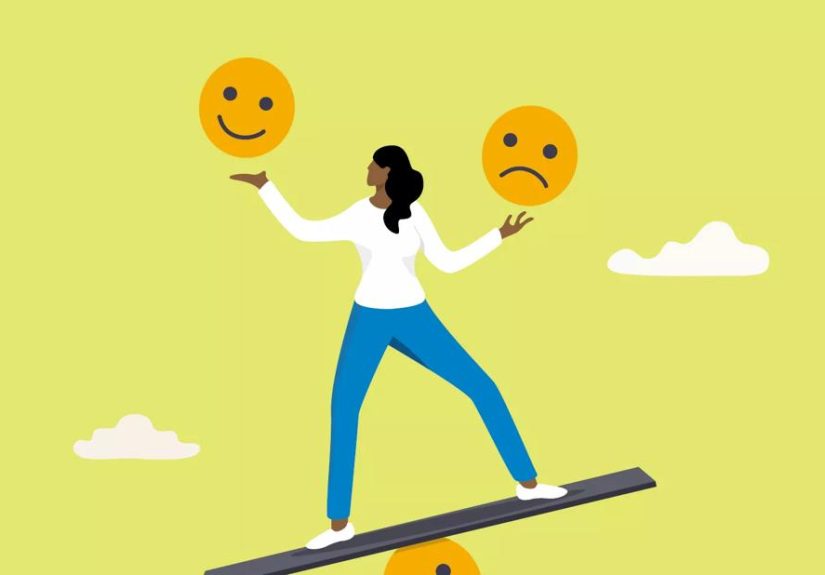
But there is a big difference between enjoying a light buzz and chasing heavy intoxication. A good night out should end with your dignity, phone, wallet, friendships, and eyebrows still intact. The goal is not to become the most dramatic version of yourself. The goal is to feel comfortable, social, safe, and in control enough to remember why everyone is laughing.
This guide explains how to enjoy drinking responsibly in 14 practical steps. It covers planning, pacing, food, hydration, social boundaries, safety, hangover prevention, and how to recognize when “fun drunk” has started sending postcards from “bad idea island.”
What Does “Enjoy Being Drunk” Really Mean?
For this article, “being drunk” means feeling the noticeable effects of alcohol, such as relaxation, warmth, lowered inhibition, or mild silliness. It does not mean blacking out, losing coordination, vomiting, passing out, fighting, driving, or waking up to a group chat full of messages beginning with “So, about last night…”
Alcohol affects judgment, reaction time, balance, mood, sleep, and decision-making. A small amount may make some adults feel relaxed, while larger amounts can quickly bring nausea, confusion, emotional swings, risky choices, injuries, or alcohol poisoning. The smarter approach is to plan for a pleasant, low-risk experience instead of treating drunkenness like a competitive sport.
How to Enjoy Being Drunk Safely: 14 Steps
1. Start With the Right Mindset
The best drinking nights begin before the first sip. Ask yourself why you want to drink. Are you celebrating, relaxing, enjoying a meal, or catching up with friends? Great. Are you trying to escape stress, prove something, numb emotions, or keep up with someone who treats tequila like a personality test? That is a warning sign.
Alcohol can temporarily lower stress, but it does not solve problems. In some people, it can make sadness, anxiety, anger, or impulsive behavior worse. If your mood is already fragile, a drink may not be the helpful little social fairy you hoped for. It may be more like a raccoon with a credit card.
2. Know What Counts as One Drink
One of the easiest ways to overdo alcohol is to underestimate it. In the United States, a standard drink is generally considered 12 ounces of regular beer, 5 ounces of wine, or 1.5 ounces of 80-proof liquor. The glass size, can size, or cocktail name can be misleading. A giant craft beer, a heavy pour of wine, or a double cocktail may count as more than one drink.
Before you start, know what you are actually consuming. A margarita the size of a birdbath is not “one cute drink” just because it came with a lime wedge.
3. Eat Before You Drink
Drinking on an empty stomach is like giving alcohol an express pass. Food slows the absorption of alcohol and helps reduce the chance of feeling suddenly dizzy, nauseated, or too intoxicated too quickly.
Choose a real meal or sturdy snack before drinking. Good options include sandwiches, rice bowls, pasta, eggs, avocado toast, tacos, grilled chicken, beans, nuts, cheese, or anything with protein, fat, and carbohydrates. A single lettuce leaf and confidence do not count as dinner.
4. Set a Drink Limit Before the Night Begins
Limits are easier to keep when you set them while sober. Decide how many drinks you plan to have, how long you will be out, and when you will stop. This keeps the night from becoming a negotiation between your sensible self and your “shots sound educational” self.
A simple rule is to choose a number that lets you stay social without losing control. You can also set a spending limit, carry only a certain amount of cash, or use a drink-tracking app. The point is not to remove fun. The point is to protect tomorrow-you from today-you’s improv performance.
5. Pace Yourself Slowly
Alcohol takes time to affect you. If you drink quickly, you may feel fine for a while and then suddenly realize your legs have become decorative noodles. Sip slowly and give your body time to process each drink.
A practical strategy is to avoid having more than one standard drink per hour. This does not make drinking risk-free, but it can help prevent the rapid rise in intoxication that often leads to embarrassing, unsafe, or miserable outcomes.
6. Alternate Alcohol With Water
Hydration is not glamorous, but neither is waking up feeling like your tongue spent the night in a sandbox. Alcohol can contribute to dehydration, and alternating alcoholic drinks with water or another nonalcoholic beverage can help you slow down.
Try this rhythm: one alcoholic drink, then one glass of water or sparkling water. Add lime, mint, cucumber, or a fancy straw if you need your hydration to have a social life.
7. Choose Drinks You Actually Like
Do not drink something just because everyone else is drinking it. If you hate whiskey, there is no award for pretending otherwise. Pick drinks you enjoy slowly, whether that is wine with dinner, a light beer, a spritz, a low-alcohol cocktail, or a mocktail between drinks.
Enjoyment comes from taste, setting, and companynot from forcing down a drink that makes your face fold into origami.
8. Avoid Drinking Games and Pressure Drinking
Drinking games are designed to make you drink faster than you normally would. That is the problem. Games, dares, rounds, and “come on, don’t be boring” pressure can push you past your limit before you realize it.
You can say no without giving a courtroom defense. Try: “I’m good for now,” “I’m pacing myself,” “I’ll grab water first,” or “I have plans tomorrow and would like to recognize my own reflection.” The right people will respect that.
9. Stay With People You Trust
Alcohol lowers judgment, which makes your social environment extremely important. Drink with people who care about your well-being, not people who film your worst moments for entertainment. A trustworthy group helps everyone get home safely, keeps an eye on drinks, and notices when someone has had enough.
Before going out, choose a buddy. Check in during the night. Share transportation plans. If someone disappears, gets unusually quiet, becomes confused, or seems too intoxicated, do not laugh it off. Help them.
10. Protect Your Drink
Never leave your drink unattended. Do not accept open drinks from strangers. If your drink looks, tastes, or smells unusual, stop drinking it. If you feel suddenly much more impaired than expected, tell a trusted person and get help immediately.
Enjoying alcohol safely includes staying aware of your surroundings. That does not mean being paranoid. It means treating your drink like your phone: you do not casually abandon it next to a speaker and hope for the best.
11. Never Drive After Drinking
This is non-negotiable. If alcohol is part of the plan, driving is not. Arrange a designated driver, rideshare, taxi, public transportation, or a place to stay before the night begins. Even a small amount of alcohol can affect reaction time, judgment, and coordination.
Do not rely on “I feel fine.” Feeling fine is not a breathalyzer. Also, do not let a friend drive after drinking. Take their keys, call a ride, or be temporarily annoying. Temporarily annoying is much better than permanently tragic.
12. Watch for the Line Between Fun and Too Much
A pleasant buzz may feel relaxed, warm, talkative, and cheerful. Too much alcohol may look like slurred speech, poor balance, nausea, emotional outbursts, confusion, risky behavior, or falling asleep in places not designed for sleeping, such as staircases, lawns, or the emotional support corner of a bathroom.
If you notice yourself getting loud, dizzy, clumsy, aggressive, tearful, or unable to follow conversation, stop drinking alcohol. Switch to water, eat something, sit down, and tell a trusted friend. The smartest drinker is not the person who can drink the most. It is the person who knows when to stop.
13. Know Alcohol Poisoning Warning Signs
Alcohol poisoning is a medical emergency. Warning signs can include confusion, vomiting, seizures, slow or irregular breathing, pale or clammy skin, blue-tinged lips, low body temperature, trouble staying awake, or being unable to wake someone up.
If you think someone may have alcohol poisoning, call emergency services. Do not leave the person alone. Do not try to make them “sleep it off.” Do not give them coffee or force them to walk. Stay with them, keep them on their side if they are vomiting, and get medical help.
14. Plan Your Recovery Before You Need It
A responsible drinking plan includes the morning after. Put water near your bed. Have a snack ready. Charge your phone. Set up transportation before you go out. Avoid scheduling an early meeting, intense workout, or family brunch where someone will say, “You look tired,” with the precision of a detective.
If you do wake up with a hangover, focus on rest, water, bland food, and time. Avoid the myth that more alcohol cures a hangover. That only delays the problem and may make you feel worse later.
Smart Ways to Make Drinking More Enjoyable
Build the Night Around Something Besides Alcohol
The best nights are not usually remembered because of the drink count. They are remembered because of the music, conversation, food, dancing, games, stories, and atmosphere. Make alcohol a side character, not the main plot.
Try a dinner party, trivia night, backyard fire pit, comedy show, concert, bowling night, karaoke session, board game night, or themed potluck. When the activity is fun on its own, you are less likely to overdrink out of boredom.
Try Low-Alcohol and No-Alcohol Options
Modern drinking culture has changed. Mocktails, nonalcoholic beer, alcohol-free sparkling wine, botanical drinks, and low-ABV cocktails are now common at many bars and stores. These options let you hold a nice-looking glass, enjoy flavor, and stay included without drinking more alcohol than you want.
A good mocktail is not “juice in witness protection.” It can be complex, refreshing, and stylish. Plus, you can drink it without later apologizing to a houseplant.
Respect Your Personal Tolerance
Alcohol affects people differently depending on body size, sex, age, food intake, sleep, medications, health conditions, drinking speed, and genetics. Your friend’s tolerance is not your assignment. You do not have to keep up with anyone.
Some people feel strong effects after one drink. Others may not notice much until later. Pay attention to your own body and stop before you feel out of control.
Avoid Mixing Alcohol With Medications or Other Substances
Alcohol can interact dangerously with many medications, including sleep aids, anxiety medicines, pain relievers, allergy medications, antidepressants, and some antibiotics. Mixing alcohol with other substances can increase sedation, confusion, breathing problems, injury risk, and poor decision-making.
If you take medication or have a medical condition, check with a healthcare professional before drinking. The tiny warning label on the bottle is not decorative confetti.
Common Mistakes That Ruin a Drinking Experience
Drinking Too Fast
Fast drinking is one of the quickest ways to turn fun into regret. You may not feel the full effects immediately, so stacking drinks can hit hard later. Slow down and let your body catch up.
Skipping Food
Drinking without eating increases the chance of feeling sick, dizzy, or overly intoxicated. Even a small meal can make the night smoother.
Ignoring Mood Changes
Alcohol can amplify emotions. If you become angry, sad, jealous, reckless, or unusually dramatic, stop drinking and step away from the situation. Your future self will appreciate not having to send six apology texts.
Trusting “Hangover Cures” Too Much
No magic pill, greasy meal, energy drink, or secret family remedy guarantees a hangover-free morning. The best prevention is drinking less, pacing yourself, eating, hydrating, and sleeping.
When Not to Drink
There are times when alcohol should be avoided entirely. Do not drink if you are under the legal drinking age, pregnant, planning to drive, operating machinery, caring for children, taking medications that interact with alcohol, recovering from alcohol use disorder, or dealing with a health condition that alcohol may worsen.
It is also wise to skip alcohol when you are severely stressed, sleep-deprived, angry, grieving, or pressured by others. A sober “no thanks” is often the strongest move in the room.
Extra Experiences: Real-Life Lessons on Enjoying Drinking Without Overdoing It
Most adults who drink have at least one story that taught them a lesson. Sometimes it is funny. Sometimes it is expensive. Sometimes it involves texting an ex, ordering too much food, or discovering that dancing on furniture is rarely part of the manufacturer’s warranty.
One common experience is the “surprise strong drink.” You order a cocktail that tastes like fruit punch, chat happily for twenty minutes, and then stand up to discover gravity has become more persuasive. Sweet drinks can hide the taste of alcohol, making it easier to drink quickly. The lesson is simple: if a drink tastes harmless, that does not mean it is harmless. Sip slowly and check how strong it is.
Another familiar lesson is the “empty stomach mistake.” Someone rushes from work to happy hour, skips dinner, and assumes appetizers will appear soon. Two drinks later, the room feels slightly theatrical. Eating before drinking is not boring advice; it is the foundation of a better night. A burger, salad with protein, bowl of pasta, or even a solid snack can help keep the experience smoother.
Then there is the “group pressure spiral.” A friend orders another round, then someone suggests shots, then someone says, “Don’t be lame.” Suddenly, the person who planned on two drinks is four drinks in and trying to remember whether they paid their tab. The best defense is a short phrase prepared in advance: “I’m good,” “I’m switching to water,” or “I’m pacing tonight.” No speech required. No apology necessary.
Many people also learn the value of a safe ride after one stressful night of trying to figure it out too late. Rideshares surge. Phones die. Public transportation closes. Friends become impossible to locate. Planning transportation before drinking removes a huge amount of risk. A good night out should not end with a debate about whether someone is “probably fine” to drive.
Another experience worth mentioning is the “emotional plot twist.” Alcohol can make small feelings feel enormous. A minor comment can become an insult. A sentimental song can become a life review. A harmless crush can become a dramatic confession near the nachos. If drinking makes you emotionally unpredictable, that is useful information. Drink less, choose safer settings, or skip alcohol when your mood is already intense.
Finally, there is the underrated joy of stopping early. Many people discover that the best part of drinking is not getting more drunkit is staying in the fun zone. You laugh, relax, enjoy the music, eat something delicious, remember the evening, sleep better, and wake up without feeling like your brain was replaced by a damp sponge. That is the sweet spot. That is the version of drinking that does not steal the next day.
The most enjoyable drinking experiences usually have a few things in common: good company, good pacing, enough food, plenty of water, clear boundaries, and a safe way home. Alcohol may add a little sparkle, but it should never take over the steering wheelliterally or metaphorically.
Conclusion
Learning how to enjoy being drunk responsibly is really about learning how to enjoy drinking without letting alcohol run the night. The best approach is simple: drink only if you are of legal age, eat first, know what counts as a drink, pace yourself, hydrate, stay with trusted people, protect your drink, avoid pressure, and never drive after drinking.
A fun night should feel relaxed, safe, and memorable for the right reasons. You do not need to prove your tolerance, match anyone else’s pace, or turn every event into a story that begins with “Apparently, I…” The real skill is knowing your limits and respecting them.
So, if you choose to drink, make it intentional. Choose drinks you like. Build the night around people and experiences. Stop before the fun turns fuzzy. Your body, your friends, your wallet, and your future morning self will all raise a grateful glass of water to that.