Table of Contents >> Show >> Hide
- The Short Answer
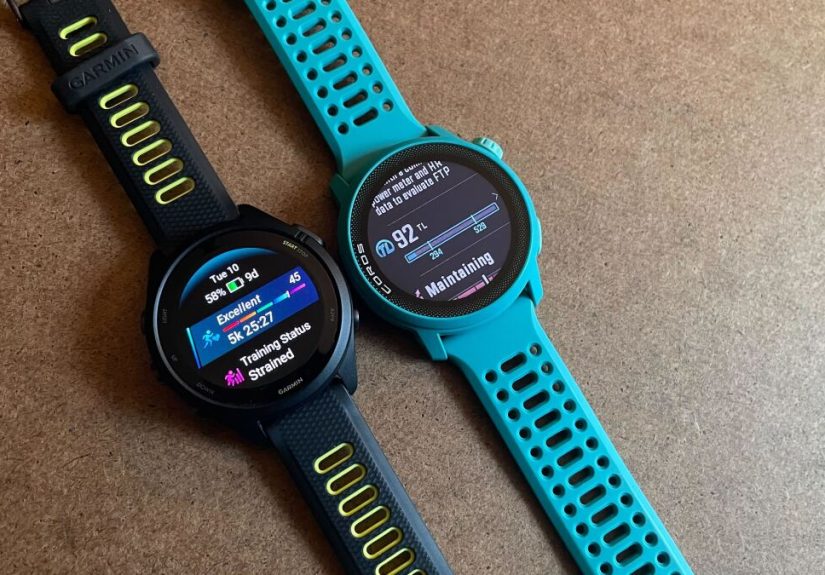
- Coros Pace 3 vs Garmin Forerunner 265/265S: The Big Picture
- Design and Comfort: Featherweight Champ vs Flashy All-Rounder
- Display: Practical Sunlight Machine or Gorgeous Little Billboard?
- Battery Life: Coros Brings a Lunchbox, Garmin Brings a Snack
- GPS Accuracy and Heart Rate Tracking
- Training Tools and Software: Good Coach vs Overachieving Coach
- Smartwatch Features: This Is Where Garmin Pulls Away
- Value for Money: The Real Plot Twist
- Who Should Buy the Coros Pace 3?
- Who Should Buy the Garmin Forerunner 265 or 265S?
- Final Verdict: Which Running Watch Should You Buy?
- FAQ: Coros Pace 3 vs Garmin Forerunner 265/265S
- Real-World Experiences: What Living With These Watches Actually Feels Like
Shopping for a running watch used to be easy. Step one: stare blankly at 47 model names. Step two: whisper “Do I really need lactate threshold?” into the void. In this matchup, the Coros Pace 3 and Garmin Forerunner 265/265S are both excellent, but they solve the problem in very different ways. One is the frugal training nerd’s favorite. The other is the polished overachiever who color-codes your suffering on a gorgeous AMOLED screen.
As of early 2026, both watches are a little older, which actually makes this comparison more useful. Discounts are more common, software is mature, bugs have been squashed, and what remains is the important stuff: comfort, GPS accuracy, battery life, training tools, and whether the watch helps you run more or just makes you read charts while eating cereal.
The Short Answer
Buy the Coros Pace 3 if you want the best value running watch, care most about low weight and long battery life, and do not need premium smartwatch extras. Buy the Garmin Forerunner 265 or 265S if you want a brighter AMOLED display, richer training guidance, better music and payment features, broader ecosystem support, and a more refined all-around experience.
Coros Pace 3 vs Garmin Forerunner 265/265S: The Big Picture
Why runners love the Coros Pace 3
The Coros Pace 3 punches hilariously above its price class. It is light, simple, and built around the idea that runners would rather spend time training than charging. It keeps the essentials front and center: strong battery life, dual-frequency GPS, reliable route tools, useful training analysis, and a design that nearly disappears on your wrist.
That “barely-there” feeling matters more than marketing departments admit. A watch that feels like a cookie tray strapped to your arm becomes annoying fast on long runs, easy days, and sleep tracking nights. The Pace 3 is one of those watches you stop noticing, which is exactly the point.
The Coros platform also appeals to athletes who like clean software rather than a buffet of features they will never touch. The app and Training Hub present recovery, fatigue, and workout data in a way that feels helpful instead of overwhelming. It gives you enough detail to train smarter, but not so much that you need a second device just to interpret the first one.
Why runners love the Garmin Forerunner 265/265S
The Garmin Forerunner 265 series is the polished, ambitious sibling. It costs more, but you can see where the money went the second the screen lights up. The AMOLED display is excellent, the interface is snappy, and Garmin’s training features are deeper and more proactive.
Morning Report, Training Readiness, daily suggested workouts, recovery metrics, and Garmin Coach make the Forerunner 265 feel like a very organized friend who owns both a foam roller and a color-coded calendar. It does not just record what happened. It tries to tell you what to do next.
The 265 series also feels more complete if your watch needs to do more than track miles. Music is easier. Smartwatch features are stronger. Sensor compatibility is broader. And if you are already inside the Garmin Connect universe, switching away can feel a bit like leaving a gym where the staff already knows your embarrassing treadmill speed.
Design and Comfort: Featherweight Champ vs Flashy All-Rounder
The Coros Pace 3 is the comfort king of this comparison. With the nylon band, it is dramatically light and easy to wear all day. That matters for long runs, recovery days, and sleep tracking. If you hate feeling a watch bounce on your wrist while running, the Pace 3 is extremely easy to like.
The Garmin Forerunner 265 is bigger, bolder, and more premium-looking on the wrist, while the 265S narrows the comfort gap nicely for smaller wrists. If you want the Garmin experience without the chunkier feel of the 46 mm version, the 265S is the smarter pick. For many runners, the real comparison is not Pace 3 versus 265. It is Pace 3 versus 265S.
Verdict: The Coros Pace 3 wins for minimalism and all-day comfort. The Garmin 265S is the best compromise if you want Garmin features without the larger case.
Display: Practical Sunlight Machine or Gorgeous Little Billboard?
This is the easiest split in the whole article. The Pace 3 uses a transflective always-on display. In plain English, it is less flashy indoors but wonderfully readable in bright sunlight and kinder to battery life. It is the kind of screen serious runners tend to appreciate after mile 14, when they care less about visual drama and more about seeing pace without squinting like a confused pirate.
The Garmin Forerunner 265 and 265S use AMOLED displays, and they look fantastic. Colors pop. Menus feel modern. Widgets are easier to glance at. If you wear your watch all day and want it to feel more premium, Garmin wins this round by a comfortable margin.
Verdict: Garmin wins for screen beauty and modern feel. Coros wins for practical readability and efficiency.
Battery Life: Coros Brings a Lunchbox, Garmin Brings a Snack
Battery life is where the Coros Pace 3 turns from “nice watch” into “wait, seriously?” territory. On paper, Coros offers far more endurance than most watches in this class, which matters for marathon training, triathlon blocks, frequent GPS use, and people who simply dislike charging yet another object in their house.
The Pace 3 is the kind of watch that makes you forget where you put the charging cable, which is either a compliment or a future inconvenience. It feels designed for runners who care more about finishing a heavy training week than admiring a screen animation while the watch battery drops by another few percent.
The Garmin Forerunner 265 and 265S are not bad on battery. They are actually solid for AMOLED running watches. But compared with the Pace 3, they are clearly making a deal with the display devil. The 265S lasts a bit longer than the standard 265, which makes it attractive beyond just wrist size.
If battery anxiety annoys you more than missing out on a prettier screen, the Coros Pace 3 has the edge. If you are fine charging once or twice a week and want more visual polish, Garmin remains very reasonable.
GPS Accuracy and Heart Rate Tracking
Both watches are strong performers for running, and that is the good news. You are not choosing between “accurate” and “wildly fictional.” You are choosing between two watches with slightly different strengths.
The Coros Pace 3 has earned a lot of praise for GPS accuracy, especially considering its price. The dual-frequency GPS support is a real selling point for runners in dense city streets, tree-heavy areas, or routes where cheaper watches sometimes decide you ran through a fountain, a wall, or somebody’s backyard.
The Garmin Forerunner 265/265S is also very accurate, and Garmin’s broader sensor ecosystem gives it a slight advantage for athletes who want to pair chest straps, cycling gear, or other accessories. In day-to-day use, Garmin also tends to inspire a bit more confidence in optical heart rate and advanced training context because the watch layers those readings into a deeper coaching system.
Verdict: Coros is excellent for GPS performance per dollar. Garmin is stronger as a complete training platform, especially if you care about external sensors and layered performance metrics.
Training Tools and Software: Good Coach vs Overachieving Coach
Coros training platform
Coros deserves real credit here. The Pace 3 is not just a cheap watch with a GPS chip slapped on top. It includes serious training tools, route planning, recovery insights, structured workouts, sleep tracking, and a training ecosystem that keeps getting better.
For many runners, this is enough. More than enough, actually. If your main goals are pacing workouts, following plans, logging mileage, checking recovery trends, and building toward a race, the Pace 3 gets the job done with far less financial drama.
Coros also has a cleaner vibe than some competitors. Its software does not constantly beg for your attention. It gives you useful data, lets you train, and mostly stays out of the way. That simplicity is part of the appeal.
Garmin training platform
Garmin still takes the crown for feature depth. Training Readiness, Morning Report, daily suggested workouts, HRV status, race tools, and the very mature Garmin Connect platform make the Forerunner 265 feel smarter and more proactive. It does not just record your run. It gives the run context.
This can be incredibly useful if you like guidance, train frequently, or enjoy structured coaching. It can also be a lot if you are the kind of runner who just wants a pace screen, a start button, and emotional support. Garmin is powerful, but it sometimes feels like it is one software update away from reminding you to hydrate, stretch, and reconsider your life choices.
Verdict: Garmin wins for training depth. Coros wins for simplicity, clarity, and value.
Smartwatch Features: This Is Where Garmin Pulls Away
If your watch is also supposed to be a daily lifestyle gadget, the Garmin Forerunner 265/265S is the better buy. It offers a more polished smartwatch experience, phone-free music, Garmin Pay, better app support, and a richer overall ecosystem. It feels more complete as an everyday wearable.
The Coros Pace 3 covers the basics well enough. You get notifications, music storage, route tools, and useful companion app support. But this is still a sports watch that politely tolerates smartwatch duties, not a sports watch pretending to be a tiny phone.
Verdict: Garmin wins easily if you care about payments, easier music handling, and ecosystem depth.
Value for Money: The Real Plot Twist
This comparison changes dramatically depending on price. At normal pricing, the Coros Pace 3 is usually the stronger value play. It is hard to ignore how much battery life, GPS performance, comfort, and training utility Coros packs into a lower price tier.
But the Garmin Forerunner 265/265S becomes much more tempting when it drops well below MSRP. If you can find it in the mid-$300 range, the value conversation changes from “Coros by a mile” to “okay, now this is spicy.” At that point, you are paying more, yes, but not outrageously more for a better screen, stronger smartwatch features, and deeper coaching tools.
That leads to the most honest recommendation in the whole article: buy the Coros Pace 3 at standard pricing; buy the Garmin 265/265S when discounted aggressively. That is not fence-sitting. That is just respecting math.
Who Should Buy the Coros Pace 3?
- Runners who want the best value GPS running watch
- People who care more about battery life than AMOLED glamor
- Athletes who want a lightweight watch for sleep tracking and long runs
- Budget-conscious marathoners and triathletes
- Anyone who prefers simple, clean software over endless widgets
Who Should Buy the Garmin Forerunner 265 or 265S?
- Runners who want deeper training guidance and recovery tools
- Buyers who want a bright AMOLED display
- People who care about Garmin Pay, easier music, and ecosystem perks
- Data lovers who use chest straps, bike sensors, or structured coaching
- Smaller-wrist runners who want the 265S as a refined middle ground
Final Verdict: Which Running Watch Should You Buy?
If your priority is value, comfort, and battery life, buy the Coros Pace 3. It remains one of the smartest buys in running watches because it gives serious athletes the features that matter most without charging premium money for pretty pixels.
If your priority is training intelligence, screen quality, and everyday convenience, buy the Garmin Forerunner 265 or 265S. It is the more polished watch, the more capable smartwatch, and the stronger coach on your wrist.
My overall take is simple: most budget-minded runners should buy the Coros Pace 3. Most runners who train often and love data should buy the Garmin Forerunner 265S or 265 when it is on sale. If your wrist is smaller, the 265S is the obvious Garmin pick. If your wallet is smaller, welcome to Team Coros.
In other words, the Coros Pace 3 is the better bargain. The Garmin Forerunner 265/265S is the better luxury. And yes, as usual, the correct running watch depends on whether you want a dependable training mule or a bright overachiever with excellent manners.
FAQ: Coros Pace 3 vs Garmin Forerunner 265/265S
Is the Coros Pace 3 more accurate than the Garmin Forerunner 265?
For GPS, both are very good. The Coros Pace 3 performs exceptionally well for the money, especially in tricky environments. Garmin remains stronger as a whole training ecosystem once you factor in sensor support and advanced analysis.
Is the Garmin Forerunner 265 worth the extra money?
Yes, if you care about AMOLED display quality, advanced coaching tools, phone-free music, Garmin Pay, and a richer smartwatch experience. No, if you mainly want dependable training metrics and long battery life for less money.
Should I get the Garmin Forerunner 265 or 265S?
Choose the 265S if you have smaller wrists or want slightly better battery life in a more compact case. Choose the standard 265 if you prefer a larger display and do not mind the bigger footprint.
Is the Coros Pace 3 still worth buying in 2026?
Yes. Even though newer watches now exist, the Pace 3 remains a very smart buy if the price is right. Mature software, strong battery life, reliable GPS, and low weight age extremely well in the running watch world.
Real-World Experiences: What Living With These Watches Actually Feels Like
Here is the part spec sheets never quite capture. The Coros Pace 3 feels like a watch built by people who understand that runners already do enough mental math. You strap it on, set up your screens, and go. It disappears on the wrist. It does not beg for attention. It does not try to look like a luxury smartwatch. On easy runs, that minimalism is charming. On long runs, it becomes brilliant. You stop thinking about the device and start thinking about pace, breathing, and whether that “gentle downhill” on your route was a filthy lie.
Sleep with the Pace 3 for a week and you start to understand its charm even more. The light weight matters. So does the battery. You are not constantly taking it off to charge, then forgetting to put it back on, then pretending you did not care about the sleep data anyway. It is a watch that encourages consistency simply because it is easy to live with. That may sound boring, but in wearables, boring is often another word for excellent.
The Garmin Forerunner 265/265S feels different from day one. It has more sparkle, literally and figuratively. The screen is bright, the interface feels richer, and the watch gives you more information before you even finish your first cup of coffee. Morning Report can make you feel impressively prepared or gently judged, depending on how responsibly you behaved the night before. Garmin’s ecosystem nudges you toward structure. If you like that, it is fantastic. Your runs start to feel more intentional. Recovery gets more visible. Goals feel more concrete.
There is also a difference in personality during workouts. The Coros Pace 3 feels like a steady pacer who says, “Here are the numbers, go do the work.” The Garmin 265 feels like a very attentive coach who says, “Here are the numbers, a readiness score, a training suggestion, a recovery estimate, and by the way, I noticed your sleep could use some attention.” Neither approach is wrong. They simply appeal to different runners.
Music and daily convenience also change the emotional experience. If you leave your phone behind a lot, Garmin is easier to love. Payments on the wrist, better music handling, and a more polished everyday interface add up. The watch feels less like a dedicated running tool and more like a true daily companion. The Coros can absolutely live on your wrist all day, but it feels happiest when it is helping you train, not when it is pretending to manage your whole life.
Then there is the emotional side of value. The Pace 3 gives you that rare “I paid less and still feel clever” satisfaction. It is the running watch equivalent of finding a great hole-in-the-wall breakfast spot that beats the fancy place with the reclaimed wood tables and suspiciously expensive orange juice. The Garmin 265/265S, meanwhile, gives you the feeling of buying the nicer version and actually understanding why it costs more. That is important too. Sometimes the premium option really is better, not just shinier.
After months of training, the choice often becomes surprisingly simple. Runners who obsess over battery life, low weight, and clean usability tend to stick with Coros and wonder why anyone would pay more. Runners who love training guidance, colorful screens, better smartwatch features, and a mature ecosystem tend to stick with Garmin and wonder how they ever lived without it. Neither camp is wrong. They are just solving different annoyances. One hates charging. The other hates compromise.
That is why this comparison remains so relevant. The Coros Pace 3 feels better than its price. The Garmin Forerunner 265/265S feels better than its category. If you know which of those compliments matters more to you, your buying decision gets a whole lot easier.