Table of Contents >> Show >> Hide
- Start With the Problems, Not the Pretty Stuff
- Choose a Layout That Buys You Breathing Room
- Use Light, Reflection, and Visual Continuity Like a Pro
- Storage Is the Real Makeover Magic
- Upgrade the Lighting and Ventilation
- Budget-Friendly Changes That Make a Big Difference
- Design Details That Make a Small Bathroom Feel Expensive
- Mistakes to Avoid During a Small Bathroom Makeover
- The Best Small Bathroom Makeover Strategy
- Experiences and Lessons From Real Small Bathroom Makeovers
Note: Body-only HTML, cleaned for web publishing.
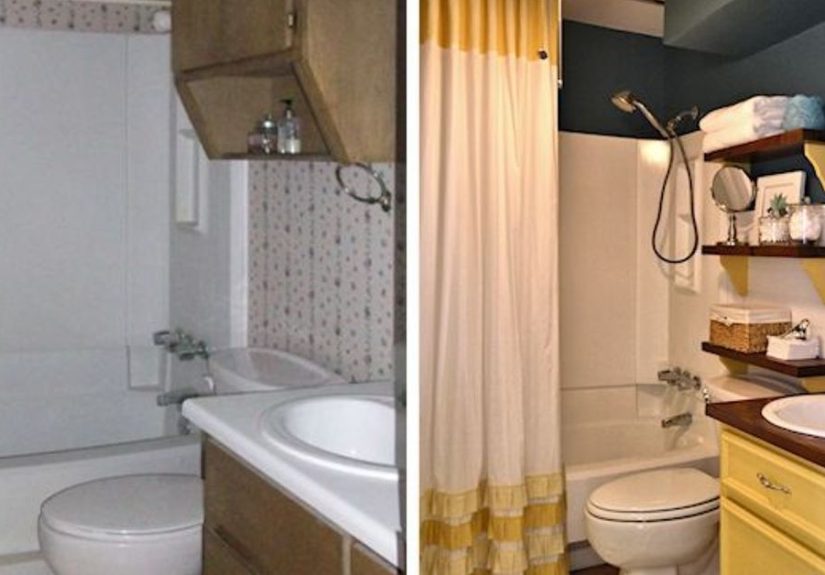
A small bathroom makeover is one of those home projects that sounds simple until you realize your “tiny refresh” now includes paint samples, vanity measurements, tile opinions, and an emotional debate about whether one human really needs four backup shampoos. The good news: a compact bathroom does not need more square footage to feel better. It needs smarter layout choices, better storage, brighter surfaces, and a few design tricks that stop it from feeling like a closet with plumbing.
The best small bathroom makeover ideas are not about stuffing luxury into every inch until the room cries for mercy. They are about balance. You want function without clutter, style without chaos, and enough visual breathing room that brushing your teeth feels less like a contact sport. Whether you are planning a full small bathroom remodel or a budget-friendly weekend update, the same principles apply: make the room brighter, lighter, more organized, and easier to use every day.
In this guide, we will walk through the practical and stylish ways to transform a cramped bath into a polished, hardworking space. From layout and storage to mirrors, lighting, paint, tile, and finishing details, here is how to make a small bathroom look bigger, work better, and stop acting like the most stubborn room in the house.
Start With the Problems, Not the Pretty Stuff
Before picking paint colors or daydreaming about spa-worthy towels, identify what is actually wrong with the room. Most small bathrooms struggle with the same issues: poor storage, weak lighting, awkward traffic flow, too many visual breaks, and not enough ventilation. If you skip that step and jump straight to shopping, you may end up with a beautiful bathroom that is still annoying at 7:15 every morning.
Ask yourself a few simple questions. Is the vanity too bulky? Does the door swing into everything like it has a personal grudge? Are products living on every flat surface because there is nowhere else to put them? Does the shower curtain chop the room in half visually? Does the mirror look tiny and sad? A great bathroom makeover begins by solving those functional headaches first. Beauty should follow the plan, not replace it.
Choose a Layout That Buys You Breathing Room
Layout is the silent hero of every small bathroom makeover. If the room feels tight, the answer is not always “make it prettier.” Sometimes the answer is “stop forcing oversized pieces into a tiny footprint.” In compact bathrooms, even a few inches matter. Switching to a slimmer vanity, a corner sink, or a more efficient toilet placement can make the room feel noticeably easier to navigate.
Think lean, not crowded
Wall-mounted vanities, floating sinks, and compact fixtures help open up the floor visually. That extra visible floor space creates the illusion of a larger room, even when the actual square footage stays exactly the same. If a full vanity replacement is not in the budget, consider whether the existing one can be painted, re-fronted, or paired with better storage inserts to improve how it performs.
Rethink the door
A traditional swing door can eat up valuable clearance. In some bathrooms, a pocket door or sliding door is a game-changing upgrade because it frees up wall and floor space. It is not glamorous, but neither is banging your knee on the vanity every time you walk in.
Consider a walk-in shower
For a full remodel, replacing a bulky tub-shower combo with a walk-in shower can make a small bathroom feel dramatically more open. A clear glass panel or frameless shower door allows the eye to travel farther, which visually expands the room. If you need a tub for family reasons, you can still reduce visual clutter by simplifying the tile pattern and using consistent finishes.
Use Light, Reflection, and Visual Continuity Like a Pro
If there is one golden rule in small bathroom design, it is this: let the eye move easily. The more visual interruptions you create, the smaller the room feels. That is why bright paint, larger mirrors, reflective finishes, and simple materials are so effective. They make the room feel less chopped up and more airy.
Pick a color palette that opens the room
Light colors are popular in small bathroom makeover projects for a reason. Soft white, warm ivory, pale gray, muted greige, light taupe, or gentle sage can help bounce light around the room and make surfaces feel less heavy. This does not mean your bathroom must look like a blank page in a tax office. You can absolutely use color. Just keep the overall palette cohesive so the room feels calm instead of crowded.
If you love drama, save it for one smart moment: a vanity color, patterned floor tile, striking mirror, or statement light fixture. Small bathrooms can handle personality. They just cannot handle seven competing personalities at once.
Go bigger with the mirror
A larger mirror is one of the easiest ways to make a small bathroom look bigger. It reflects light, doubles visual depth, and makes the wall above the vanity work harder. In many cases, replacing a tiny builder-grade mirror with a wide framed mirror or mirrored medicine cabinet creates an immediate upgrade without moving a single pipe.
Keep lines clean
Frameless shower glass, simple hardware, and consistent finishes help reduce visual clutter. Too many material changes can make a small bathroom feel busy. Let the room have a few clean lines so it can breathe. Your bathroom should feel edited, not like it lost a design argument.
Storage Is the Real Makeover Magic
No small bathroom makeover succeeds for long if clutter wins. You can install gorgeous tile and a stylish vanity, but if the countertop still looks like a convenience store shelf, the room will feel cramped again in about three business days.
Use vertical storage
Walls are your best friends in a small bathroom. Add floating shelves above the toilet, install a recessed medicine cabinet, or use narrow wall-mounted cabinets to hold backup supplies. Open shelving can work beautifully if you keep it tidy and limited to essentials or attractive storage baskets. Closed storage is better for hiding visual mess. The right answer depends on whether your household is naturally neat or deeply committed to chaos.
Build storage into the shower
A recessed shower niche is one of the smartest upgrades in a small bathroom remodel. It stores daily products without adding wire racks, corner towers, or bottle clutter that makes the shower feel crowded. It is sleek, practical, and far better than playing “which shampoo is mine?” with products balanced on the tub edge.
Swap towel bars for hooks
Hooks often work better than traditional towel bars in compact bathrooms because they take up less wall space and can hold multiple items more flexibly. Add a row of hooks behind the door or on a narrow wall and suddenly the room feels more organized without any heavy construction.
Make the vanity earn its keep
Choose a vanity with drawers, organizers, or built-in compartments if possible. Under-sink storage is prime real estate. Use pullout bins, drawer dividers, and stackable containers so every item has a home. A pretty bathroom is lovely; a bathroom where you can actually find your floss is elite.
Upgrade the Lighting and Ventilation
Lighting can make a small bathroom feel fresh and expensive, while bad lighting can make even nice finishes look tired. The ideal setup combines overhead lighting with task lighting around the mirror. If your bathroom currently has one dim ceiling fixture trying its best, it is time for backup.
Layer the light
Sconces beside the mirror, a lighted vanity mirror, or brighter vanity lighting can improve both function and mood. This matters more than people think. Good bathroom lighting helps with grooming, creates a cleaner look, and makes wall color and finishes read more accurately.
Use reflective finishes strategically
Chrome, polished nickel, glass, and glossy tile can help reflect light and brighten the room. You do not need everything to sparkle like a disco ball. A few reflective surfaces are enough to create a lighter, more spacious feel.
Do not ignore ventilation
Ventilation is not the glamorous part of a bathroom makeover, but it may be the smartest. Moisture is the villain behind peeling paint, mildew, funky smells, and tired finishes. A properly vented exhaust fan helps protect your investment and keeps the room comfortable. If your bathroom always feels damp or stuffy, upgrade the fan during the makeover rather than pretending the problem is “just bathroom personality.”
Budget-Friendly Changes That Make a Big Difference
You do not need a full gut renovation to pull off a successful small bathroom makeover. Some of the best transformations come from a series of strategic, affordable changes that improve the room layer by layer.
Paint the walls and ceiling
Fresh paint is still one of the highest-impact, lowest-cost bathroom updates. Use paint formulated for bathrooms or other high-moisture spaces, especially if ventilation is less than perfect. Painting the ceiling can also brighten the room more than people expect.
Replace hardware and faucets
New drawer pulls, towel hooks, toilet paper holders, and faucets can make the bathroom feel current without requiring major demolition. Matching finishes help tie the room together and give even modest materials a more intentional look.
Update the mirror and vanity light
These two elements sit at eye level and do a lot of visual heavy lifting. Changing them can instantly modernize the room. A dated mirror with a builder-grade strip light often makes the whole bathroom feel older than it really is.
Refresh tile without redoing everything
If full tile replacement is out of budget, consider selective upgrades. Regrouting, deep cleaning, replacing a dated floor, or adding a new statement tile in one zone can change the feel of the room without turning your home into a dust museum for six weeks.
Design Details That Make a Small Bathroom Feel Expensive
A polished small bathroom does not need massive square footage. It needs a few thoughtful details that feel deliberate. That is the difference between “small but stylish” and “small and clearly overwhelmed.”
- One standout feature: a statement mirror, patterned floor tile, rich vanity color, or beautiful sconce can give the room identity.
- Soft textiles: crisp towels, a quality bath mat, and a simple shower curtain can elevate the everyday experience.
- Decor with restraint: a small piece of art, a tray, or a plant can warm up the room without creating clutter.
- Consistency: repeat finishes and colors so the room feels cohesive instead of pieced together from random weekend errands.
Remember, luxury in a small bathroom is often less about expensive materials and more about order, comfort, and visual calm. When the room is clean-lined, bright, and organized, it automatically feels more upscale.
Mistakes to Avoid During a Small Bathroom Makeover
Even smart remodels can go sideways when the room is overdesigned. Here are a few common mistakes that make small bathrooms feel even smaller:
- Choosing an oversized vanity that blocks movement
- Using too many colors, finishes, or tile patterns
- Ignoring storage and leaving essentials homeless
- Keeping a tiny mirror when a larger one would transform the wall
- Installing weak lighting and hoping daylight will solve everything
- Skipping ventilation improvements in a humid room
- Decorating every surface until the space feels crowded
The smartest small bathroom remodel ideas are usually the ones that edit, simplify, and refine. In a compact space, every choice matters more. The room notices everything. It is dramatic like that.
The Best Small Bathroom Makeover Strategy
If you want the short version, here it is: improve the layout, increase the storage, brighten the room, simplify the materials, and control the clutter. That formula works whether your budget is tiny, medium, or “I briefly considered heated floors and then remembered reality.”
A successful small bathroom makeover is not about copying a showroom. It is about creating a room that serves your real life. The best results usually come from pairing practical upgrades with just enough style to make the room feel special. In other words, yes, it should be beautiful. But it should also have a place for toilet paper, decent lighting for shaving, and enough elbow room to exist peacefully.
Experiences and Lessons From Real Small Bathroom Makeovers
One of the most common experiences people have during a small bathroom makeover is realizing the room did not actually need more stuff. It needed fewer, better choices. Homeowners often begin with the idea that a tiny bathroom has to be “packed with solutions.” Then the project starts, the old vanity comes out, the mirror is removed, and suddenly the space reveals its real problem: visual overload. Once that becomes clear, the makeover shifts from adding more to choosing smarter.
Another frequent lesson is how dramatic a larger mirror can feel in real life. On paper, a mirror upgrade sounds modest. In practice, it can completely change the mood of the room. People often say the bathroom feels brighter, calmer, and more adult almost immediately. The same goes for better lighting. A room that once felt yellow, dim, and vaguely apologetic can become crisp and fresh with one new fixture and improved bulb temperature.
Storage upgrades also tend to surprise people. A recessed niche, a mirrored medicine cabinet, or a few shelves above the toilet can remove clutter from the vanity so effectively that the whole bathroom feels renovated, even when the tile and plumbing stay the same. That is the sneaky power of organization in a small bath. You are not only creating storage. You are giving the room visual silence, which is a lovely thing to have before coffee.
Many homeowners also discover that budget makeovers work best in stages. Instead of trying to replace everything at once, they tackle the room in practical layers: paint first, then lighting, then hardware, then storage, then maybe the vanity or flooring later. This phased approach often leads to better decisions because the room evolves with intention. It also helps people avoid panic-buying trendy items that looked charming online but become deeply confusing once installed next to the toilet.
There is also a nearly universal experience with small bathrooms and color. People worry that light paint will feel boring, then find out that a quiet backdrop makes the room feel larger and gives them more freedom with texture, art, hardware, or tile. Others go bold on a powder room and love it because a tiny space can carry a bit of drama when the design is controlled. The lesson is not “always go white.” The lesson is “make your bold choices on purpose.”
Perhaps the biggest takeaway from real small bathroom makeovers is emotional, not technical. When a cramped bathroom becomes easier to use, mornings feel smoother. Cleaning gets simpler. Getting ready feels less rushed. The room may still be small, but it stops feeling like a problem. And honestly, that is the goal. A successful small bathroom makeover is not just about impressive before-and-after photos. It is about turning a frustrating space into one that quietly does its job, looks great doing it, and no longer makes you wonder why one hair dryer requires the square footage of a studio apartment.