Table of Contents >> Show >> Hide
- What Is the Great Wildebeest Migration?
- Why the Serengeti Is the Perfect Stage
- When Is the Best Time to Watch the Migration?
- Where to Watch a Million Wildebeest Migrate Across the Serengeti
- What Makes the Migration So Dramatic?
- How to Plan a Serengeti Migration Safari
- Responsible Ways to Watch the Migration
- Why the Migration Matters Beyond Tourism
- Experience Notes: What It Feels Like to Watch the Migration
- Conclusion
There are travel experiences, and then there is watching a million wildebeest migrate across the Serengeti. One is a vacation. The other is nature grabbing a megaphone, clearing its throat, and announcing, “Ladies and gentlemen, behold the most chaotic traffic jam on Earth.”
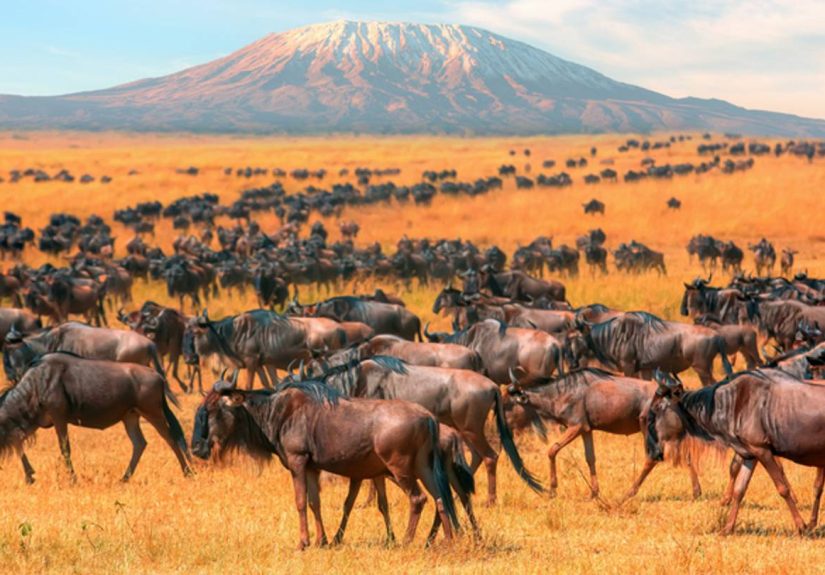
The Great Migration is not a tidy parade. It is a thundering, snorting, dust-raising, grass-chasing movement of life across the Serengeti-Mara ecosystem in Tanzania and Kenya. More than a million wildebeest, joined by zebras, gazelles, and other grazers, move in a vast seasonal loop in search of fresh grass and water. Along the way, they give birth, dodge predators, cross rivers, fertilize plains, feed scavengers, and remind humans that nature has been running complex logistics long before spreadsheets existed.
For travelers, wildlife lovers, photographers, and anyone who has ever watched a nature documentary and whispered, “I need to see that with my own eyes,” the Serengeti wildebeest migration is one of the planet’s greatest spectacles. But to truly appreciate it, you need to understand what it is, when it happens, where to watch it, and why this moving ocean of animals matters far beyond safari postcards.
What Is the Great Wildebeest Migration?
The Great Wildebeest Migration is an annual circular movement of wildebeest and other grazing animals through the Serengeti National Park in Tanzania and the Maasai Mara region in Kenya. It is often described as one of the largest land-animal migrations on Earth, and for good reason. The moving herds can include roughly 1.3 to 1.5 million wildebeest, along with hundreds of thousands of zebras, Thomson’s gazelles, and other antelopes.
The main engine behind the migration is simple: food. Wildebeest follow seasonal rains because rains bring fresh grass. Fresh grass brings survival. Survival brings calves, strength, and another lap around the ancient route. It sounds basic, but the scale is astonishing. Imagine a city the size of Philadelphia suddenly growing hooves and deciding to walk across East Africa because the salad bar is better up north.
The migration is not a single-day event. It is a year-round cycle. The herds may be spread across different parts of the ecosystem at different times, depending on rainfall, grass conditions, and water availability. This is important for travelers because there is no magic date when all the wildebeest line up for a dramatic river crossing like extras in a Hollywood film. The migration is alive, unpredictable, and gloriously inconvenient.
Why the Serengeti Is the Perfect Stage
The Serengeti is not just a backdrop. It is a living system shaped by volcanic soils, seasonal rain, open grasslands, river corridors, predators, and centuries of animal movement. The name “Serengeti” is often associated with endless plains, and that description fits beautifully. In many places, the land seems to stretch until sky and grass shake hands at the horizon.
The southern Serengeti and nearby Ngorongoro plains are especially important during calving season. These short-grass plains are rich in nutrients, which helps mother wildebeest produce milk and gives newborn calves a stronger start. Later in the year, as the grasses are exhausted and dry conditions intensify, the herds move toward the western corridor, the Grumeti area, the northern Serengeti, and eventually the Mara region.
This constant movement does more than keep wildebeest fed. It shapes the entire ecosystem. Grazing helps manage grass growth. Dung returns nutrients to the soil. Predators follow the herds. Scavengers benefit from animals that die along the way. Even river systems receive nutrients when carcasses enter the water after dangerous crossings. In short, the migration is not just something that happens in the Serengeti; it helps make the Serengeti what it is.
When Is the Best Time to Watch the Migration?
The best time to watch the wildebeest migration depends on what kind of experience you want. The migration is a moving target, and the Serengeti does not run on a tourist brochure schedule. Rainfall can shift timing from year to year, but the general pattern is reliable enough for planning.
December to March: Calving Season in the Southern Serengeti
From roughly December through March, many herds gather in the southern Serengeti and the Ndutu region near the Ngorongoro Conservation Area. This is the famous calving season, when hundreds of thousands of wildebeest calves may be born within a short window. The plains become a nursery, though not exactly a quiet one. Baby wildebeest are famously quick on their feet, often standing and moving soon after birth, because in the Serengeti, “taking your time” is not a great survival strategy.
This season is ideal for travelers who want to see newborn animals, predator activity, and wide-open green landscapes. Lions, cheetahs, hyenas, and jackals are often nearby, watching for opportunities. The drama is intense, but it is also a remarkable display of renewal. Calving season shows the migration at its most tender and its most ruthless, sometimes within the same minute.
April to June: Moving North and West
As the rains shift and the southern plains begin to dry, the herds start moving northwest and west. April and May can be wetter months, and some roads may become muddy. This is not always the easiest time for travelers, but it can be rewarding for those who prefer fewer crowds and dramatic landscapes.
By June, the migration often builds momentum through the western corridor. The Grumeti River may become one of the obstacles, though crossings here are usually less famous than the Mara River crossings farther north. Still, the sight of long columns of wildebeest moving through golden grass is unforgettable. It feels less like watching animals and more like watching weather with legs.
July to October: Northern Serengeti and Mara River Crossings
July through October is the season most travelers associate with the Great Migration. During this period, herds move through the northern Serengeti and toward the Maasai Mara. This is when many visitors hope to witness the legendary Mara River crossings.
The river crossings are dramatic because they involve steep banks, strong currents, crowd pressure, confusion, crocodiles, and the unpredictable decision-making of thousands of wildebeest. A herd may gather near the river for hours or even days before one animal finally steps forward and the rest surge after it. For photographers, this is pure adrenaline. For the wildebeest, it is Tuesday.
However, travelers should know that no guide can guarantee a crossing on command. The herds may arrive, hesitate, move away, return, and hesitate again. Nature does not care that you charged your camera battery. Patience is essential.
November: The Return South
As short rains begin, the herds often start moving south again, returning toward the Serengeti’s fresh grazing areas. November can be an underrated time to visit because the landscape begins to revive, crowds may thin, and the migration continues its ancient rhythm. It may not have the celebrity status of river-crossing season, but it offers a more subtle and atmospheric version of the journey.
Where to Watch a Million Wildebeest Migrate Across the Serengeti
Choosing where to go depends on the month and your priorities. For calving season, the southern Serengeti and Ndutu area are prime locations. For the western movement, the Serengeti’s western corridor offers excellent migration viewing. For river crossings, the northern Serengeti near the Mara River is one of the most sought-after areas.
The northern Serengeti is especially appealing for travelers who want the drama of river crossings without relying only on the Kenyan side of the ecosystem. Staying in mobile camps can also improve your chances because these camps move seasonally to follow the herds. In safari terms, a mobile camp is not “camping” in the backyard sense. You are not eating beans from a dented can while losing a battle with a sleeping bag. Many mobile camps are comfortable, elegant, and strategically placed for wildlife viewing.
For travelers combining Tanzania and Kenya, the Maasai Mara can offer excellent migration viewing during peak months. But the Serengeti side provides a broader sense of the migration’s full cycle, especially if you visit during calving or the northward movement.
What Makes the Migration So Dramatic?
The Great Migration is dramatic because it is not simply about movement. It is about risk. Every stage of the journey brings challenges. Calves must gain strength quickly. Adults must find grazing before conditions worsen. Predators track the herds. Rivers become obstacles. Humans, fences, habitat pressure, and climate shifts add further complications.
The predator-prey dynamic is one of the major reasons people travel to watch the migration. Lions may wait near migration corridors. Cheetahs often hunt in open plains, especially when young animals are present. Hyenas patrol with unnerving confidence, as if they have read the entire menu and already know what they are ordering. Crocodiles wait in rivers, sometimes for months, until the crossings begin.
Yet the wildebeest are not helpless. Their strength lies in numbers, endurance, and momentum. A single wildebeest may look oddly built, like nature assembled it from spare parts after a long lunch break. But as a herd, wildebeest become a force powerful enough to reshape landscapes.
How to Plan a Serengeti Migration Safari
Planning a migration safari starts with choosing the experience you care about most. Do you want newborn calves and predator action? Go in the early-year calving season. Do you want river crossings? Focus on the northern Serengeti between July and October. Do you want fewer vehicles and greener scenery? Consider shoulder periods when the herds are moving but crowds are lighter.
Book early, especially for peak season. Camps and lodges in key migration areas can fill far in advance. Work with a safari operator that understands seasonal wildlife movement, not just hotel availability. A good guide is also essential. The best guides know how to read tracks, weather, grass conditions, and animal behavior. They also know when not to push too close, which matters for both wildlife welfare and your viewing experience.
Pack practical clothing in neutral colors, sun protection, binoculars, a camera with extra batteries, and patience. Bring layers because early morning drives can be chilly, while midday can be warm. Also bring realistic expectations. A safari is not a theme park ride. You may wait for hours and see nothing cross a river, then suddenly witness a scene you will remember for the rest of your life.
Responsible Ways to Watch the Migration
The Great Migration is popular, and popularity brings pressure. Too many vehicles crowding animals near riverbanks can interfere with natural behavior. Poorly managed tourism can stress wildlife and reduce the quality of the experience for everyone. Responsible safari travel is not just a nice idea; it is part of protecting the spectacle people came to see.
Choose operators that follow park rules, respect viewing distances, avoid blocking animal movement, and support conservation or community-based tourism. Listen to your guide when they say a vehicle should stay back. The best view is not always the closest view. Sometimes the most powerful moment comes from watching the whole scene unfold across the landscape, not from trying to count a wildebeest’s eyelashes.
Travelers should also remember that the Serengeti-Mara ecosystem depends on open corridors. Wildlife must be able to move between grazing areas, water sources, and seasonal habitats. Conservation groups have warned that fences, roads, settlement expansion, drought, and changing rainfall patterns can threaten migration routes. Protecting the migration means protecting space, not just animals.
Why the Migration Matters Beyond Tourism
The wildebeest migration is a natural wonder, but it is also an ecological engine. It supports predators, scavengers, insects, birds, grasses, soils, rivers, and local economies. Safari tourism can provide revenue for protected areas and create incentives for conservation when managed responsibly. Local communities also play a central role, especially in buffer zones and wildlife corridors outside formal park boundaries.
The migration also teaches a bigger lesson: ecosystems are connected. Rainfall affects grass. Grass affects grazers. Grazers affect predators. Predators affect behavior. Dead animals feed scavengers and rivers. Human land use affects movement. Nothing in the Serengeti exists in isolation, which is exactly why it is so fascinating.
Watching the migration is thrilling, but understanding it makes the experience deeper. You are not just seeing animals move from one place to another. You are watching one of Earth’s great natural systems operating in real time.
Experience Notes: What It Feels Like to Watch the Migration
The first thing you notice is not always the sight. Sometimes it is the sound. A low, rolling chorus of grunts rises from the plains, somewhere between distant thunder and a herd of cranky motorcycles trying to start on a cold morning. Then comes the dust. It hangs in the sunlight like gold powder, softening the horizon and turning the entire scene into something that feels half real, half ancient memory.
On a morning game drive, you may begin with only a few scattered wildebeest. Then the vehicle climbs a slight rise, and suddenly the plain is alive in every direction. Wildebeest stand shoulder to shoulder, graze in loose lines, trot nervously, and occasionally break into short bursts of movement for reasons known only to wildebeest and possibly one very startled zebra. The scale is hard to process. Your brain keeps trying to count them, then gives up and files the whole thing under “too many.”
River-crossing days feel different. The air is tight with anticipation. Vehicles wait at a respectful distance. Guides speak quietly. The herd gathers near the bank, backs away, circles, returns, and stares at the water as if negotiating with it. One animal edges forward. Another follows, then stops. The entire herd seems to inhale. Minutes stretch. Cameras hover. Nothing happens. Then, without warning, the first wildebeest commits, and the riverbank erupts.
The crossing is not graceful. It is powerful, messy, loud, and emotional. Animals leap, splash, stumble, climb, and surge forward. Some turn back. Some choose impossible-looking paths. Zebras add stripes to the confusion. Dust mixes with spray. The river becomes a moving puzzle of bodies and instinct. You may feel excitement, awe, worry, and humility all at once. It is beautiful, but it is not sanitized. This is wild nature, not a screensaver.
Calving season offers a gentler but equally unforgettable experience. The southern plains glow green after rain, and newborn calves wobble beside their mothers on legs that look far too thin for the job. Within minutes or hours, many are walking. Soon they are running. Watching them is both adorable and stressful, like seeing a toddler enter a marathon where some of the spectators are lions.
Evenings in the Serengeti bring their own magic. The heat softens. The sky turns copper, rose, and violet. Wildebeest silhouettes stretch across the plains. Hyenas call in the distance. A lion may lift its head from the grass and look toward the herds. At camp, you may still hear the migration after dark: low grunts, hoof movements, and the occasional burst of nervous energy passing somewhere beyond the lantern light.
What stays with you is not only the drama. It is the feeling of being small in the best possible way. The migration reminds you that the world is older, stranger, and more magnificent than your inbox would have you believe. You arrive hoping to watch a million wildebeest cross the Serengeti. You leave realizing you have watched hunger, rain, birth, danger, instinct, and endurance braided into one enormous living river.
Conclusion
To watch a million wildebeest migrate across the Serengeti is to witness one of the greatest performances in the natural world. It is not polished, predictable, or polite. It is dusty, noisy, risky, and magnificent. The Great Migration is a journey of hunger and renewal, of calves and crocodiles, of grass and rain, of survival written across the plains in hoofprints.
Whether you visit during the calving season in the southern Serengeti, follow the herds through the western corridor, or wait for a Mara River crossing in the north, the experience is unforgettable. The key is to plan around the season, travel responsibly, choose skilled guides, and remember that the Serengeti is not performing for you. You are lucky enough to be present while it performs for itself.
In a world where so much feels scheduled, packaged, and predictable, the wildebeest migration remains gloriously wild. And that is exactly why it is worth seeing.